Quick answer
Good moxa sticks are dry, evenly packed, clearly labeled, and realistic for your room, holder, and cleanup routine. The right beginner choice is not the stick with the boldest claims. It is the one you can inspect, light, ventilate, and extinguish in a controlled way.
Key takeaways
- A good beginner moxa stick is dry, intact, clearly labeled, and sized for the holder, room, and ventilation setup you actually have.
- Moisture, musty odor, broken packaging, vague dimensions, and dramatic wellness claims are practical reasons to walk away.
- The smartest buying habit is a small first order plus a controlled first-burn test, not a bulk purchase based on marketing words alone.
If you want the short answer first, a good moxa stick for beginners should be dry, evenly packed, clearly labeled, and realistic for your room. You should be able to tell what size it is, how smoky it is likely to be, whether it fits your holder, and whether it has been stored well. Walk away from sticks that seem damp, musty, perfumed, damaged, or vague about the basics.
That answer is less glamorous than “best five-year aged premium moxa,” but it is more useful. For home use, quality is not only about tradition words or price. It is about whether the stick supports a controlled routine from storage to first light to final cleanup.
Define “good” by control, not hype
Many buyers start by looking for the “best” or “strongest” moxa stick. That sounds sensible, but it often points beginners toward the wrong signals. A better first question is this: can I inspect, light, supervise, and extinguish this product safely in the room I actually use?
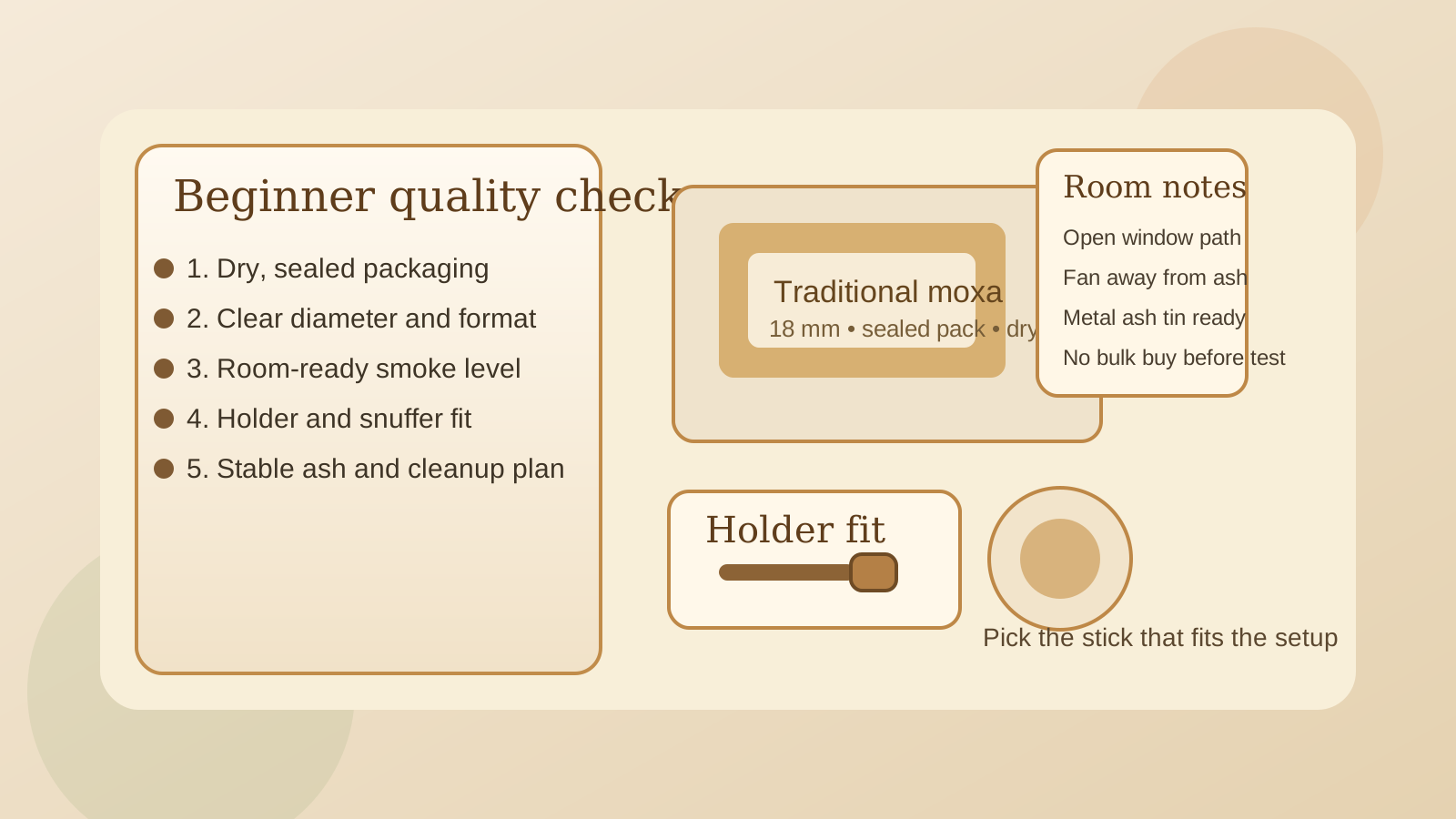
That shifts the whole buying process. A good product page should tell you:
- what format you are buying,
- what diameter or size to expect,
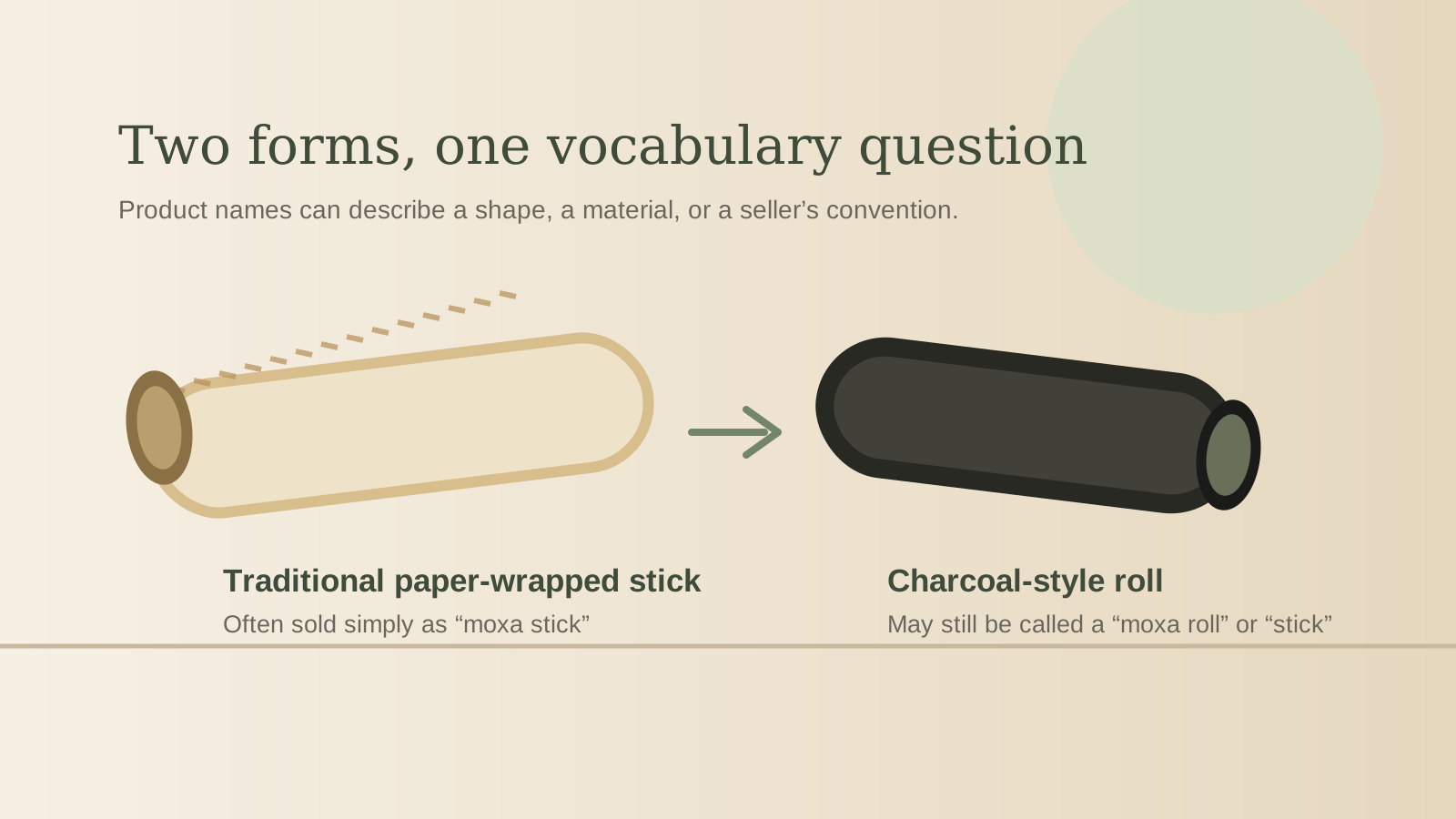
- whether it is traditional or smokeless,
- how it should be stored,
- whether it fits common holders,
- what kind of smoke and cleanup routine it implies.
If the page skips those basics and replaces them with vague superiority language, that is already a quality signal. It does not mean the product is fake. It means you do not have enough information to buy intelligently.
This is also why quality and safety belong together. NCCIH notes that moxibustion can cause burns and other adverse effects, and a case-report review in PubMed Central includes burns, smoke-related complaints, and handling problems. Those sources do not rank brands, but they do support a simple consumer rule: do not buy as if product quality is separate from home-use control. For basic orientation, it helps to review what is a moxa stick, moxibustion safety basics, and best moxibustion tools for beginners before you compare listings.
Red flags you can spot before buying
The easiest mistakes to avoid are not advanced ones. They are the obvious warning signs that buyers sometimes excuse because the packaging looks traditional or the price looks attractive.
Start with moisture and storage cues. The EPA’s mold guidance is not written specifically for moxa, but the principle carries over cleanly: moisture and mold are signs that an organic product has not been stored well. For moxa sticks, that matters because the product is meant to burn near skin and indoors. A stick that smells musty, feels damp, shows spotting, or arrives in compromised packaging is not a bargain. It is a reject.
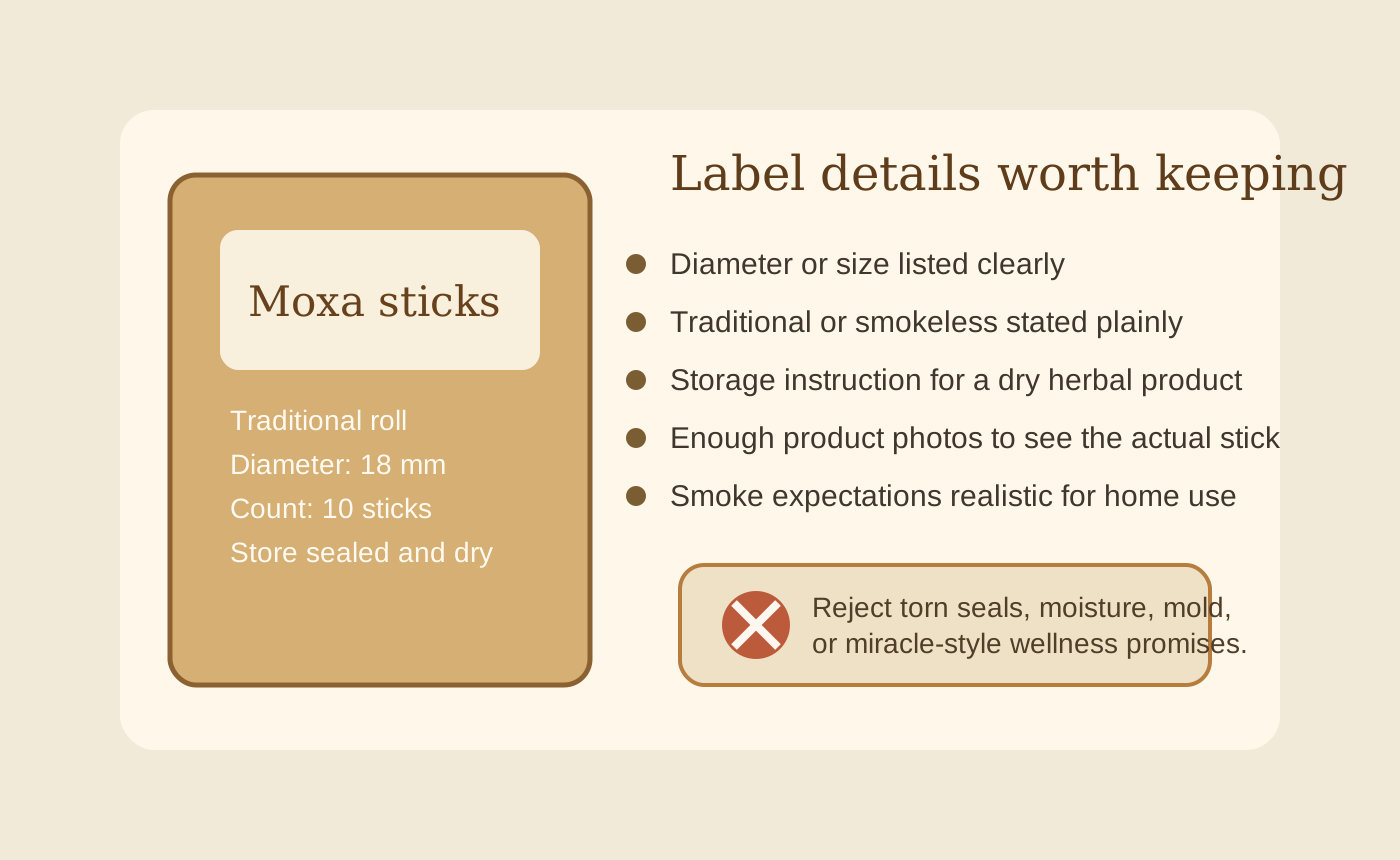
Before ordering, watch for these red flags:
- broken or poorly sealed outer packaging,
- no stick diameter or size information,
- no storage guidance for a dry herbal product,
- musty, basement-like, or perfume-covered odor descriptions,
- product claims that promise dramatic health results,
- photos that hide the actual stick and show only decorative branding.
That last point matters more than it looks. If you cannot tell what is actually being sold, you also cannot judge whether it matches your holder, your ash tray, or your ventilation setup. If you are trying to screen for obvious quality problems, how to spot fake or low-quality moxa sticks and can you use moldy moxa sticks cover the reject-first side of the decision.
Match the stick to your room, holder, and smoke tolerance
A technically “good” moxa stick can still be the wrong beginner purchase if it does not suit the room where you plan to use it. This is where many buying guides stay too abstract.
Think in combinations rather than in isolated product features. A thicker traditional roll may be fine in a well-ventilated practice space but annoying in a small apartment bedroom. A smokeless stick may reduce visible smoke, but it can still produce odor, ash, and heat that need supervision. A compact stick that fits your holder cleanly is often a better beginner buy than a premium large-diameter roll you cannot manage comfortably.
Useful matching questions include:
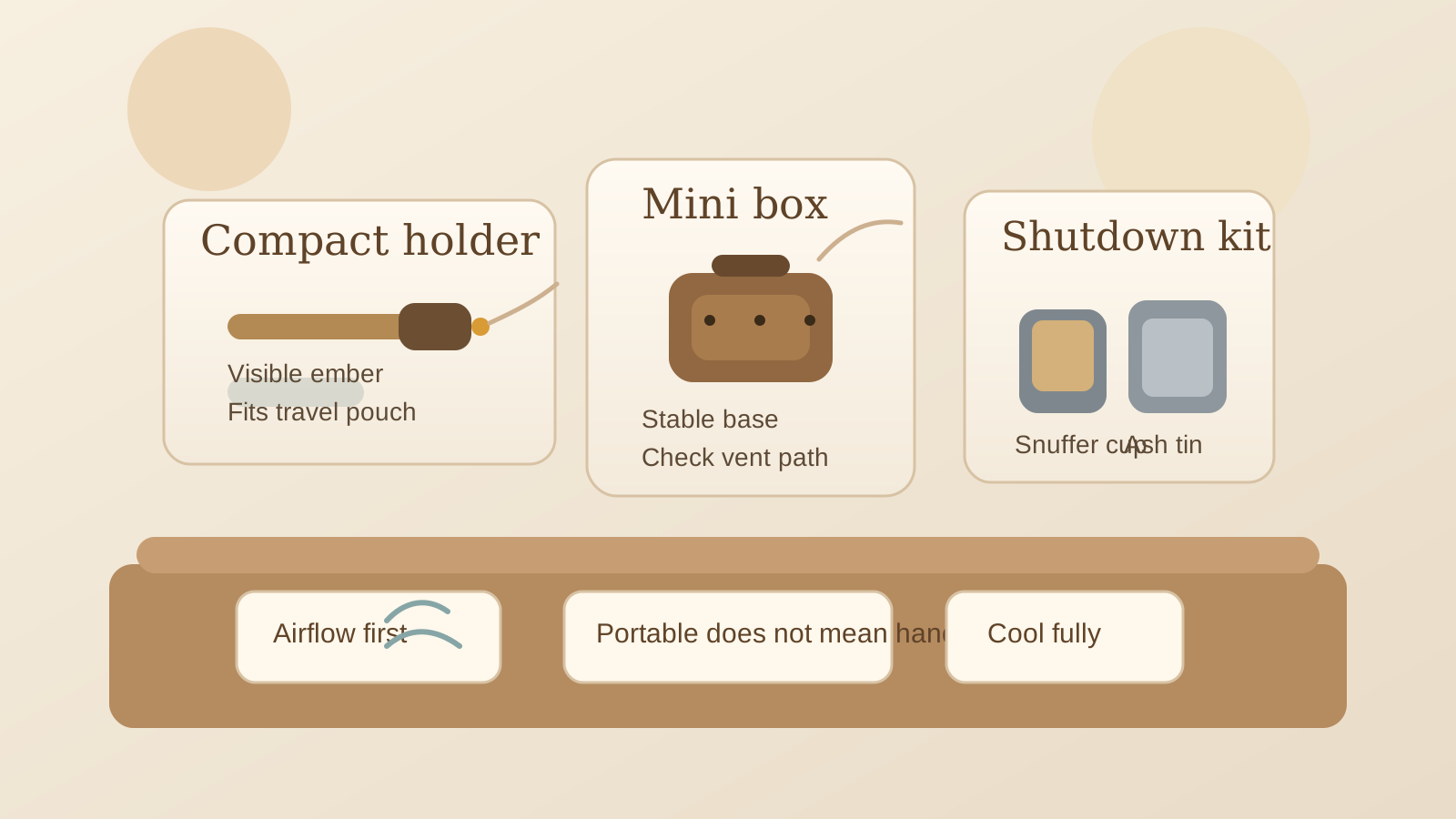
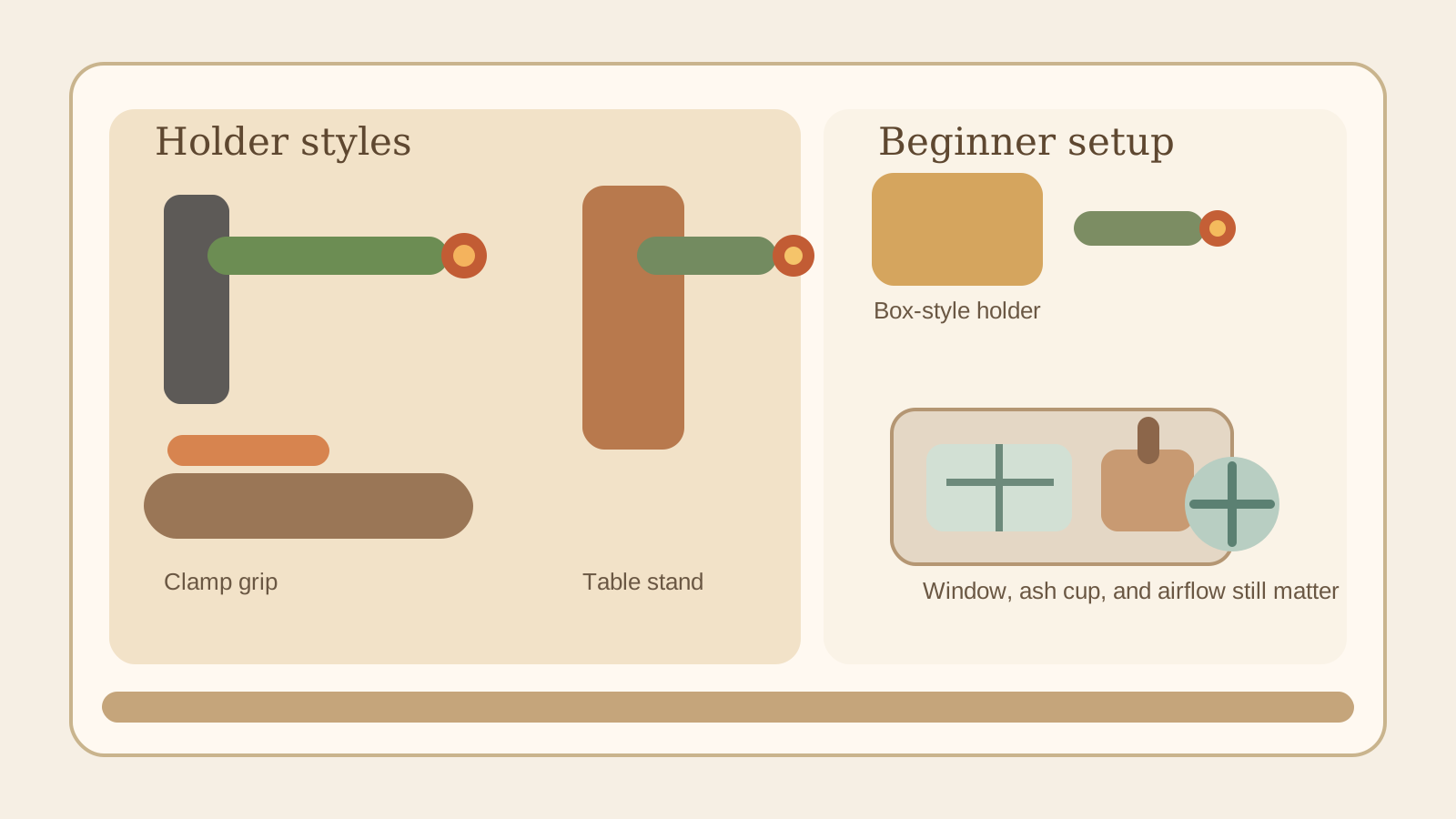
- Does the stick diameter fit the holder or extinguisher you already own?
- Can your room handle traditional smoke, or do you need a lower-smoke starting point?
- Is there enough space to keep ash away from fabric, papers, and curtains?
- Can you ventilate the room before, during, and after the session?
- Will the used stick cool in a stable place after extinguishing?
Those questions are why “best quality” is not one-size-fits-all. If smell is your biggest constraint, compare smokeless moxa vs traditional moxa first. If the room itself is the problem, moxa stick indoor ventilation tips matters more than upgrading to a more expensive bundle. If the tool fit is unclear, moxa box vs moxa stick can help you decide whether the product format matches your handling style.
Read the label carefully, but do not overread the marketing
Some listing words are genuinely useful. Others are mostly positioning.
Useful details include stick diameter, count, smokeless versus traditional format, storage instructions, and whether the seller explains basic material terms clearly. Age labels and ratio terms can also be helpful if they are presented plainly. But beginners should not treat “aged,” “premium,” or high ratio numbers as automatic proof of a better home experience.
That is especially true when the listing never explains what those words mean in practice. If you want the terminology behind them, what is aged moxa, fresh moxa vs aged moxa, and moxa wool ratio meaning explain the vocabulary without turning it into a promise.
The same caution applies to price. Cheap does not automatically mean unsafe, and expensive does not automatically mean well suited to your home routine. The smarter approach is to compare labels, then verify the product with a small first order and a controlled first burn. That is also why are cheap moxa sticks safe is really a quality-screening question, not just a price question.
Use a first-burn test before you buy in bulk
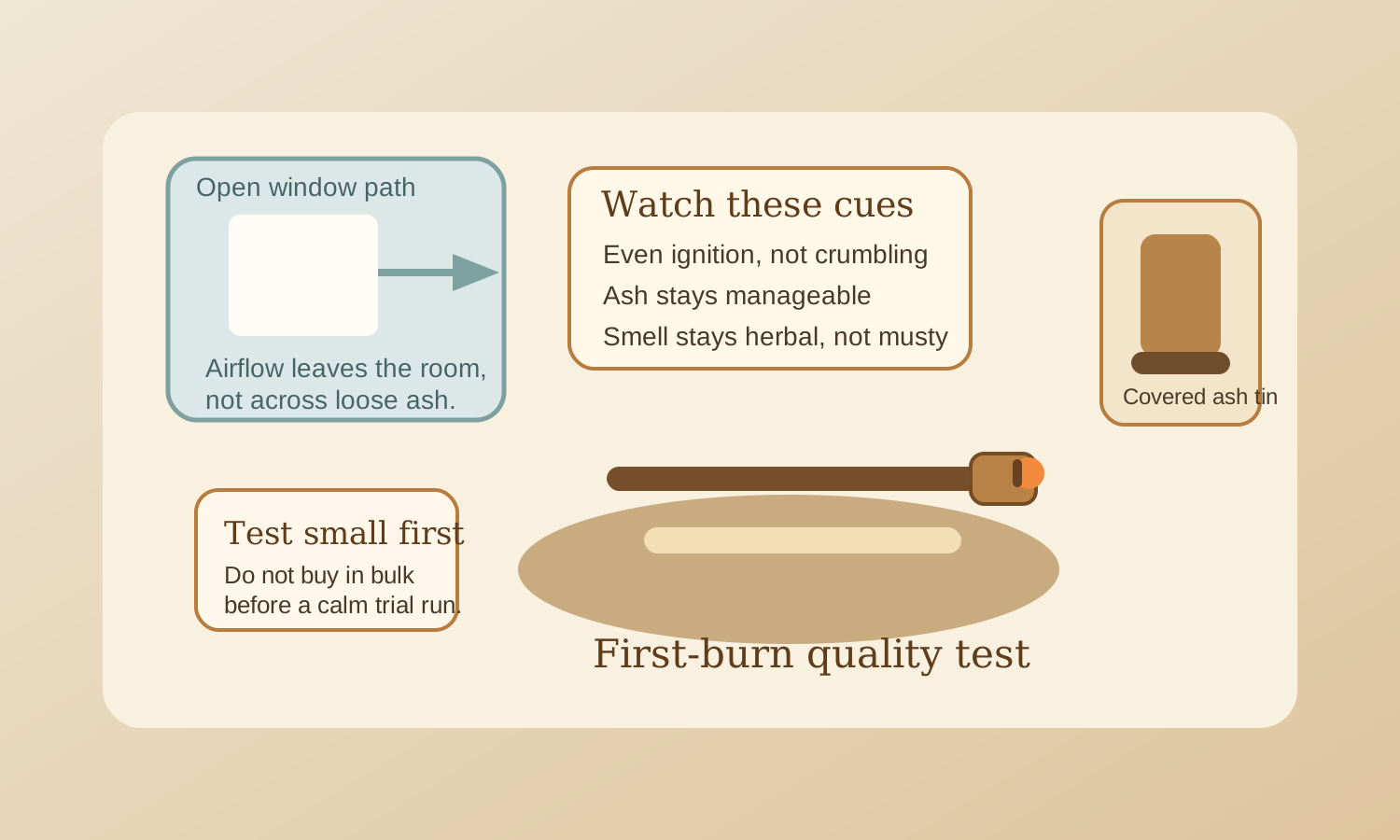
Once the product arrives, the first session should still be treated as a quality check. Buy a smaller quantity when possible and test it in a controlled setup.
Look for simple cues:
- Does it light without showering loose material?
- Does the ember stay predictable instead of tunneling strangely?
- Does ash hold long enough to manage safely?
- Does the room feel workable after ventilation and cleanup?
- Does the smell stay herbal, or does it turn damp, sour, or chemical?
You are not testing health outcomes here. You are testing handling quality. If the first session is messy, harsh, damp-smelling, or difficult to control, there is no reason to commit to a large reorder. Follow how to light a moxa stick safely, how often should you remove moxa ash, and how to extinguish a moxa stick safely during that trial so the quality check is fair and consistent.
After the test, store the remaining sticks well. Dry herbal products degrade faster when they sit open in humid air or absorb household odors, which is why moxa stick storage is part of quality, not just housekeeping.
A simple buying rule that works for most beginners
If you want one rule to remember, use this: buy the most controllable stick, not the most dramatic one.
That usually means a product that is dry, clearly described, modest enough for your room, and easy to pair with a safe holder, ash routine, and ventilation plan. A “good” moxa stick is not proven by mystical wording, premium price, or heavy branding. It is proven by calm handling from package to first burn to final cleanup.
Sources and further reading
Source tiers: A/B. U.S. public-agency sources below support the storage, smoke, and ash-handling guidance; NCCIH and PubMed Central support the broader safety context that product quality does not remove burn and smoke risks.
- U.S. Environmental Protection Agency: A Brief Guide to Mold, Moisture and Your Home
- U.S. Environmental Protection Agency: Improving Indoor Air Quality
- U.S. Fire Administration: Discard Ashes Safely
- National Center for Complementary and Integrative Health: Traditional Chinese Medicine - What You Need To Know
- PubMed Central: Safety of Moxibustion - A Systematic Review of Case Reports
Common questions
What makes a moxa stick good quality?
For beginners, quality usually means dry storage, even rolling, clear labeling, realistic smoke expectations, and a format you can use and extinguish safely at home.
Are more expensive or more aged moxa sticks always better?
No. Higher price or older age labels can describe product positioning, but they do not replace basic checks such as dryness, clean storage, useful sizing details, and controllable burn behavior.
What should I check on the first burn?
Check whether the stick lights without crumbling, burns evenly, drops ash predictably, smells herbal rather than musty or chemical, and still feels manageable in your room after cleanup.