Quick answer
The best moxa stick holder for beginners is not the fanciest one. It is the holder that stays stable, fits the stick you actually use, keeps hot material predictable, and still leaves you in control of ventilation and shutdown.
Key takeaways
- A good beginner holder is stable, fits the moxa stick size you actually use, and helps you manage ash and shutdown without awkward hand positions.
- Holder style matters less than basic control: predictable heat path, nonflammable contact points, easy cleaning, and room ventilation still do most of the safety work.
- If a holder feels wobbly, traps ash badly, or encourages unsupervised use, it is the wrong tool even if the product page calls it convenient.
If you want the short answer first, the best moxa stick holder for beginners is the one that makes the burning end more predictable without creating a false sense of safety. It should sit or grip securely, match the stick diameter you actually use, and make ash handling and shutdown easier. If a holder wobbles, overheats, drops ash unpredictably, or makes you want to leave lit moxa unattended, it is the wrong choice.
What a moxa stick holder actually changes
Beginners sometimes assume a holder makes moxa automatically safe. It does not. What it changes is the handling geometry.
A bare stick asks you to control distance, angle, ash, and rest position with your hand the whole time. A holder may improve that by giving you a cooler grip, a more stable resting point, or a clearer place for ash to fall.
But the holder can also introduce new problems. A poor design may hide the glowing end, trap falling ash where you cannot see it easily, or encourage you to set lit moxa down “for a second” while it is still hot. NCCIH and case-report reviews both note that moxibustion can be associated with burns and other adverse events, so the real question is not whether a holder looks traditional. It is whether the accessory reduces avoidable mistakes in your home setup. For broader context, moxibustion safety basics, how to use moxa sticks at home, and the /categories/buying-guide/ hub explain why product choice and safe routine planning belong together.
Common holder styles and who they suit
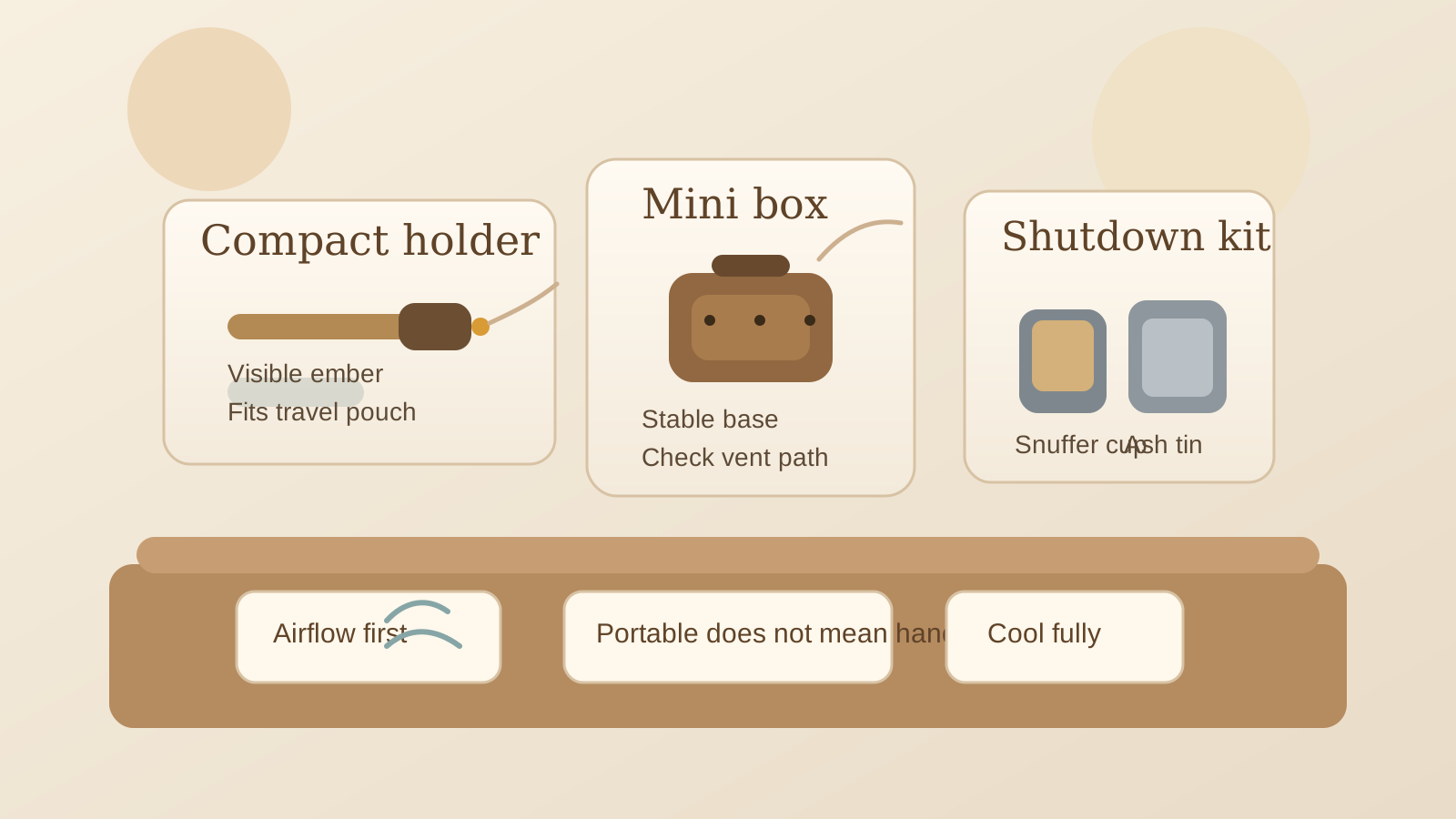
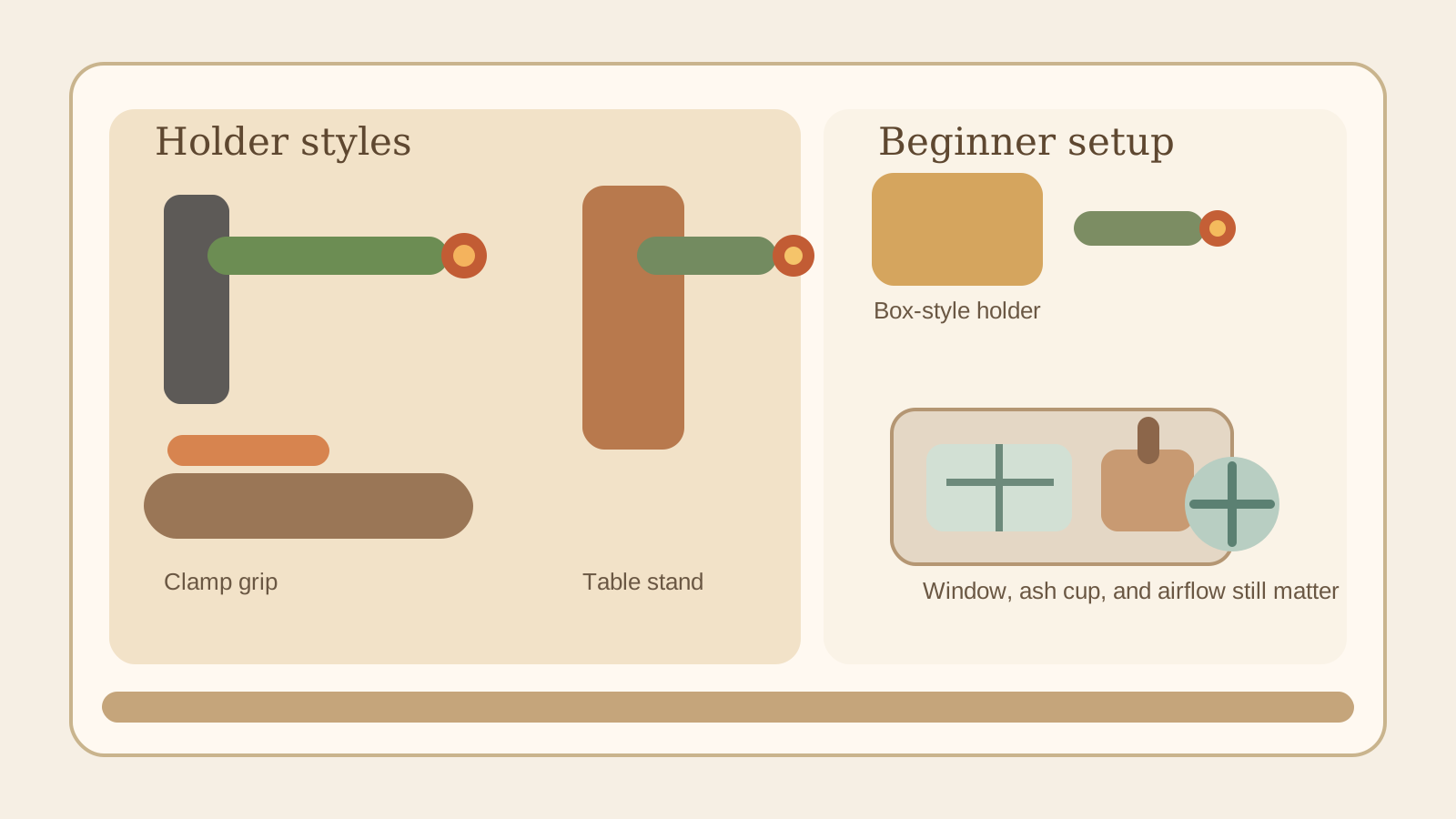
Most beginner searches lump every accessory into one bucket, but “holder” can describe several different tools.
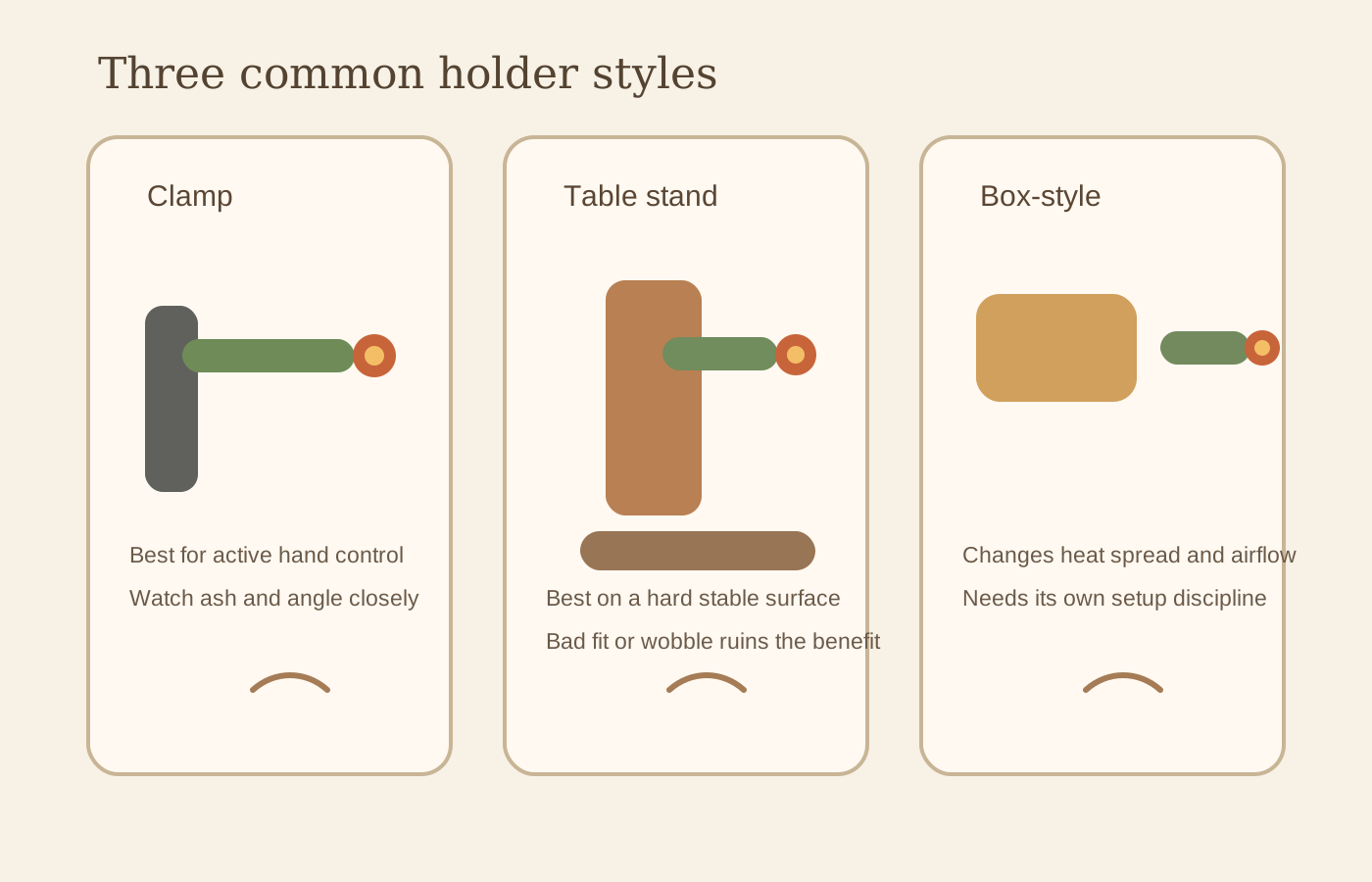
Clamp or clip-style holders
These usually grip one end of the moxa stick and extend the distance between your hand and the ember.
They tend to suit beginners who:
- want more reach without changing the basic stick technique,
- plan to stay actively engaged with the session,
- need a grip that feels cooler or less cramped than holding the stick alone.
Their weakness is that the burning end is still very exposed. If you are careless with angle or ash, the holder will not save you.
Tabletop or tray-supported holders
These rest on a stable surface and hold the stick at a fixed angle. The main benefit is not convenience for its own sake. It is repeatability. A stable stand can reduce fidgeting if your setup area is well planned.
This style suits beginners only when:
- the surface underneath is hard and nonflammable,
- the stand does not wobble when the stick is inserted,
- you can still see where ash will drop,
- the room has enough clearance from fabrics, paper, and clutter.
If those conditions are missing, a stand can be more dangerous than hand-held use because it tempts you to trust the hardware instead of the room.
Box-style or enclosed holders
Some shoppers mean a moxa box when they search for a holder. That is understandable, but a box is really its own category because it changes the heat pattern and supervision style more than a simple clamp does. If that is the format you are considering, read moxa box vs moxa stick and how to use a moxa box at home before treating it as just another stick accessory.
The buying checks that matter most
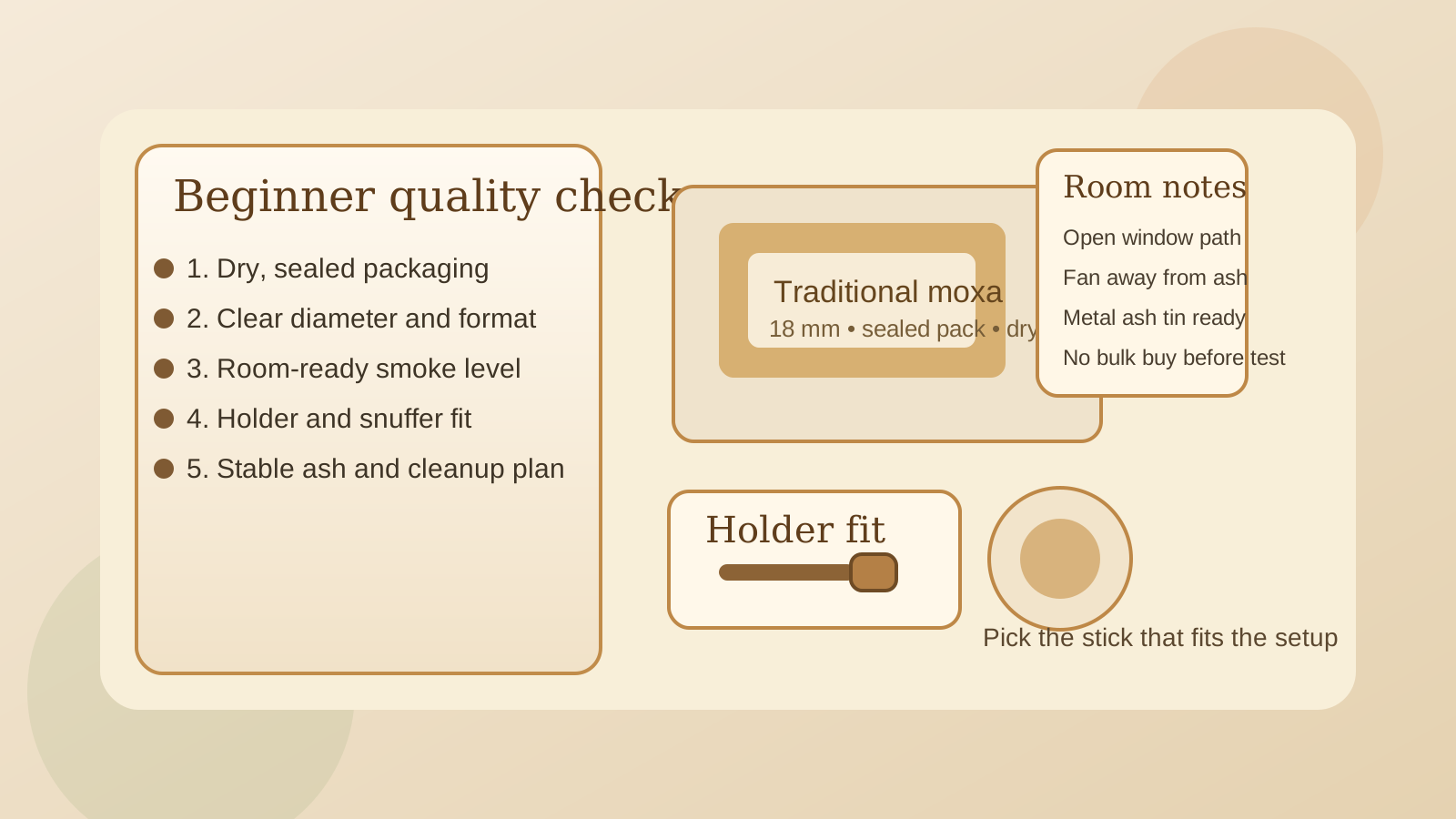
If you only remember one section from this guide, make it this one. A moxa stick holder should pass five practical checks before you buy it.
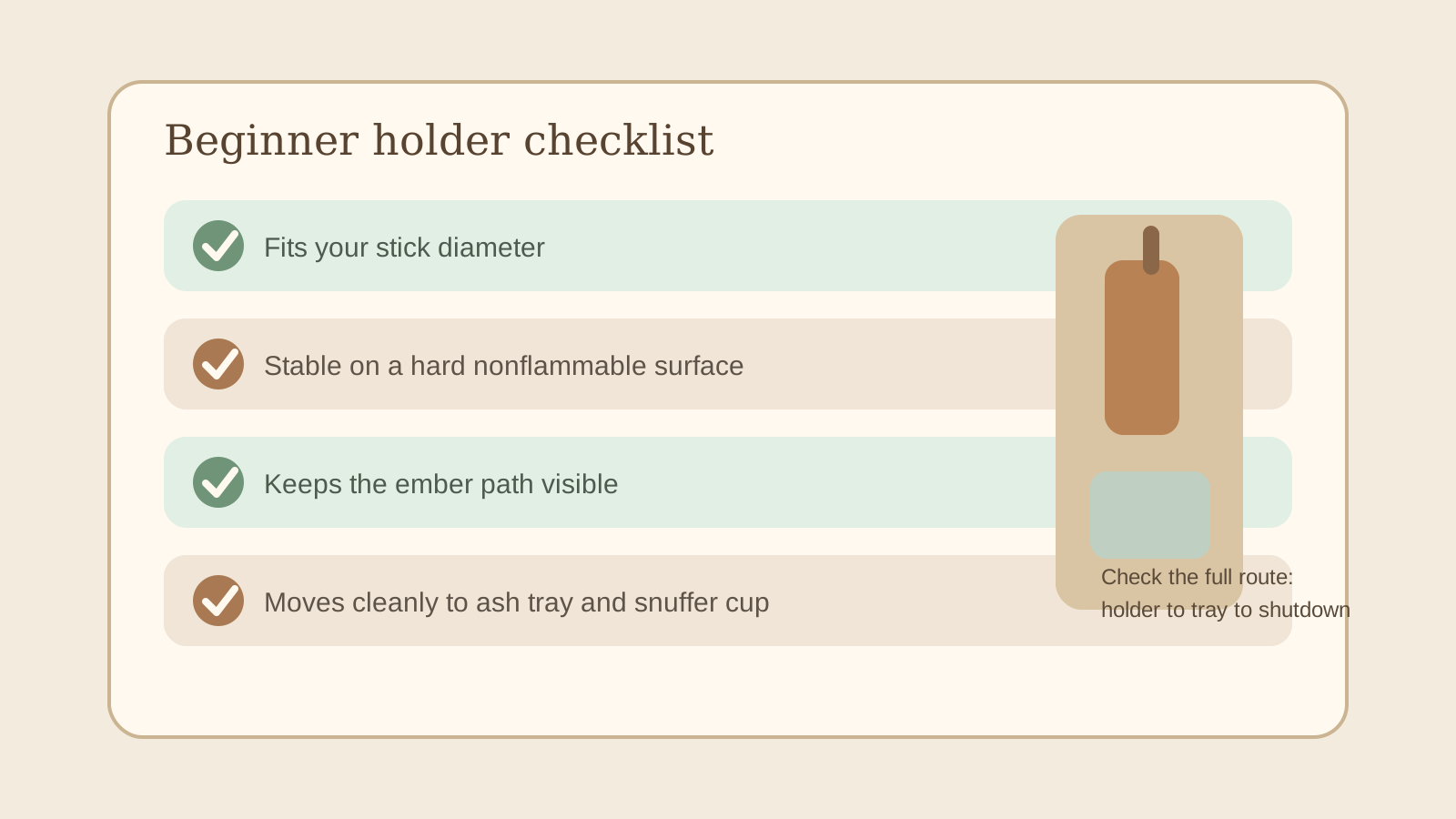
1. Stick fit
The holder should match the diameter and format of the stick you actually plan to use. If the grip is too loose, the stick can sag or rotate. If it is too tight, loading and unloading the stick can become clumsy near hot material. This is one reason how to choose good moxa sticks and holder choice overlap: the accessory is only as good as the fit between product and tool.
2. Stability on a real surface
The safest-looking product photo often says nothing about real stability. USFA guidance on smoking materials repeatedly emphasizes deep, sturdy ash containers and hard-to-burn support surfaces. That is not moxa-specific language, but the principle transfers well: a holder should sit on something sturdy and hard to ignite, not on bedding, couch arms, paper, or a narrow decorative shelf.
3. Visible heat path
You should be able to tell where the glowing tip is, where the heat is directed, and where ash is likely to land. A holder that hides the ember too completely can make a beginner less attentive, not more skilled.
4. Ash control and shutdown access
EPA indoor-air guidance notes that indoor pollutant levels rise when combustion sources release particles and ventilation is inadequate. For moxa, that means ash and smoke cleanup are part of tool choice. The holder should let you remove ash over a tray and move the lit stick cleanly into your extinguishing setup. If shutdown looks awkward in your head, it will look worse when the stick is actually hot. Review how often should you remove moxa ash and how to extinguish a moxa stick safely before buying a more complicated holder.
5. Cleaning and dry storage
Residue, trapped ash, and moisture all make tools harder to trust. Choose a holder that can be inspected easily after each session and stored dry alongside the rest of your kit.
What beginners should avoid misunderstanding
The biggest mistake is confusing a holder with permission to go hands-free. That is not what a holder is for.
USFA fire-safety materials stress that hot smoking materials and ashes should be fully out before disposal and should not be tossed casually into the trash. The lesson for moxa is the same: a holder can support control, but it does not replace supervision, a metal or ceramic ash setup, or a deliberate shutdown routine. If your real goal is to reduce smoke, a holder will not fix a bad room. In that case, moxa stick indoor ventilation tips and how to reduce moxa smoke at home matter more than any accessory.
Another common misunderstanding is that a more enclosed holder is always better for beginners. Sometimes it is. Sometimes it simply hides problems.
When a holder is useful and when simpler is better
Some beginners genuinely do better with a holder because it improves reach, comfort, or ash discipline.
A holder is usually worth trying when:
- you have already planned a nonflammable work surface,
- the tool clearly fits your stick size,
- you know how you will catch ash and extinguish the ember,
- the holder improves grip or stability without blocking visibility.
Simpler may be better when:
- you are still learning what normal ash behavior looks like,
- your room is small and already hard to ventilate,
- the accessory adds weight or wobble,
- you suspect you are buying the holder to feel safer rather than to be more controlled.
That is why the “best” holder is rarely the most elaborate one. It is the one that supports a cautious routine you can actually repeat.
A simple buying rule for most beginners
If you want one rule, use this: buy the holder that makes your shutdown easier, not the one that only makes the product page look more advanced.
For most beginners, that means choosing a holder only if it improves stability, ash visibility, and clean transfer to your ash tray or snuffer. If it complicates loading, hides the ember, or encourages unattended use, skip it and keep the setup simpler.
Sources and further reading
Source tiers: A/B. The holder comparisons above are practical home-use inferences built from general indoor-air and fire-safety guidance plus broader moxibustion safety context.
- U.S. Environmental Protection Agency: Introduction to Indoor Air Quality
- U.S. Environmental Protection Agency: Sources of Indoor Particulate Matter (PM)
- U.S. Fire Administration: Smoking Fire Safety
- U.S. Fire Administration: Pictograph - Discard Ashes Safely
- National Center for Complementary and Integrative Health: Traditional Chinese Medicine
- PubMed Central: Safety of Moxibustion - A Systematic Review of Case Reports
Common questions
What is the best moxa stick holder for beginners?
Usually the best beginner holder is the one that feels stable on a hard surface, matches the diameter of the stick you bought, and makes ash and shutdown easier rather than more complicated.
Do I need a holder to use a moxa stick?
Not always. Some people prefer careful hand-held use, especially while learning distance control. A holder is helpful only if it improves stability and handling in your actual room setup.
Is a moxa box the same as a moxa stick holder?
Not exactly. A moxa box is a broader container-style tool that changes how warmth spreads, while many holders are simpler accessories that grip or support one stick.