Quick answer
A moxa box can make heat feel broader and more contained than a handheld stick, but beginners should still treat it as a live heat source: start with a stable setup, use light loading, check warmth often, and stop early if smoke or heat becomes hard to manage.
Key takeaways
- A moxa box is a holder for burning moxa, not a set-it-and-forget-it device, so supervision matters from setup through shutdown.
- Beginners do better with short sessions, modest loading, and frequent heat checks instead of trying to make the box feel very hot.
- Ventilation, ember control, and full extinguishing are still essential because a box changes heat style, not the basic fire and smoke rules.
A moxa box can look simpler than a handheld moxa stick because the burning material sits inside a holder instead of being moved by hand. That visual neatness can be misleading. A box still creates heat, smoke, ash, and ember risk, so the safest beginner approach is to use it as a carefully supervised warming tool, not as a passive device.
In plain terms, learning to use a moxa box at home means learning three things first: how to set up a stable surface, how to keep the warmth gentle enough to monitor, and how to end the session cleanly before ash or heat becomes a problem.
What a moxa box actually changes
A moxa box changes how the warmth is delivered, not whether basic moxa safety still applies. Instead of hovering a burning stick by hand, the box holds the burning material inside a chamber or frame so the heat can collect and spread more broadly.
That can feel more convenient, but it also means the heat may build more quietly. With a handheld stick, your hand is constantly adjusting distance. With a box, you need to check the setup on purpose because the device can stay in one position while the warmth increases.
This is why the earlier comparison in moxa box vs moxa stick matters: the box offers containment, but it does not remove the need for judgment.
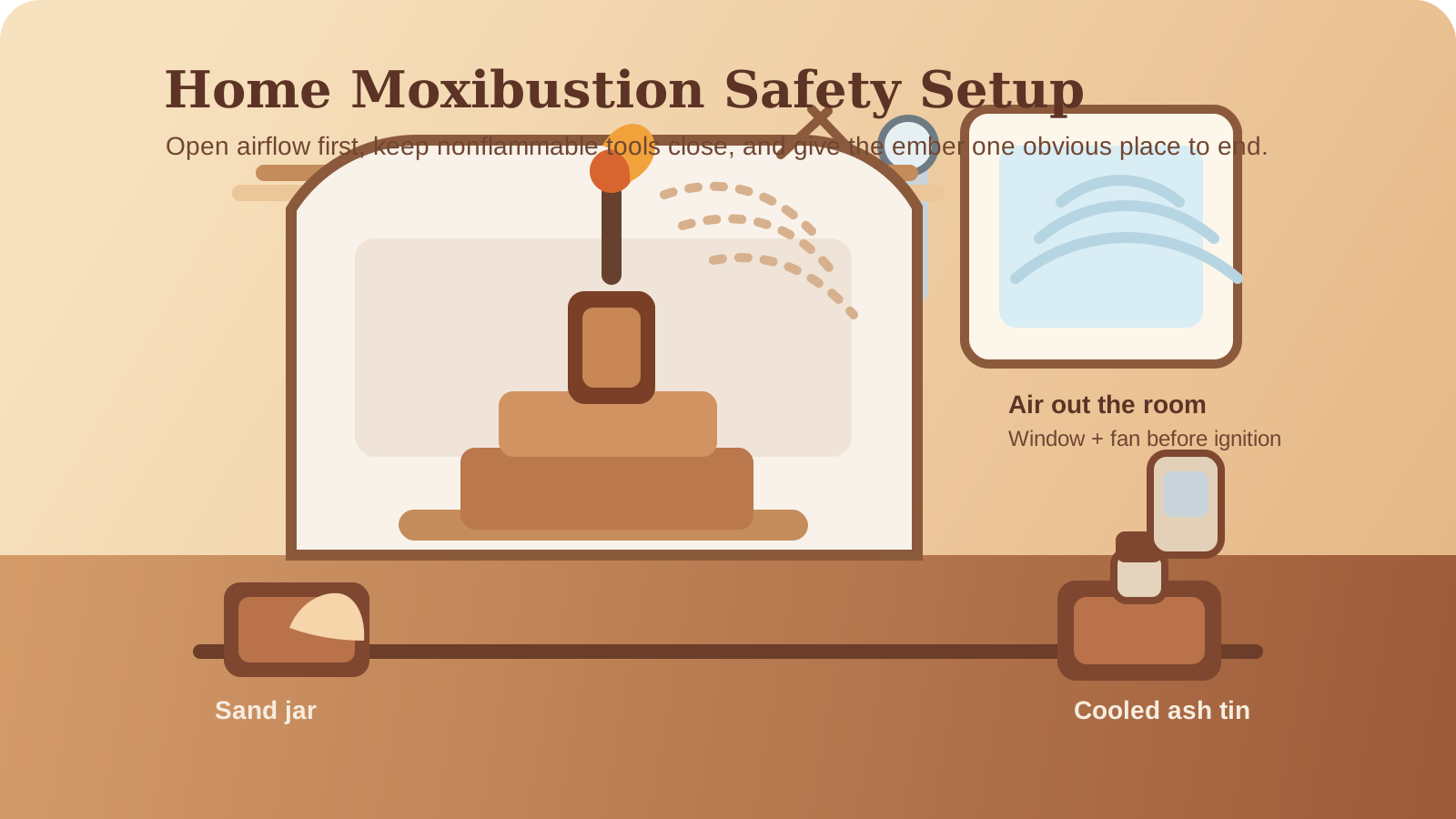
Step 1: Prepare the room before you load the box
The room setup matters before the box is even lit.
Use this starting checklist:
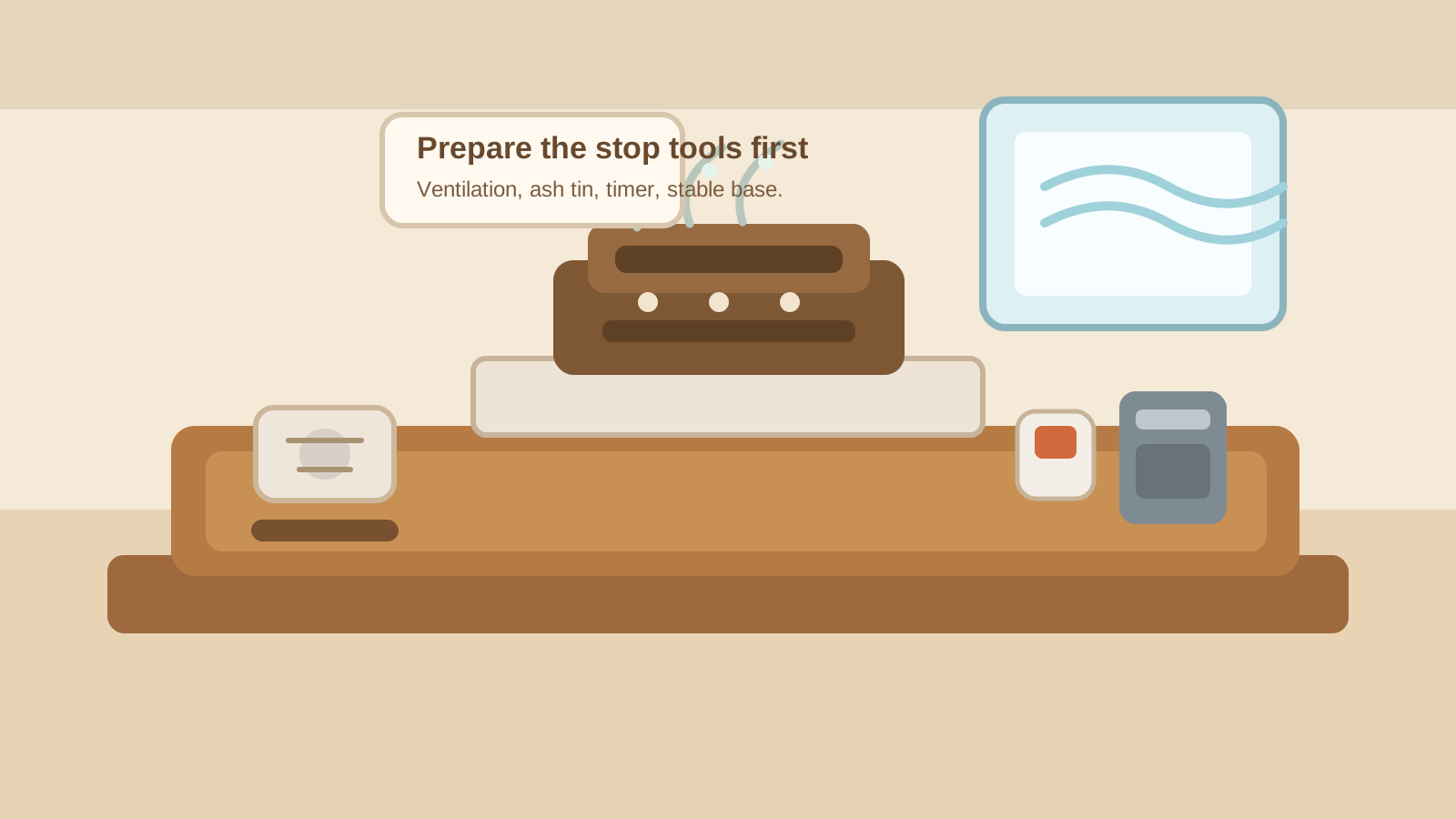
- Put the box on a stable, nonflammable base or surface support that suits the device.
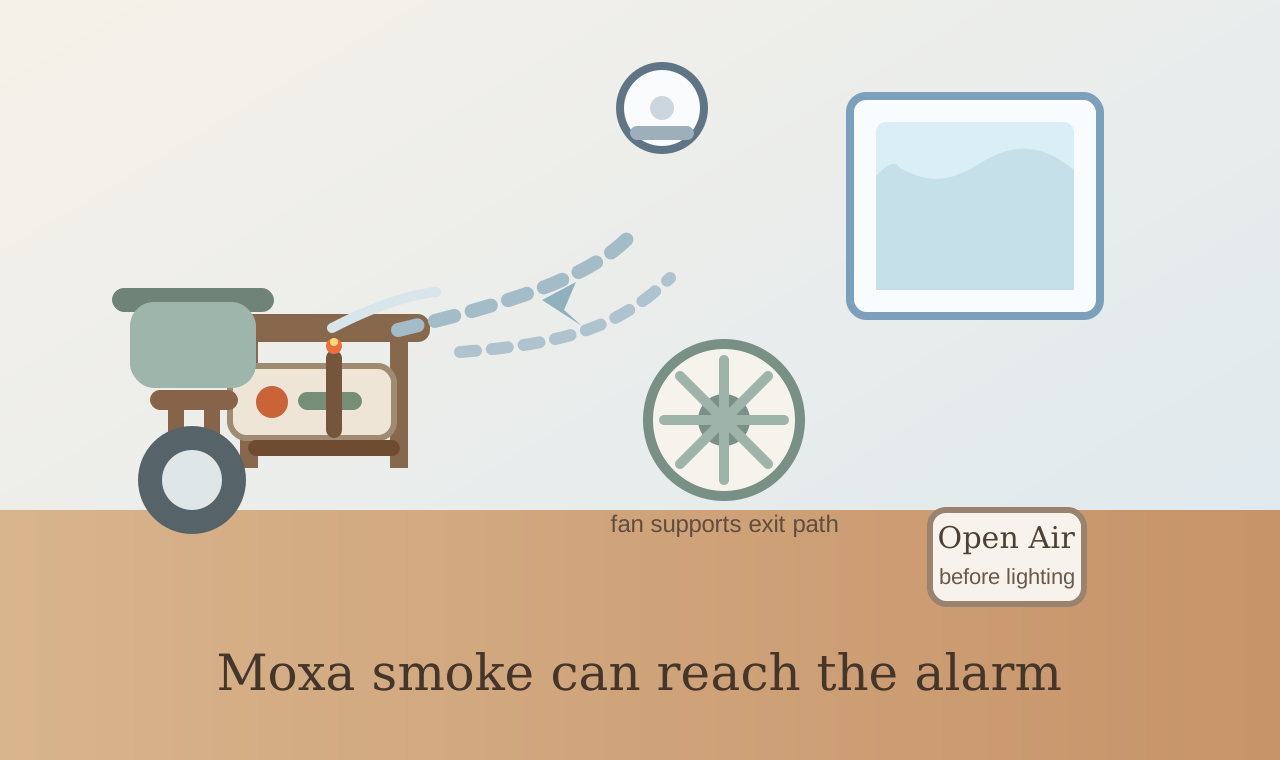
- Open the ventilation path first so smoke can leave the room.
- Keep an ash tray, snuffer, or sand-filled extinguishing cup within reach.
- Move towels, paper, bedding, and loose clothing away from the working area.
- Set a timer so the first session stays short and deliberate.
The U.S. Environmental Protection Agency explains that indoor pollution sources and inadequate ventilation are major causes of indoor air problems. That general rule applies here because a moxa box still involves indoor combustion and smoke, even when the ember is partly enclosed.
Step 2: Start with a light load and a short first session
Beginners usually make better decisions when the first session is modest. Do not assume that more burning material means a better session. More material can simply mean more heat buildup, more smoke, and a harder shutdown.
Start with a conservative load that matches the box design and any product instructions. The goal of the first session is not intensity. The goal is to learn:
- how quickly the box warms up,
- how the room handles the smoke,
- how often you need to check ash and position,
- how easy the device is to stop and empty safely.
If the device feels vague or awkward at this stage, that is useful information. A home moxa tool should feel manageable before it ever feels powerful.
Step 3: Check warmth early and often
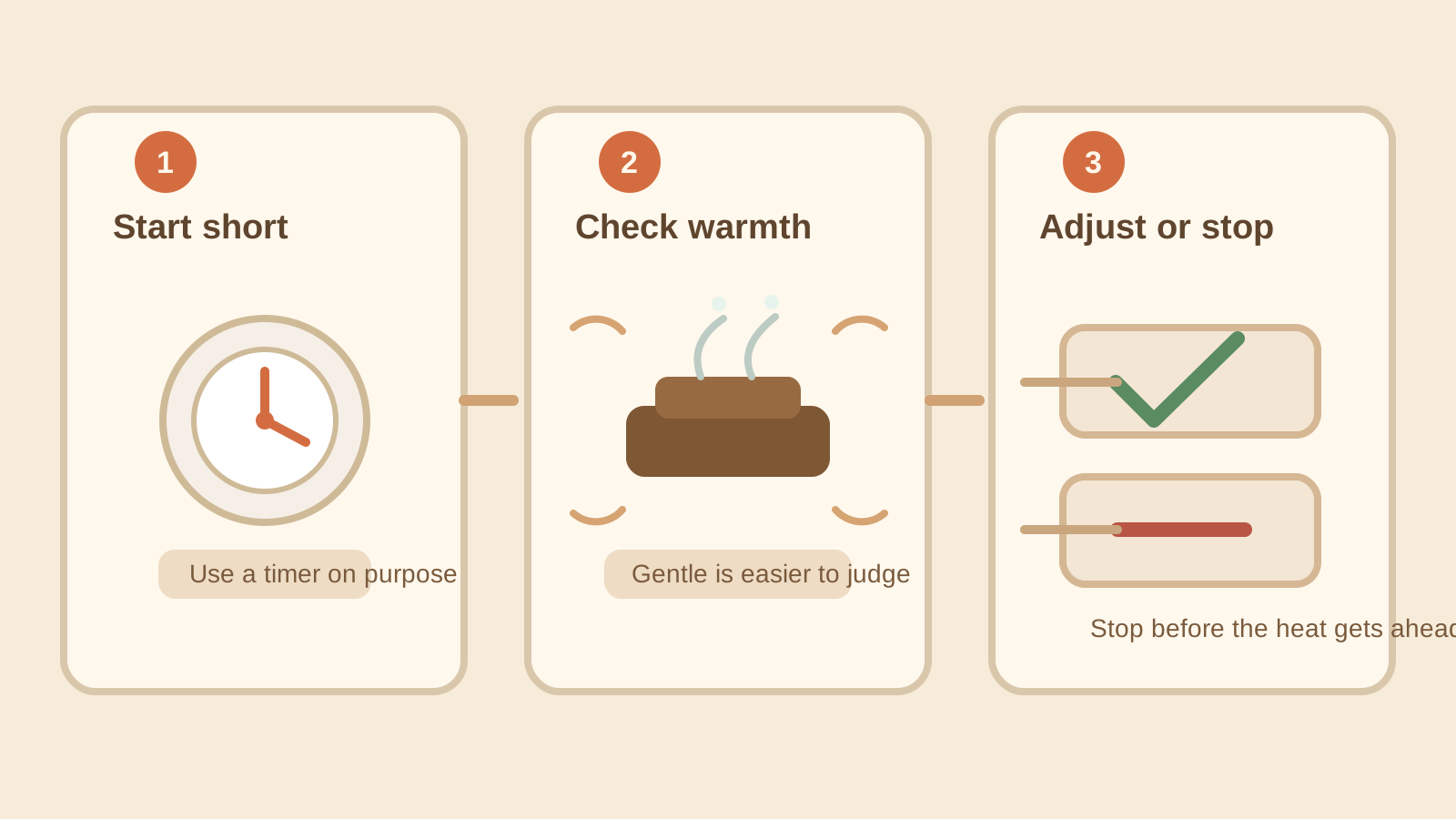
The first few minutes of a moxa box session should function as a calibration period.
Use a simple rhythm:
- Begin with a short interval.
- Pause and check whether the warmth still feels gentle and controlled.
- Reposition or stop if the heat is building faster than expected.
- End early rather than waiting for the box to feel uncomfortably hot.
This is where many beginners need to slow down. Because the box contains the burning moxa, the setup can look calm even when the heat is becoming stronger than it first seemed. A comfortable session should feel easy to interrupt.
Step 4: Watch smoke, ash, and surface stability the whole time
The box may hold the burning moxa more neatly, but the session still needs continuous supervision. Keep checking:
- whether smoke is building up faster than the room can clear it,
- whether ash is collecting in a messy or unstable way,
- whether the box still feels level and secure,
- whether the warmth is remaining gentle rather than drifting upward.
If the room becomes hazy, if the box shifts, or if the heat becomes difficult to judge, stop and reset. A systematic review of published case reports on moxibustion safety found that burns were among the reported adverse events, which is a useful reminder that contained heat still needs active monitoring.
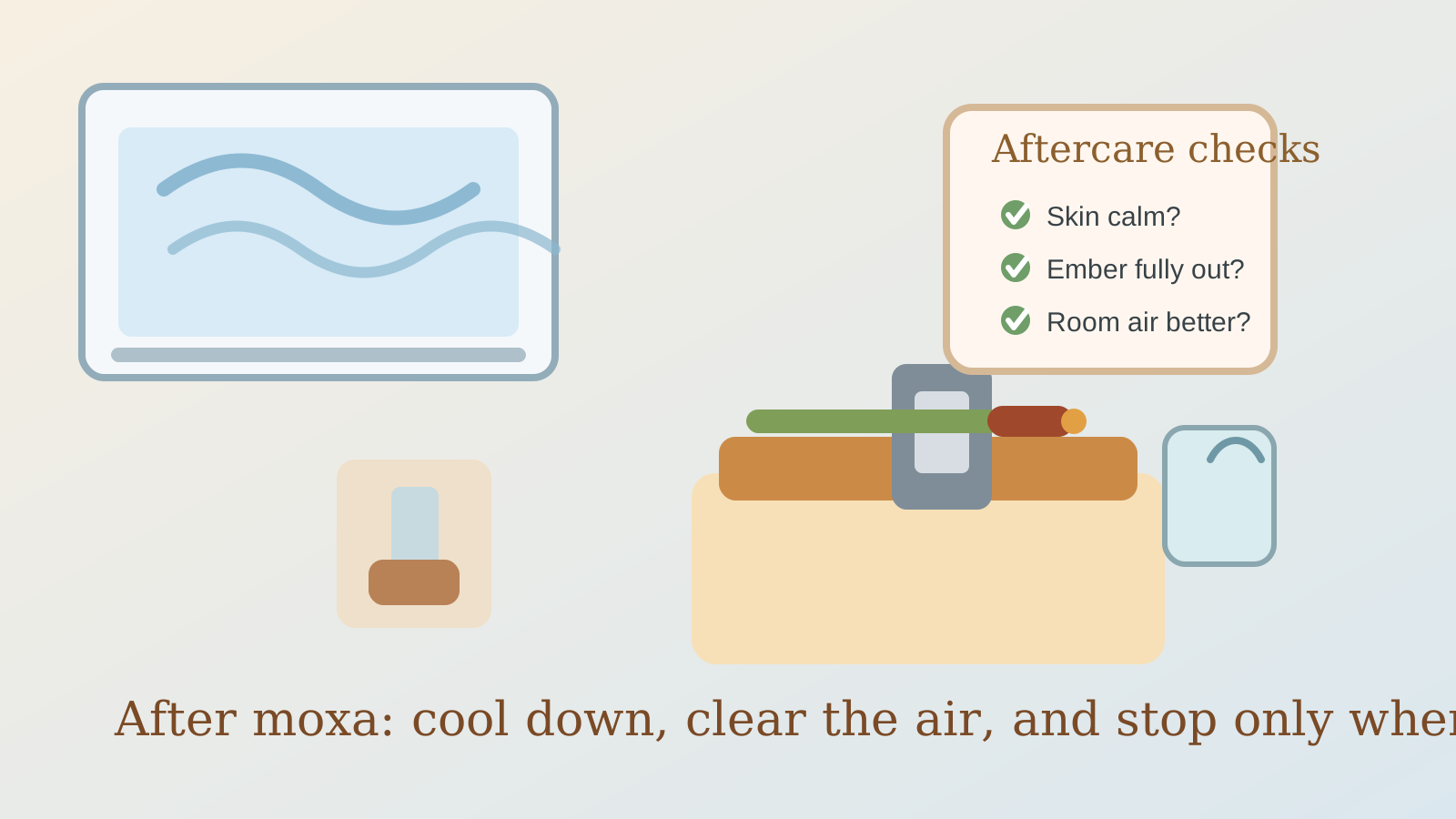
Step 5: Finish with a real shutdown routine
Do not treat the end of the session as an afterthought. The box may still hide residual heat even after the visible glow seems smaller.
At the end:
- Stop the session fully instead of trying to stretch the last few minutes.
- Extinguish or isolate the burning material using your planned ash-safe method.
- Let the device and ash cool completely before cleanup.
- Move cooled ash into a tightly covered metal container.
- Keep that container away from the house until disposal is clearly safe.
The U.S. Fire Administration gives similar conservative guidance for ash disposal: cool ashes first, use a tightly covered metal container, and keep it away from the home and nearby buildings. That is a strong rule for any ember-producing home routine, including moxa.
When not to force a home moxa box session
Skip the session if the room is cramped, the surface is unstable, or the smoke path is poor. Also stop if you are having trouble judging the heat clearly or if the device feels more complicated than you expected.
A moxa box should make the setup more organized, not more confusing. If it does not, go back to simpler basics such as how to light a moxa stick safely, moxa stick indoor ventilation tips, and how to extinguish a moxa stick safely.
Simple beginner rule
Use the box in a way that makes it easy to stop early.
That one rule usually leads to better decisions about loading, timing, ventilation, and shutdown. A moxa box can be a practical tool, but only when the beginner uses it as a controlled heat setup rather than a convenience shortcut.
Sources and further reading
- Beijing Hospital of Traditional Chinese Medicine: 艾灸疗法
- U.S. Environmental Protection Agency: Introduction to Indoor Air Quality
- U.S. Fire Administration: Pictograph: Discard Ashes Safely
- PubMed: Safety of moxibustion: a systematic review of case reports
Common questions
Is a moxa box easier than a handheld moxa stick?
It can feel easier because the heat is more contained, but it also asks for steadier setup and closer checking because the warmth can build up without obvious hand movement.
How much moxa should a beginner put in a moxa box?
Start conservatively with the smallest amount that the device instructions support so you can judge warmth, smoke, and timing before trying a longer session.
Can I leave a moxa box in place while I do something else?
No. A moxa box still contains burning material, so it should be watched continuously and stopped early if the heat or smoke stops feeling controlled.