Quick answer
A handheld moxa stick is usually easier for beginners because it can be moved away quickly, while a moxa box offers more contained, hands-free warmth but needs a steadier setup and closer monitoring.
Key takeaways
- A moxa stick gives faster control over distance, angle, and timing, which is why it is often easier for beginners to understand.
- A moxa box can free the hands and spread warmth across a broader area, but that convenience depends on stable placement, careful supervision, and realistic smoke control.
- Neither tool removes the need for ventilation, ash handling, and a reliable extinguishing plan.
If you are deciding between a moxa box and a handheld moxa stick, the simplest answer is this: a stick is usually easier to learn, while a box may feel more convenient once you already understand heat control and setup discipline.
That difference matters because both tools use burning moxa, but they change how the heat reaches the body and how much attention the user has to give the session moment by moment. For a beginner, “easier” usually means easier to adjust, easier to stop, and easier to understand when the setup is becoming too hot or too smoky.
Quick comparison
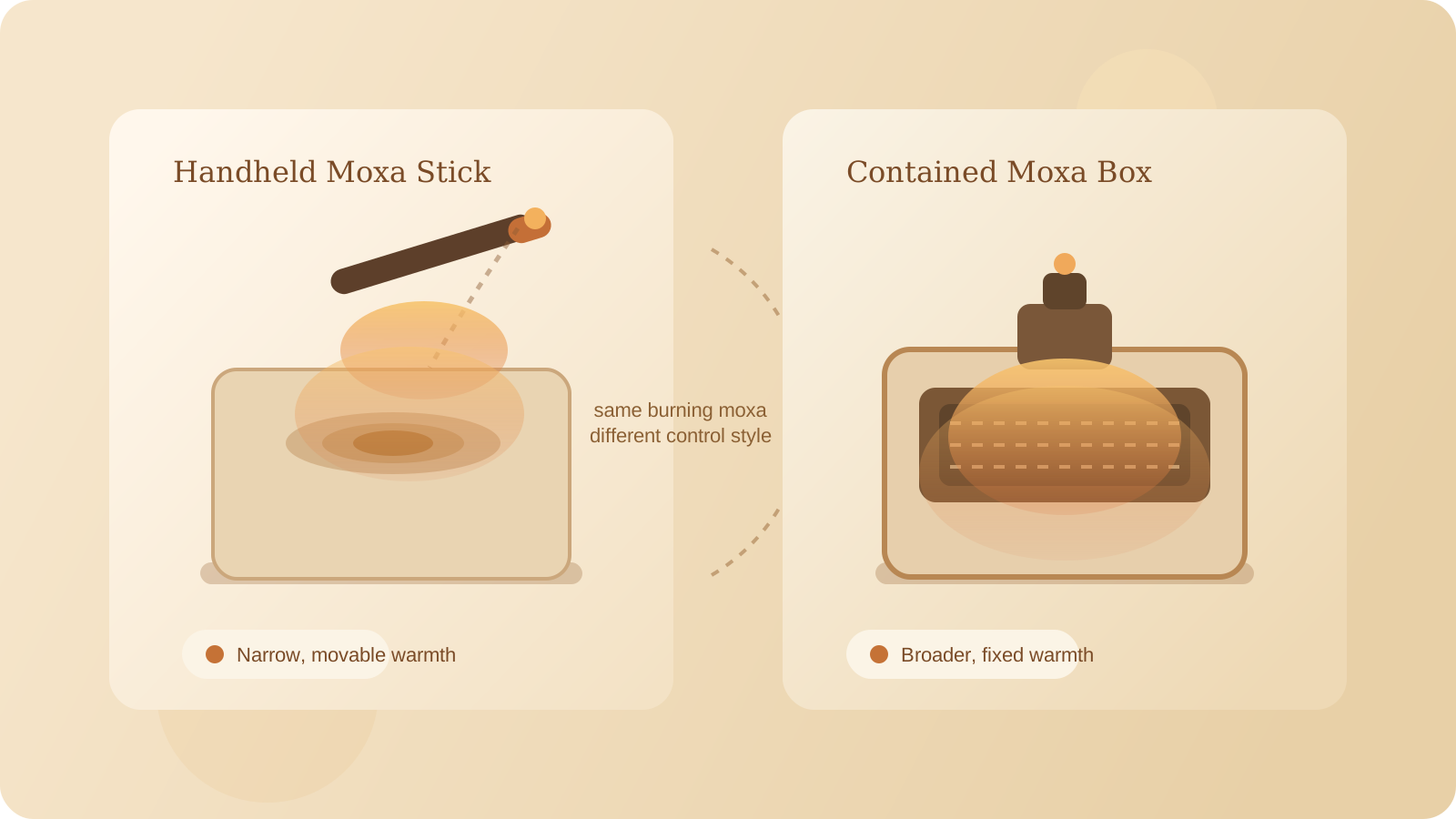
The beginner-friendly difference is mostly about control style.
- A moxa stick is held by hand. You adjust distance, angle, and movement continuously.
- A moxa box holds burning moxa inside a container or frame so warmth can be directed more broadly and with less hand movement.
That does not make one tool universally better. It means each tool asks for a different kind of attention.
What a handheld moxa stick does well
A handheld stick is easier to understand because the feedback loop is immediate. If the warmth feels too strong, the stick can be moved away at once. If the room feels smoky, the session can be paused quickly. If ash looks unstable, you can stop and clear it before continuing.
This is why sticks are often the more practical first tool for home learners:
- the heat can be made gentler by increasing distance,
- the target area can be changed without moving a whole device,
- short sessions are simple to manage,
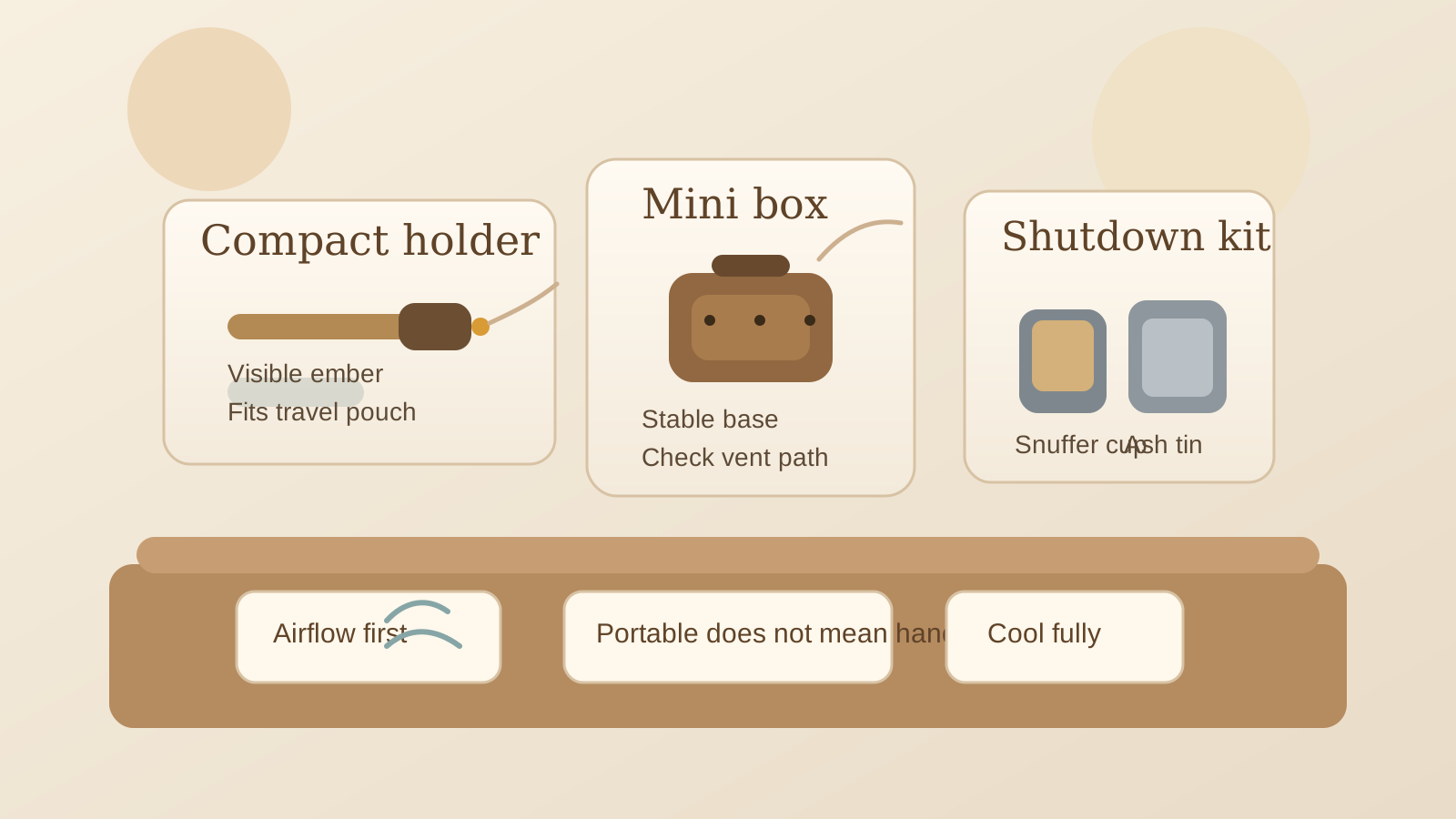
- shutdown is straightforward when a snuffer or sand cup is ready.
The tradeoff is that the user has to stay engaged the entire time. A stick requires the hand, the eyes, and the room setup to work together. It is not passive.
What a moxa box changes
A moxa box shifts the experience from moving heat to contained heat. Instead of hovering a burning stick above one point at a time, the box holds the burning material in a chamber or holder and lets warmth collect inside the device before reaching the body.
For some people, that feels more convenient because:
- both hands may be freer,
- the warmth can feel broader and steadier,
- the burning material may feel less exposed than a loose handheld stick.
But a moxa box also reduces your ability to make tiny adjustments instantly. If the setup is too warm, you are not only moving a stick farther away. You may need to lift, reposition, pause, or fully stop the device. That is why “hands-free” should never be confused with “attention-free.”
Which tool gives better control?
For beginners, the handheld stick usually wins on control.
The reason is simple: control is not only about where the heat goes. It is also about how quickly the user can correct a mistake. A stick lets you respond in real time. A box asks you to trust the setup more before the session begins.
That makes the stick easier in small learning situations such as:
- testing how much warmth feels comfortable,
- practicing short sessions,
- learning how smoke behaves in a room,
- building good extinguishing habits.
A box can still be useful, but it usually makes more sense after someone already respects the basic variables of moxa use: heat buildup, smoke, ash, surface stability, and timing.
Which tool is better for smoke and ventilation?
Neither tool solves the smoke question on its own.
The U.S. Environmental Protection Agency notes that indoor pollution sources that release gases or particles are a primary cause of indoor air quality problems and recommends maintaining ventilation and properly venting combustion sources. That matters here because both a box and a stick involve burning plant material indoors.
A box may contain the ember more neatly, but it can still let smoke accumulate if:
- the room is small,
- the airflow is weak,
- the session runs too long,
- the device is loaded with too much burning moxa.
A handheld stick may look smokier because the burning tip is visible, but it can also be easier to pause early if the room starts feeling heavy. In other words, smoke management depends more on ventilation, session size, and ash handling than on the tool name alone.
If smoke control is your main concern, it helps to read how to reduce moxa smoke, do moxa sticks smell, and how to extinguish a moxa stick safely.
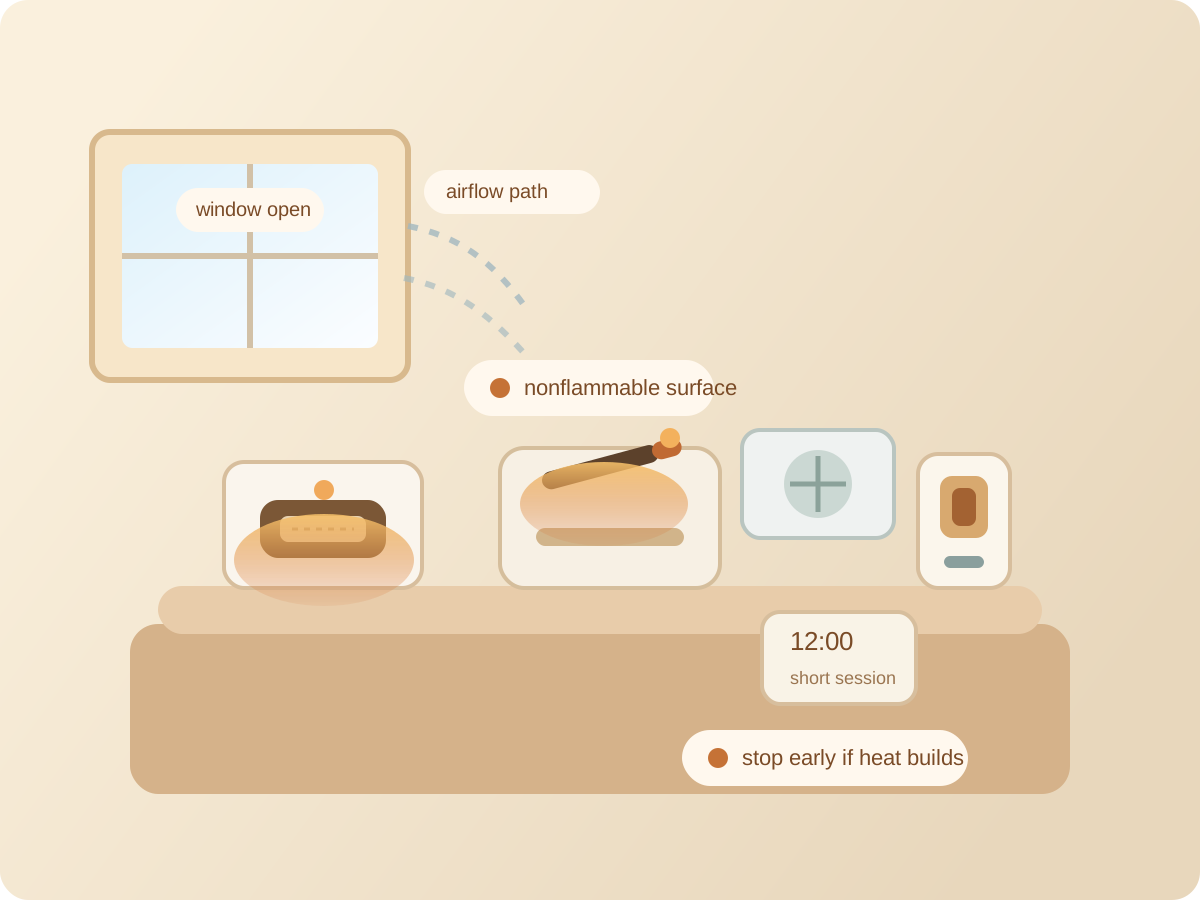
Supervision matters more with a box
One beginner mistake is assuming that a box is automatically safer because the burning moxa is partly enclosed. In reality, a box often needs more setup discipline:
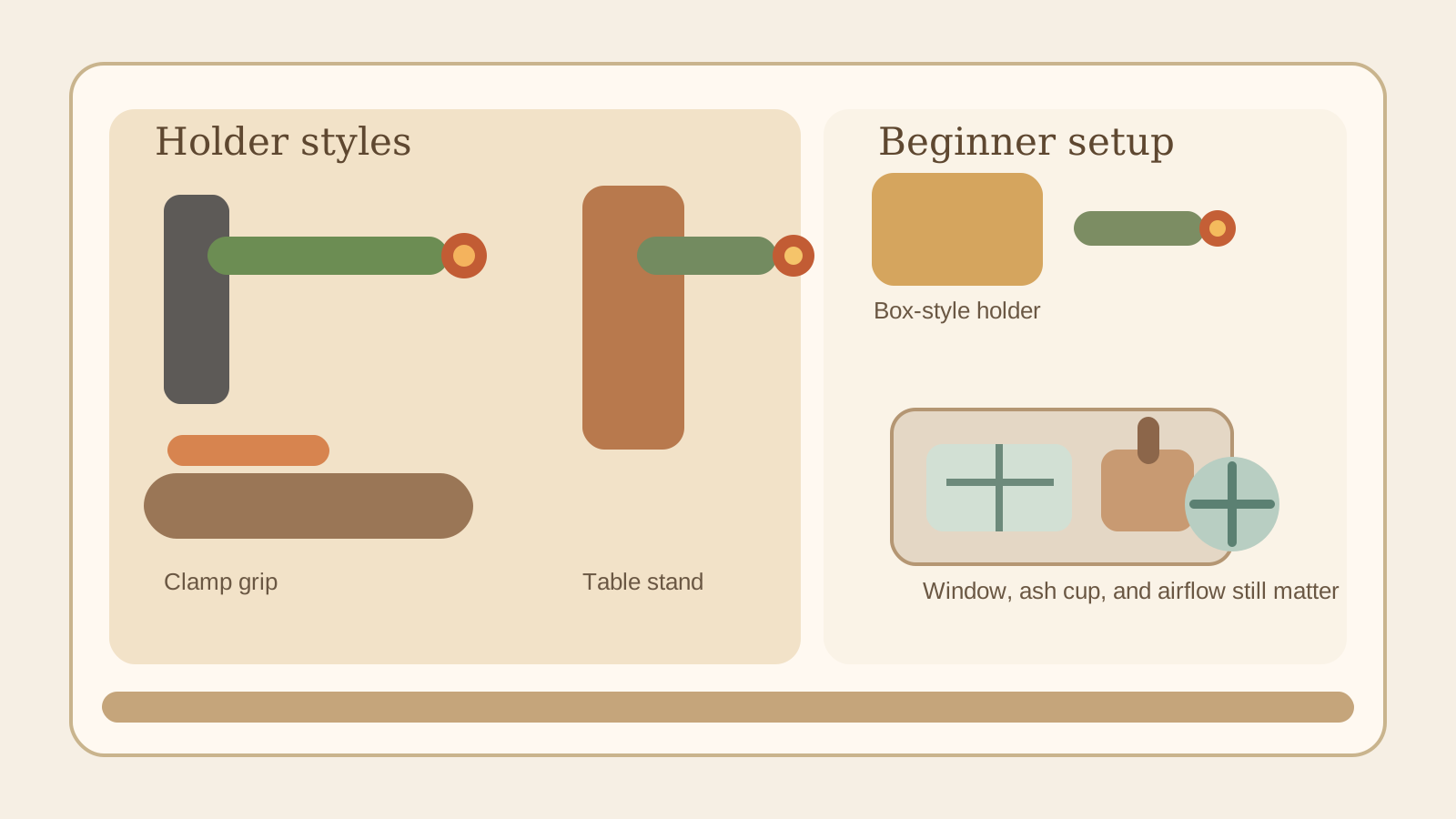
- it should rest on a stable, nonflammable surface or approved support,
- it should never be left unattended,
- its heat buildup should be checked regularly,
- the room still needs airflow,
- removal can be awkward if the device becomes too hot unexpectedly.
That is the real tradeoff. The box reduces some hand effort but increases the importance of placement, fit, and supervision.
Which one is easier at home?
For most first-time home users, a handheld moxa stick is easier.
That recommendation is not because the stick is harmless. It is because the stick makes the core lesson more obvious: moxa is a live heat source that has to be watched continuously. A beginner can learn distance, timing, smoke tolerance, ash behavior, and extinguishing more directly.
A moxa box may suit someone who already:
- understands basic moxa safety,
- has a stable surface and room setup,
- wants broader contained warmth,
- is realistic about monitoring the device closely.
So the better question is not “Which tool is more advanced?” It is “Which tool makes it easiest for me to stay in control?”
A simple buying rule
Choose the tool that makes you more likely to stop early, ventilate properly, and correct heat problems quickly.
If that sounds basic, it should. The safest beginner progress usually starts with simpler control, not with a more complicated accessory.
For a broader home-use overview, continue with what is a moxa stick, how to light a moxa stick safely, and moxibustion safety basics.
Sources and further reading
- Beijing Hospital of Traditional Chinese Medicine: 艾灸疗法
- U.S. Environmental Protection Agency: Indoor Pollutants and Sources
- PubMed: Safety of moxibustion: a systematic review of case reports
Common questions
Is a moxa box safer than a handheld moxa stick?
Not automatically. A box can contain the burning material more neatly, but it still creates heat, smoke, and ember risk and should never be treated as a set-it-and-forget-it tool.
Which tool is easier for a beginner to learn first?
For most beginners, a handheld moxa stick is easier because the distance from the body can be adjusted immediately and the session can stop quickly.
Does a moxa box create less smoke than a moxa stick?
It may change how smoke is contained or directed, but it does not make ventilation optional. The product design, burn size, room airflow, and session length still matter.