Quick answer
Portable moxibustion devices can be useful only when portability does not come at the cost of stability, visible ash control, ventilation, or a clean shutdown. For most beginners, the right portable tool is the one that stays simple and still makes supervision easy.
Key takeaways
- Portable does not mean use-anywhere. A smaller moxa tool still needs a stable surface, airflow, and a deliberate shutdown routine.
- Beginners should separate true portable burning-moxa tools from electric warming gadgets that borrow moxa language but work differently.
- The best portable device is usually the easiest one to inspect for fit, ash path, cleaning, and full extinguishing, not the one with the most marketing claims.
If you want the plain answer first, a portable moxibustion device is only worth buying if it stays easy to supervise after it gets smaller. Portability can help with storage and setup, but it does not remove the normal rules around heat, smoke, ash, ventilation, and full extinguishing. For most beginners, the best portable option is a simple, stable tool that still makes the burning end predictable.
That matters because “portable” is a vague shopping word. Some listings mean a small holder or mini box for traditional burning moxa. Others mean enclosed tools, travel kits, or even electric warmers that borrow moxa language without using a lit stick in the same way. If you do not sort those categories first, it is easy to buy a device that solves the wrong problem.
What “portable moxibustion device” usually means
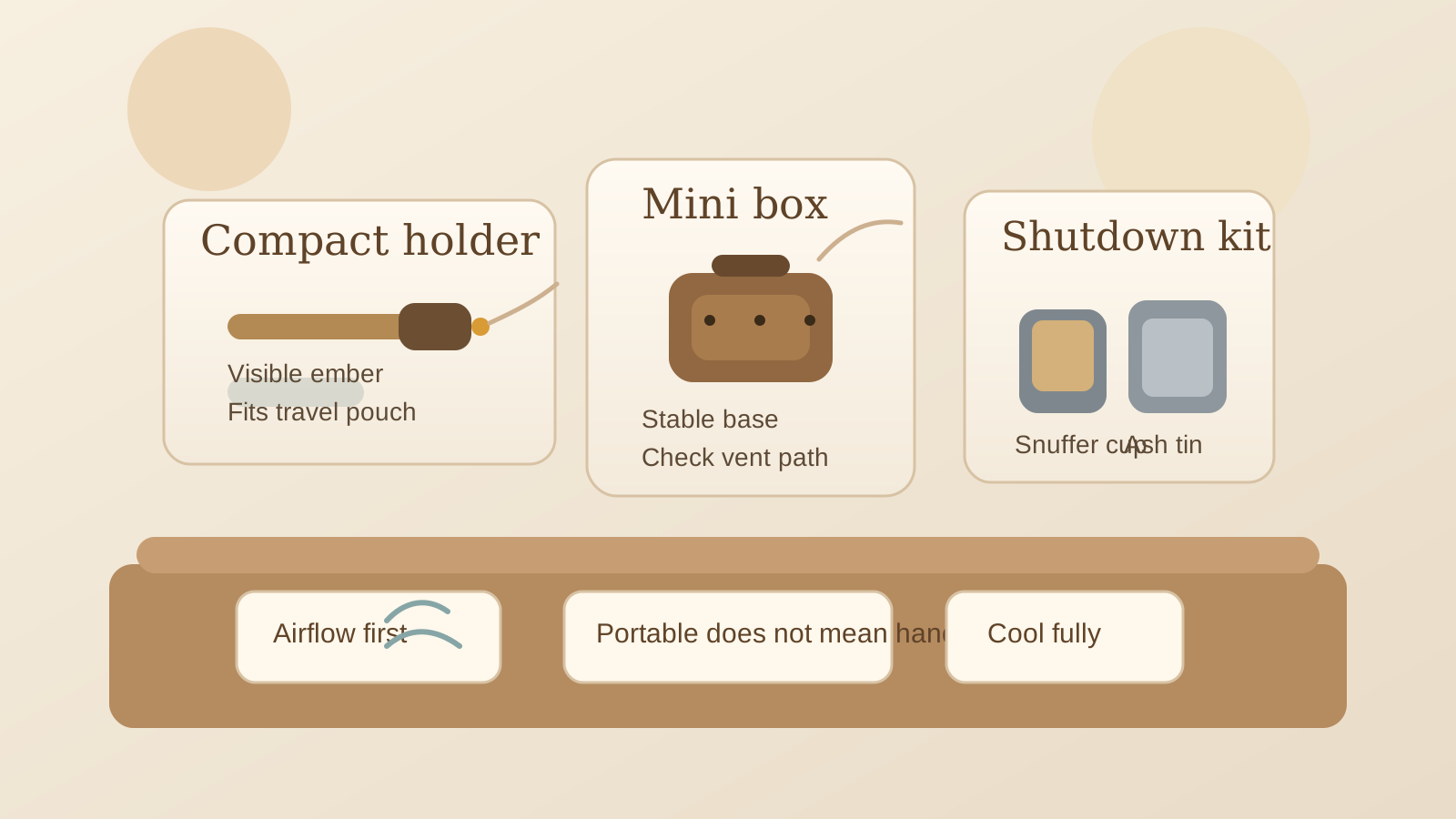
In real shopping language, portable moxibustion devices usually fall into three buckets.
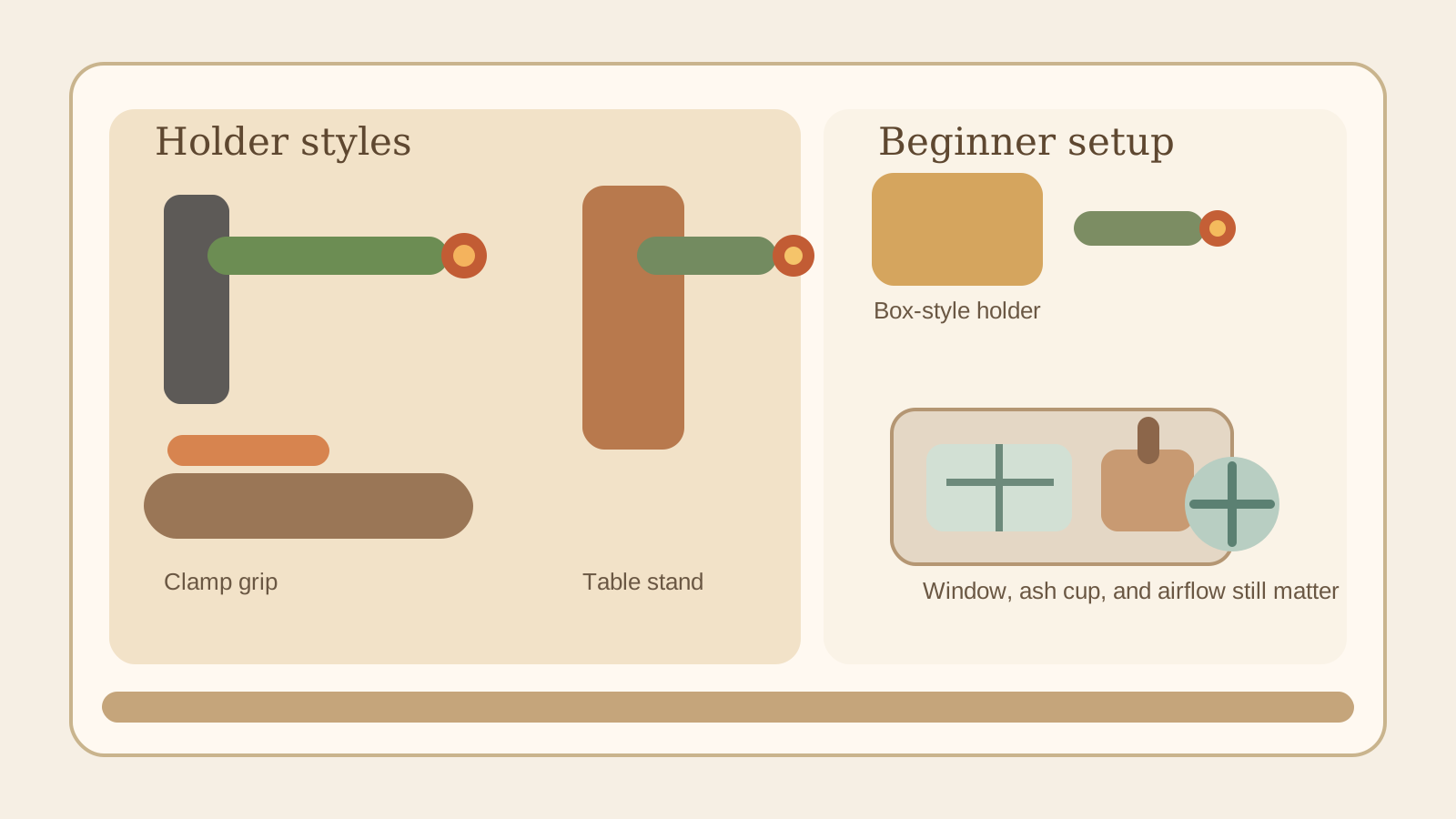
The first bucket is a compact accessory for traditional moxa, such as a small clamp holder, travel stand, or short holder that fits in a kit. These still use burning moxa and follow the same basic rules as a normal home setup. They are simply easier to carry or store.
The second bucket is a small enclosed or semi-enclosed tool, often a mini box, tube, or travel container that changes how the heat is directed. These can feel tidier, but they also make fit, vent design, and heat buildup more important. Readers comparing this style with broader beginner tools should also review best moxibustion tools for beginners, moxa box vs moxa stick, and the /categories/buying-guide/ hub.
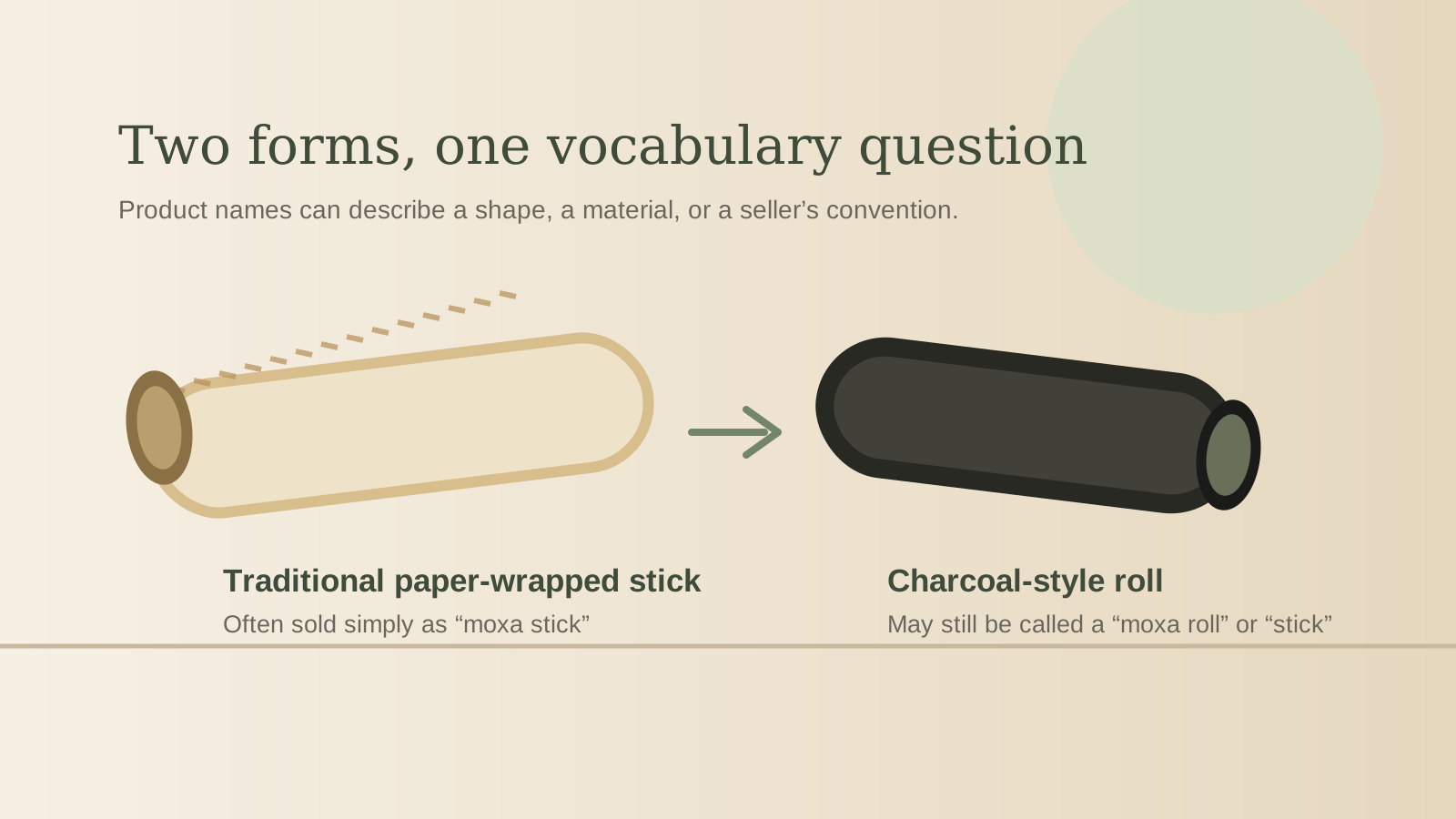
The third bucket is a warming device sold with moxa wording. Some products use electric heat, refill packs, or a different heating system entirely. That does not automatically make them bad. It just means they are not interchangeable with a portable holder for a burning moxa stick. The first buying job is to identify the actual heat source.
That distinction protects search intent. If you searched for portable moxibustion devices because you want a travel-size burning-moxa setup, you do not need a general wellness gadget. You need a smaller tool that still behaves predictably when hot.
Which portable formats usually make the most sense
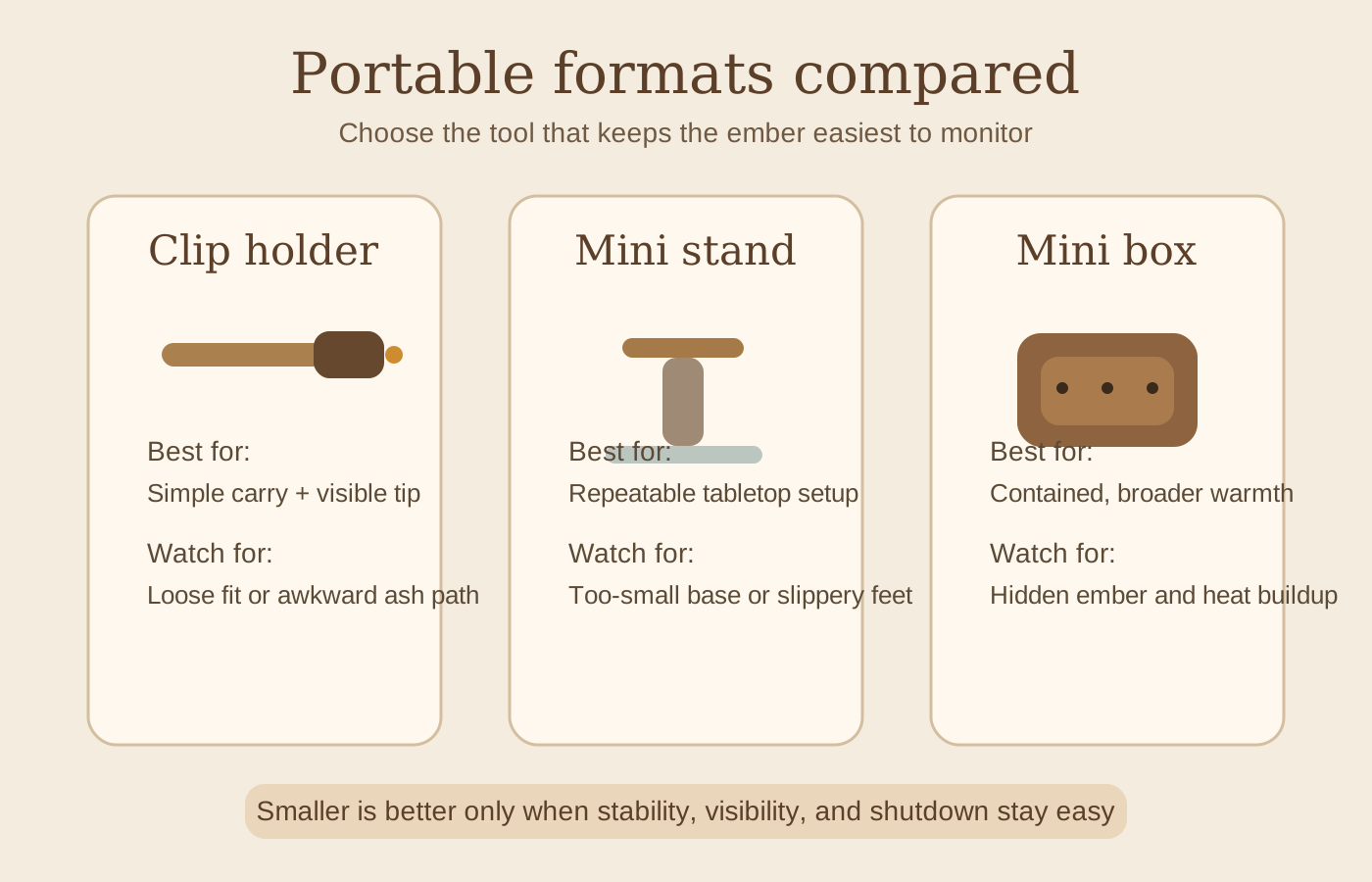
The best portable format is usually the one that reduces bulk without hiding the important safety cues.
Compact clamp or clip holders
These are often the easiest portable option for beginners because they do not change the whole method. They simply give the user a smaller handling tool that can travel in a pouch or hard case.
They work best when:
- the clamp clearly matches the stick diameter,
- the handle stays cool enough for normal control,
- the burning end remains visible,
- the ash can still fall into a ceramic or metal tray without guessing.
This style stays closest to the logic in moxa stick holder guide and is often easier to understand than a more enclosed portable tool.
Mini stands or tabletop supports
These can be useful if your goal is storage efficiency and repeatable setup on a hard surface. The problem is that “small” sometimes means “tippy.” A mini stand that saves space but becomes easier to knock over is not portable in any helpful sense.
Before buying one, ask whether the footprint is wide enough, whether the base slides on a smooth table, and whether ash will drop where you expect.
Mini boxes or enclosed travel tools
These may appeal to shoppers who want a tidier-looking kit. Sometimes they are reasonable. Sometimes they simply compress the same combustion issues into a smaller container.
For beginners, mini boxes make sense only when the device:
- rests securely on a hard, nonflammable surface,
- allows enough airflow for a steady burn without trapping excess heat,
- can be opened, cleared, and shut down without awkward handling,
- does not tempt you to treat portable as hands-free.
If your real reason for shopping portable is smoke reduction, be careful. Smaller or enclosed tools do not automatically solve odor. Smokeless moxa vs traditional moxa, moxa stick indoor ventilation tips, and how to reduce moxa smoke at home are more relevant than the word portable by itself.
The buying checks that matter more than size
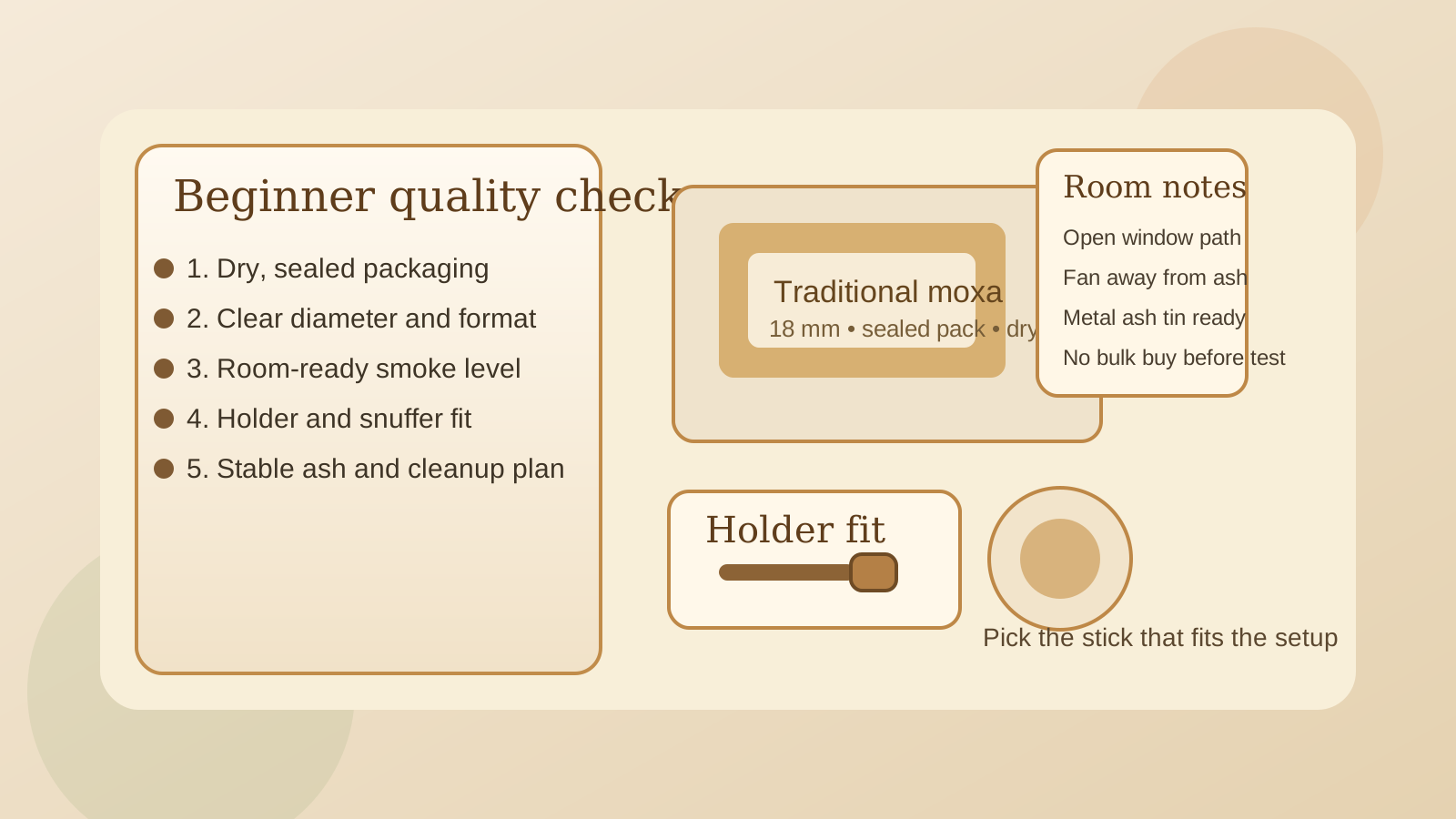
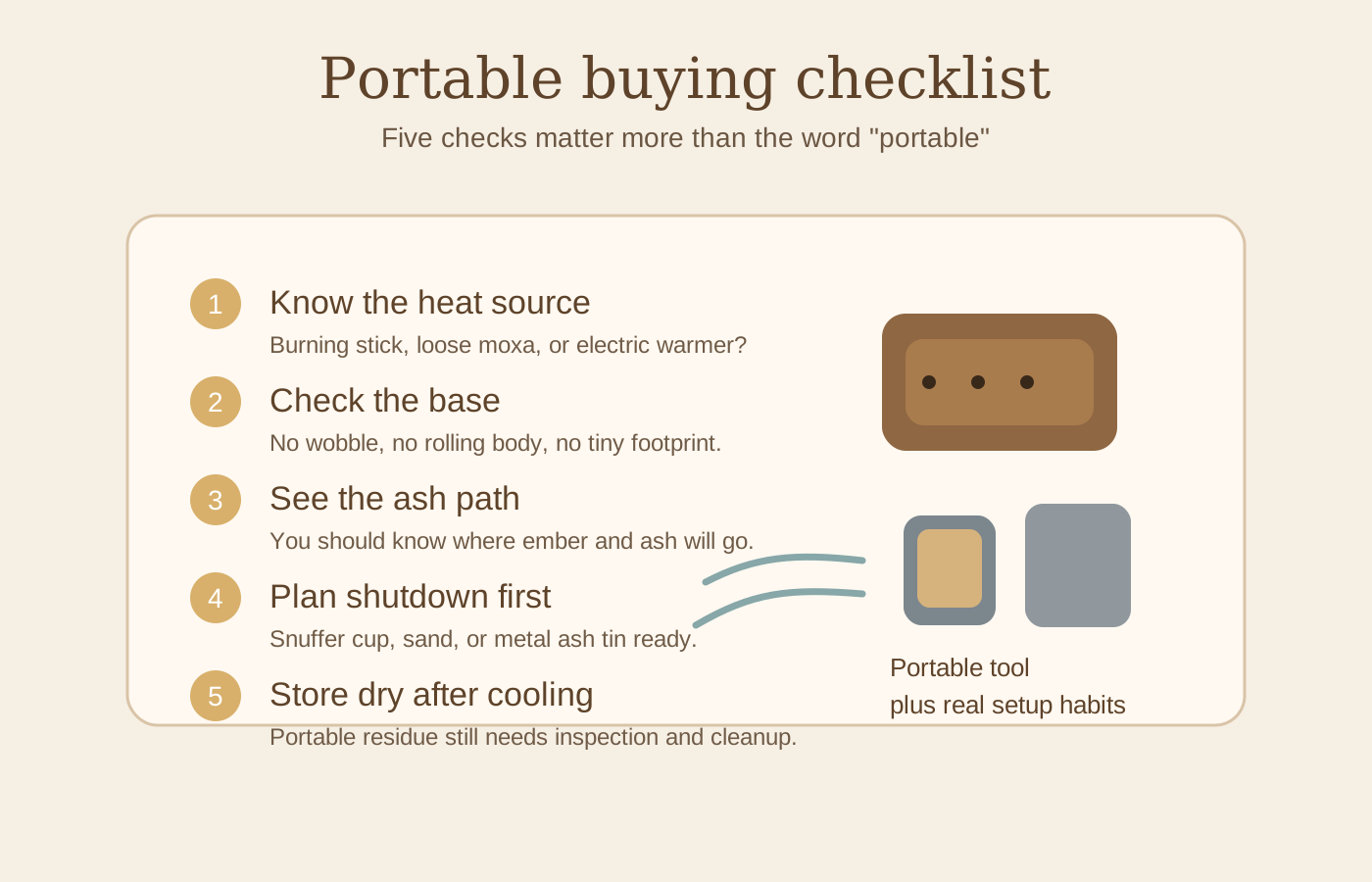
Published safety reviews and NCCIH background materials make a simple point: moxibustion can involve burns and smoke-related problems, so smaller hardware should be judged by control, not by convenience claims alone. In practice, five checks matter most.
1. Heat source clarity
Do not buy a device until you know whether it uses a burning stick, loose moxa, charcoal-style material, or electric heat. “Portable moxa” is not specific enough.
2. Stable support
USFA fire-safety guidance around hot smoking materials and ash disposal is not moxa-specific, but the principle transfers directly: hot material belongs on sturdy, hard-to-burn support surfaces and needs a deliberate disposal routine. If the portable device has a narrow base, rolling body, or awkward loading angle, portability has made it worse, not better.
3. Visible ash and ember path
You should be able to tell where ash will fall, how to tap or clear it safely, and whether the ember is burning evenly. If the design hides too much, it can create false confidence.
4. Easy shutdown
A portable device should still let you move the hot material into a snuffer, sand cup, or metal ash container without fumbling. If shutdown seems complicated in a product photo, it will be more complicated when the tool is actually hot. Review how to extinguish a moxa stick safely and how often should you remove moxa ash if you need a better mental picture.
5. Real cleaning and storage
Travel-sized residue is still residue. Ash dust, odor, and trapped fragments do not become safer because the device fits in a pouch. A useful portable tool should open enough for inspection and store dry after it is fully cooled.
What portability does not solve
Portability does not solve indoor air quality. EPA guidance on indoor air quality and particulate matter notes that combustion activities are indoor particle sources. That is the key background for this topic. A smaller device may be easier to pack, but it still uses combustion if the moxa is burning.
Portability also does not solve fire safety. USFA ash-disposal guidance stresses cooling ashes fully, using a covered metal container, and keeping the container away from the home. For moxa users, that means the portable kit still needs a non-portable habit: full shutdown before storage or disposal.
And portability definitely does not mean “safe to use anywhere.” A hotel room, car, crowded balcony, or poorly ventilated office is not automatically appropriate because the tool is compact. If your room setup is weak, moxa stick fire safety, can moxa smoke set off a smoke detector, and how to use moxa sticks at home matter more than any travel feature.
A simple rule for most beginners
Buy a portable moxibustion device only if it makes the setup smaller without making the hot parts harder to understand.
For many beginners, that means starting with a compact holder or travel-friendly accessory rather than a complicated enclosed device. The right portable tool should help you keep the routine disciplined: stable surface, clear ash path, fresh air, full extinguishing, dry storage. If the product page talks mostly about convenience and barely mentions supervision, it is probably the wrong tool.
Sources and further reading
Source tiers: A/B. The device comparisons above are practical buying inferences built from general indoor-air and fire-safety guidance plus broader moxibustion safety context.
- National Center for Complementary and Integrative Health: Traditional Chinese Medicine: What You Need To Know
- PubMed Central: Safety of Moxibustion: A Systematic Review of Case Reports
- U.S. Environmental Protection Agency: Indoor Pollutants and Sources
- U.S. Environmental Protection Agency: Indoor Particulate Matter
- U.S. Fire Administration: Smoking Fire Safety
- U.S. Fire Administration: Pictograph - Discard Ashes Safely
Common questions
What is a portable moxibustion device?
Usually it means a smaller moxa tool that is easier to carry, such as a compact holder, mini box, or travel-friendly setup. It should not be treated as permission to use burning moxa anywhere without proper ventilation and supervision.
Are portable moxibustion devices good for beginners?
Some are. The best beginner options are the ones that stay stable, keep the ember visible enough to monitor, and make ash handling and shutdown easier rather than more complicated.
Does portable mean smokeless?
No. A portable device may still burn traditional moxa and create smoke, odor, ash, and ember risk. Always check the actual heat source instead of assuming the size changes the safety rules.