Quick answer
Smokeless moxa usually creates less visible smoke than traditional moxa, but it is not smoke-free or risk-free. Beginners should compare room tolerance, heat feel, ash control, and holder fit before deciding which format is easier to manage.
Key takeaways
- Smokeless moxa is usually easier on visible smoke, but it still needs ventilation and careful shutdown.
- Traditional moxa often gives a more classic mugwort aroma and gentler-feeling progression, but it can leave a stronger room signature.
- The best beginner choice depends less on hype and more on your room, your holder, and how confidently you can manage heat and ash.
Smokeless moxa usually creates less visible smoke than traditional moxa, but it is not truly smoke-free, and it does not remove the normal heat and ember responsibilities of moxa use. Traditional mugwort rolls often give a more obvious herbal aroma and a more classic “burning mugwort” experience. For most beginners, the better option is the one that fits the room, the holder, and the shutdown routine you can repeat safely.
That practical distinction matters more than brand language. If the room already struggles with odor, lingering particles, or nearby smoke alarms, smokeless moxa may be easier to live with. If you are trying to understand traditional moxa materials and want a more typical mugwort profile, a classic roll may make more sense as long as your ventilation and ash control are stronger.
What “smokeless” usually means in practice
In practice, “smokeless” usually means less visible smoke, not zero output. The stick still burns. That means there is still heat, there is still a smell, and there is still ash that needs to be caught and cooled.
This is where beginners often get misled by labeling. A smokeless product can reduce the thick herbal cloud that many people associate with traditional moxa, but it does not give permission to use moxa in a sealed room or to skip the extinguisher cup. The EPA’s indoor air guidance is helpful here even though it is not moxa-specific: source control and ventilation still matter whenever you are creating particles indoors.
Traditional moxa is easier to understand because the naming is plainer. You expect mugwort smell, visible smoke, and more room cleanup afterward. Smokeless moxa needs a more careful mental model: it may be easier on the room, but it is still a live burning stick.
If smoke management is your first concern, start with how to reduce moxa smoke at home before choosing a product based on marketing words alone.
How the heat, smell, and ash usually differ
For beginners, the most useful comparison is not “which one is better?” but “what changes during the session?”
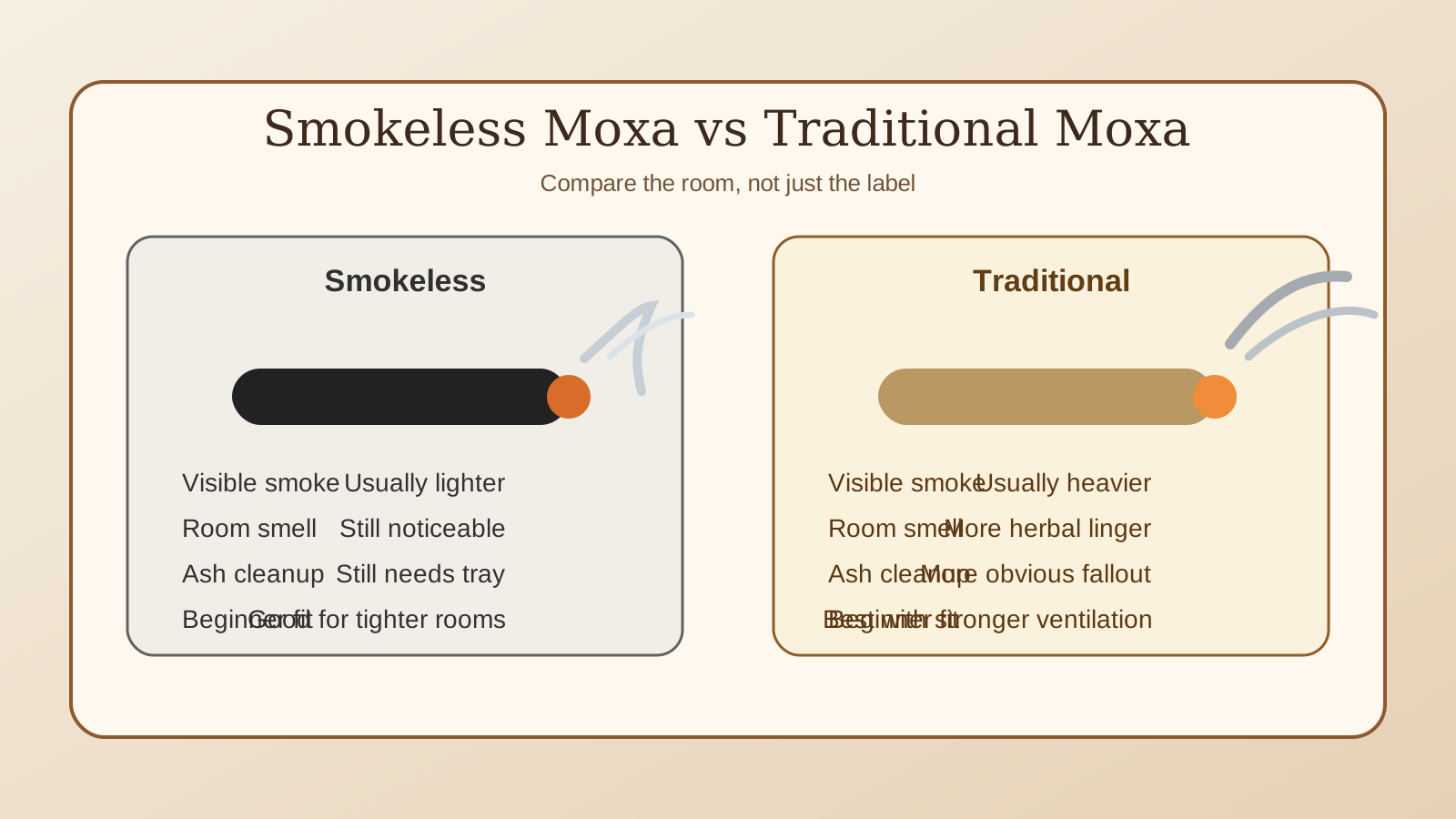
Visible smoke and room smell
Traditional moxa usually leaves a more obvious herbal signature in the room. Some people enjoy that classic mugwort smell, while others find that it clings to curtains, clothing, or bedding too easily. Smokeless moxa often softens the visible smoke problem, which can make short indoor sessions feel more manageable, but odor can still remain after the ember is out.
Heat feel
Many users describe smokeless sticks as feeling more direct or steady, while traditional moxa can feel more aromatic and familiar. The important beginner rule is not to chase either sensation. A controllable session should feel easy to interrupt. If the warmth is building faster than you expected, the format is not helping you.
Ash behavior
Both formats produce ash, but not always in the same way. Traditional rolls may shed lighter ash more visibly, while smokeless products may seem tidier until the end of the session. Either way, ash needs the same respect: catch it over a nonflammable surface, avoid flicking it around the room, and finish with a real cooldown routine.
If you are still learning shutdown discipline, read how to extinguish a moxa stick safely before ordering a second format.
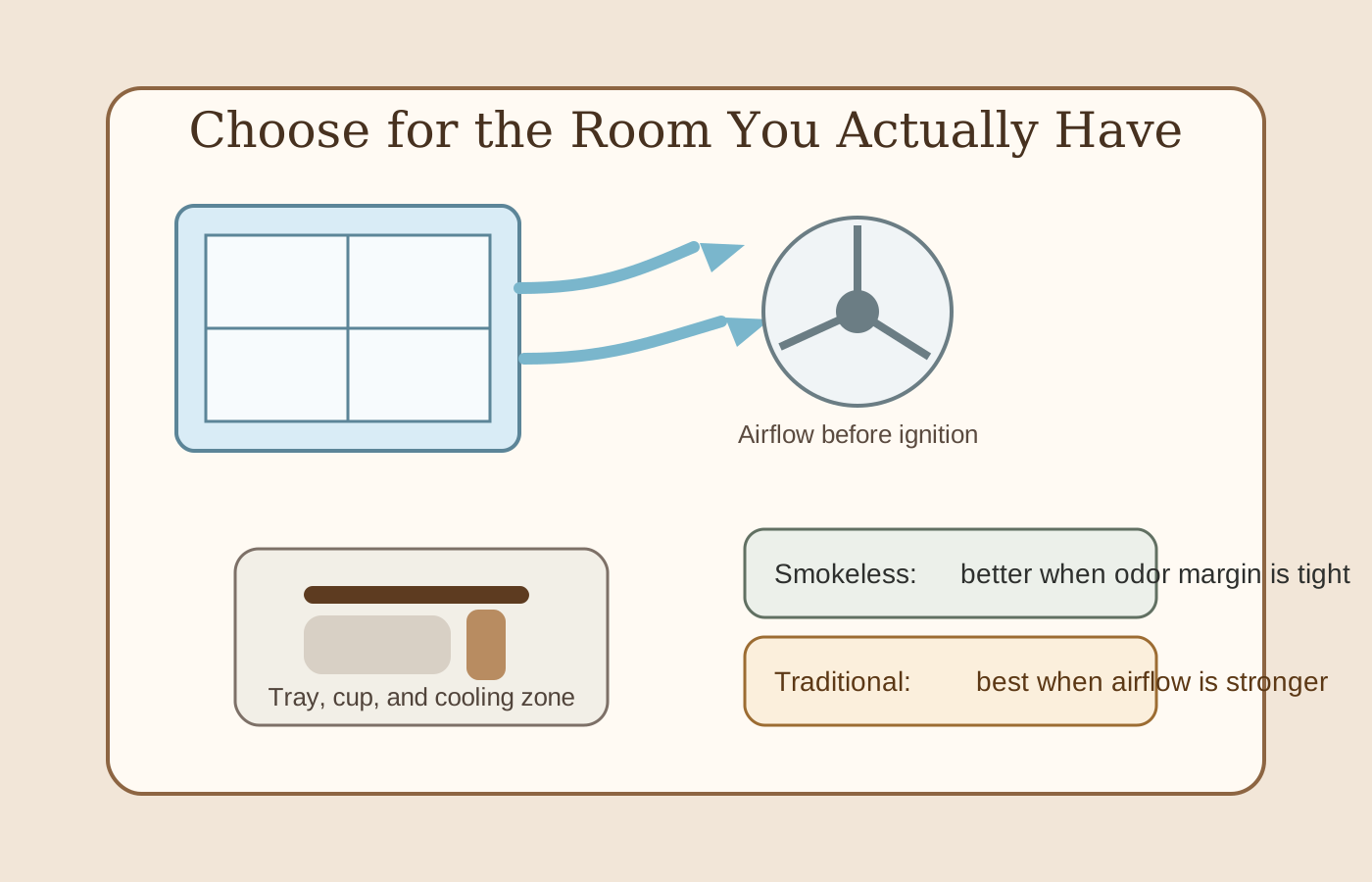
How room setup changes the decision
The smaller or more shared the room, the more attractive smokeless moxa usually becomes. That is not because it is harmless. It is because home use is constrained by neighbors, fabrics, hallway alarms, and how quickly you can clear the air afterward.
Ask four plain questions:
- Can I open a real airflow path before lighting the stick?
- Will the room clear quickly after a short session?
- Is there a stable place for ash, tools, and cooldown?
- Will the smell create a problem for other people in the space?
If those answers are weak, smokeless moxa may be the more realistic starting point, but it may also be a sign that indoor moxa is simply a poor fit for the room. That is the kind of decision readers often skip. Choosing the “cleaner” format is not the same as proving the room is suitable.
EPA guidance on air cleaners is useful for expectations: portable units may reduce particles, but they do not replace clean-air ventilation or source control. In other words, an air cleaner can support a cautious setup, but it does not turn a bad room into a good one.
For a fuller setup checklist, see moxa stick indoor ventilation tips and moxa stick fire safety checklist.
When traditional moxa still makes sense
Traditional moxa still makes sense when the buyer wants a clearer sense of classic mugwort handling and already has a room setup that can tolerate more odor and smoke. It can also make sense for readers who are comparing material terms such as moxa wool, aged moxa, and product aroma and want a more direct connection to those buying questions.
Traditional does not mean better, stronger, or more authentic in a way that guarantees a better experience. It simply means the session will usually ask more from the room and from cleanup. That tradeoff can be perfectly acceptable in a well-ventilated space with a simple, disciplined routine.
If your real question is about product format rather than smoke, moxa stick vs moxa cone vs moxa grain and best moxibustion tools for beginners are often more useful than comparing smokeless versus traditional alone.
A buying checklist before you choose
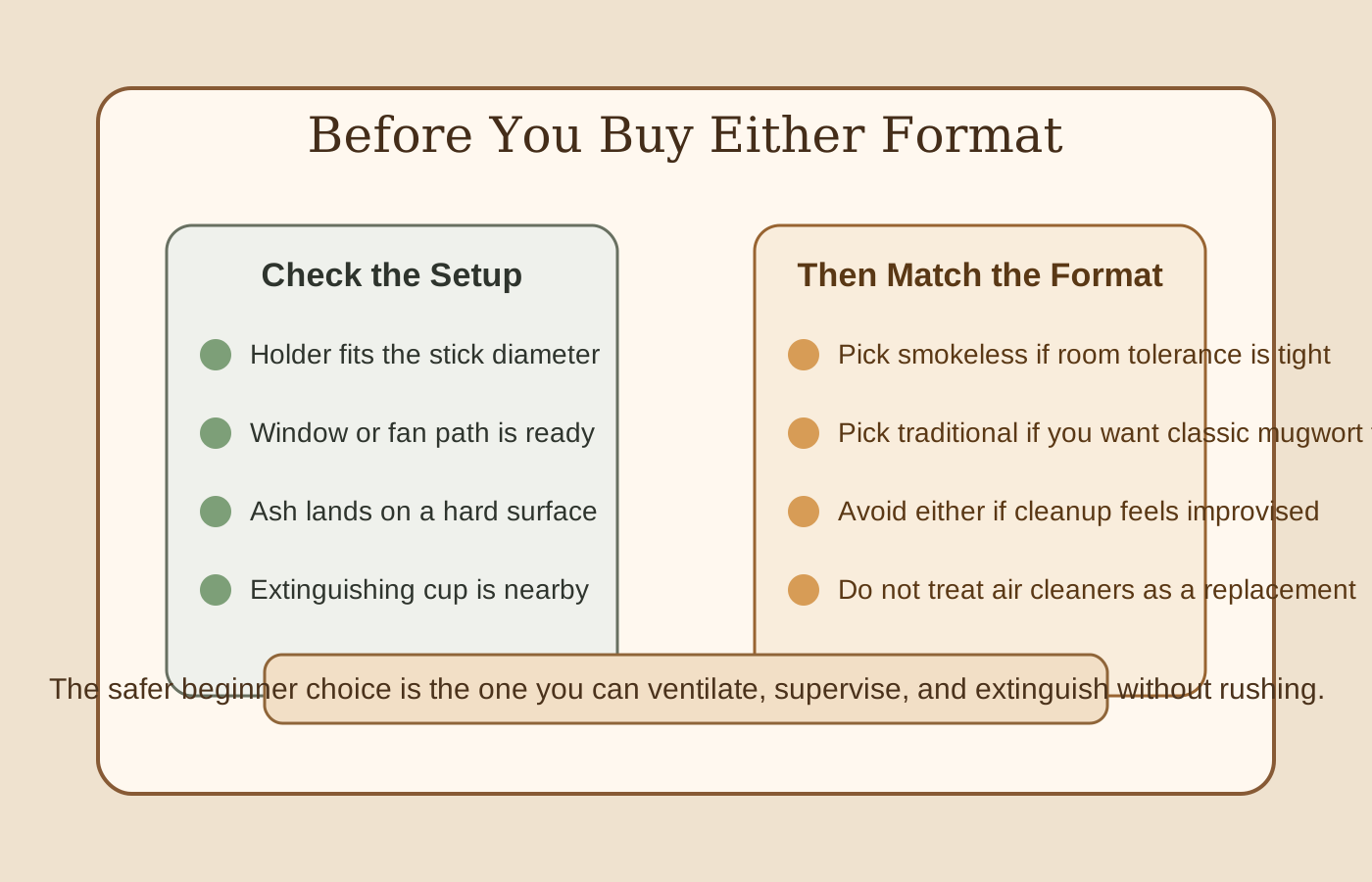
Before buying either format, check the decision points that affect home use most:
- whether your holder fits the stick diameter securely,
- whether the product description explains storage and handling clearly,
- whether you already have a ceramic or metal ash surface ready,
- whether the room can be ventilated before, during, and after use,
- whether your plan for extinguishing is faster than your plan for using the stick.
That last point is the best beginner filter. If you can picture the shutdown sequence clearly, the product is probably simple enough for your current setup. If the listing makes the session sound effortless but does not help you think through smoke, ash, fit, and cooldown, the product page is doing sales work, not education.
The short answer for beginners
Choose smokeless moxa when visible smoke and shared-space tolerance are your main constraints. Choose traditional moxa when you want the classic mugwort profile and you already have enough ventilation, ash control, and room tolerance to manage it calmly.
Neither option removes the need for supervision. Both still burn. Both still require ventilation. Both still deserve a clear extinguishing plan before the session starts.
Sources and further reading
- National Administration of Traditional Chinese Medicine: reply on moxa-industry standards and published standards including clean moxa sticks
- PubMed: Safety of moxibustion: a systematic review of case reports
- U.S. Environmental Protection Agency: Guide to Air Cleaners in the Home
- U.S. Environmental Protection Agency: Improving Indoor Air Quality
- U.S. Fire Administration: Smoking Fire Safety
Common questions
Is smokeless moxa really smokeless?
Not completely. Smokeless moxa usually produces less visible smoke than traditional mugwort rolls, but it still creates heat, odor, and ash and should still be used with ventilation.
Does traditional moxa burn better than smokeless moxa?
Not universally. Traditional rolls and smokeless sticks feel different, so the better option is the one that matches your room, holder, and ability to control heat calmly.
Which is better for beginners in an apartment?
Many apartment users start by considering smokeless options because the room may tolerate them better, but the decision should still include ventilation, smoke alarms, and safe extinguishing.