Quick answer
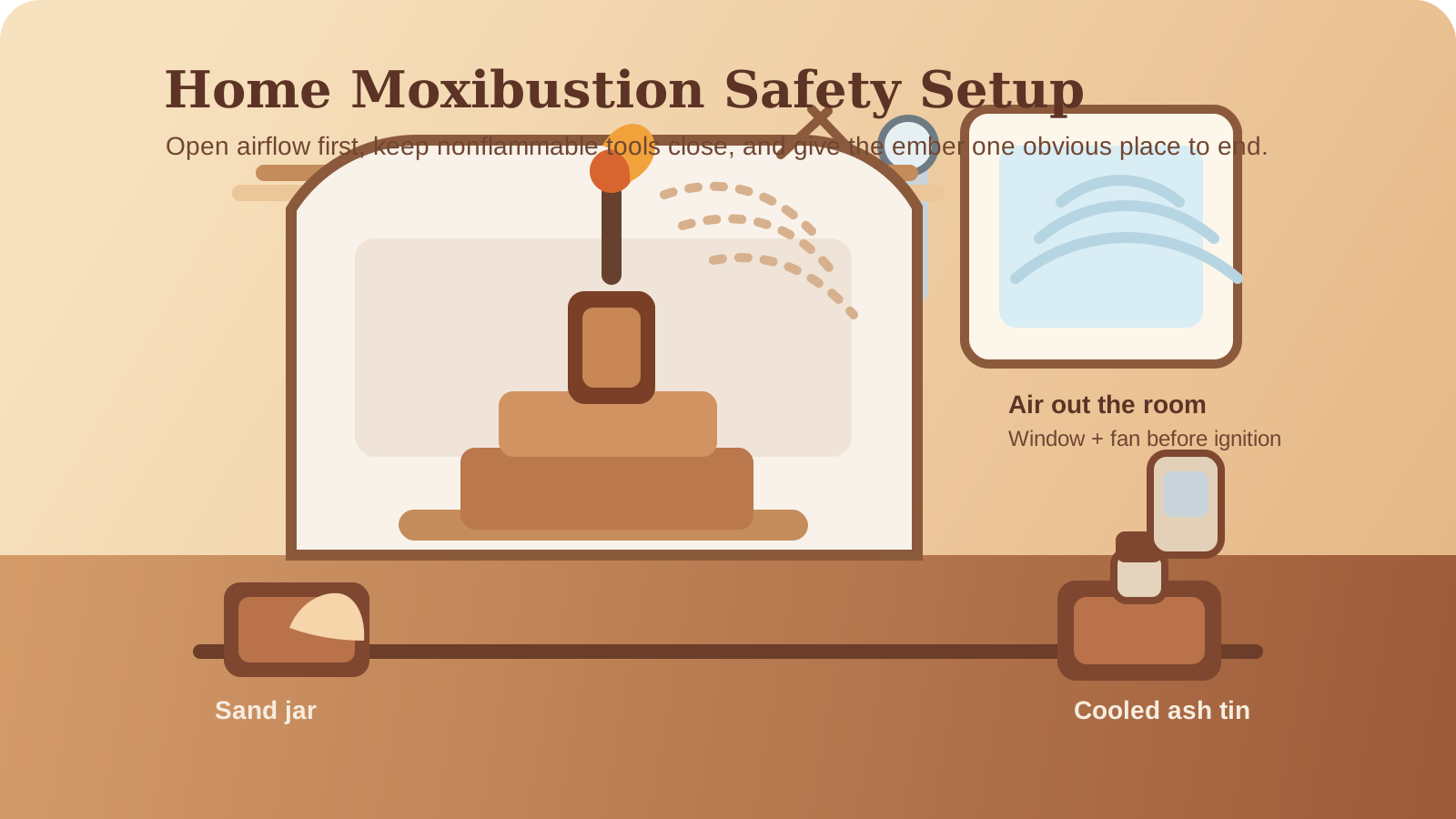
Moxa stick fire safety starts before ignition: use a stable nonflammable setup, keep smoke and embers away from fabrics, stay with the burning stick the whole time, and finish with fully cooled ash disposal.
Key takeaways
- A safer moxa session depends on setup, supervision, and shutdown more than on buying extra accessories.
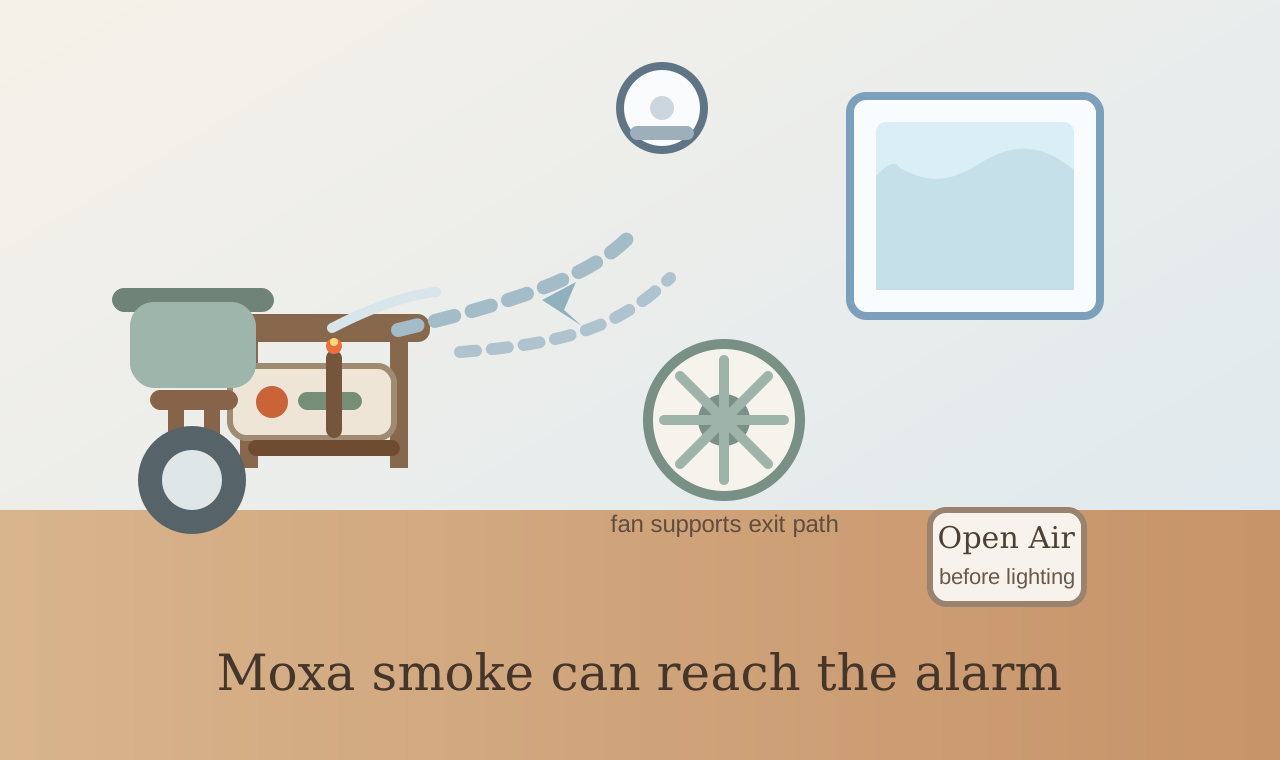
- Ventilation should move smoke away from people without blowing directly on the ember or scattering ash.
- After the session, cooled ash belongs in a tightly covered metal container, not directly in household trash.
Moxa sticks are small, but the safety rules should be treated more like candle or ember rules than like ordinary wellness accessories. A lit stick creates heat, ash, odor, and a glowing tip that can damage fabric or start a small fire if the setup is rushed.
That is why a fire-safety checklist matters. The goal is not to make home moxa look dangerous in an exaggerated way. The goal is to make it boring and controlled: clear airflow, stable tools, full attention, and a shutdown routine that does not leave warm ash hiding in a trash bin.
Why fire safety belongs at the start
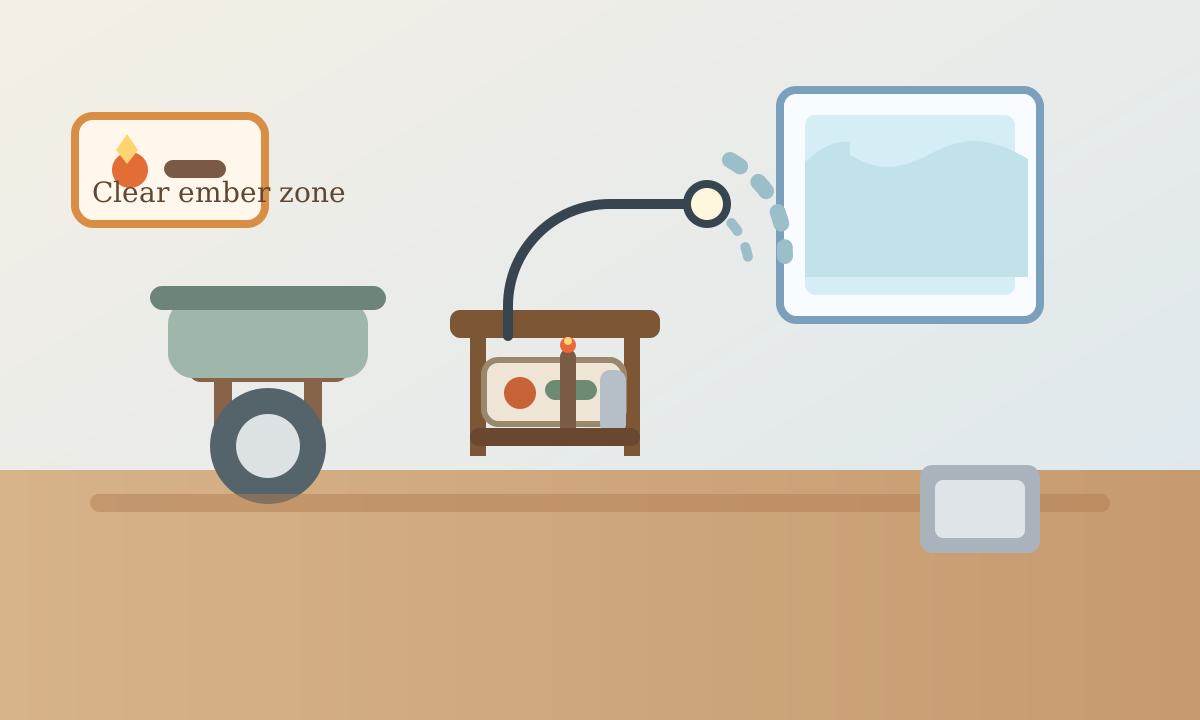
The U.S. Environmental Protection Agency explains that indoor pollutant control works best when the source is managed first and outdoor air is used thoughtfully. For moxa, that means planning the room before lighting the stick, not after smoke and ash have already become a distraction.
The U.S. Fire Administration also gives conservative ash-disposal advice that fits ember-producing routines well: let ashes cool, use a tightly covered metal container, and keep that container away from the home until everything is fully cold. Those habits are simple, but they remove the kind of last-step mistake that causes trouble after a session feels “finished.”
Before you light the stick
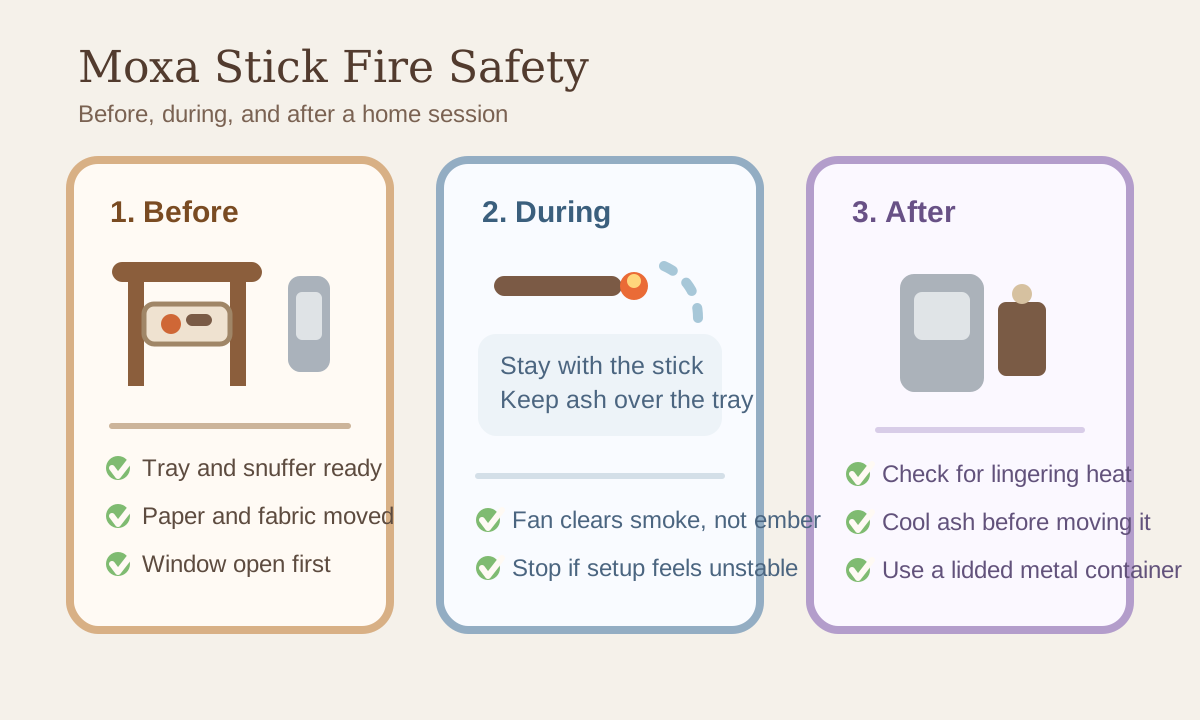
Run this short setup check before ignition:
- Use a ceramic, metal, or other nonflammable holder or tray.
- Move tissues, paper packaging, loose sleeves, towels, curtains, and bedding away from the burn area.
- Open the ventilation path first so you are not rearranging the room with a live ember in hand.
- Keep a snuffer cup, sand bowl, or other safe extinguishing setup within reach.
- Put a cooled-ash container in place before you begin cleanup.
If you still need help with room airflow, read moxa stick indoor ventilation tips before trying to improvise with a fan.
During the session
Once the stick is lit, supervision becomes the main rule. Do not set it down on the edge of furniture, balance it on a soft surface, or leave the room “for a second.” A short interruption is long enough for ash to fall or for the burning tip to touch something it should not.
These habits reduce risk:
- keep the holder on a flat, uncluttered surface,
- keep the ember side pointed away from clothing and hair,
- use airflow that clears smoke without blasting the burning tip,
- avoid multitasking with phones, drinks, or other objects in the same hand,
- stop early if the room becomes hazy, irritating, or hard to manage.
This is also where moxa differs from decorative fragrance products. You are not trying to keep something smoldering in the background. You are actively managing a live heat source from start to finish.
Watch the ash, not just the flame
Beginners often focus on the glowing tip and forget the ash column. In practice, unstable ash can be just as important because it can drop onto clothes, rugs, paper, or the edge of a chair without much warning.
Useful habits include tapping ash only into a proper tray, keeping the floor around the setup clear, and choosing a seat that does not force the ember over your lap or over soft furnishings. If the ash starts behaving unpredictably, stop and reset instead of pushing through the session.
End the session with a real shutdown routine
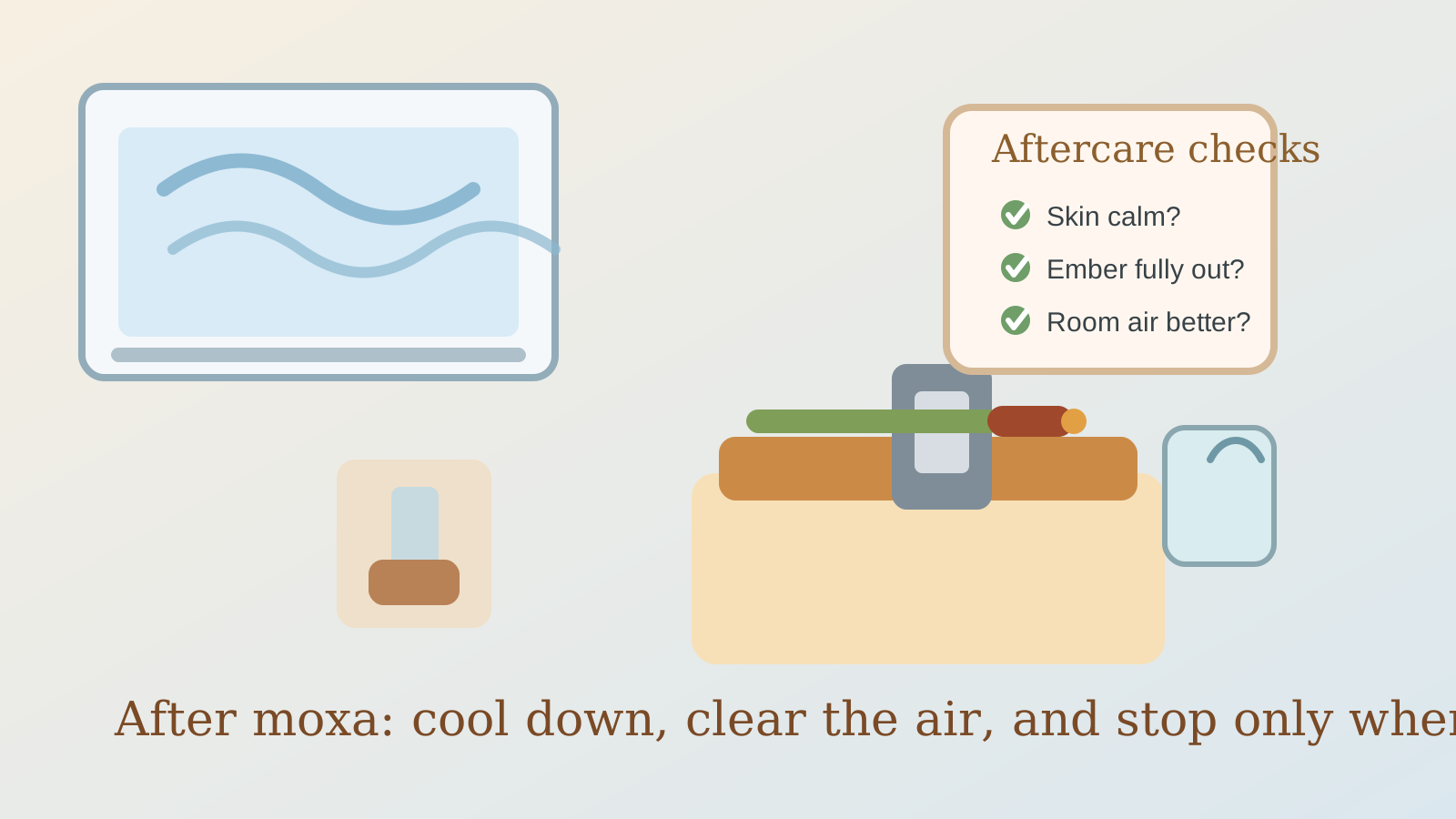
Fire safety does not end when the visible glow seems smaller. Treat shutdown as a separate step.
- Extinguish the stick fully using your snuffer or ash-safe setup.
- Wait and recheck for lingering heat instead of assuming the tip is out.
- Let loose ash cool completely.
- Transfer cooled ash to a tightly covered metal container.
- Keep that container away from the house and other structures until disposal is clearly safe.
If you want a more detailed extinguishing routine, see how to extinguish a moxa stick. If the room smells smoky after cleanup, remove moxa smell from a room covers the comfort side without changing the fire-safety steps.
When to stop or skip home use
Do not continue a session just because the stick is already lit. Stop if ash is falling too freely, if airflow keeps pushing the ember off course, or if the room setup feels cramped and improvised.
It is also reasonable to skip a session on days when the only workable surface is near curtains, bedding, paper clutter, or children and pets moving through the space. A smaller or later session is safer than trying to force a poor setup to work.
If you have reduced heat sensation, smoke-sensitive breathing issues, or uncertainty about whether burning moxa is appropriate for you at home, ask a qualified healthcare professional before using it.
Quick fire-safety checklist
Use this one-screen version:
- Stable nonflammable holder ready
- Window or exhaust path open first
- Fabrics, paper, and clutter moved away
- Snuffer or sand cup within reach
- Burning stick never left unattended
- Ash tapped only into a safe tray
- Cooled ash moved to a lidded metal container
- Final area rechecked before leaving
That checklist is intentionally plain. Good moxa fire safety should feel methodical, not dramatic.
Sources and further reading
- U.S. Environmental Protection Agency: Improving Indoor Air Quality
- U.S. Environmental Protection Agency: Introduction to Indoor Air Quality
- U.S. Fire Administration: Pictograph: Discard Ashes Safely
- PubMed: Safety of moxibustion: a systematic review of case reports
Common questions
What is the biggest fire risk when using a moxa stick at home?
The biggest practical risks are unattended embers, falling ash near fabric or paper, and disposing of warm ash too quickly.
Should a fan point directly at a lit moxa stick?
Usually no. It is better to use gentle airflow that clears the room without pushing the ember or ash around.
How should I throw away moxa ash?
Let it cool fully first, then follow conservative ash-disposal habits such as using a tightly covered metal container kept away from the house until everything is cold.