Quick answer
Yes. Traditional moxa smoke can set off a smoke detector if enough smoke reaches the sensor, especially in a small room, near a hallway alarm, or during a longer session with weak ventilation. The safest response is not to remove the battery or cover the detector. Instead, keep sessions short, improve airflow before lighting the stick, and stop using indoor moxa if the room cannot stay clear enough.
Key takeaways
- A moxa stick is a live smoke source, so even a careful home session can trigger a smoke alarm if the room is small, the detector is nearby, or the air path is poor.
- If the alarm sounds, treat it as a real safety event first: stop the session, extinguish the stick fully, clear the air, and only use the hush feature if you have confirmed there is no fire.
- If a room only works when you disable, cover, or outsmart the detector, that room is not a good fit for burning traditional moxa indoors.
Yes, moxa smoke can set off a smoke detector. A traditional moxa stick is a burning plant product, so if enough smoke reaches the sensor, the alarm may react just as it would to cooking smoke or another indoor combustion source. The chance goes up in a small room, near a detector, or during a longer session with weak ventilation. The right fix is not to remove the battery. It is to improve the room, shorten the session, or stop indoor use if the space cannot stay clear enough.
Why the answer is usually yes
The simplest reason is that a smoke detector is built to notice airborne combustion particles. Moxa produces smoke because something is burning, even when the session feels gentle and controlled.
Not every session will trigger an alarm. A larger room with a clear airflow path may handle a short session without trouble. But the detector only reacts to what reaches the sensor.
The U.S. Environmental Protection Agency explains that indoor combustion sources release pollutants such as particulate matter into indoor air. That broad indoor-air rule fits moxa well. Traditional moxa is not a neutral background scent. It is a real smoke source, which is why articles like moxa stick indoor ventilation tips and how to reduce moxa smoke at home matter before the session starts.
What makes a smoke alarm more likely to go off
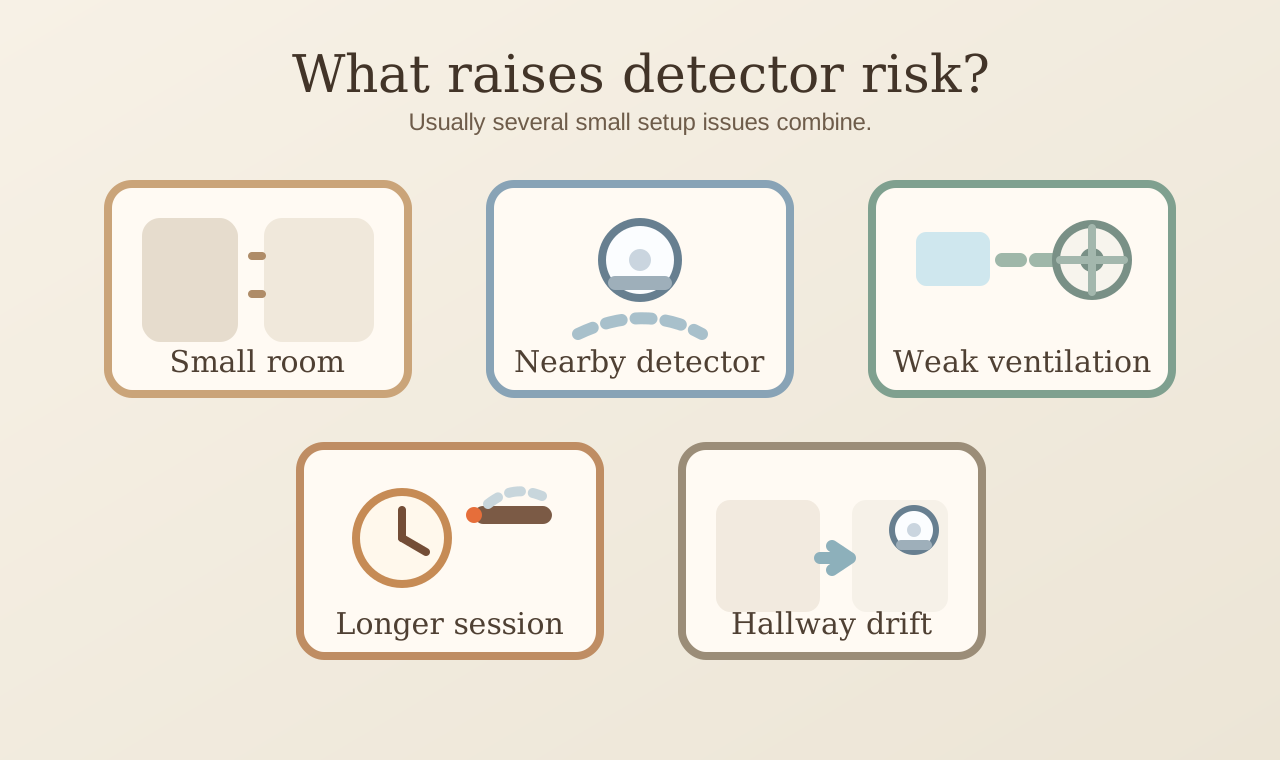
Some rooms are much less forgiving than others. The detector is more likely to sound when several of these factors stack together:
- a small room with little air exchange,
- a detector in or just outside the room,
- a longer session that keeps feeding smoke into the air,
- a strong cross-current that carries smoke directly toward the ceiling alarm,
- ash handling or relighting that briefly creates extra smoke,
- a building layout where smoke drifts into a hallway instead of out a window.
Detector type also matters. The U.S. Fire Administration notes that homes commonly use ionization alarms, photoelectric alarms, or dual-sensor models. You should assume any of them can respond if the smoke concentration is high enough, even though the exact behavior varies by model and placement.
This is a room-and-routine question, not just a product question. If you are already working near a sensitive shared-building alarm, the safer move may be to rethink indoor traditional use entirely.
What to do if the alarm sounds during a session
Treat the alarm as real until you know otherwise. Do not assume it is harmless just because you were using moxa on purpose.
The safest sequence is:
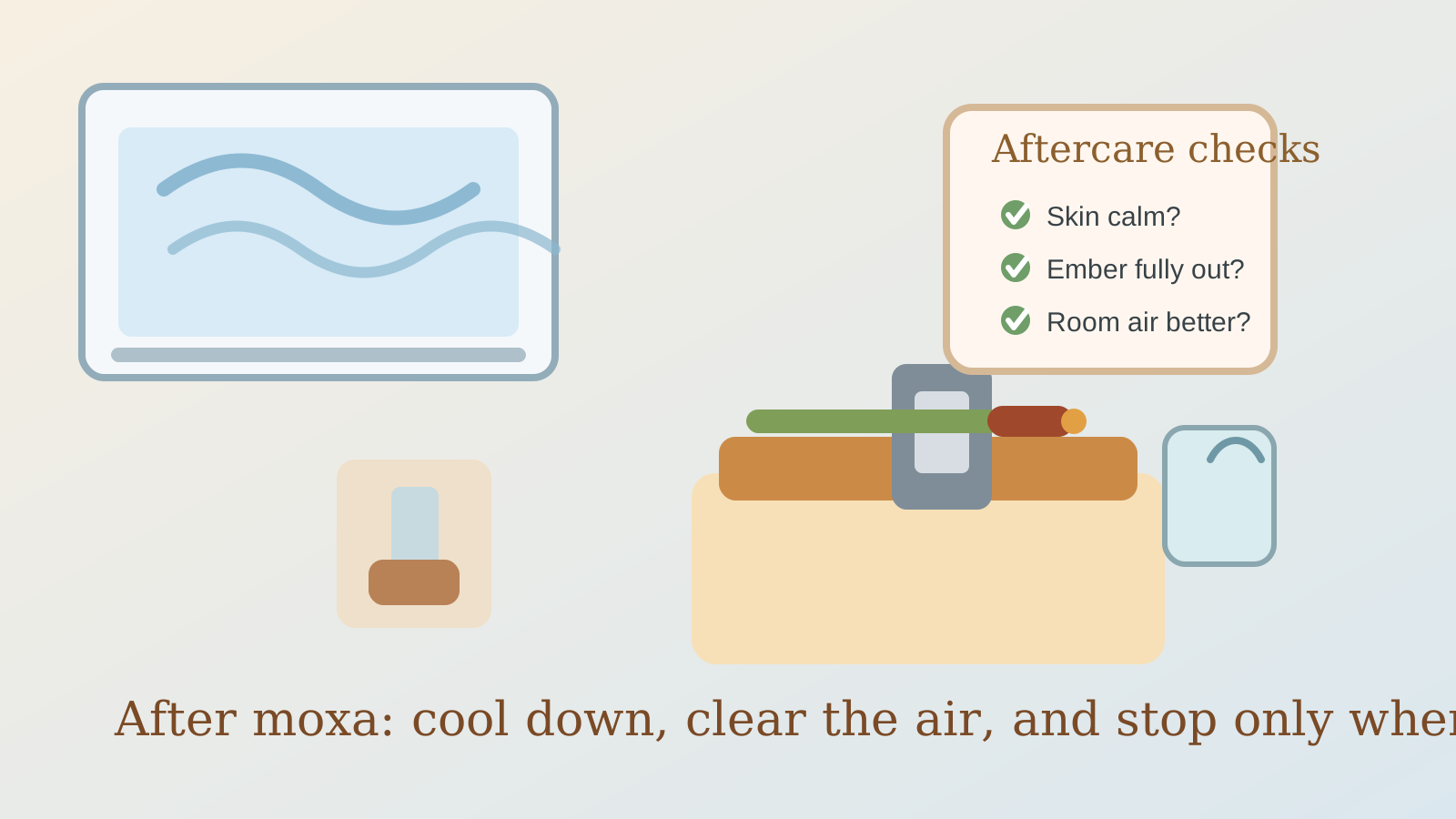
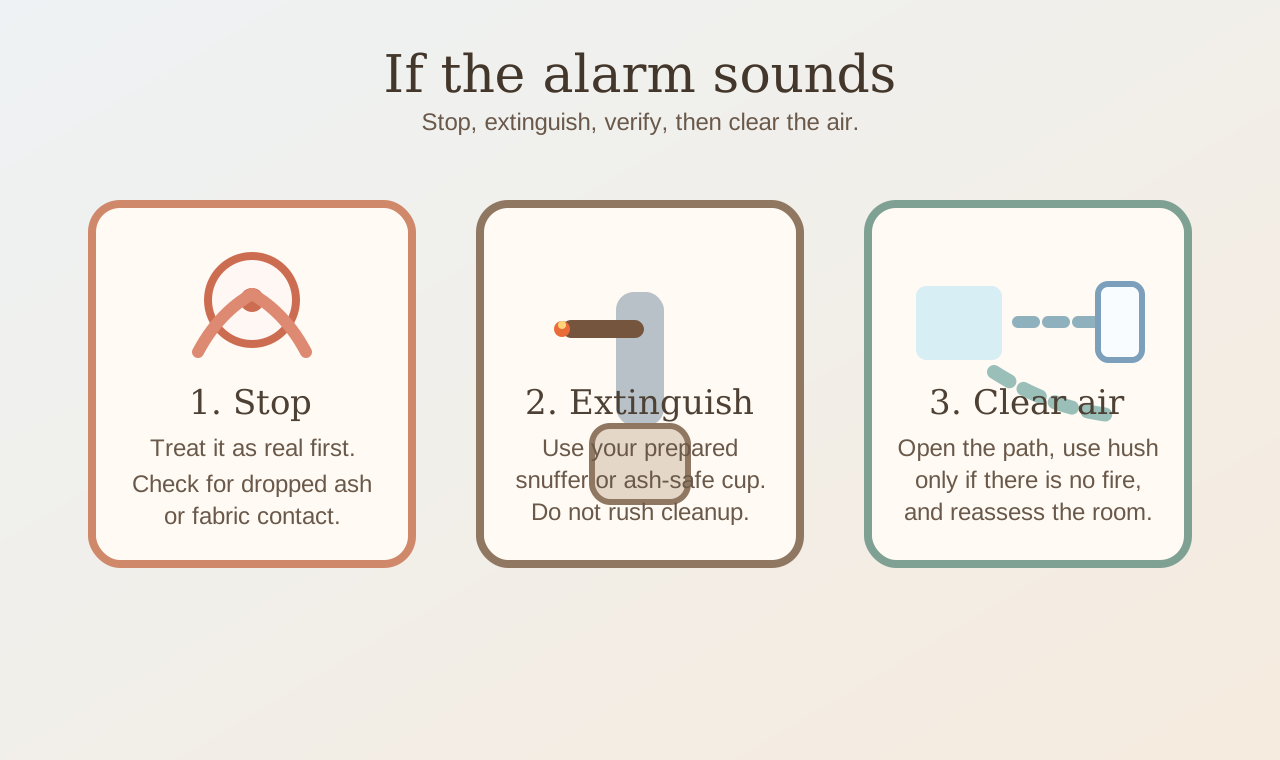
- Stop the session immediately.
- Extinguish the stick fully using the same shutdown method you planned in advance.
- Check the area for any real fire, dropped ash, or fabric contact.
- Open the window or door more fully and clear the air.
- Use the alarm’s hush feature only if you have confirmed there is no fire and the manufacturer allows it.
The U.S. Fire Administration specifically warns people not to remove the battery when a smoke alarm sounds during cooking or steam. That advice translates directly here. A nuisance alarm is inconvenient, but a disabled alarm during a real ember problem is worse.
If you need a refresher on shutdown, go straight to how to extinguish a moxa stick safely and moxa stick fire safety checklist. Those habits matter more than trying to finish the session quickly before the room clears.
How to reduce the chance without gaming the detector
The goal is not to outsmart the alarm. The goal is to keep less smoke in the room in the first place.
Start with the room:
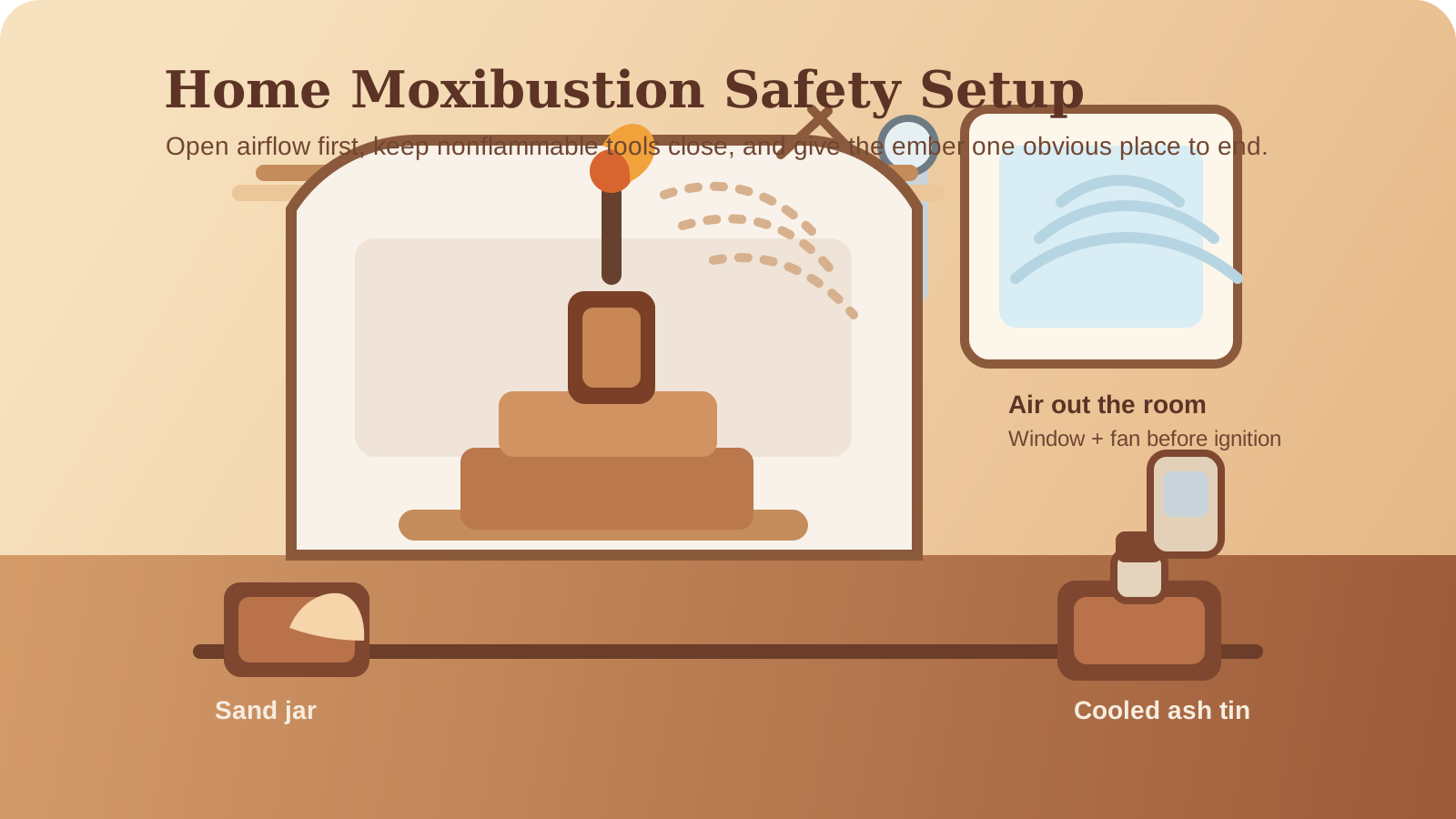
- Choose the room with the clearest fresh-air path.
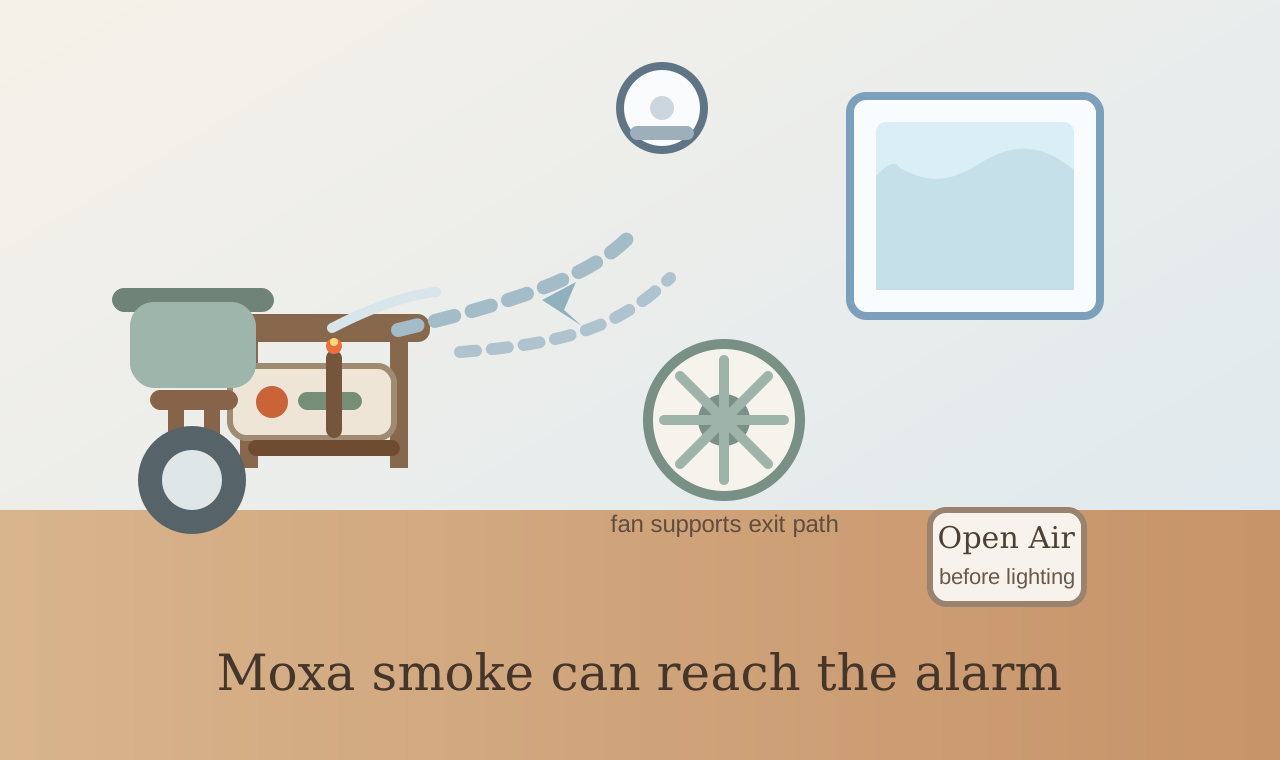
- Open that path before ignition, not after smoke builds up.
- Place a fan so it supports air movement toward the exit path without blowing directly at the glowing tip.
- Keep the session short enough that the air still feels normal.
Then look at the routine:
- light the stick cleanly instead of letting it flare and over-smoke,
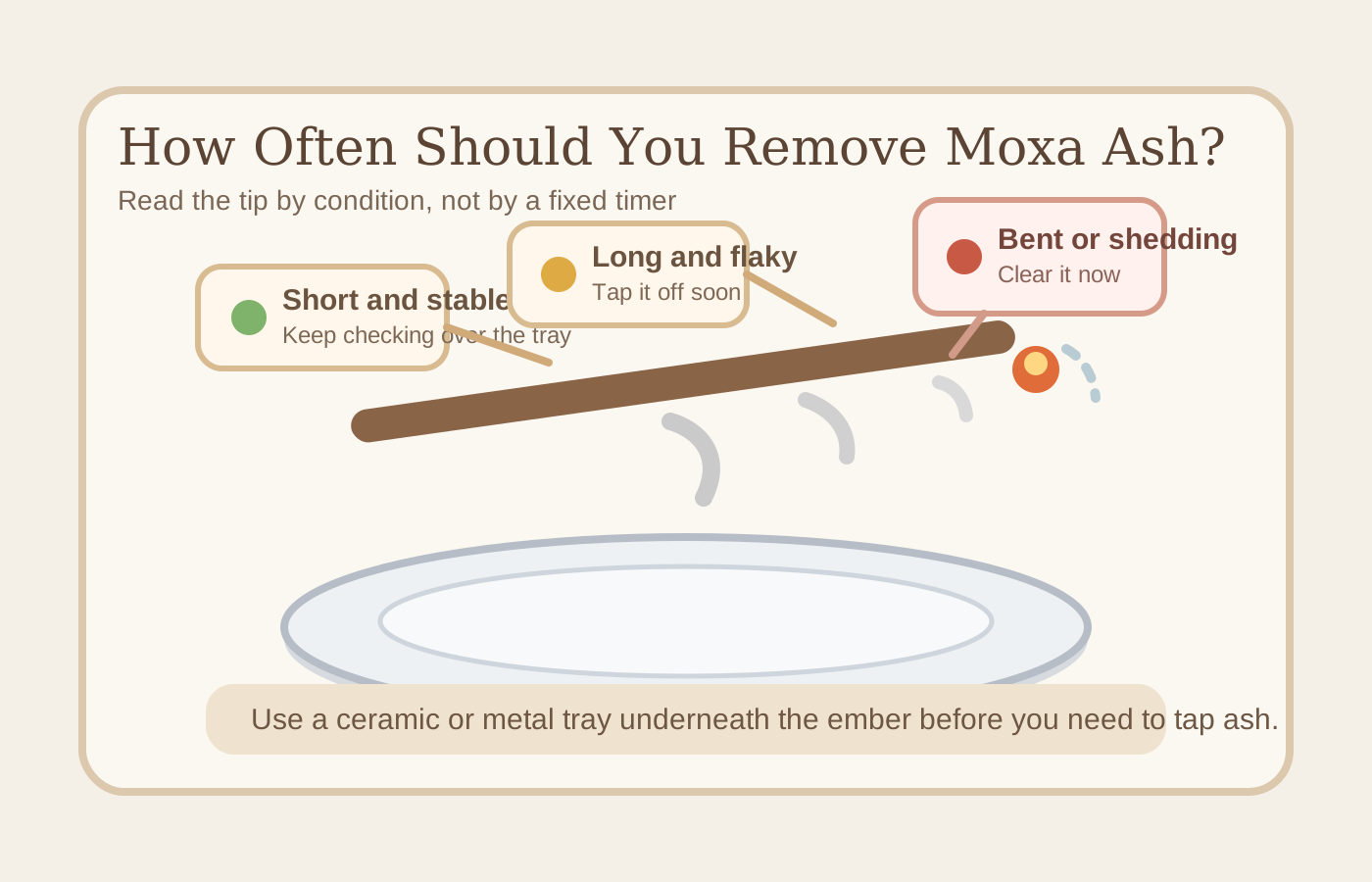
- clear ash over a tray before it sheds unpredictably,
- avoid relighting several times in one small room,
- stop early if the ceiling area starts looking hazy,
- reconsider whether a traditional stick belongs in that room at all.
This is one reason some readers compare smokeless moxa sticks with traditional ones. Smokeless products may lower visible smoke, but they do not turn a detector-sensitive room into a guaranteed safe indoor moxa room.
What not to do
Do not remove the battery, bag the detector, tape over it, or treat repeated nuisance alarms as a normal part of indoor moxa. Those workarounds only hide the warning system that is supposed to protect the home.
Also avoid the mindset that “it only went off for a second.” That short alarm is still useful feedback. If moxa repeatedly reaches the detector, your indoor setup is not conservative enough.
If odor is the bigger issue after the session, how to remove moxa smell from a room covers the cleanup side. But odor control should come after safe extinguishing and alarm-safe room use, not instead of them.
When to stop trying indoor traditional moxa
Sometimes the honest answer is that the room is a poor match for burning moxa indoors.
That is especially true when:
- the only available room has no real cross-ventilation,
- smoke reaches a shared hallway alarm quickly,
- the detector sits close to the setup and cannot be relocated by a qualified professional,
- children, pets, or clutter make the stop-and-check routine harder,
- you find yourself planning around the detector instead of around safe fire habits.
In those cases, the site path through the safety hub and the moxa sticks hub is more useful than forcing one more indoor session.
A simple rule to remember
If your moxa setup depends on disabling the smoke alarm, the setup is wrong.
That sentence keeps the topic clear. Yes, moxa smoke can set off a detector. It usually means the room, duration, or smoke path needs to change. If those changes still do not solve it, indoor traditional moxa may simply be the wrong fit for that space.
Sources and further reading
- U.S. Environmental Protection Agency: Indoor Air Quality
- U.S. Environmental Protection Agency: What can I do to improve indoor air quality in my home?
- U.S. Fire Administration: Smoke Alarms
- National Fire Protection Association: Installing and maintaining smoke alarms
Common questions
Will smokeless moxa still trigger a detector?
It may be less likely than a traditional stick, but any burning product can still create enough smoke or particles to bother a nearby alarm, especially in a small room.
Should I take the battery out before a moxa session?
No. Removing the battery or disabling the alarm trades a nuisance risk for a real fire-safety risk. It is better to change the room setup or stop indoor use.
What if my apartment hallway alarm is very sensitive?
Use shorter sessions, improve cross-ventilation, and reconsider indoor traditional moxa if smoke reaches the hallway easily. Shared-building alarms are a sign to be more conservative, not less.