Quick answer
The safest way to extinguish a moxa stick is to plan the method before the session starts, smother the glowing tip in a nonflammable container, confirm that the ember is fully out, and let ash cool completely before disposal.
Key takeaways
- Finish a moxa session with the same attention you used for lighting: tray below, nonflammable extinguisher ready, and a clear cooling spot.
- A moxa stick is not fully out just because the flame disappears; the ember and ash still need to stop glowing and smoking.
- Used sticks and cooled ash should stay in a lidded nonflammable container until you are sure no heat remains.
Extinguishing a moxa stick should not be treated as the rushed last ten seconds of the session. The glowing tip may look small, but it is still a live ember with ash, heat, smell, and the potential to keep smoking after you think you are finished.
For beginners, the safest habit is simple: decide how you will put the stick out before you light it. If there is no tray, no snuffer, and no cooling container ready, the session setup is incomplete.
This article is educational. It does not replace product instructions, fire-safety common sense, or medical advice.
Why extinguishing deserves its own step
People often focus on how to light a moxa stick and how to hold it during use, but the end of the session is where sloppy habits appear. That is when attention drops, ash is already loose, and the room may already smell smoky.
A practical home setup should assume four things:
- ash may fall while you are extinguishing,
- the tip may keep glowing after the visible flame is gone,
- soft furnishings should stay out of the shutdown area,
- you need a place for the used stick to cool without rolling.
If you have not read them yet, this guide pairs well with how to light a moxa stick safely, moxibustion safety basics, and moxa stick storage.
What to prepare before the session ends
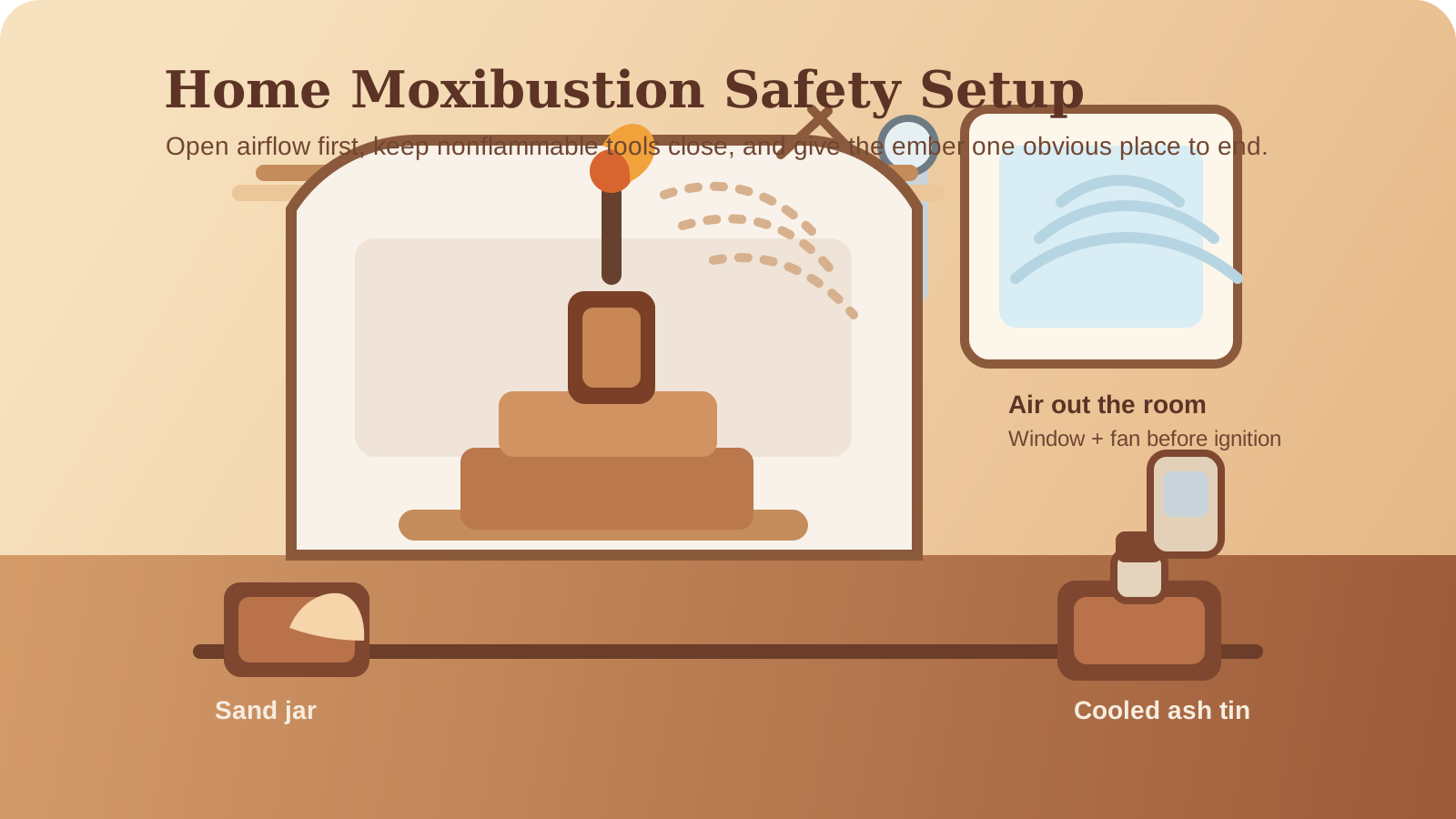
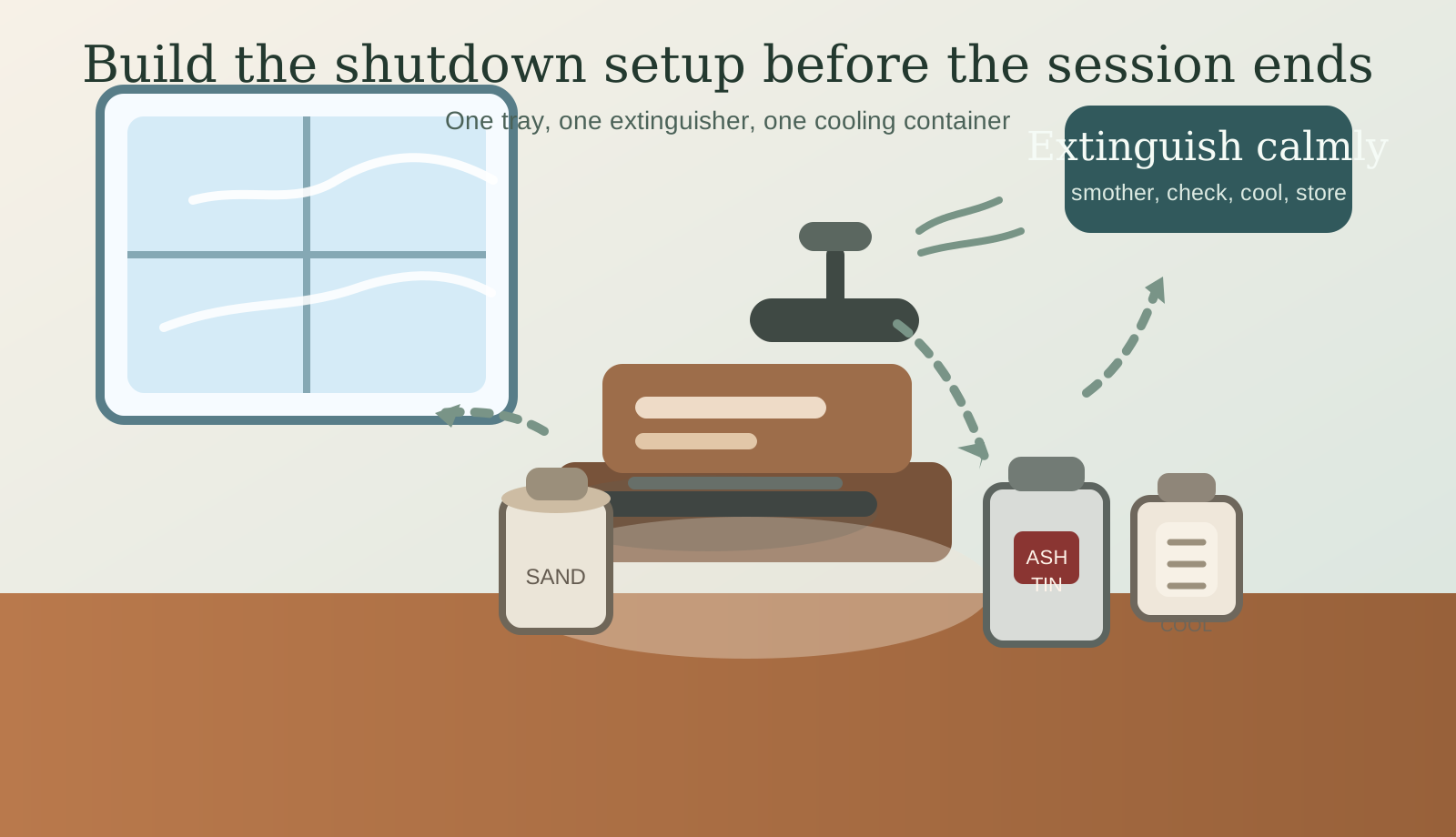
The safest extinguishing method is the one you prepared in advance and can do calmly with one hand. Before the session starts, keep these nearby:
- a ceramic, glass, or metal tray under the working area,
- a snuffer cup, sand-filled jar, or other nonflammable container deep enough to cover the lit tip,
- a lidded metal or ceramic container for fully cooled ash or used stick ends,
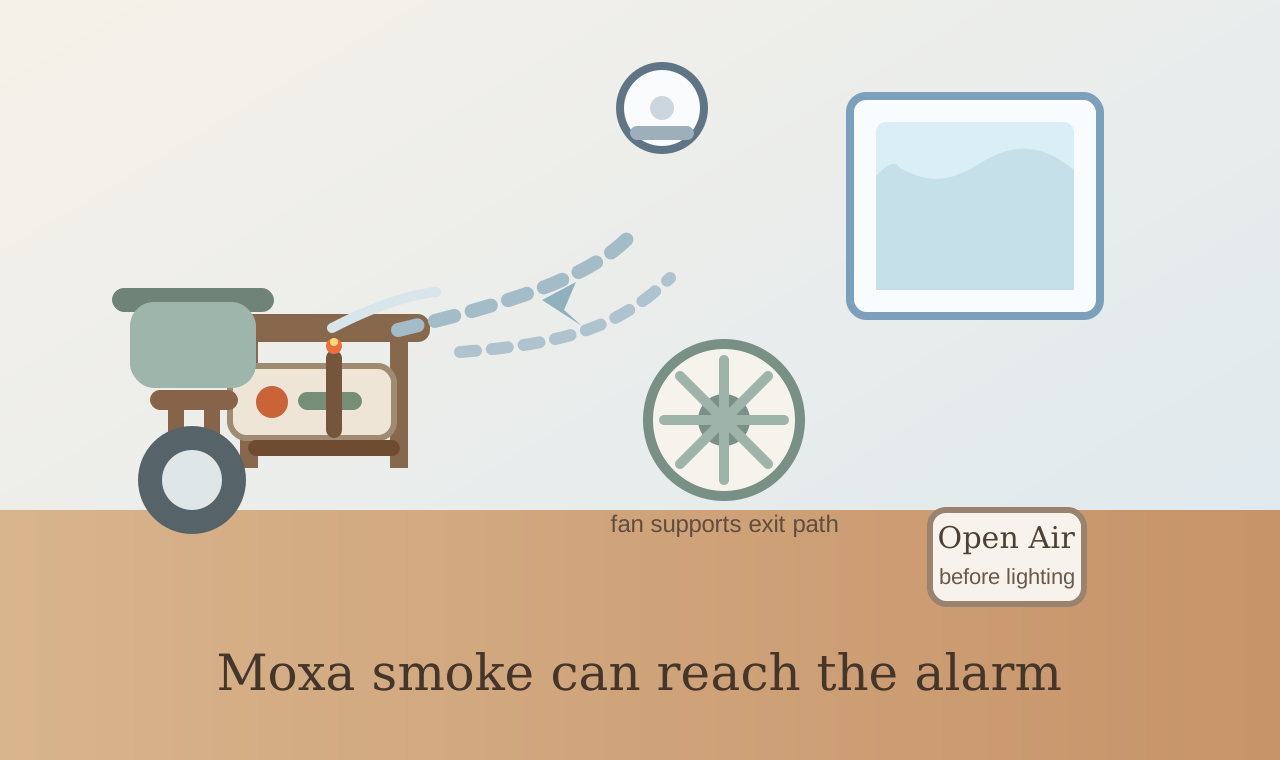
- ventilation so lingering smoke can clear after shutdown.
Do not improvise with tissues, cardboard packaging, thin plastic cups, or a crowded tabletop. The point is to give the ember less oxygen while keeping hot material inside a stable nonflammable space.
Step by step: how to extinguish a moxa stick
For most home users, the cleanest method is to smother the glowing end rather than wave it around or crush it forcefully.
- Bring the lit end over the tray before you move toward the extinguisher.
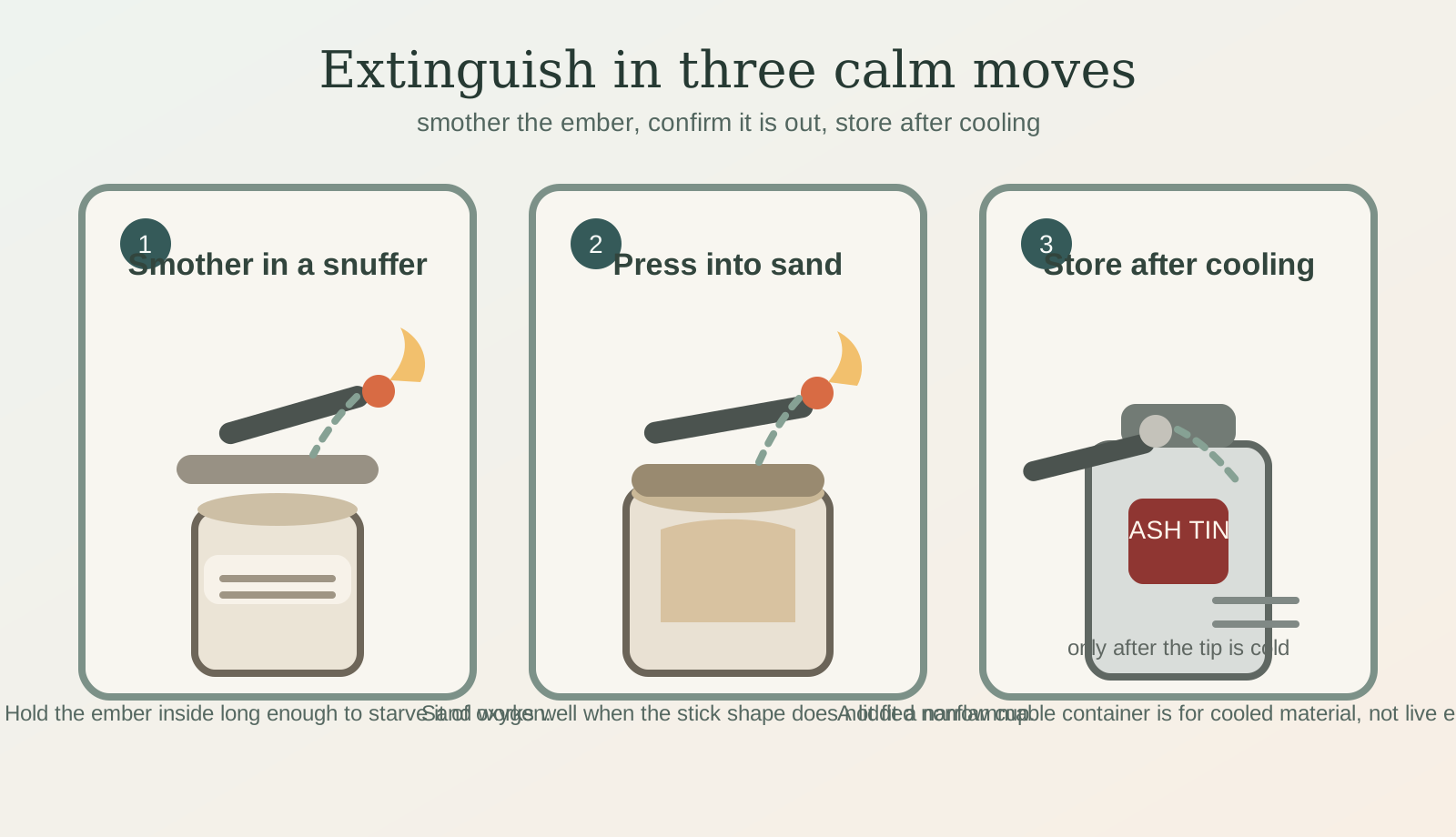
- Lower only the glowing tip into the snuffer cup or sand, keeping the wrapper and your fingers clear of the hot end.
- Hold it there long enough for the ember to lose oxygen rather than pulling it out immediately.
- Lift it slightly and check for any red glow, active smoke, or falling sparks.
- If the tip still glows, return it to the snuffer or sand and wait again.
- Once the ember looks fully out, place the used stick in a nonflammable cooling spot, not directly into a mixed trash bin.
The important beginner mindset is patience. Extinguishing fails when someone wants visual confirmation in one second and removes the stick too early.
Which extinguishing methods are usually easiest?
Several methods can work, but they do not behave the same way.
Ceramic or metal snuffer cup
This is often the simplest option for a handheld stick. It contains the tip, blocks oxygen, and keeps ash in one place. A deeper cup is usually easier than a shallow lid because the ember is less likely to touch the edge and keep smoldering.
Sand or ash-filled jar
Sand can work well because it lets you bury the lit tip gently and reduce oxygen around the ember. This is useful when the stick shape does not fit a narrow snuffer tube. The jar still needs to be stable, heavy enough not to tip, and kept away from fabric and paper.
Water as a backup, not the only plan
Water stops heat fast, but it also creates wet ash, stronger odor, and a soggy tip that may not relight well. For that reason, many beginners treat water as a backup method when the ember will not settle, not as the only routine for every session.
If you do use water, keep the motion controlled so ash does not splash. Let the used stick cool fully before deciding whether it is worth keeping.
What not to do
The most common shutdown mistakes are easy to avoid:
- do not leave the lit stick resting on the edge of a tray while you walk away,
- do not crush the ember into paper or soft trash,
- do not assume the stick is out because the room light makes the glow hard to see,
- do not store a recently extinguished stick in a sealed bag with fresh unused moxa,
- do not set a warm stick on wood, fabric, bedding, or a windowsill.
If you ever feel uncertain whether the tip is still active, treat it as active until proven otherwise.
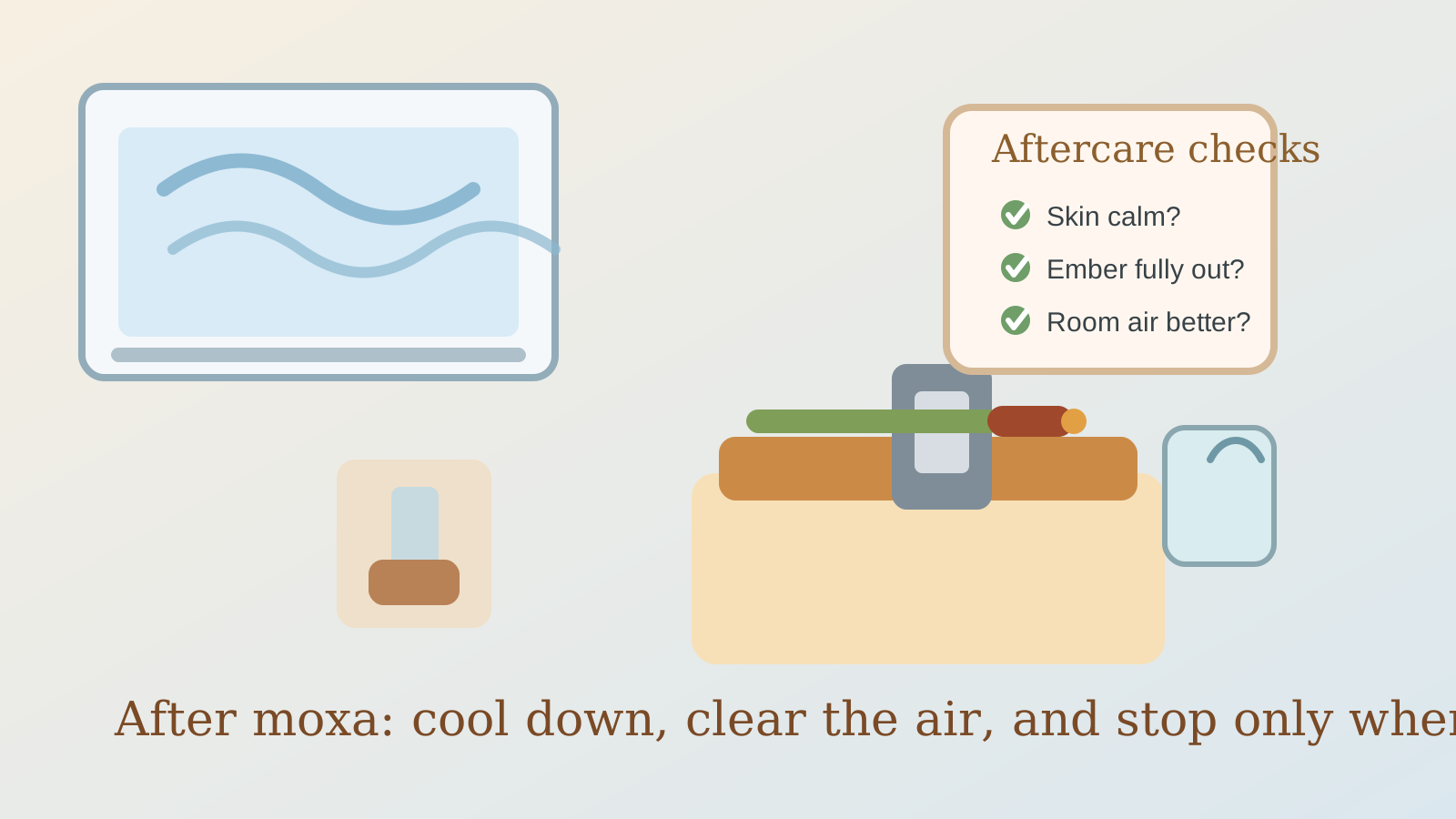
How to tell the stick is really out
Beginners often look only for flame. A better check is more basic:
- no visible red glow,
- no thin stream of smoke,
- no new ash forming at the tip,
- the surrounding container is stable and not heating nearby items.
After the stick appears out, give it a little time in the cooling container before moving it to storage. This extra pause is usually more useful than repeated touching or tapping.
What to do with ash and partly used sticks
Ash cleanup is part of extinguishing, not a separate chore for later. Let ash cool completely before disposal. If you keep partly used sticks for another session, store them separately from fresh stock so odor, ash dust, and wrapper staining do not spread through the whole package.
A simple home routine looks like this:
- Put out the ember.
- Confirm the tip is no longer glowing or smoking.
- Let the stick cool in a nonflammable place.
- Move cooled ash or used tips into a lidded metal or ceramic container.
- Wipe the tray only after all loose material is cold.
If a used stick smells damp later, crumbles badly, or seems contaminated by moisture, discard it instead of trying to save a poor relight.
When to stop and reset your routine
Pause home use and rethink the setup if extinguishing regularly feels chaotic, smoky, or rushed. That usually means the problem is not your hand technique alone. It may be the room, the tray size, the holder fit, the product condition, or the lack of a dedicated shutdown container.
The safest routine is boring on purpose. You finish the session the same way every time, with the same tools in the same places, and without having to improvise around a live ember.
Sources and further reading
- U.S. Environmental Protection Agency: Introduction to Indoor Air Quality
- U.S. Environmental Protection Agency: Indoor Pollutants and Sources
- National Center for Complementary and Integrative Health: Traditional Chinese Medicine - What You Need To Know
- PubMed: Safety of moxibustion: a systematic review of case reports
- U.S. Fire Administration: Discard Ashes Safely
Common questions
Can I extinguish a moxa stick and use it again later?
Often yes, if the product is still dry and stable. Let it go fully cold first, then store it in a clean nonflammable container away from moisture and household odors.
Is water the best way to put out a moxa stick?
Water can stop an ember quickly, but it also makes the used tip wet, messy, and harder to relight cleanly. Many beginners prefer smothering the tip in a ceramic snuffer or sand first, then using water only if needed.
Why is my moxa stick still smoking after I thought it was out?
The outer flame may be gone while the center still holds heat. Keep the tip in the extinguisher longer, check for any red glow, and do not store it until the smoke has stopped.