Quick answer
After using a moxa stick, let the skin settle, extinguish the ember completely, air out the room, and wait until you feel normal before showering or heading into strong cold air.
Key takeaways
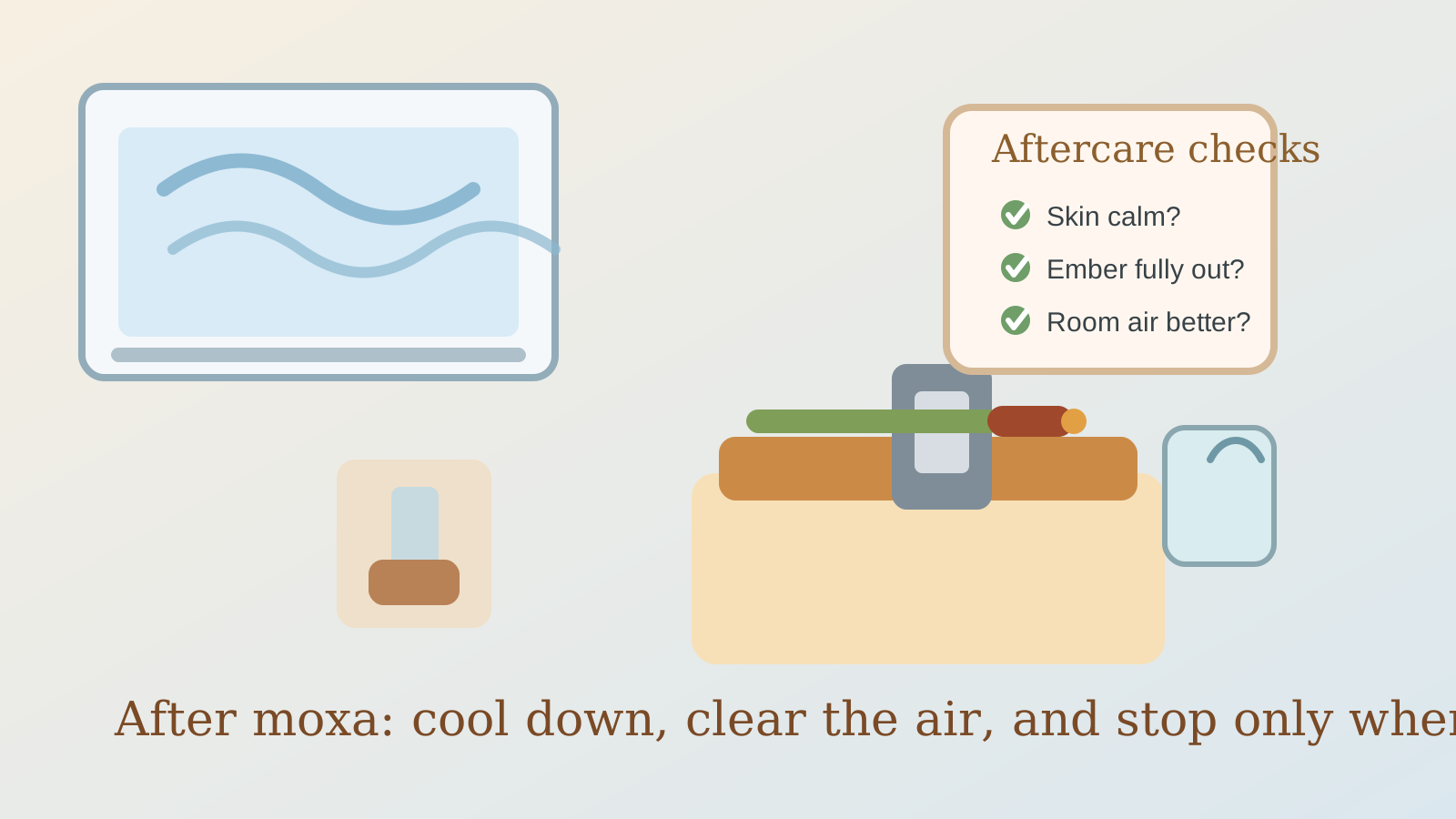
- Aftercare starts with three basics: check the skin, put the stick out fully, and clear the room air.
- There is no universal shower timer, but lukewarm water makes more sense after the skin and body feel settled than an immediate hot or cold shower.
- Pain, blistering, dizziness, cough, or breathing irritation are stop signs, not signals to keep experimenting.
After using a moxa stick, check the skin, extinguish the ember completely, ventilate the room, and wait until your body feels settled before showering, going outside, or sitting in strong air conditioning. There is no universal timer that fits everyone. The practical question is whether the skin looks calm, the room air is tolerable again, and you feel normal rather than overheated, lightheaded, or irritated.
That is why aftercare is part of the session, not something separate from it. The safest home routine ends with cooldown, cleanup, and a quick self-check instead of rushing straight into a shower, outdoor errands, or another activity.
First checks in the first 10 minutes
The first stage of aftercare is simple. Before you think about showering or leaving the room, make sure the basic safety steps are done.
Start with the skin. Mild warmth that fades can happen after a short, controlled session. What you do not want is heat that still feels sharp, lingering tenderness, obvious swelling, blistering, or an area that keeps getting redder instead of calmer. If that happens, stop future home sessions and treat it as a warning sign rather than a normal part of learning.
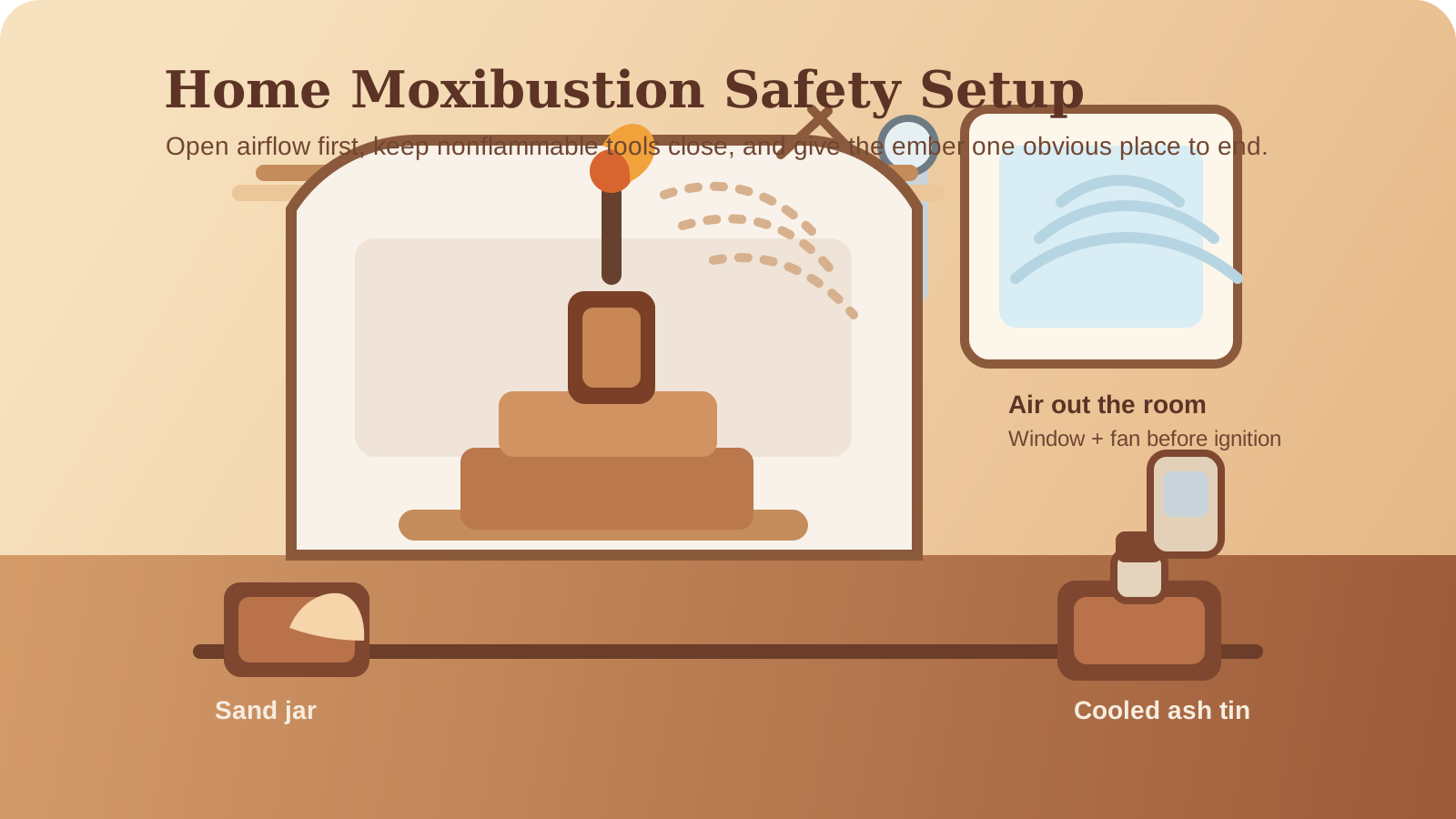
Next, deal with the live heat source. A half-used moxa stick can look harmless while the tip is still hot enough to restart smoke or ignite nearby material. If you need a refresher, follow the shutdown method in how to extinguish a moxa stick safely. Do not set the stick down on a tray and assume it is finished.
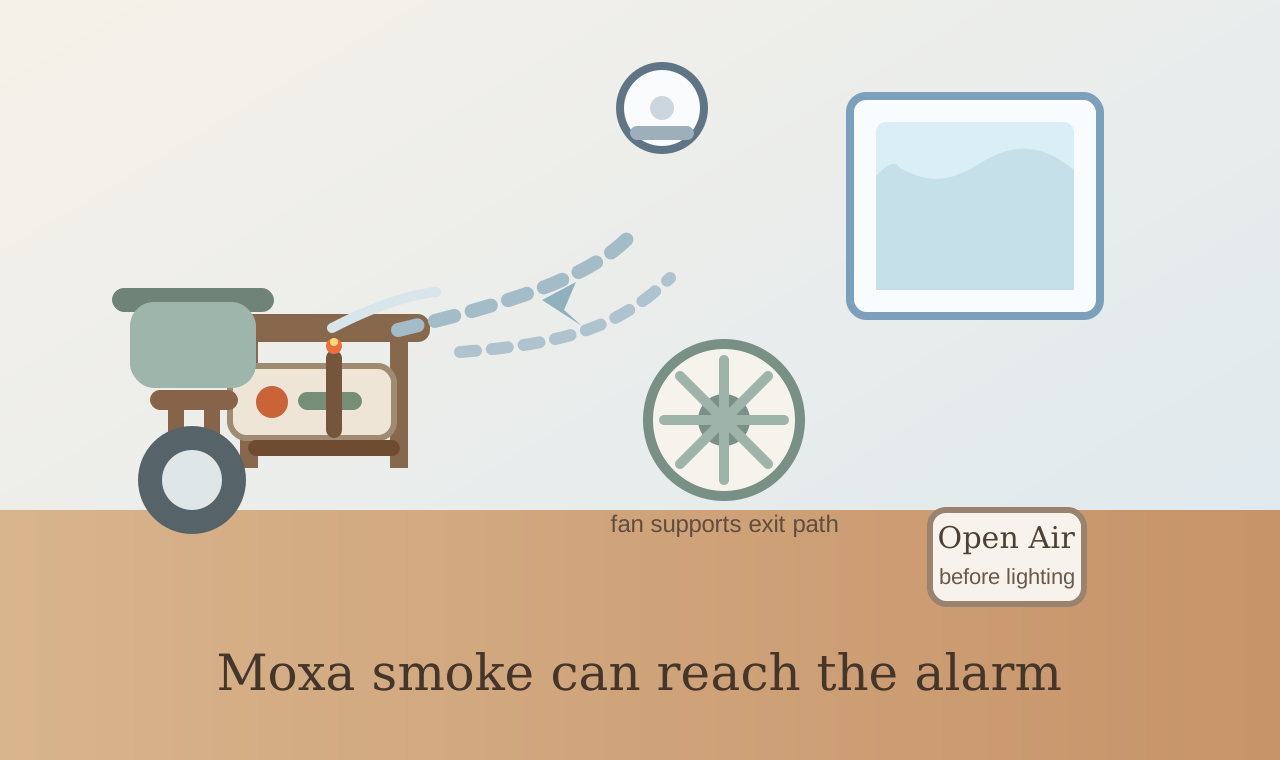
Then check the room itself. Smoke cleanup is part of aftercare because the air may still feel stale or irritating even after the visible smoke has thinned. If your space still feels heavy, review moxa stick indoor ventilation tips and how to reduce moxa smoke at home before the next session.
When can you shower, go outside, or use air conditioning?
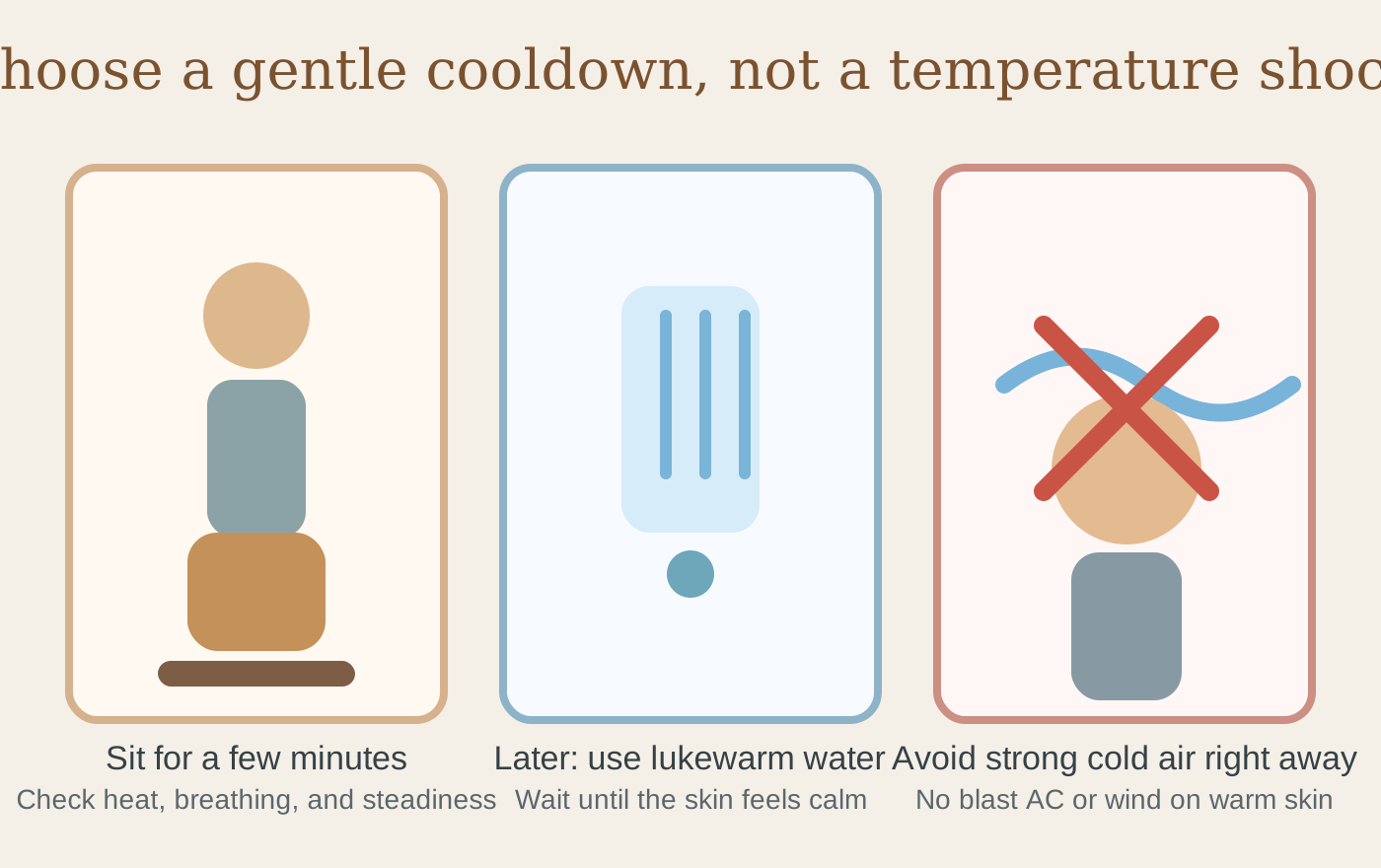
This is the question many beginners actually mean when they ask about aftercare. A practical answer is: wait until the skin has settled and your body feels normal again, then choose gentle conditions instead of a sudden temperature swing.
Some Traditional Chinese Medicine public-education sources advise avoiding an immediate bath, strong cold airflow, or abrupt outdoor exposure right after moxa. Translated into modern home use, that does not need to become a rigid superstition. It means that stepping straight from lingering warmth and smoke into a cold shower, a strong air-conditioning vent, or hot outdoor sun is not the most sensible way to finish a heat-based routine.
Use these decision rules instead:
- Do not shower while the treated area still feels unusually hot, sore, or irritated.
- When you do shower later, choose lukewarm water instead of very hot or very cold water.
- Avoid standing directly under strong AC or fan airflow right away if the skin still feels sensitive.
- If you are going outside, finish the room cleanup first and make sure you feel steady rather than tired or smoky.
This is also where common sense matters more than ritual. If the room is hot and you simply need comfort, cooling the environment gently is reasonable. The key is to avoid abrupt extremes and to notice whether the skin and breathing still feel fine. A calm transition is different from blasting cold air onto recently warmed skin.
What to do with smoke, ash, and the half-used stick
Beginners often focus on the body and forget the room. That is a mistake, because poor cleanup is one of the easiest ways to turn a manageable session into an unsafe one.
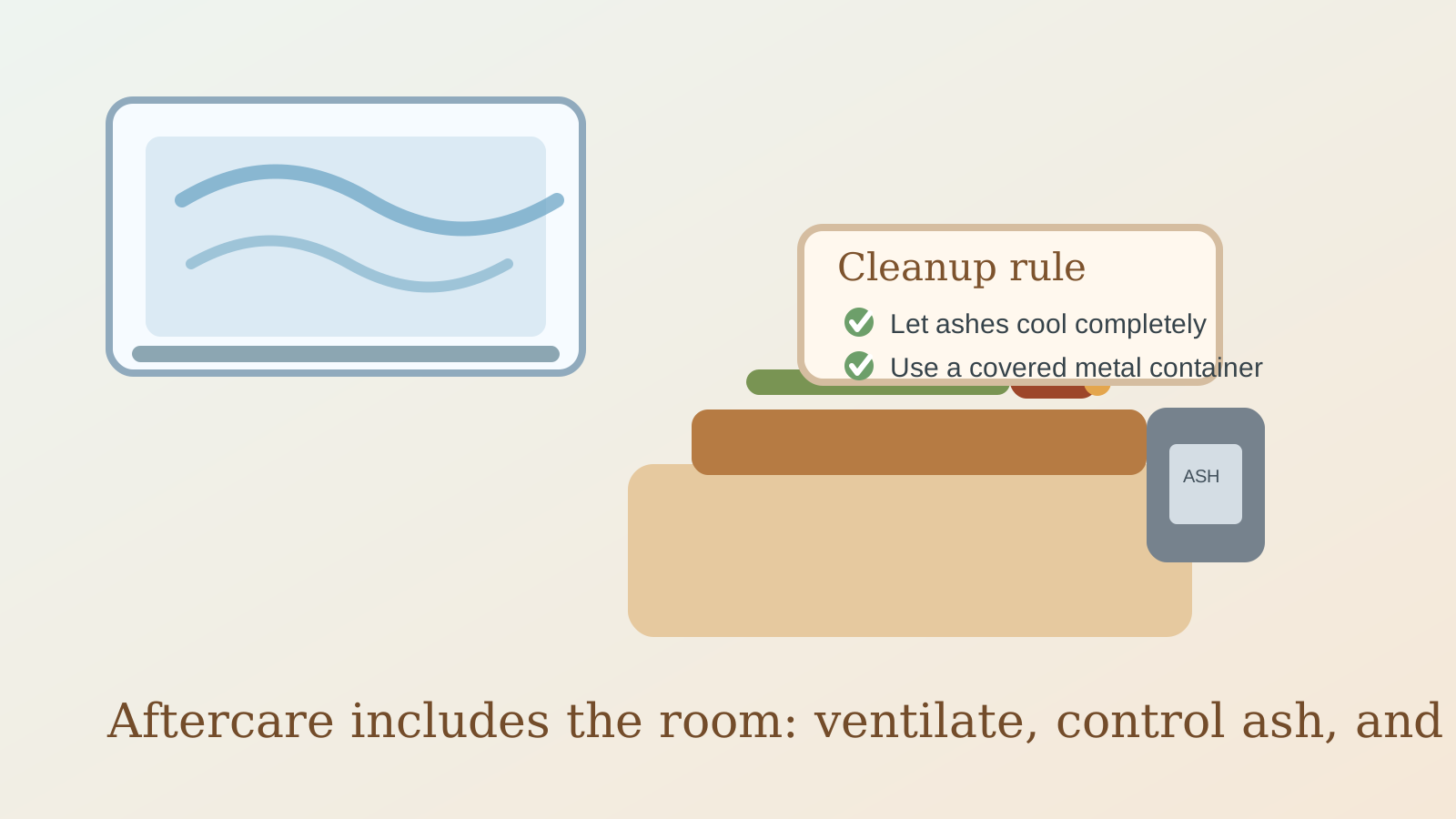
Open the ventilation path until the room smells noticeably cleaner. The U.S. Environmental Protection Agency notes that indoor pollution sources that release particles are a primary cause of indoor air problems, and inadequate ventilation can let those pollutants build up. Moxa is a traditional tool, but indoors it still creates an ordinary smoke-and-particle cleanup job.
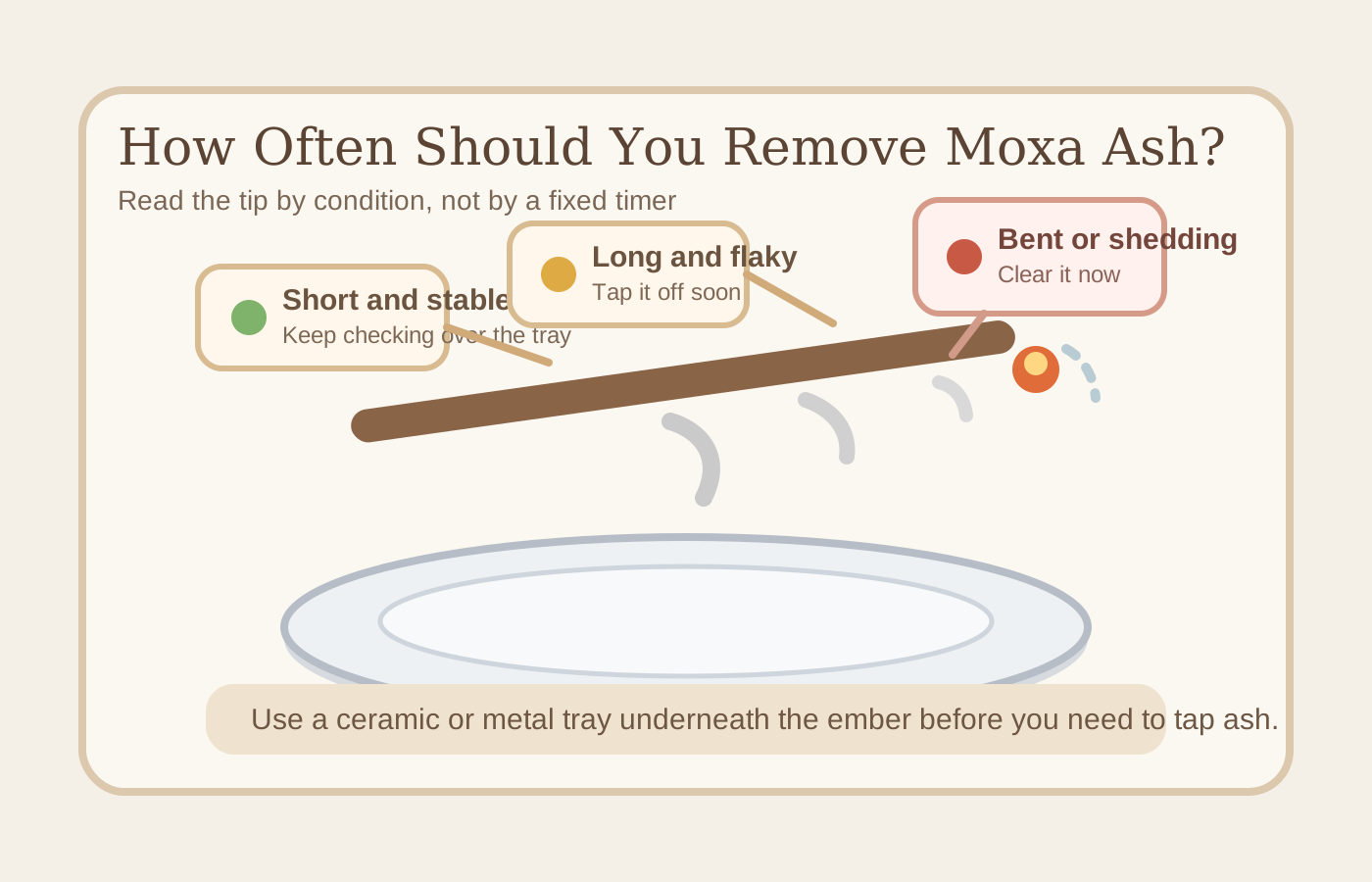
Ash handling matters too. Tap or move ash only when you can do it without scattering embers. If you need a full ash routine, how often should you remove moxa ash covers the condition-based cues. The U.S. Fire Administration recommends allowing ashes to cool, keeping them in a tightly covered metal container, and storing that container away from the home until disposal is clearly safe.
If you plan to reuse the remaining stick later, store it only after the burning end is fully out and cool. That sounds obvious, but it is exactly the kind of small shortcut that causes trouble. For broader setup habits, how to use moxa sticks at home and the /categories/safety/ hub are better references than any improvised storage habit.
Warning signs that mean stop and reassess
Aftercare is also when you decide whether home moxa still feels appropriate for you. A short session that ends with calm skin and easy cleanup is one thing. A session that ends with pain, panic, or lingering irritation is another.
Stop future sessions and reassess if you notice:
- blistering or burn-like skin changes,
- redness that keeps intensifying instead of fading,
- dizziness or nausea,
- coughing, throat irritation, or breathing discomfort,
- smoke levels that your room setup cannot manage comfortably.
Published safety reviews on moxibustion have reported adverse events such as burns, allergic reactions, coughing, and other discomforts. That does not mean every home session is dangerous. It does mean that “I finished the session” is not the same as “everything went fine.” The aftercare window is where those differences become obvious.
If you have reduced skin sensation, diabetes, neuropathy, circulation issues, broken skin, pregnancy questions, or another health concern that makes heat harder to judge, this is the point where a qualified clinician matters more than another internet tip.
A simple beginner aftercare routine
If you want an easy template, keep it in this order:
- Move the lit stick into your planned extinguishing method and confirm it is fully out.
- Check the skin in normal room light rather than guessing by feel alone.
- Open the room and let the air clear.
- Drink water if you want to, sit for a few minutes, and notice whether you feel normal.
- Delay showers, outdoor exposure, or strong AC until the skin and body feel settled.
- Write down anything that felt hard to manage before the next session.
That last step matters because good aftercare improves the next setup. If you repeatedly end a session with too much smoke, awkward ash, or uncertainty about the skin, the answer is not to normalize the problem. The answer is to shorten the next session, improve ventilation, or stop home use until you have better guidance.
Moxa aftercare should feel boring in the best way. Once the session is over, nothing dramatic should be happening. Calm skin, clean air, controlled ash, and a steady body are the signs that the routine stayed within sensible limits.
Sources and further reading
- Beijing Administration of Traditional Chinese Medicine: 三伏天不调脾,冬天胃病易“抬头”!
- U.S. Environmental Protection Agency: Introduction to Indoor Air Quality
- U.S. Fire Administration: Pictograph - Discard Ashes Safely
- PubMed Central: Safety of Moxibustion - A Systematic Review of Case Reports
Common questions
Can I shower right after moxibustion?
It is safer to wait until the skin looks calm, you feel steady, and the room air has cleared. If you do shower later, keep the water lukewarm rather than very hot or very cold.
How long should I wait before going outside after moxa?
There is no fixed universal countdown. A practical rule is to wait until you feel normal, finish cleanup, and are not stepping straight from warmth and smoke into strong wind or very cold air.
What warning signs mean I should stop future home moxa sessions?
Stop and reassess if you notice burns, blistering, persistent redness, dizziness, coughing, breathing discomfort, or anything else that feels unsafe.