Quick answer
To use moxa sticks at home safely, prepare ventilation and extinguishing tools before lighting, keep the ember at a gentle controllable distance, end the session before the heat becomes stressful, and fully clear ash and smoke afterward.
Key takeaways
- A safe moxa session starts with the room: airflow, a stable tray, and a clear way to extinguish the stick.
- The best beginner order is simple: set up, light over a tray, test gentle warmth, stop early, and shut down completely.
- If the smoke, smell, or heat feels hard to manage, the safest move is to stop and reset rather than force the routine.
To use moxa sticks at home safely, set up ventilation and a stable extinguishing station before you light anything, keep the glowing tip at a gentle distance from the skin, stop before the heat becomes sharp, and fully put the stick out before cleanup. A good home session is short, supervised, and boring in the best way.
This article is educational. It is not medical advice.
Start with the room, not the skin
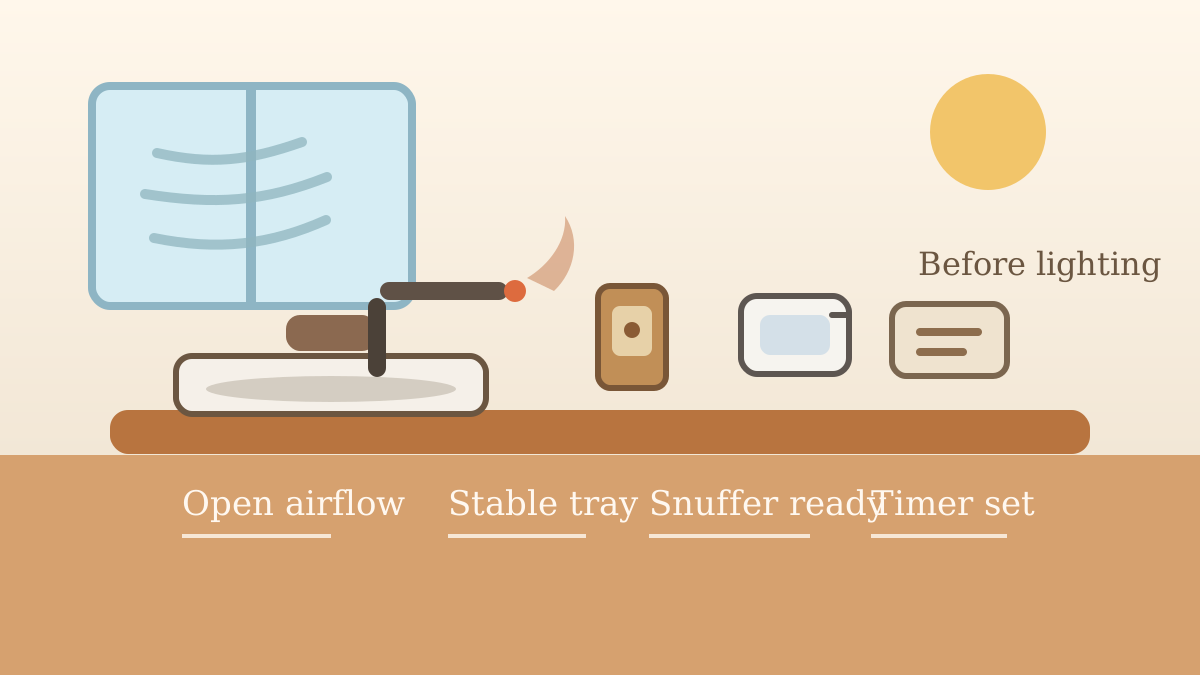
Most home-use mistakes happen before the first heat pass. Once moxa is burning, the practical concerns are simple ones: smoke, falling ash, ember control, and fire risk. The U.S. Environmental Protection Agency notes that indoor pollution sources release gases or particles into the air and that inadequate ventilation lets those pollutants build up.
Set up these basics first:
- Open the window or door you plan to use for airflow.
- Put a ceramic or metal tray under the area where you will light and handle the stick.
- Keep a snuffer, sand cup, or other reliable extinguisher within easy reach.
- Remove loose paper, towels, bedding, aerosol sprays, and other flammables from the work area.
- Use a timer so you do not drift into a long session by accident.
If the room cannot be ventilated well, postpone the session. The same goes for evenings when you are too tired to supervise a live ember carefully. For a fuller room-planning checklist, see moxa stick indoor ventilation tips and best moxibustion tools for beginners.
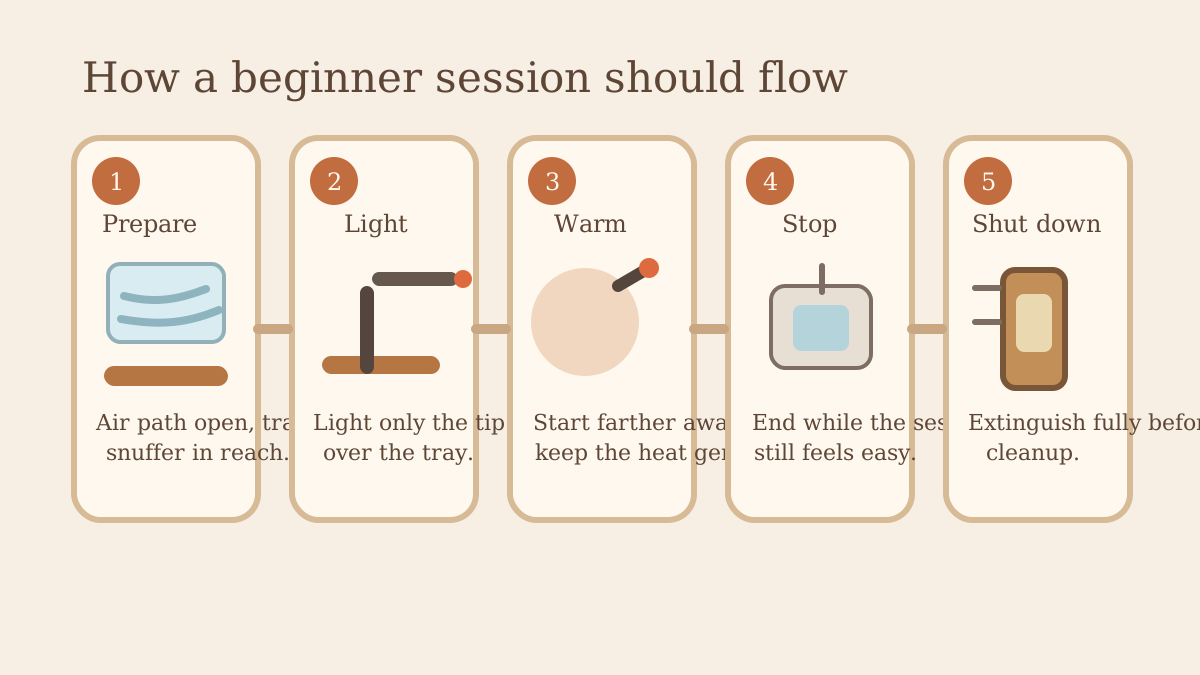
The safest beginner order is setup, light, warm, stop, shut down
Beginners often ask for a perfect technique, but the better question is the order of a safe session.
1. Set up everything before ignition
Do not light the stick first and then look for the tray or extinguisher.
2. Light only the tip over the tray
Hold the stick over the tray and rotate it until the end glows evenly. You want a controlled ember, not a dramatic open flame. If you need the step-by-step lighting routine, follow how to light a moxa stick safely.
3. Start farther away than you think you need
For beginners, a gentler first pass is smarter than chasing strong heat. Move the stick slowly enough to notice how the warmth builds.
4. Stop while the session still feels easy to control
The goal is not to use every possible second of burn time. A short session with stable heat is better than a longer one that leaves the room smoky or the skin irritated. If you are unsure how long that usually means, how long should you use a moxa stick explains the difference between session length and full stick burn time.
5. Extinguish fully before you do anything else
Do not set the stick aside and assume the glow is gone. Use a proper extinguishing method immediately. How to extinguish a moxa stick safely covers the shutdown options in detail.
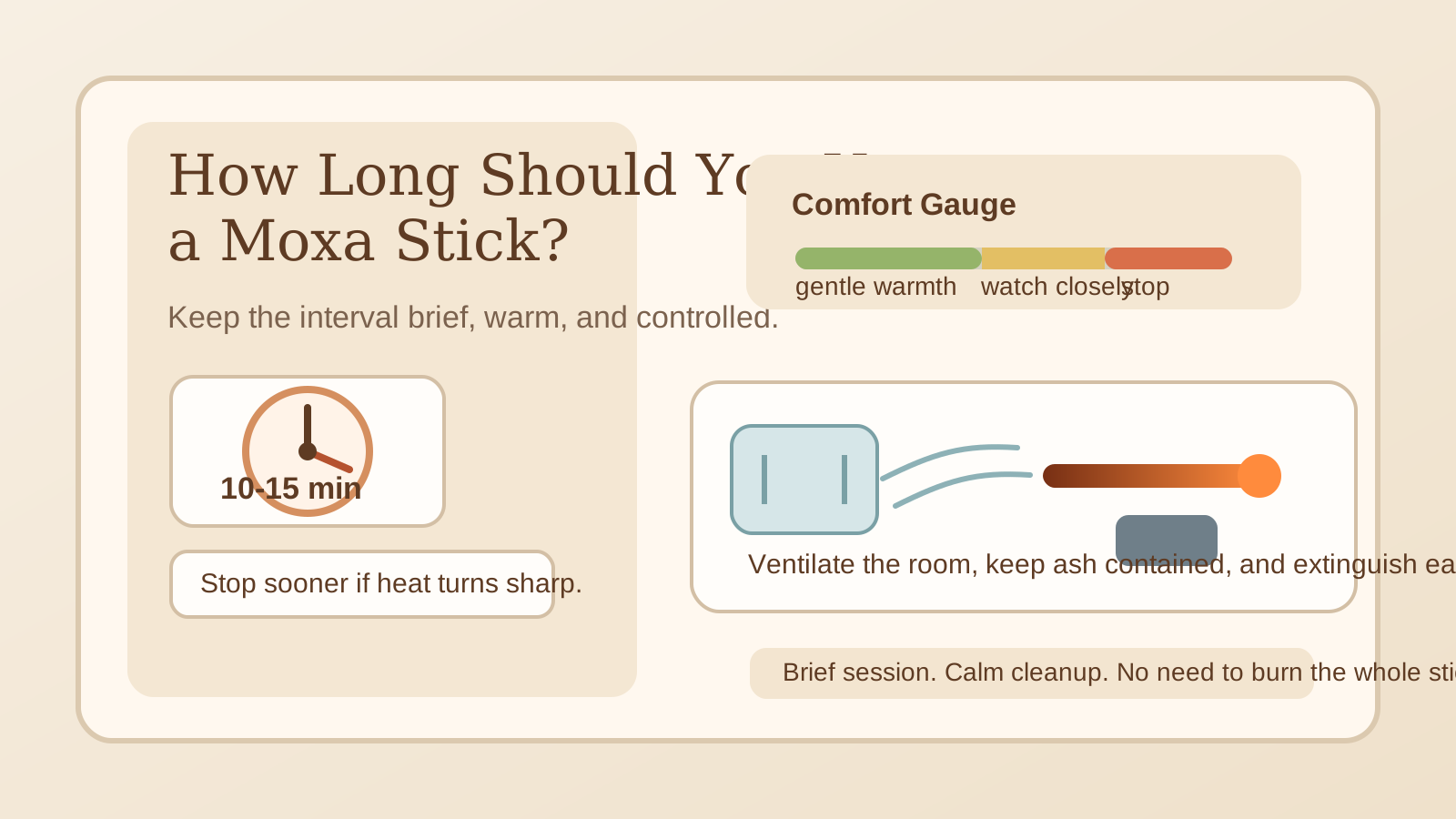
How warm should a moxa stick feel?
The correct feeling is gentle, even, and easy to interrupt. If the warmth feels sharp, itchy, painful, or stressful, the stick is too close or the session should stop.
Many beginners assume stronger heat means they are doing it “better.” It does not. Stronger heat usually just means the safety margin is shrinking.
Practical rules help:
- Keep the stick moving unless a specific holder design is doing that job safely for you.
- Recheck the skin and the feeling every few passes instead of relying on momentum.
- Do not try to prove toughness by staying with uncomfortable heat.
- Stop if the smoke, coughing, eye irritation, or room smell starts to distract from the session itself.
The NCCIH advises people not to use traditional Chinese medicine as a substitute for conventional care and to speak with a health care provider when they have health concerns. If you are pregnant, have reduced skin sensation, diabetes, neuropathy, respiratory issues, broken skin, or another condition that changes heat tolerance, ask a qualified clinician first. The broader boundaries are covered in moxibustion safety basics.
What to do after the session
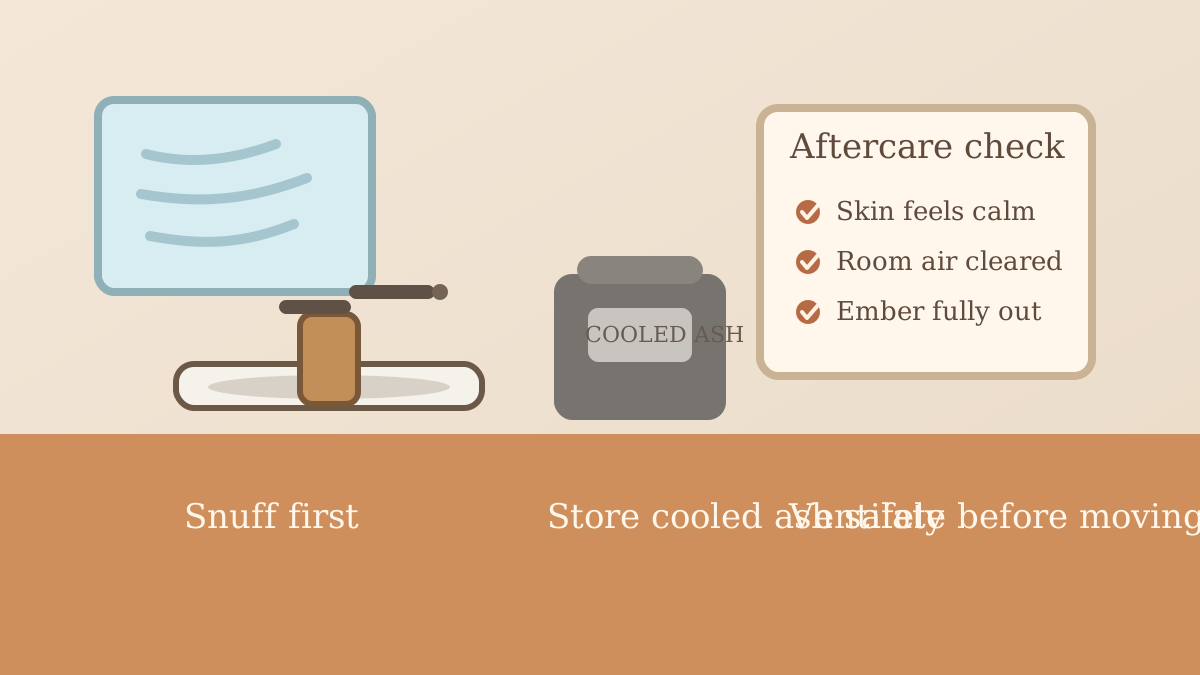
Aftercare is part of using moxa sticks well. The session is not over when the warming passes stop. It ends when the ember is out, the ash is contained, and the room is back to normal.
First, look at the skin. Mild residual warmth can happen, but persistent pain, increasing redness, blistering, dizziness, coughing, or breathing discomfort are warning signs.
Second, keep ventilating until the room feels clearly better. The EPA recommends source control and improved ventilation for indoor air quality problems, especially during short-term activities that generate pollutants. Home moxa fits that logic. Clear the room before you move on to the next part of your day.
Third, handle ash as if heat may still be hiding in it. The U.S. Fire Administration advises letting ashes cool, placing them in a tightly covered metal container, keeping that container away from the home and other buildings, and wetting the ashes before disposal.
If you want a more detailed cooldown routine, read after moxibustion care and how often should you remove moxa ash.
Common mistakes that make home moxa harder than it needs to be
Most beginner problems come from predictable shortcuts:
- lighting the stick before the room is ready,
- using a random dish instead of a stable tray or holder,
- holding the ember too close because the first gentle warmth feels “too weak,”
- stretching the session because the stick still has fuel left,
- storing a half-used stick before it is fully extinguished,
- continuing with a damp or questionable product instead of stopping.
If the stick smells musty, looks moldy, burns unevenly, or drops ash unpredictably, it is safer to stop than to troubleshoot live fire in real time. Can you use moldy moxa sticks and how to choose good moxa sticks both help with that product judgment.
The larger pattern is simple: home moxa becomes easier when you remove drama from it. The more the routine depends on improvisation, the less suitable it is for a beginner.
A simple home-use rule to remember
If you only keep one rule from this article, keep this one: prepare the room first, keep the heat gentle, and end early enough that shutdown still feels calm.
Sources and further reading
Source tiers: A/B. This article uses official U.S. indoor-air and fire-safety guidance, NIH/NCCIH caution on Traditional Chinese Medicine use, and PubMed-indexed moxibustion safety literature to support a conservative home-use framework.
- National Center for Complementary and Integrative Health: Traditional Chinese Medicine: What You Need To Know
- U.S. Environmental Protection Agency: Introduction to Indoor Air Quality
- U.S. Environmental Protection Agency: Improving Indoor Air Quality
- U.S. Fire Administration: Discard Ashes Safely
- PubMed: Safety of moxibustion: a systematic review of case reports
Common questions
Can beginners use moxa sticks at home?
Some beginners can learn the handling basics at home, but only with conservative heat, good ventilation, and a clear stop plan. Anyone with health concerns should ask a qualified clinician before trying a heat-based routine.
How close should a moxa stick be to the skin?
There is no universal number that fits everyone. Start farther away than you think you need, then adjust only if the warmth stays mild, even, and easy to tolerate.
What is the safest order for a short home session?
Prepare the room first, light the tip over a tray, keep the warmth gentle and supervised, stop while the skin still feels comfortable, and extinguish the stick fully before cleanup.