Quick answer
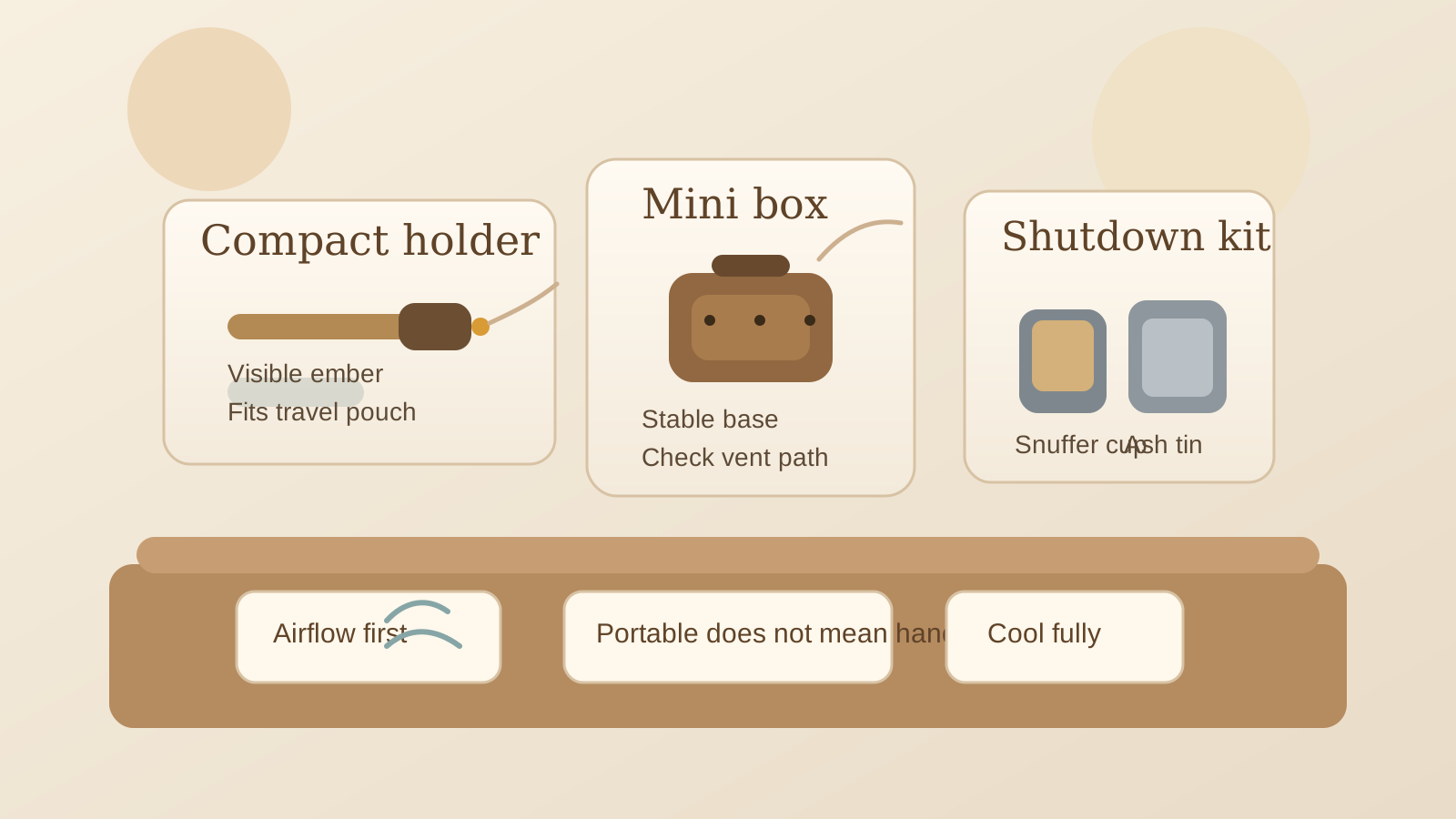
Beginners do not need a huge toolkit. The most useful moxibustion tools are the ones that make setup, ash handling, ventilation, and shutdown easier in a normal home routine.
Key takeaways
- Start with tools that reduce avoidable mistakes: a stable holder, a safe extinguishing method, and a nonflammable ash surface.
- Optional tools like moxa boxes and portable air cleaners can help, but they do not replace supervision or basic fire safety.
- The best beginner tool is one that fits your room, your smoke tolerance, and your ability to cool and store used moxa safely.
If you are new to moxa, the best tools are not the flashiest ones. They are the ones that help you manage heat, ash, smoke, and shutdown without improvising.
That matters because published safety reviews of moxibustion case reports have described problems such as burns and smoke-related discomfort. A beginner tool kit should therefore make the session simpler, not more dramatic.
What makes a tool beginner-friendly
For this topic, “best” does not mean strongest, most traditional, or most expensive. It means the tool helps a beginner stay organized and cautious.
Useful beginner tools usually do at least one of these jobs well:
- keep the burning end away from fabric and clutter,
- catch ash before it lands somewhere risky,
- make it easier to extinguish the stick completely,
- support a room setup that is easier to air out afterward,
- reduce awkward hand positions that can lead to rushed handling.
If a tool makes you more likely to leave lit moxa unattended, balance it on furniture, or ignore ventilation, it is not a good beginner tool no matter how polished the product page looks.
The core tools worth buying first
Most beginners can keep the first setup small.
1. A stable holder or handling aid
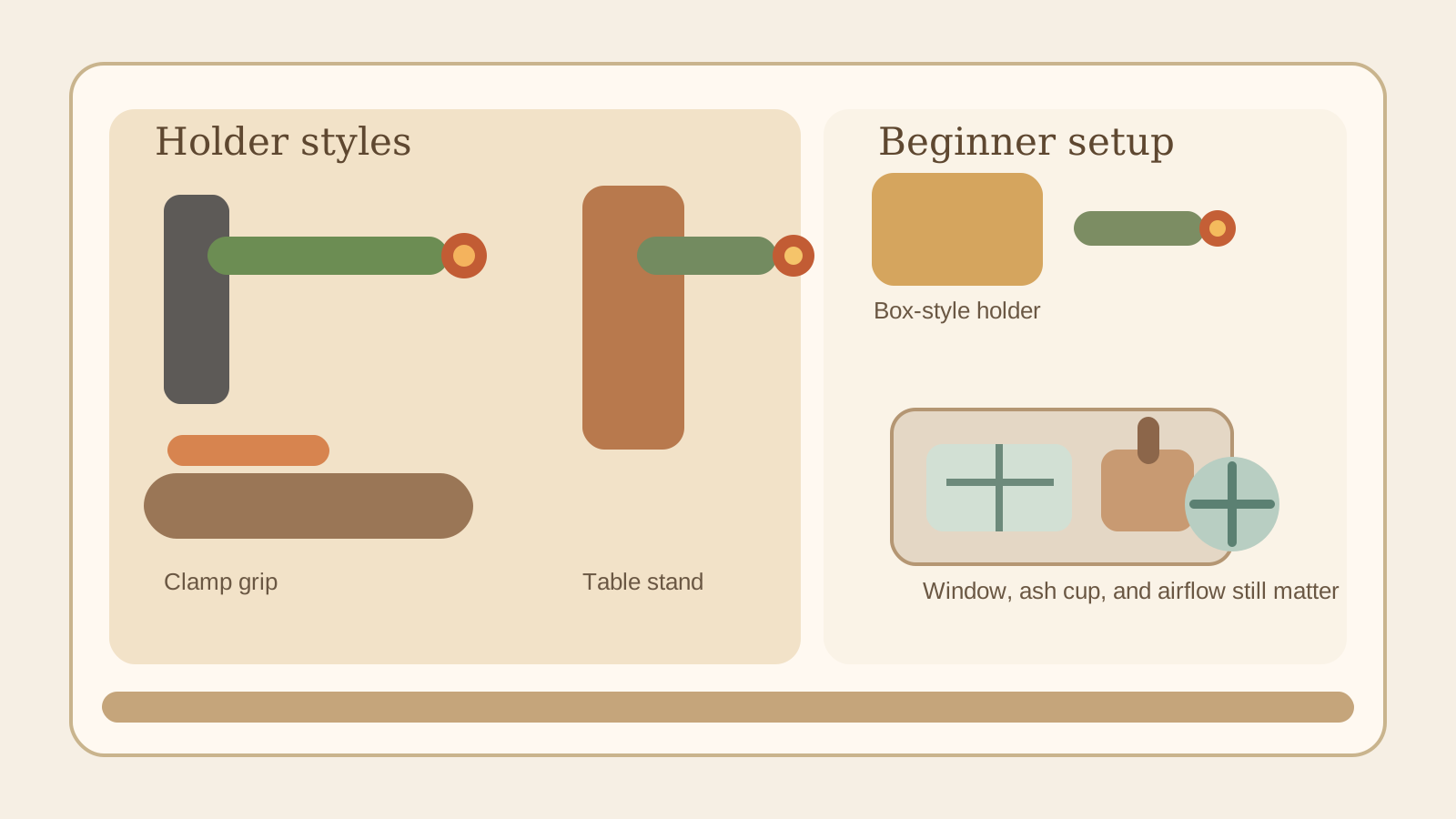
Some people use a moxa stick by hand, while others prefer a holder. The safer choice depends on your coordination, the angle you need, and whether the holder stays stable on a hard surface.
What to look for:
- a base or grip that does not wobble,
- enough distance from the burning end to protect the hand,
- a shape that keeps ash from dropping unpredictably,
- materials that are easy to wipe clean after use.
If you are comparing tools, read moxa box vs moxa stick before buying a more complicated device first.
2. A dedicated extinguishing cup
This is one of the most important beginner accessories. A safe extinguishing setup can be as simple as a snuffing tube, a ceramic cup designed for moxa, or a sand-filled container reserved for that job.
The U.S. Fire Administration’s home fire guidance for smoking materials emphasizes sturdy ash containers and fully extinguished hot material. That principle transfers well to moxa: plan the shutdown before lighting the stick.
If you still need a full shutdown routine, see how to extinguish a moxa stick safely.
3. A ceramic or metal ash dish
Do not rely on tissue, paper packaging, or the edge of a trash can to catch ash. A shallow ceramic or metal dish gives you a defined landing zone for ash flecks, trimmed ends, and cooled residue.
This is also the tool that keeps the rest of the session calmer. When you know where the ash is going, you are less likely to wave the stick around or rush the cleanup.
Tools that support the room, not just the stick
Beginners often focus only on the burning tool itself. The room tools matter too.
Fan, open window, and air-cleaning support
Moxa is a burning herbal product, so room planning is part of the setup. An open window, a fan that helps move smoke out of the room, and a nearby hard surface for cooling tools often matter more than buying a fancy handle.
EPA guidance on smoke particles and portable air cleaners is broader than moxa-specific advice, but it is still useful background for beginners who are deciding whether a small air cleaner belongs in their routine. Think of that device as backup for particulate cleanup, not permission to ignore fresh air or use moxa in a cramped room.
If indoor setup is your main challenge, read moxa stick indoor ventilation tips and how to reduce moxa smoke at home.
Surface protection and storage
A washable tray, tile, or other nonflammable surface under your working area is a modest tool that prevents avoidable mistakes. The same goes for a storage tin or dry lidded box after the session is over.
Good storage tools do not make moxa better. They help keep it dry, easier to inspect, and less likely to absorb moisture or strong household odors between sessions.
Useful, but optional, beginner tools
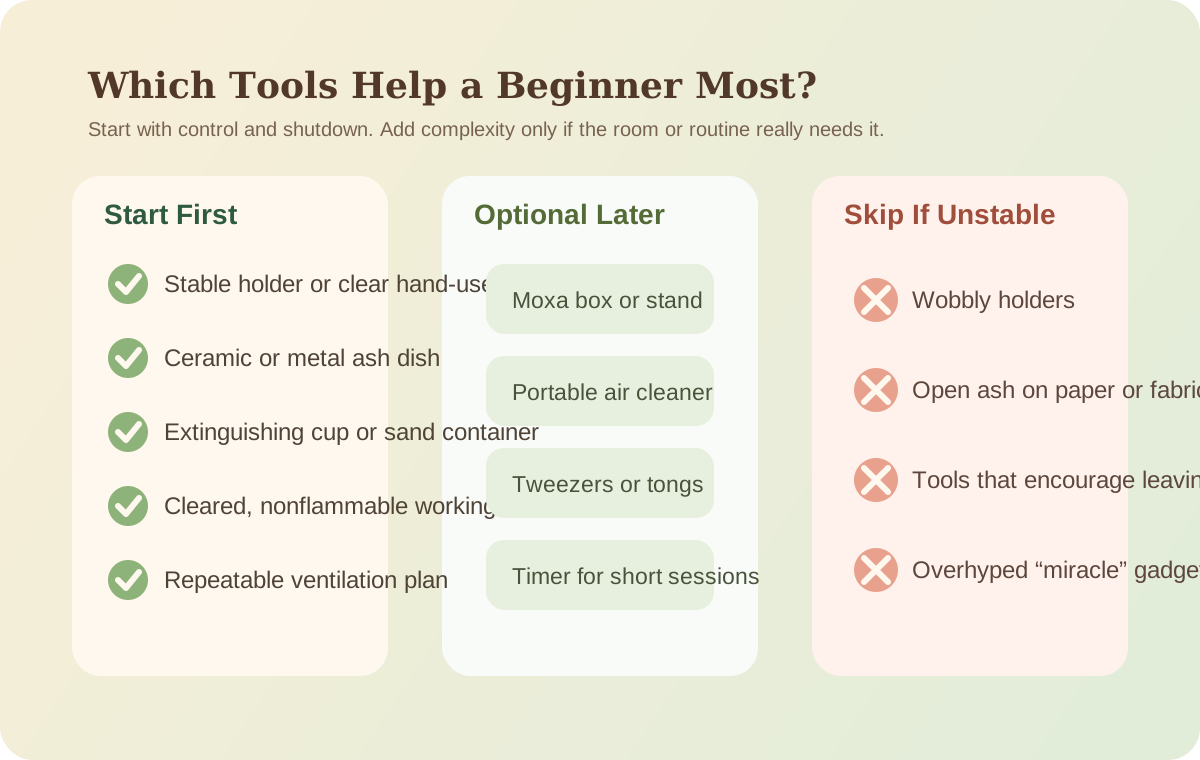
Some tools can help, but they are not mandatory for a first setup:
- a moxa box, if you understand how it changes heat spread and supervision,
- long tweezers or tongs for adjusting hot material,
- a timer to avoid drifting into a session that lasts longer than planned,
- a portable air cleaner for people who are especially sensitive to smoke lingering in the room.
These should stay optional because more equipment can create more moving parts. For a beginner, a simple routine is usually safer than a crowded one.
How to judge a tool before buying it
Before ordering any accessory, ask practical questions:
- Does it help me control ash and hot material?
- Can I set it on a stable, nonflammable surface?
- Is it easy to clean and store?
- Does it fit the size of the moxa I actually plan to use?
- Does the listing talk about handling and safety, or only hype?
Be cautious with tools that promise dramatic wellness outcomes, imply universal safety, or make ventilation sound unnecessary. A good accessory supports a careful routine. It does not erase the normal risks of heat, smoke, and ember handling.
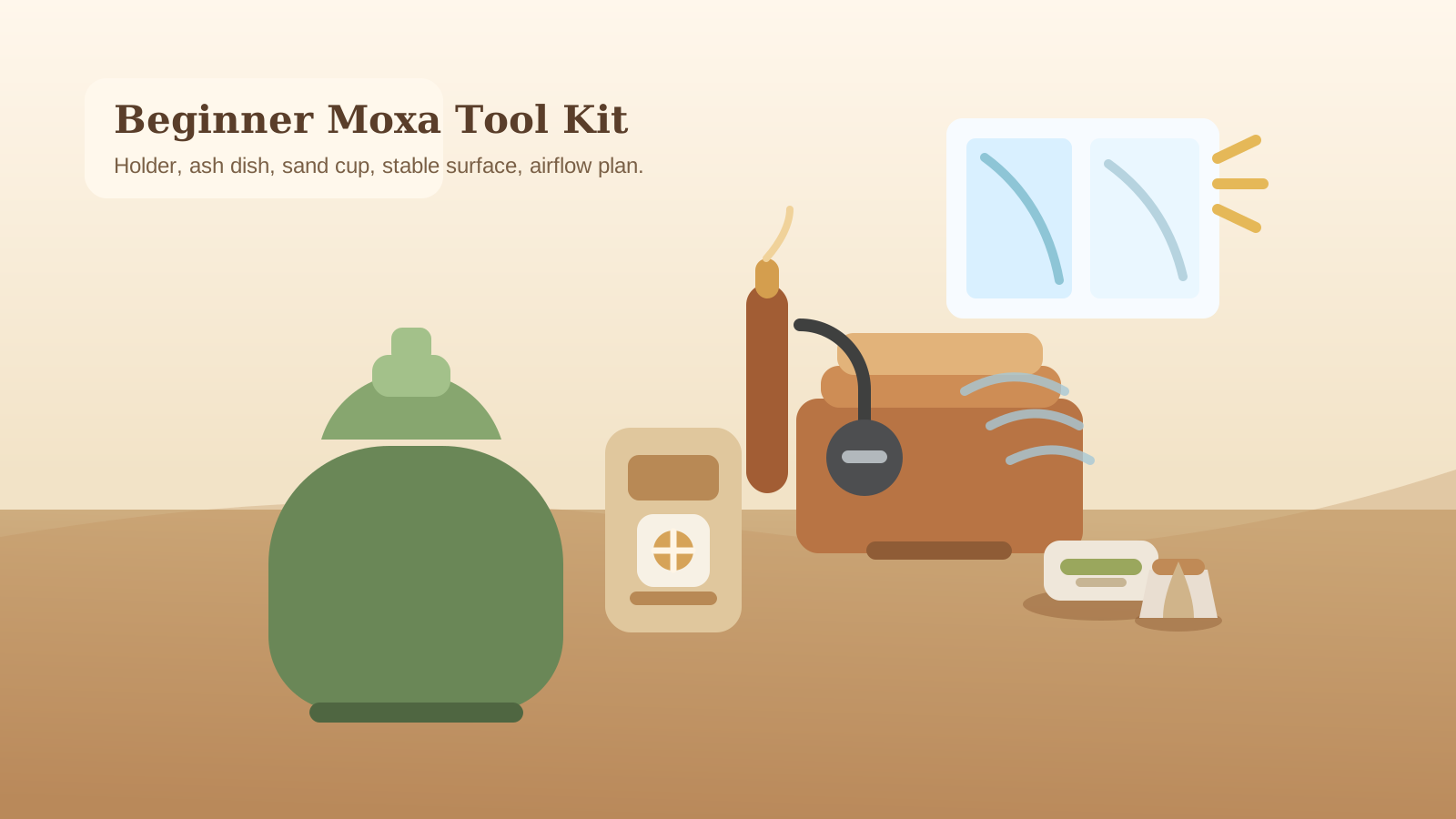
A simple starter kit for most beginners
If you want the shortest version, start here:
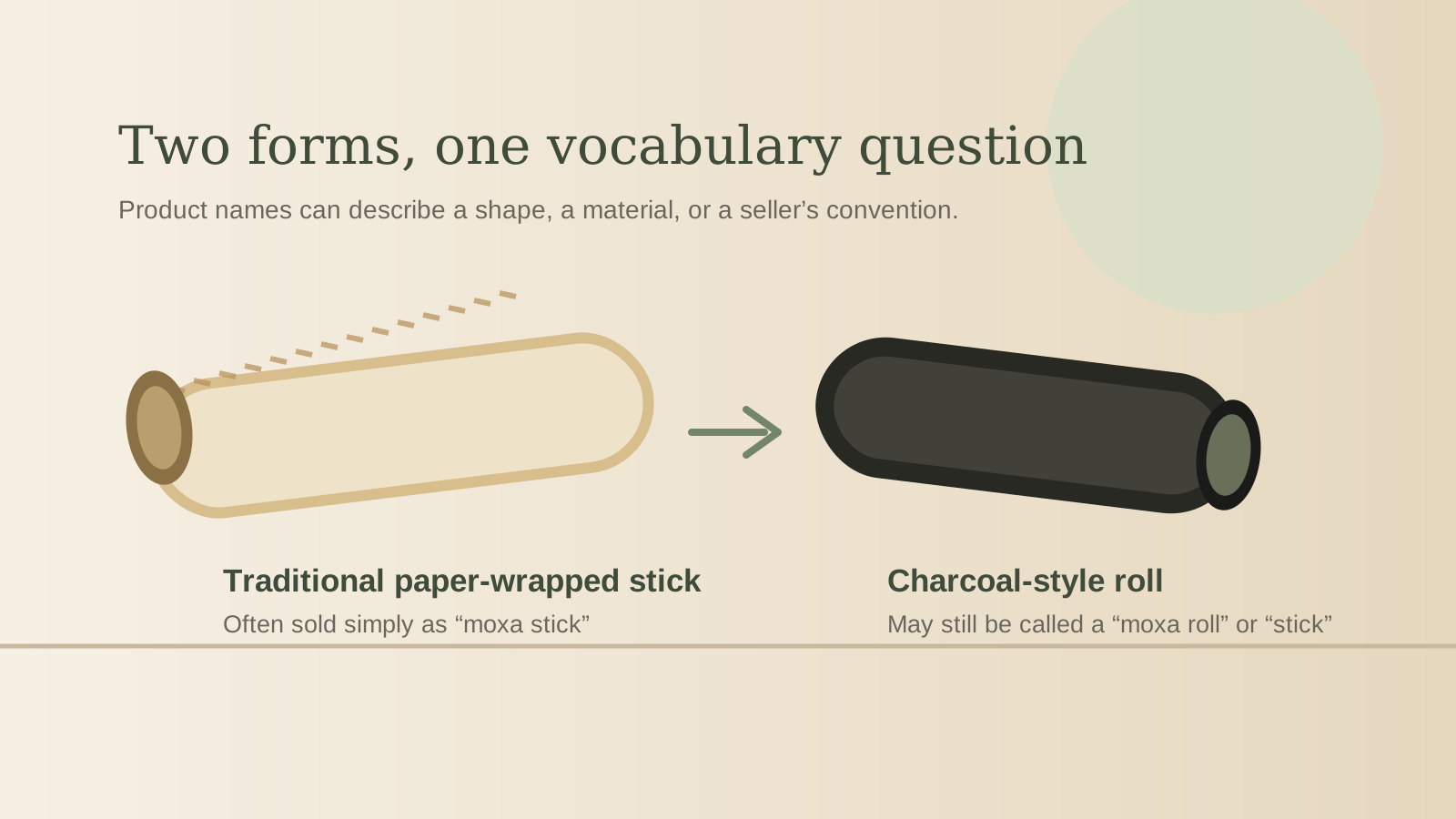
- one moxa format you can inspect easily,
- one stable holder or simple hand-use plan,
- one ceramic or metal ash dish,
- one extinguishing cup or sand container,
- one cleared, nonflammable working surface,
- one ventilation plan you can repeat every session.
That list is enough for many people. You can add a box, stand, or air cleaner later if your room or routine clearly needs it. Starting smaller makes it easier to notice what is genuinely useful instead of collecting accessories that do not improve safety.
Sources and further reading
- PubMed Central: Safety of Moxibustion - A Systematic Review of Case Reports
- U.S. Environmental Protection Agency: Wildfires and Indoor Air Quality
- U.S. Environmental Protection Agency: Create a Clean Room to Protect Indoor Air Quality During a Wildfire
- U.S. Fire Administration: Smoking Fire Safety
Common questions
What tools do I need to start moxibustion at home?
A simple beginner setup usually includes the moxa itself, a stable holder if needed, a ceramic or metal dish for ash, and a safe way to extinguish the stick fully.
Is a moxa box better than a handheld moxa stick?
Not automatically. A moxa box changes heat spread and supervision style, so some beginners prefer to learn basic handling first.
Do I need an air purifier for moxibustion?
Not always, but some people find a portable air cleaner helpful if smoke or lingering odor is a concern. It should support ventilation habits, not replace them.