Quick answer
Indoor moxa ventilation works best when the room has a clear fresh-air path, the fan supports air movement without blowing directly at the ember, and ash cleanup is planned before the session starts.
Key takeaways
- The best ventilation setup is simple: one fresh-air entry, one exit path, and enough space to keep smoke away from your face.
- A fan can help move air toward a window or door, but it should not blow directly on the burning tip or scatter ash.
- If the room gets hazy, irritating, or hard to tolerate, stop the session rather than trying to power through it.
If you plan to use a moxa stick indoors, ventilation should be part of the setup before the stick is lit. Moxa is a burning plant product, so the room needs a simple way to move smoke, odor, and warm air away from you instead of letting everything collect in one corner.
That does not require a complicated machine. Most beginners do better with a modest routine: pick a room that can exchange air, set up one clear airflow path, keep fabrics and ash under control, and stop early if the room starts feeling heavy.
Ventilation starts before ignition
The U.S. Environmental Protection Agency explains that source control and outdoor-air exchange are core ways to improve indoor air quality. That general guidance fits indoor moxa use well because the simplest way to keep the room comfortable is to set up the space so smoke is less likely to build up in the first place.
In practical terms, that means asking a few questions before lighting the stick:
- Can this room bring in fresh air from outside?
- Does the air have a clear way to leave?
- Is the setup far enough from curtains, bedding, paper, and other easy-to-scent surfaces?
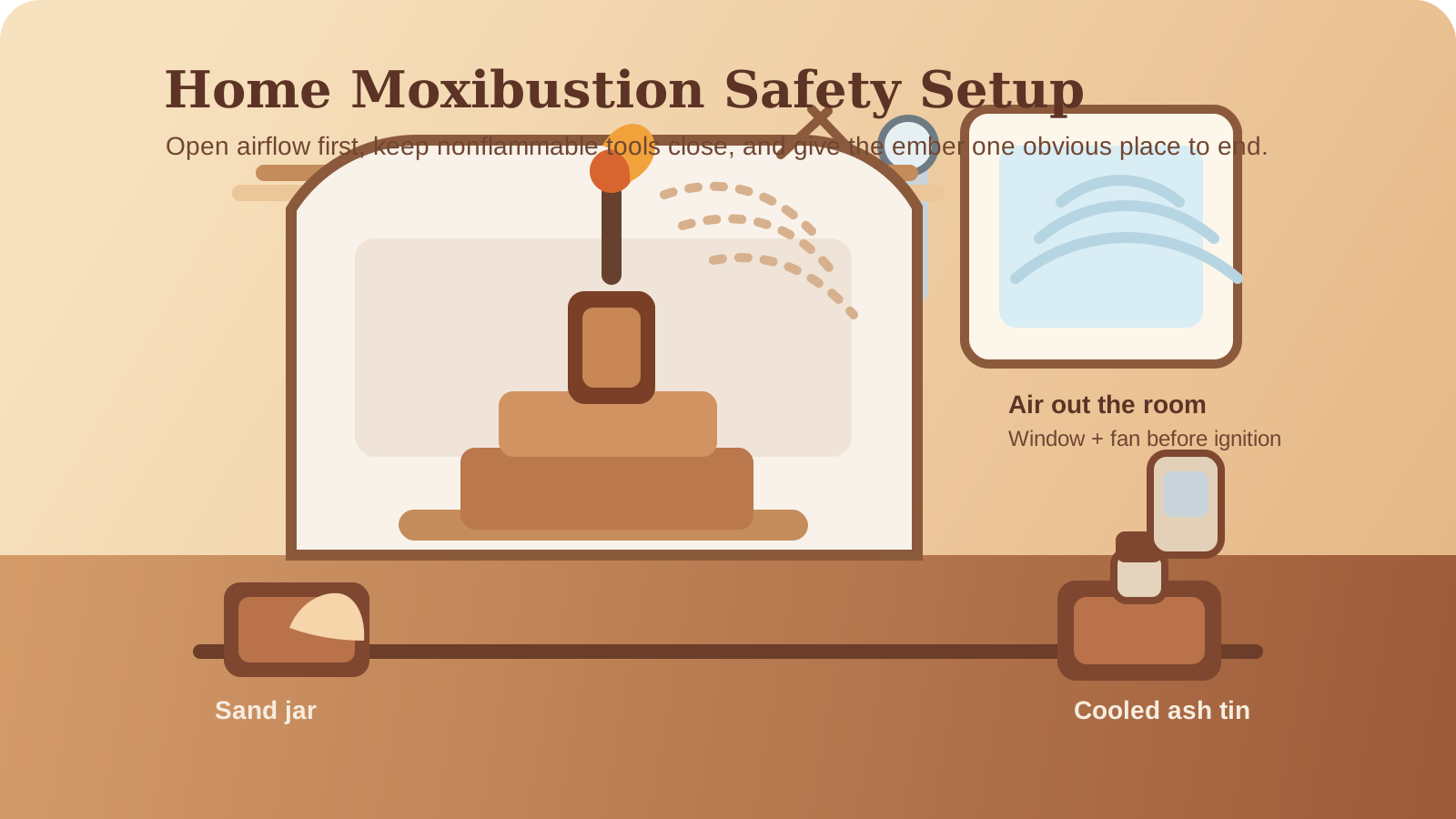
- Do you already have a holder, ash dish, and extinguisher ready?
If the answer to most of those questions is no, the room is probably the first thing to change.
Choose a room that can actually exchange air
A larger room is not automatically better, but a room with an openable window and a second air path is usually easier to manage than a small closed bedroom or storage corner. Many indoor moxa problems begin when the space is chosen for privacy instead of airflow.
Useful room features include:
- one window that can stay open during the session,
- a door or second opening that helps air move across the room,
- a hard stable surface for the holder and ash container,
- enough clearance to keep the burning area away from hanging fabric and soft furnishings.
If you need help deciding whether the room is workable, a simple test is to stand in the space for a minute after opening the window and door. If the air still feels completely still, the room may need a fan-assisted path or a shorter session.
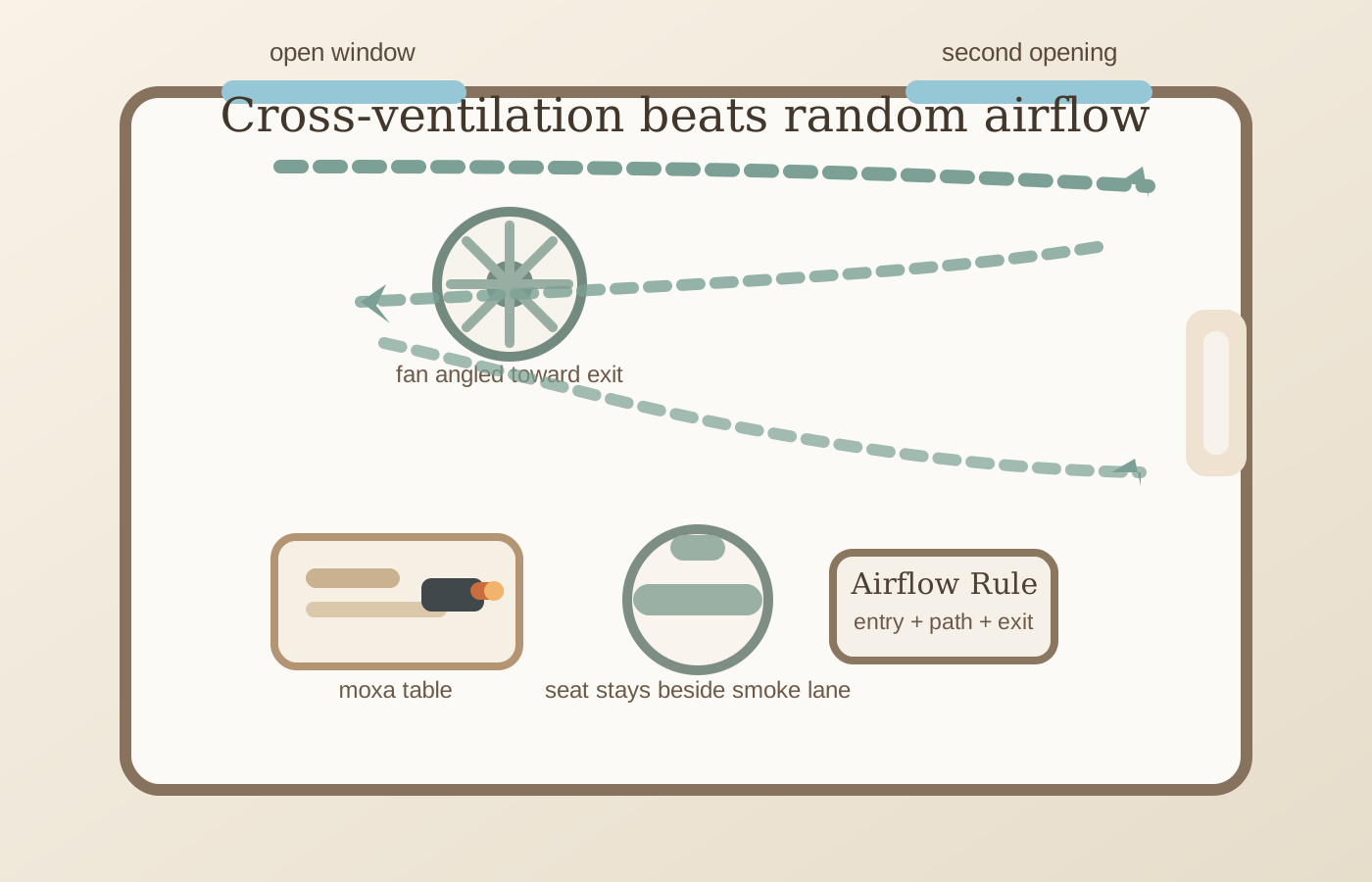
Build one simple airflow path
Many beginners think “more fan” automatically means better ventilation. The goal is not turbulence. The goal is direction.
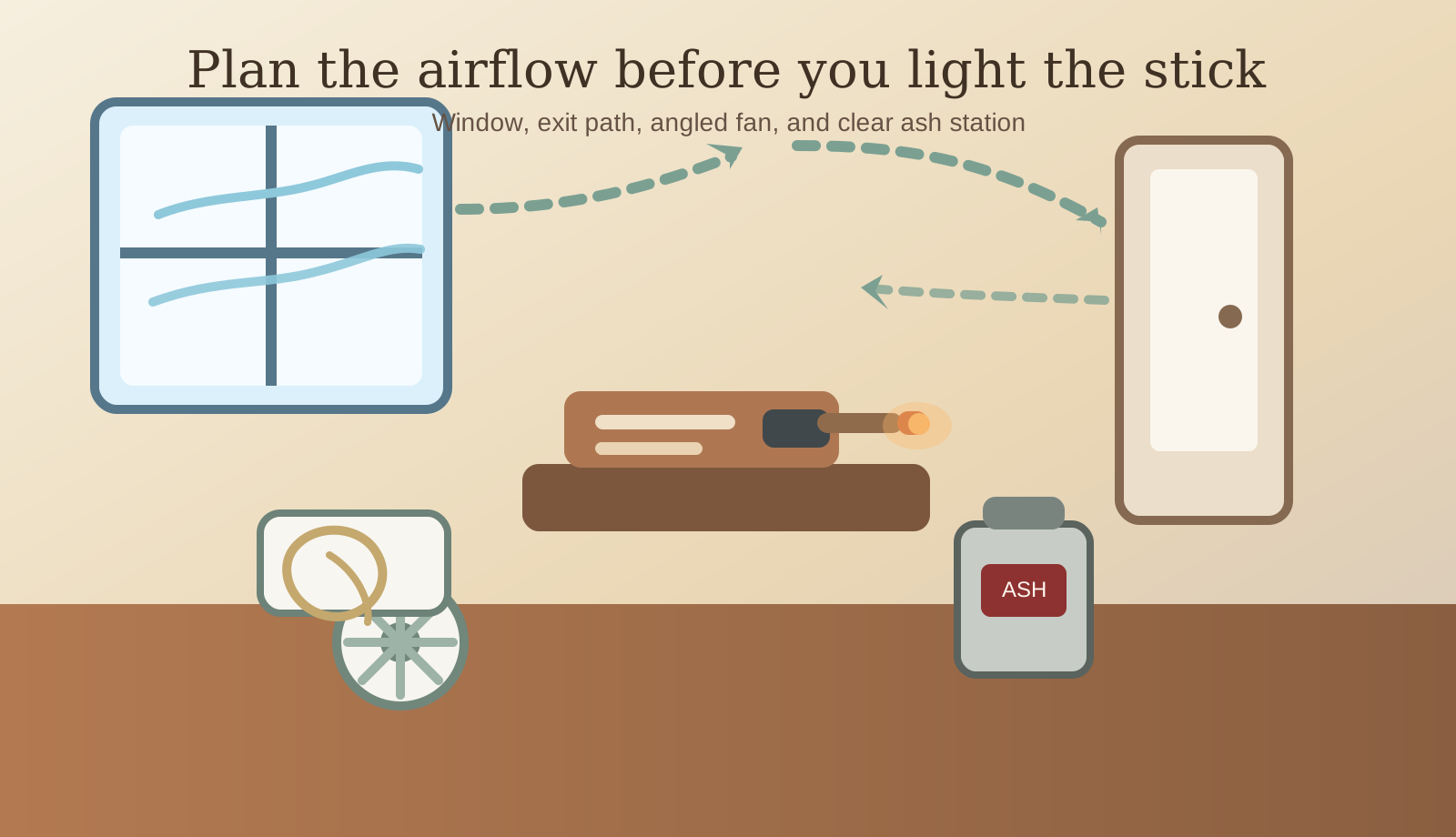
A useful indoor pattern is:
- Open the main window first.
- Open a door or second opening if possible.
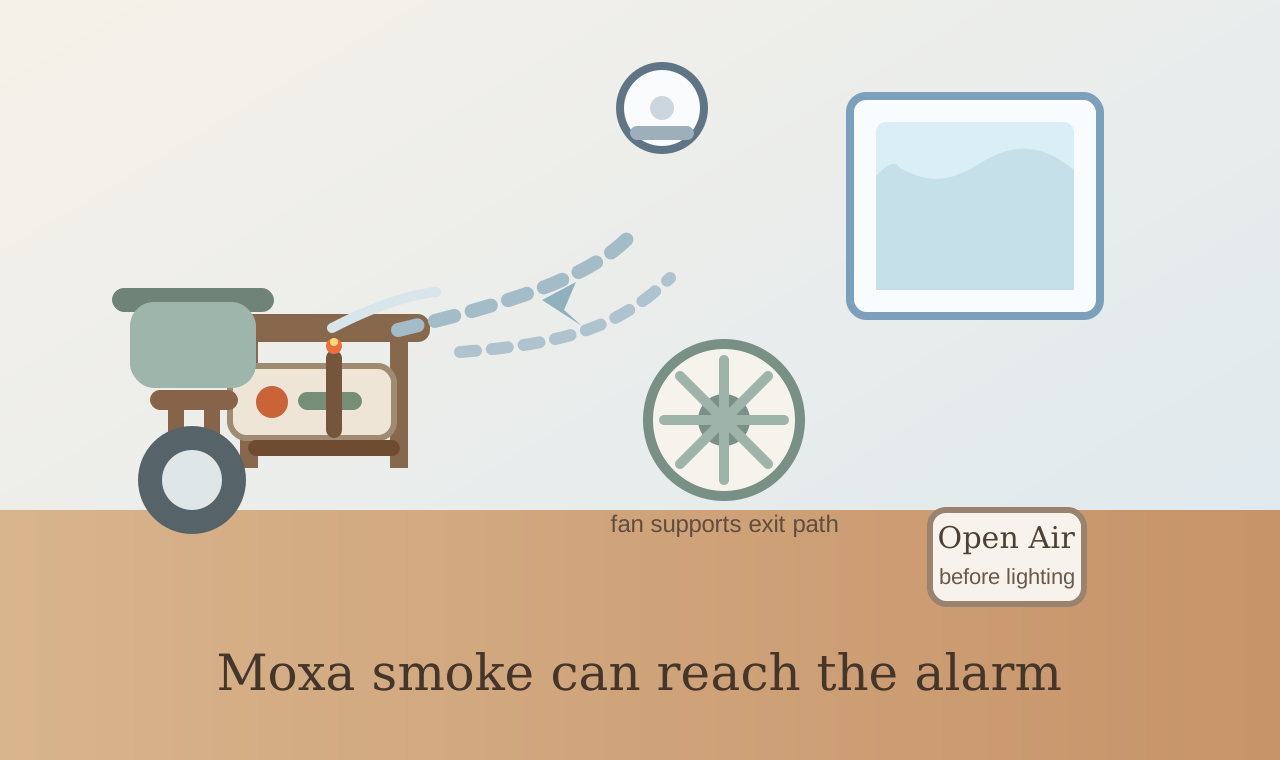
- Place a fan so it supports smoke moving toward the exit path.
- Keep the seat or treatment position out of the direct smoke lane.
The fan should help move air across the room, not blast the glowing tip. Strong direct airflow can make the burn behave less predictably or disturb ash. If you want broader smoke-control advice beyond room setup, read how to reduce moxa smoke at home.
Keep ash, ember, and fabric out of the airflow lane
Ventilation and fire safety need to work together. A fan that moves smoke usefully can still be a poor setup if it blows across loose ash, lightweight cloth, or paper. The U.S. Fire Administration advises cooling ashes fully and using a tightly covered metal container for disposal, which is a useful habit for any ember-producing home routine.
For indoor moxa, that means:
- keep loose towels, tissues, paper packaging, and sleeves away from the burn area,
- use a stable nonflammable holder or tray,
- place the ash container where it will not be tipped by moving air,
- extinguish the stick fully before the ventilation cleanup stage.
The room should feel organized, not improvised. If the setup looks crowded before lighting, it usually feels worse once smoke and heat are added.
What to do when outdoor air is poor
Ventilation is not always as simple as “open everything.” If outdoor air is heavily polluted, smoky from another source, or extremely uncomfortable, a long indoor moxa session may not make sense that day.
In that situation, the safer response is usually to scale down:
- shorten the session,
- choose a room with the cleanest available air path,
- add post-session airing once outdoor conditions improve,
- or postpone the session altogether.
Portable air cleaning may help as a support step, but it should not replace source control or safe extinguishing. If the room only feels tolerable with several workarounds stacked together, that is useful information about the limits of the space.
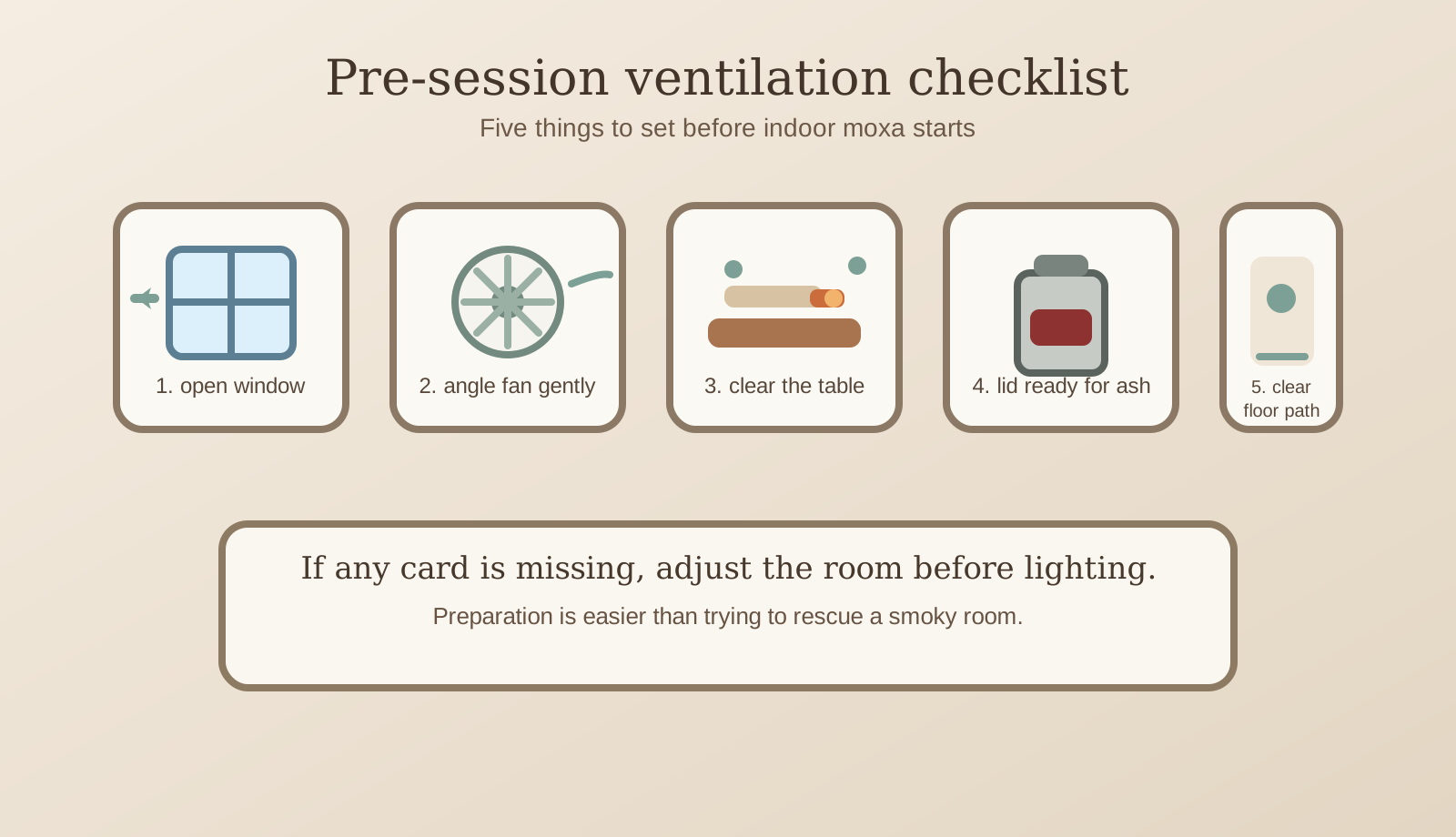
A beginner checklist before lighting the stick
Use this quick setup check:
- Window open.
- Second air path available if possible.
- Fan angled to support airflow, not the ember.
- Holder, ash dish, and extinguisher within reach.
- Curtains, bedding, and paper moved away.
- Cooled-ash container ready for cleanup.
- Session length kept modest for the room size.
This kind of short checklist is more useful than trying to fix the room after it already feels smoky.
When ventilation is not enough
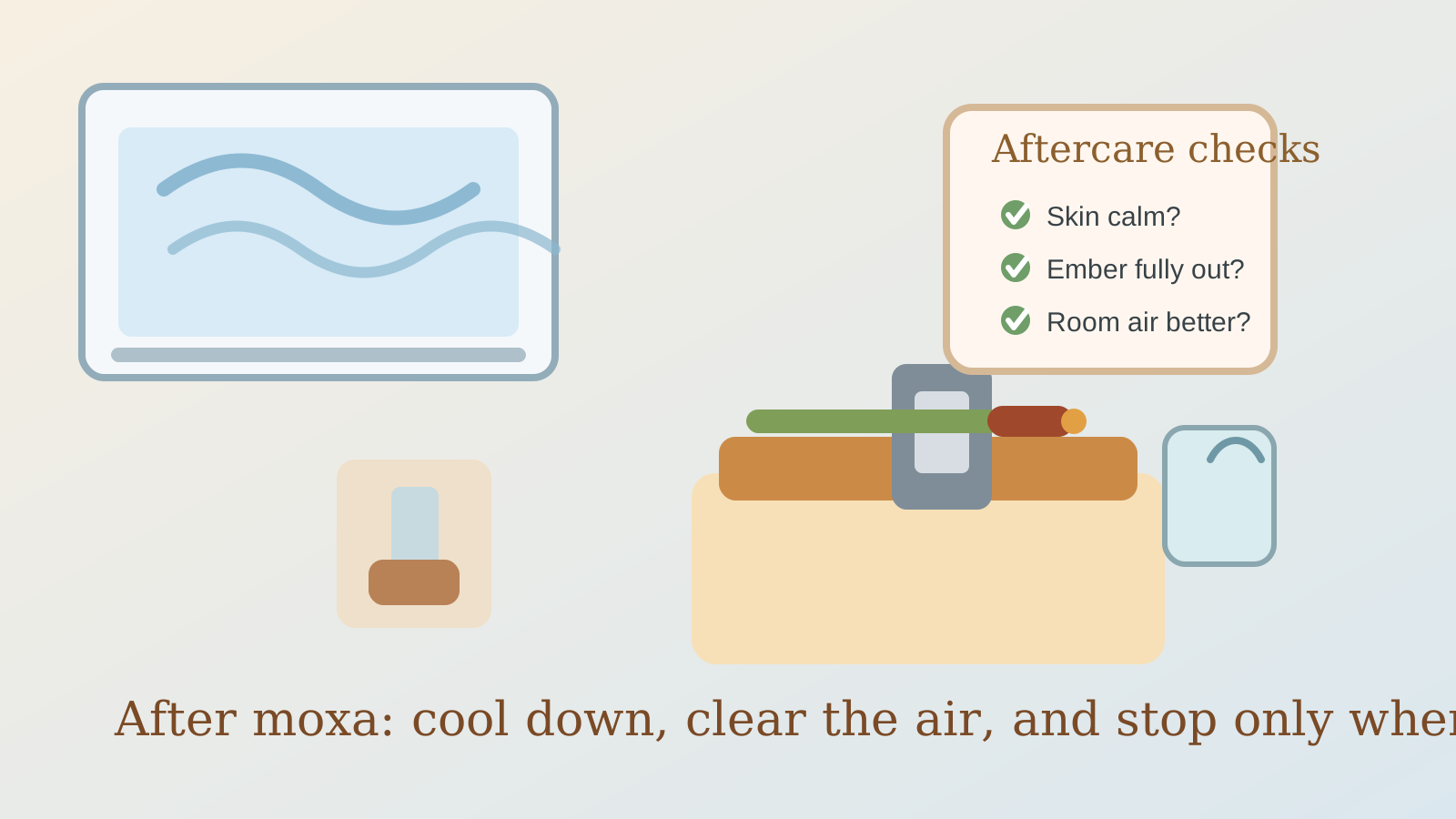
Stop the session if the room becomes hazy, if your eyes or throat feel irritated, or if you notice coughing, headache, dizziness, nausea, or breathing discomfort. Move to fresher air and reassess the setup instead of assuming you just need a stronger fan.
People with asthma, other respiratory concerns, smoke sensitivity, reduced heat sensation, pregnancy questions, or uncertainty about whether burning moxa is appropriate for them should ask a qualified healthcare professional before trying home use.
Indoor moxa should feel controlled from start to finish. If it keeps becoming a ventilation problem, that is not a small detail. It is a sign to change the room, shorten the session, switch tools, or pause home use entirely.
Sources and further reading
- U.S. Environmental Protection Agency: Improving Indoor Air Quality
- U.S. Environmental Protection Agency: What can I do to improve indoor air quality in my home?
- U.S. Fire Administration: Discard Ashes Safely
- PubMed: Safety of moxibustion: a systematic review of case reports
Common questions
What is the best room for using a moxa stick indoors?
A room with an openable window, a second air path such as a door or exhaust route, and a stable surface away from curtains or bedding is usually easier to ventilate than a small closed room.
Should a fan point directly at a moxa stick?
No. It is usually better to use gentle airflow that moves smoke toward an exit path without blowing directly at the glowing tip or disturbing ash.
What if the room still feels smoky?
Stop, extinguish the stick safely, move to fresher air, and reassess the room, session length, and whether indoor moxa fits that space.