Quick answer
If a moxa stick smells musty, looks fuzzy or spotted, or feels damp, the safest answer is not to use it. Mold points to a moisture problem, and a fresh replacement is safer than trying to dry out and burn a compromised product.
Key takeaways
- Do not burn moxa sticks that smell musty, show fuzzy growth, or feel damp.
- Mold on moxa usually means the storage environment was too humid or the product absorbed moisture.
- The practical fix is discard the affected sticks, check nearby stock, and improve storage before buying or opening more.
No. If a moxa stick smells musty, shows fuzzy or powdery spots, or feels damp, the safer answer is to stop there and discard it. Mold is a storage failure, not a sign that the moxa is extra aged or stronger.
That matters because moxa is a dried plant product that is meant to burn. Once moisture and mold enter the picture, the goal should shift from “Can I still use this?” to “How do I replace it and prevent the same problem from happening again?”
Why mold changes the answer
The U.S. Environmental Protection Agency explains that indoor mold growth should be avoided and that moisture control is the key to preventing it. That guidance is about homes in general, but it fits moxa storage well because moxa sticks combine dried plant fiber, paper wrapping, and household air exposure.
In other words, mold on moxa is not a cosmetic detail. It usually means the stick spent time in conditions that were too damp for a dry combustible product.
That is also why this topic should be kept separate from aged moxa. Aged moxa is a product description about stored mugwort material. Moldy moxa is a damaged product. The two ideas are not interchangeable.
What moldy moxa can look or smell like
Not every color change means mold. Some moxa looks greener, some looks more yellow-tan, and smokeless products may look darker. What matters is whether the product now shows clear signs of moisture damage.
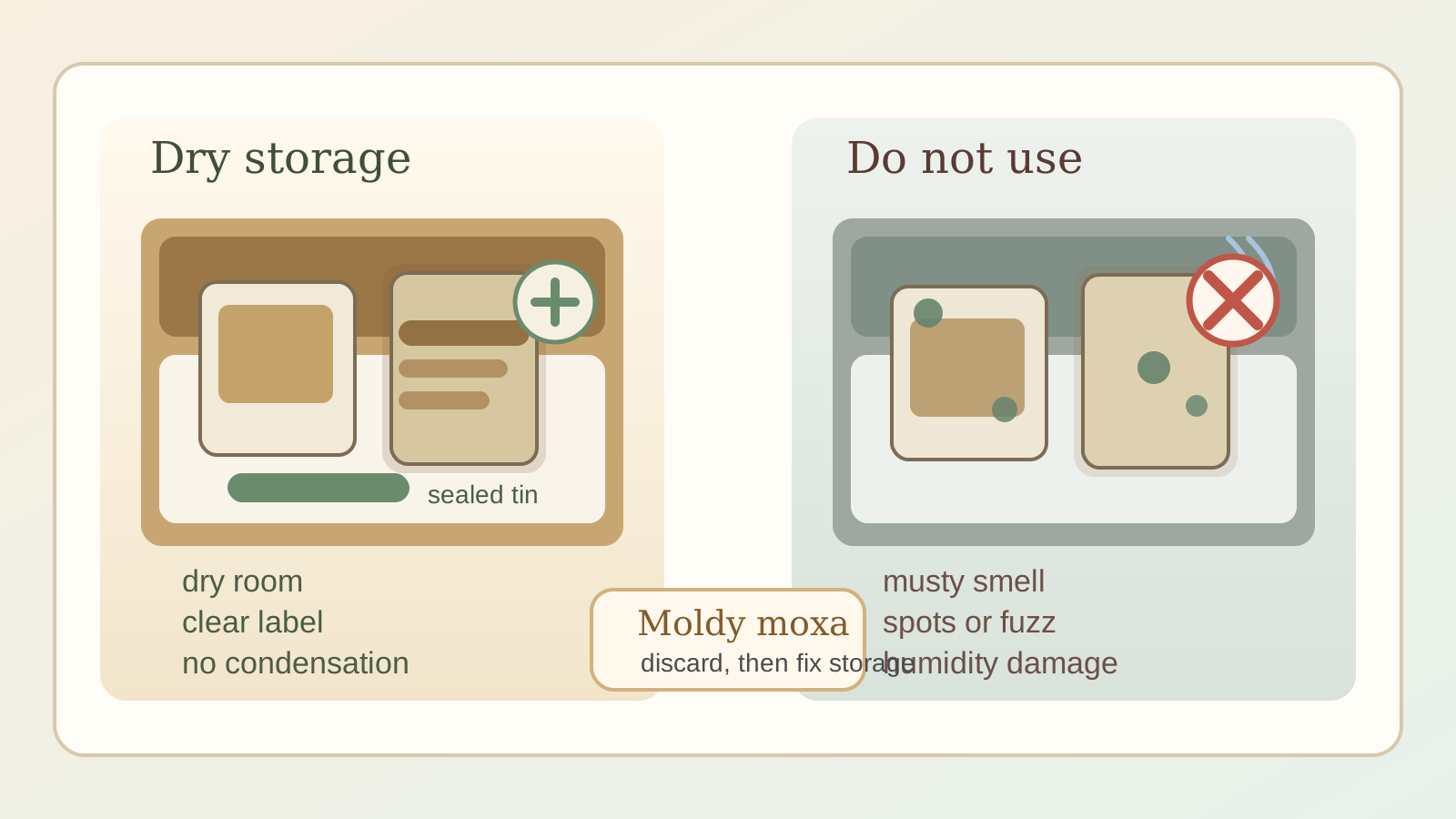
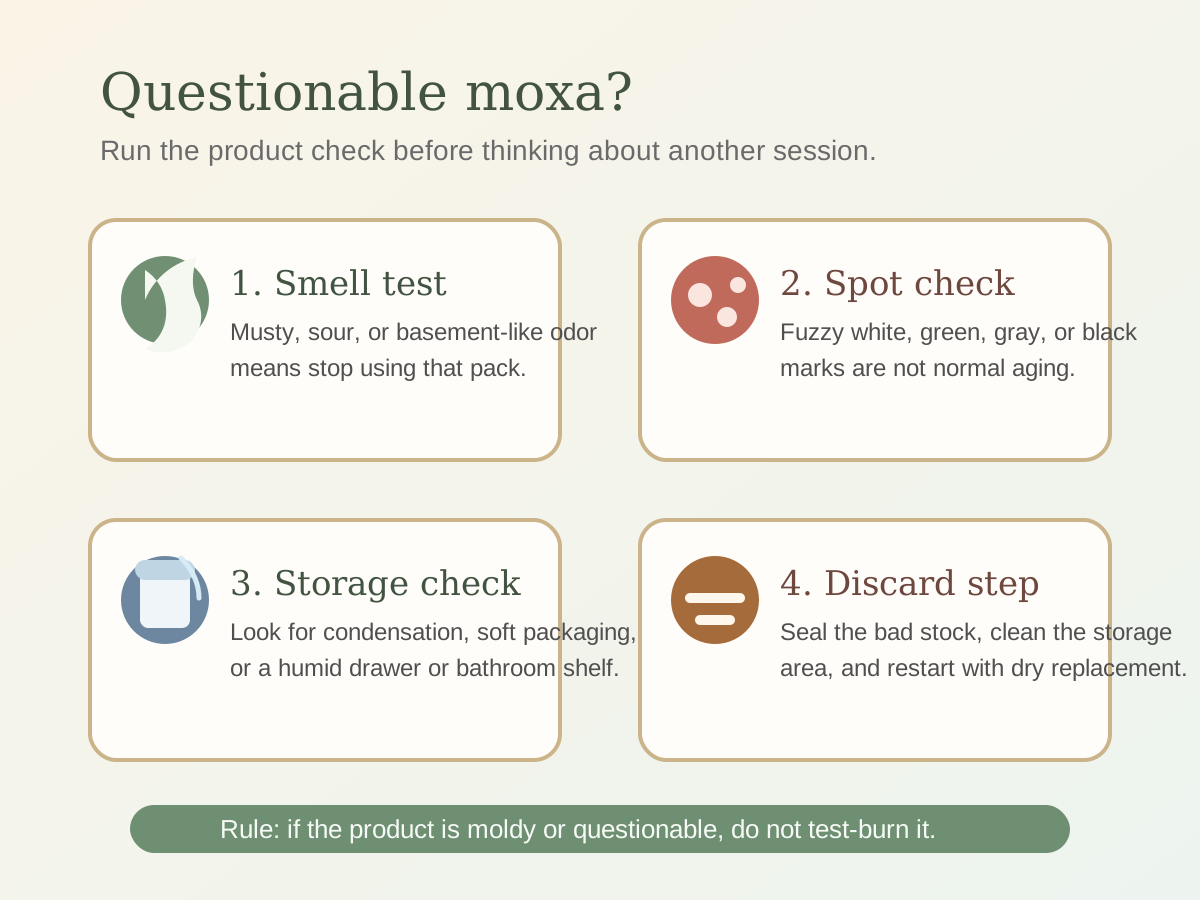
Common warning signs include:
- a musty, basement-like, or sour smell,
- fuzzy white, gray, green, or black spotting,
- paper wrapper that feels soft, warped, or slightly wet,
- clumping or sticking at the cut end,
- unusual dust or residue that looks different from normal ash,
- a storage bag or jar that shows condensation.
If several of those signs appear together, the safest assumption is that the product is no longer suitable for normal home use.
Do not try to burn it to test it
Some people are tempted to light one end “just to see” whether it still burns normally. That is not a good safety test.
The safer logic is simpler: if the product is already telling you it was stored badly, there is no reason to bring smoke, heat, and ember handling into the experiment. EPA guidance says that if mold is present, you should address the mold promptly and fix the moisture problem. For a low-cost porous item like a moxa stick, replacement is usually the cleaner choice than trying to rescue it.
The Beijing Hospital of Traditional Chinese Medicine also advises avoiding damp and moldy storage when discussing moxa materials. That fits basic product handling: dry stock is the goal, and mold means the goal was missed.
If you want a safer comparison point, open a fresh stick from a dry package and compare the smell, wrapper feel, and cut-end appearance instead of testing the questionable one.
What to do with moldy sticks instead
When a stick looks or smells moldy, use a short routine:
- Stop using that pack immediately.
- Seal the affected sticks in a bag or container before discarding them.
- Check nearby moxa, holders, storage jars, or drawers for the same moisture problem.
- Wipe and dry the storage area before putting any new stock there.
- Do not mix fresh moxa with questionable older stock “just in case.”
This is a good place to be strict. A cautious discard rule is easier than guessing your way through borderline product quality.
How to prevent the problem next time
Most moldy moxa problems start with storage, not manufacturing drama. A few simple habits usually matter more than premium labels:
- store moxa in a dry room rather than a bathroom or humid kitchen,
- keep the package sealed when not in use,
- avoid window ledges, laundry areas, and other places with condensation,
- buy quantities you can store comfortably instead of overstocking,
- keep half-used sticks only after they are fully extinguished and completely cool.
If you need a full setup refresher, read how to store moxa sticks and how to choose good moxa sticks. Good storage and honest product checks reduce the chances of this problem showing up again.
When uncertainty still means “do not use it”
Sometimes the stick does not have dramatic fuzzy growth, but something still seems wrong. Maybe the smell is off. Maybe the wrapper softened after summer humidity. Maybe the cut end looks darker and clumped compared with the rest of the pack.
That kind of uncertainty is enough reason to pause. Moxa should be straightforward to inspect. If you cannot confidently describe it as dry, clean-smelling, and intact, it is reasonable to replace it instead of forcing a questionable home session.
People with mold sensitivity, asthma, or smoke sensitivity should be especially conservative and ask a qualified healthcare professional before using any burning product in a home environment that may already have a moisture problem.
A simple rule worth remembering
The easiest beginner rule is this: aged moxa can be a product description, but moldy moxa is a discard signal.
That one sentence keeps the topic clear. It separates traditional material language from a practical household safety issue. If the product is moldy, do not dry it out and hope for the best. Replace it, improve storage, and start again with dry stock you can inspect confidently.
Sources and further reading
- U.S. Environmental Protection Agency: A Brief Guide to Mold, Moisture and Your Home
- U.S. Environmental Protection Agency: What Are Molds?
- Beijing Hospital of Traditional Chinese Medicine: Dragon Boat Festival moxa explainer
Common questions
Can I dry out a moldy moxa stick and still use it?
It is safer not to. Once mold is visible or the stick smells musty, replacement is the conservative choice.
Does aged moxa look moldy?
No. Aged moxa may look more yellow-tan than fresh green material, but it should not have fuzzy spots, wet patches, or a basement-like smell.
What is the first sign that moxa storage has gone wrong?
A musty smell, soft wrapper, visible spotting, or a damp feel usually matters more than the age label on the package.