Quick answer
Aged moxa usually refers to mugwort material that has been stored long enough for sellers and practitioners to describe it as more mellow than fresh moxa. For beginners, the practical lesson is not that older is always better. It is that age claims may affect smell, smoke feel, and handling, while safety, storage, and product honesty still matter more.
Key takeaways
- Aged moxa usually means mugwort material that has been stored before being turned into moxa wool, sticks, or other formats.
- Compared with fresh moxa, aged moxa is often described as milder in smell and more settled in handling, but those traits are not guaranteed by age alone.
- A three-year or five-year label is a traditional product description, not proof that one stick is automatically better or safer for every beginner.
Aged moxa is usually a product-language term for mugwort material that has been stored long enough for sellers or practitioners to treat it differently from fresh moxa. In simple beginner English, it means the material has been allowed to mellow before it is sold as moxa wool, a stick, or another moxa format.
That does not mean older is automatically better. It means age is one of the ways people describe how a moxa product may smell, look, and handle. The safer approach is to treat age as a material clue, not as a shortcut to stronger results.
What “aged moxa” usually means
Most beginner confusion comes from the word “aged.” It sounds dramatic, but the practical idea is modest. In moxa product language, aged moxa usually means mugwort leaves or prepared moxa material were stored for a period before being processed into wool, sticks, or cones.
Official Chinese medicine sources often describe fresh mugwort as more pungent because of its stronger plant oils, while older stored material is described as milder and easier to use in moxa products. That is the background behind labels such as three-year moxa, five-year moxa, or aged moxa wool.
The key point is that the label describes the material history, not a guaranteed outcome. Two products can both claim to be aged and still differ in density, storage quality, wrapper quality, smoke behavior, and overall beginner friendliness.
How aged moxa differs from fresh moxa
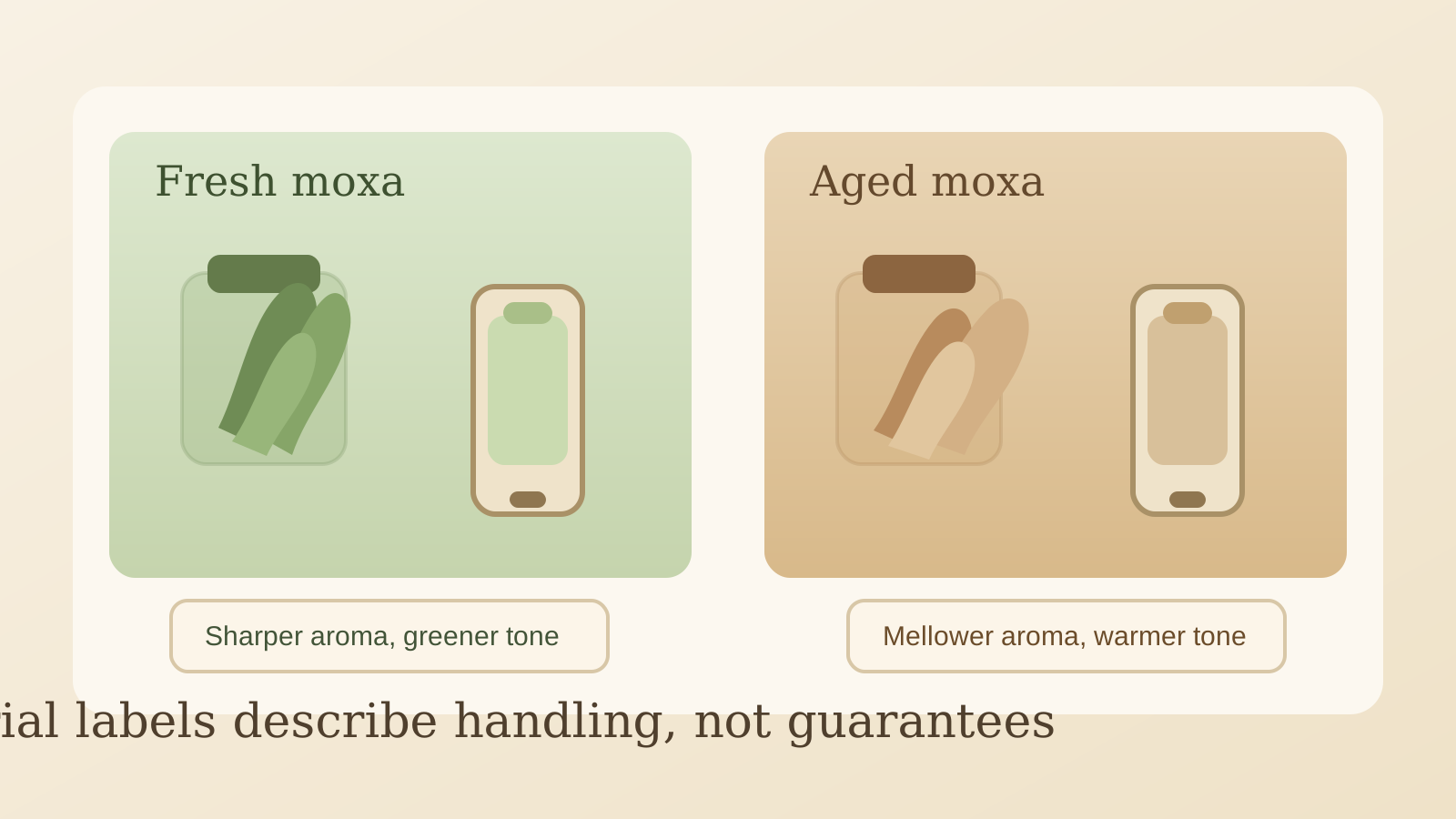
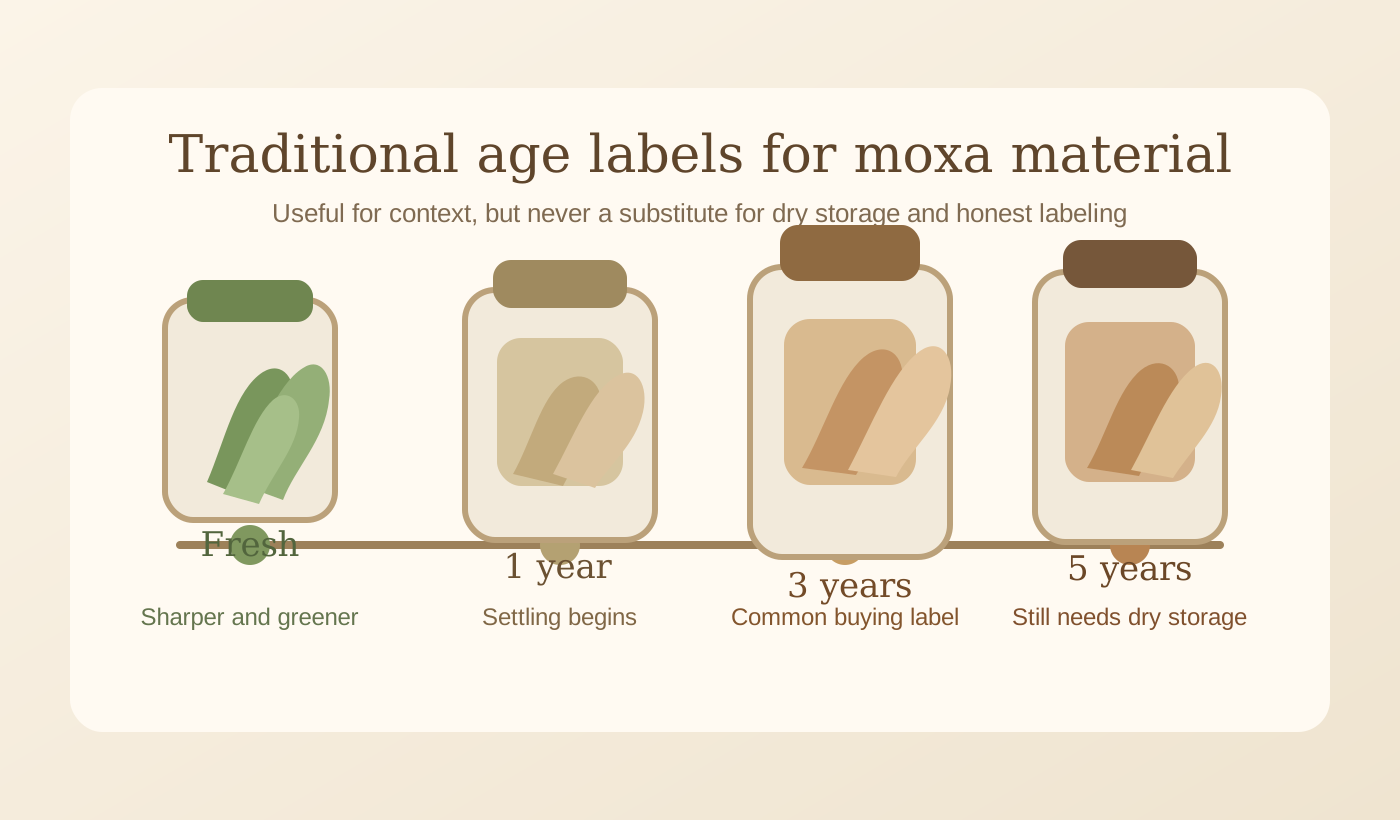
The cleanest comparison is this: fresh moxa is usually described as more green, sharper, or more pungent, while aged moxa is usually described as more mellow, drier, and less aggressive in aroma.
That does not make fresh moxa “bad.” It just means sellers and practitioners often separate the two by handling traits rather than by miracle claims.
Common differences you may see described include:
- fresh moxa may smell stronger or sharper,
- aged moxa may smell softer or less piercing,
- fresh material may look greener,
- aged material may look more yellow-tan,
- aged material is often marketed as more comfortable for routine stick making.
These are tendencies, not guarantees. Poor storage can ruin either one. A badly stored “aged” product is still a bad product.
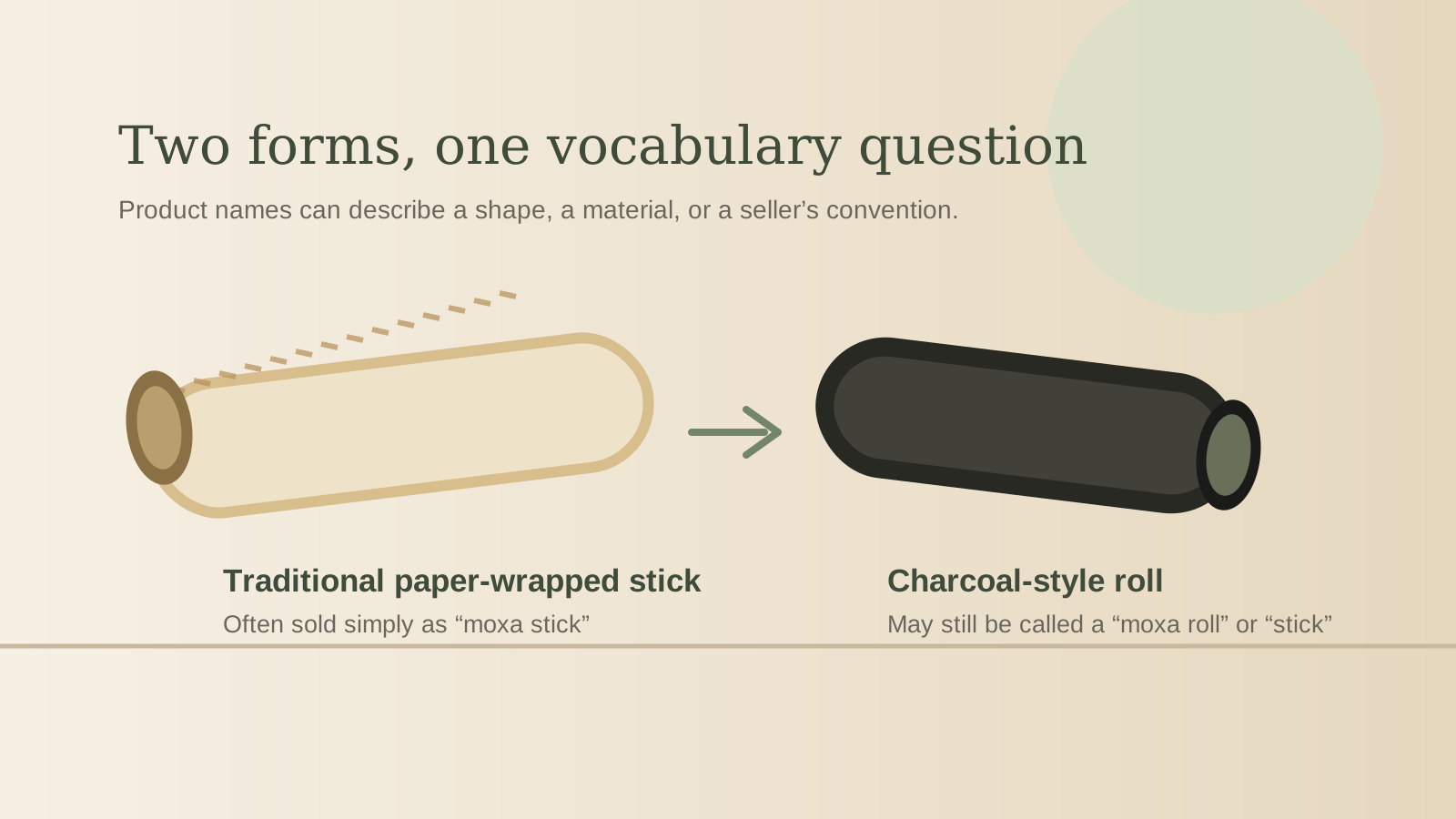
If you are still sorting out the vocabulary, read what is mugwort used for in moxa and what is a moxa stick before comparing age claims.
Why product pages mention three-year or five-year moxa
Many moxa listings use age labels because they signal a traditional idea of material maturity. A hospital explainer from Beijing describes three- to five-year mugwort as a common range for moxa material, while also warning readers to avoid moisture and mold.
That is useful context, but it should not be turned into a rigid buying rule.
Age labels can help you ask better questions:
- Is the product describing stored leaves, processed moxa wool, or the finished stick?
- Is the seller explaining storage quality, or only repeating a number?
- Does the product look dry, consistent, and honestly packaged?
- Is there any sign that “older” is being used to justify exaggerated claims?
For beginners, a clear and honest three-year product can be more useful than a vague premium listing that only says “ten-year aged” without telling you anything about storage, smoke level, or holder fit.
What to check before buying aged moxa
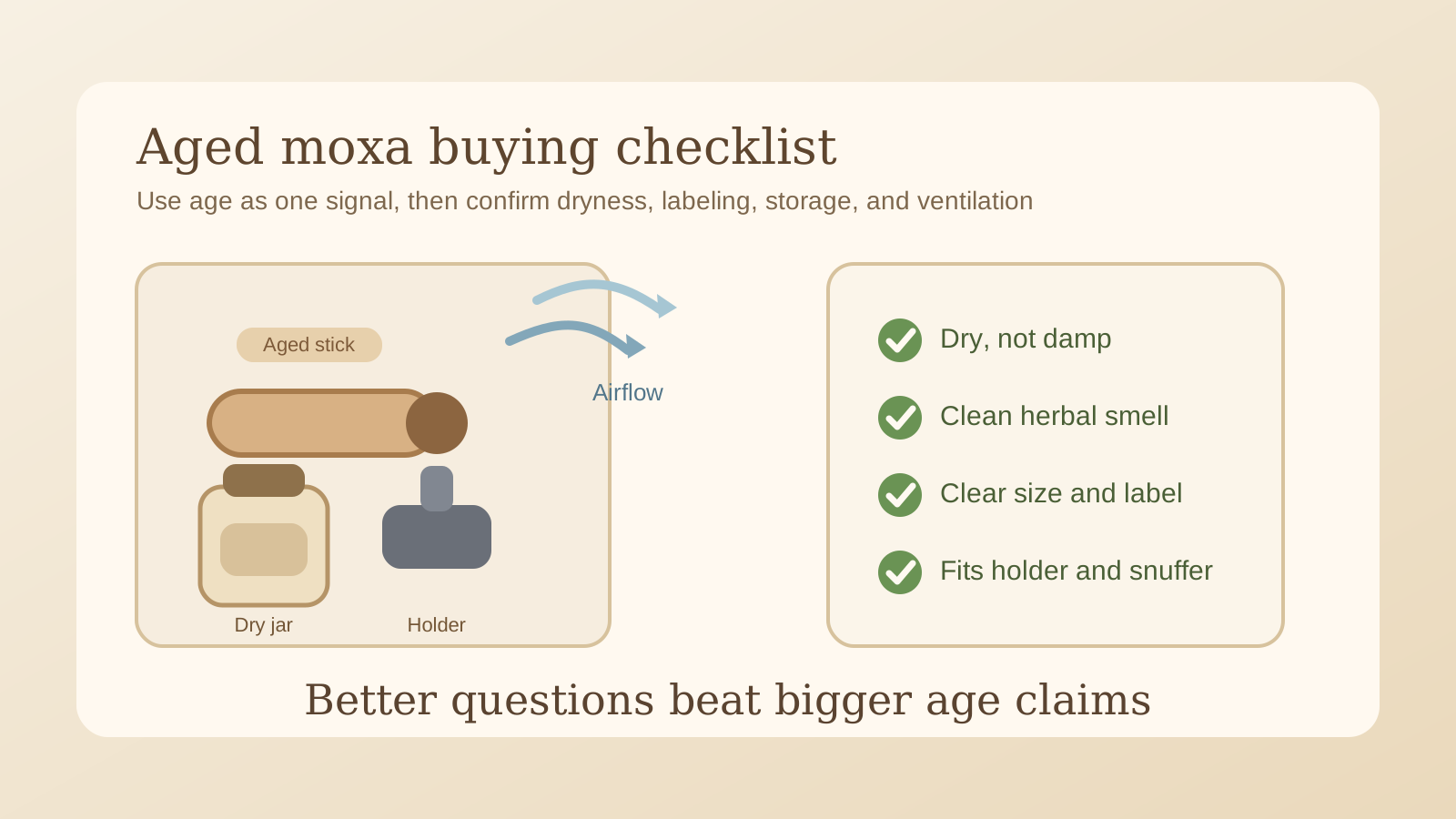
An age label only matters if the basic quality checks also pass. Before you focus on the number, look for signs that the product is practical and safe to handle at home.
A beginner-friendly checklist:
- the product is dry rather than damp,
- the smell is herbal rather than moldy or chemical,
- the wrapper and cut ends look even,
- the seller explains size or format clearly,
- storage advice is included,
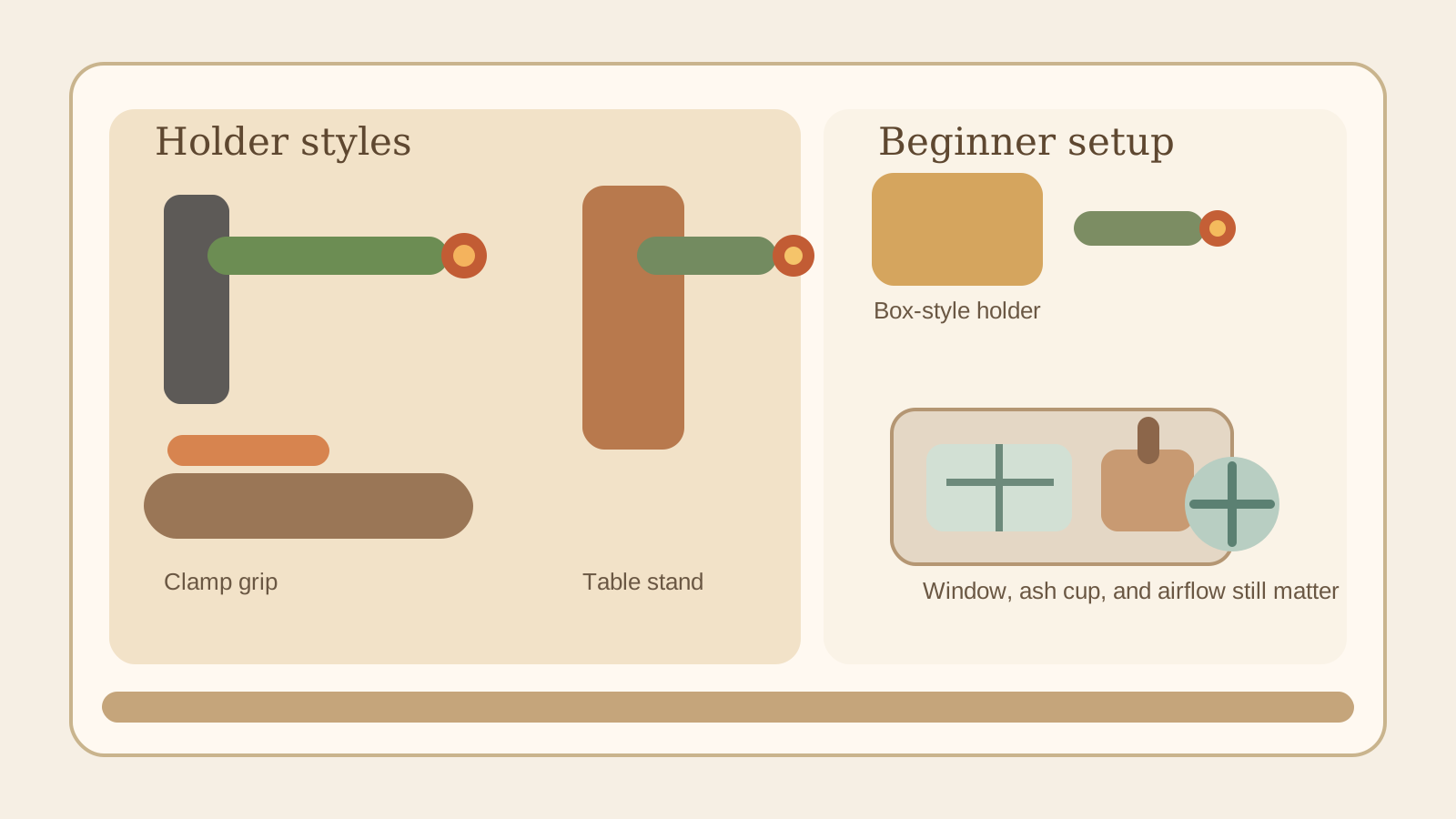
- the product fits your holder and extinguisher plan.
This is where aged moxa belongs inside a broader buying checklist. It is one buying signal among many, not the whole decision.
If you are shopping now, compare this article with how to choose good moxa sticks, moxa stick storage, and smokeless moxa sticks.
What aged moxa does not mean
It does not mean smoke-free. It does not mean suitable for everyone. It does not mean you can ignore ventilation, ash control, or extinguishing.
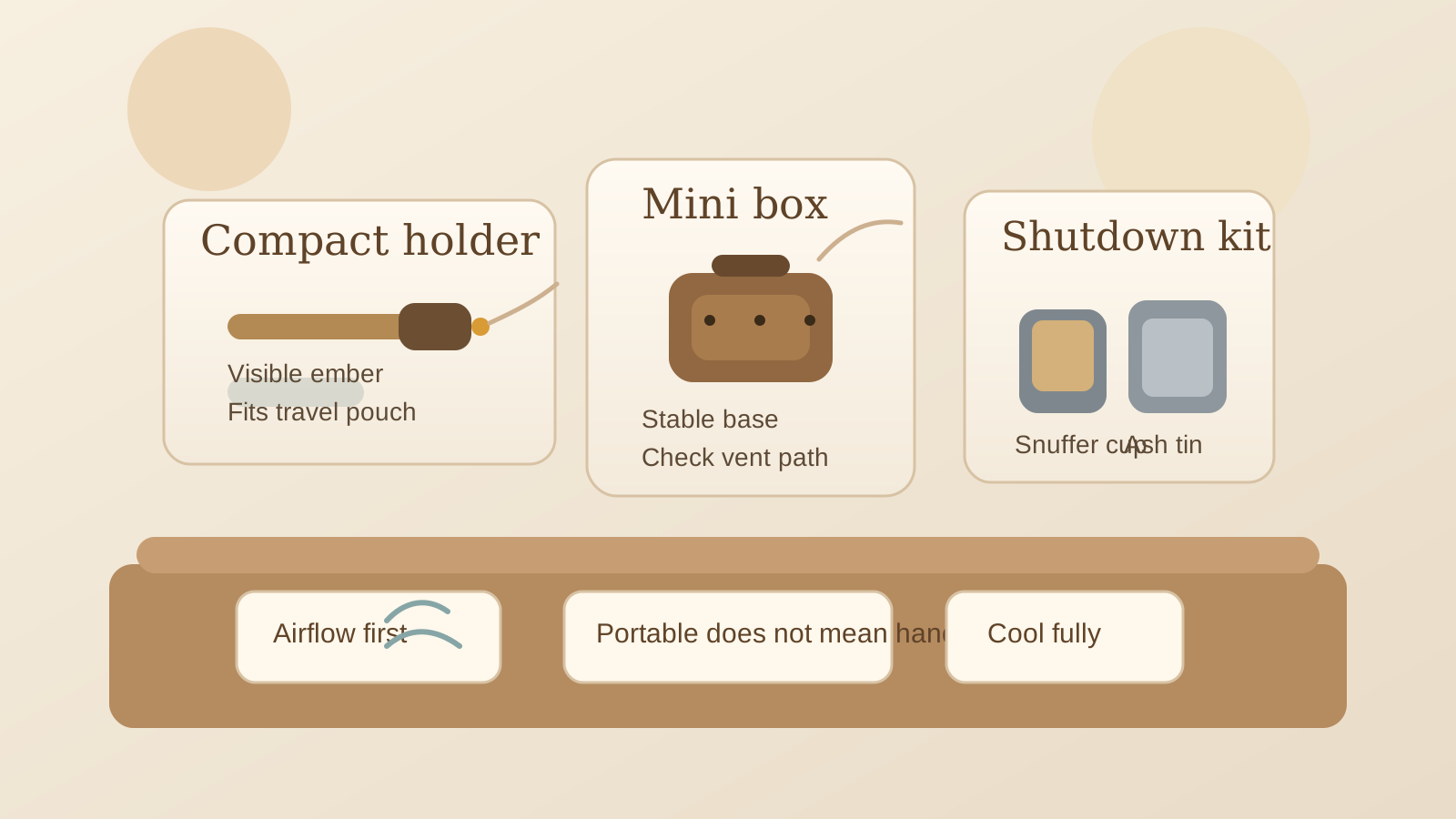
Even if a seller describes aged moxa as gentler, the product is still part of a burn-and-smoke setup. You still need:
- a ventilated room,
- a holder or tray,
- a safe extinguishing method,
- dry storage away from humidity,
- enough distance to avoid overheating skin.
That is why age claims should stay in the material category, not the medical-results category. Aged moxa may change the user experience, but it does not remove the normal cautions around fire, heat, smoke, and skin safety.
A simple beginner rule
If you only want one rule to remember, use this one: aged moxa is a material description, not a promise.
That rule keeps the topic grounded. You can appreciate why sellers mention storage years without assuming that age alone proves quality. For a beginner, the real goal is a product that is dry, honestly described, manageable in your room, and easy to extinguish fully.
If you want the next step, continue with moxa stick storage, smokeless moxa vs traditional moxa, and moxibustion safety basics.
Sources and further reading
- National Administration of Traditional Chinese Medicine: Mugwort industry background article
- Beijing Hospital of Traditional Chinese Medicine: Dragon Boat Festival moxa explainer
- NCCIH: Traditional Chinese Medicine
- PubMed: Safety of moxibustion: a systematic review of case reports
Common questions
Is aged moxa the same as old or stale moxa?
No. Aged moxa is usually sold as intentionally stored material. Damp, moldy, or badly stored moxa is a quality problem, not a benefit.
Does aged moxa always smoke less?
Not always. Sellers often describe aged moxa as milder and less harsh than fresh material, but smoke level still depends on product density, processing, room airflow, and how the stick is burned.
Should beginners only buy three-year or five-year moxa?
Not necessarily. Age is only one buying detail. Beginners should care just as much about dry storage, honest labeling, holder fit, ventilation, and whether the product is easy to extinguish safely.