Quick answer
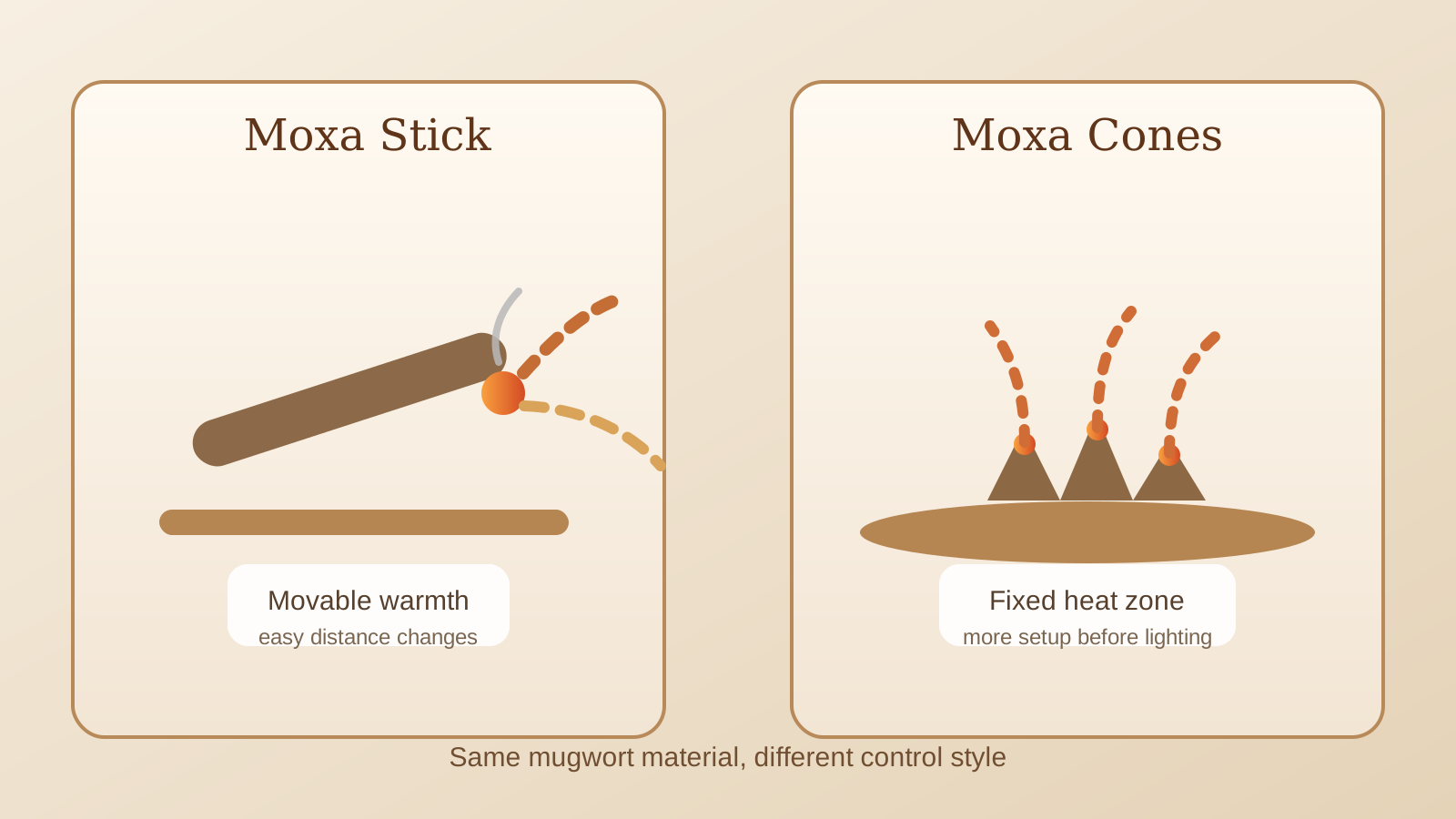
Moxa sticks, cones, and grains are different forms of processed mugwort. For most beginners, sticks are the easiest format to control, while cones and grains are better approached with more guidance because they concentrate heat in a smaller area.
Key takeaways
- Moxa sticks are usually the most beginner-friendly format because distance and movement are easy to adjust.
- Moxa cones concentrate heat in one place, so beginners should avoid direct skin use unless guided by a qualified practitioner.
- Moxa grains use very small amounts of moxa and belong in supervised or carefully taught traditional contexts, not casual first-time home use.
Moxa can look very different depending on how the mugwort material is prepared. A beginner may see moxa sticks, moxa cones, loose moxa wool, tiny grains, charcoal-style rolls, and box-style tools all described with similar traditional language. The shape matters because it changes how heat is controlled, how ash behaves, and how quickly you can stop.
This guide compares three common format words: moxa stick, moxa cone, and moxa grain. It is product and safety education, not a treatment protocol. If you are learning moxibustion for a personal health concern, ask a qualified practitioner instead of choosing a format from a product photo alone.
Quick comparison
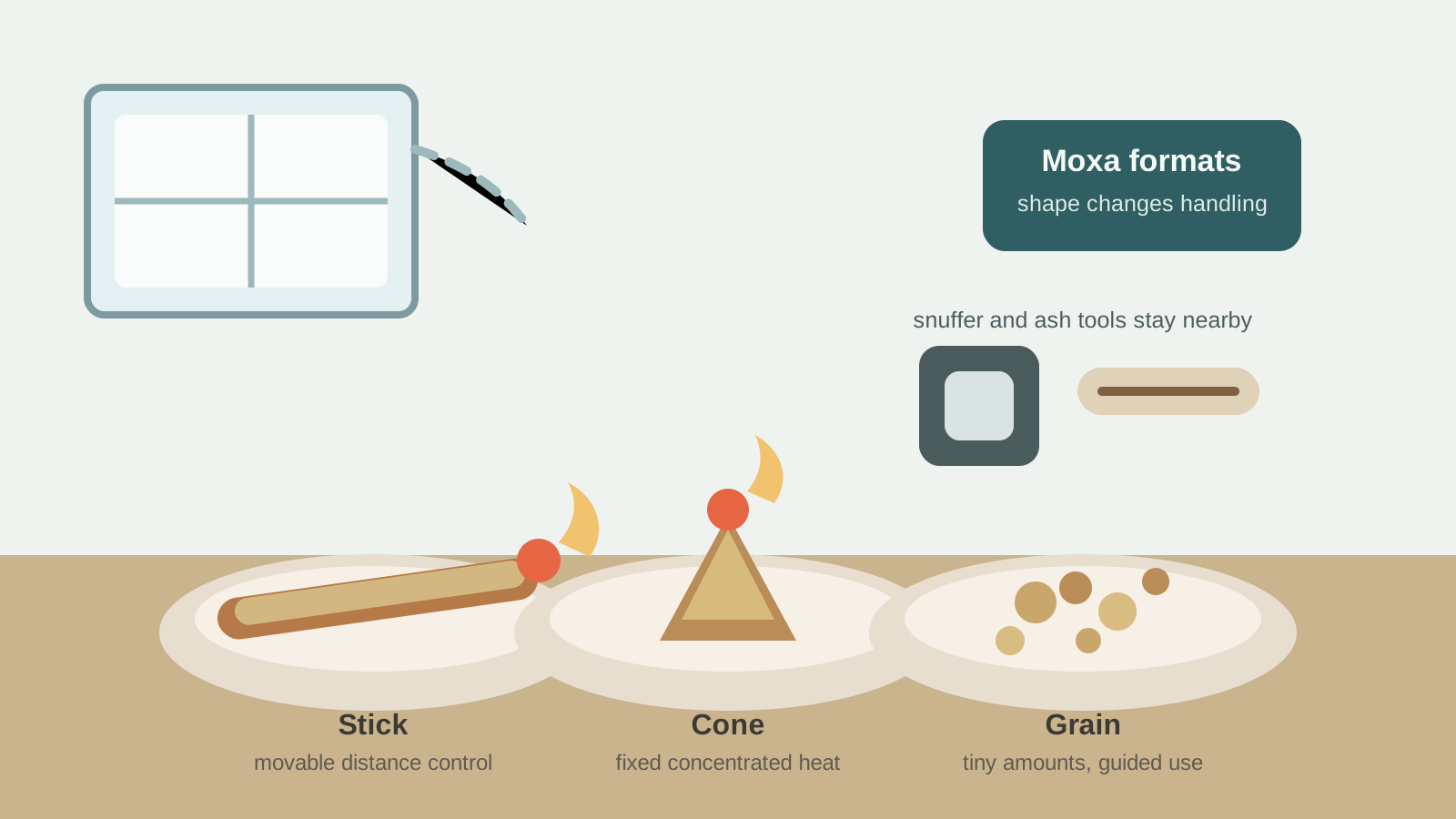
For most beginners, the practical difference is simple:
- A moxa stick is easiest to move, pause, and extinguish.
- A moxa cone is more fixed and concentrates heat in a small base.
- A moxa grain is tiny, specialized, and best learned with direct instruction.
That does not mean one format is universally better. It means each format belongs in a different learning situation. A stick often fits a cautious home routine. Cones and grains are easier to misuse if someone copies a technique without understanding distance, barriers, skin checks, ash, and stopping signals.
What is a moxa stick?
A moxa stick is processed mugwort rolled into a cylinder, often wrapped in paper. The burning end is usually held above the skin or placed into a holder. Because the stick is handheld or held in a tool, the user can change distance as warmth changes.
That adjustability is why sticks are common in beginner guides. You can move the stick farther away, stop the session, place it in a snuffer, or shift to another safe position. The main risks are still real: falling ash, smoke, odor, burns, and incomplete extinguishing.
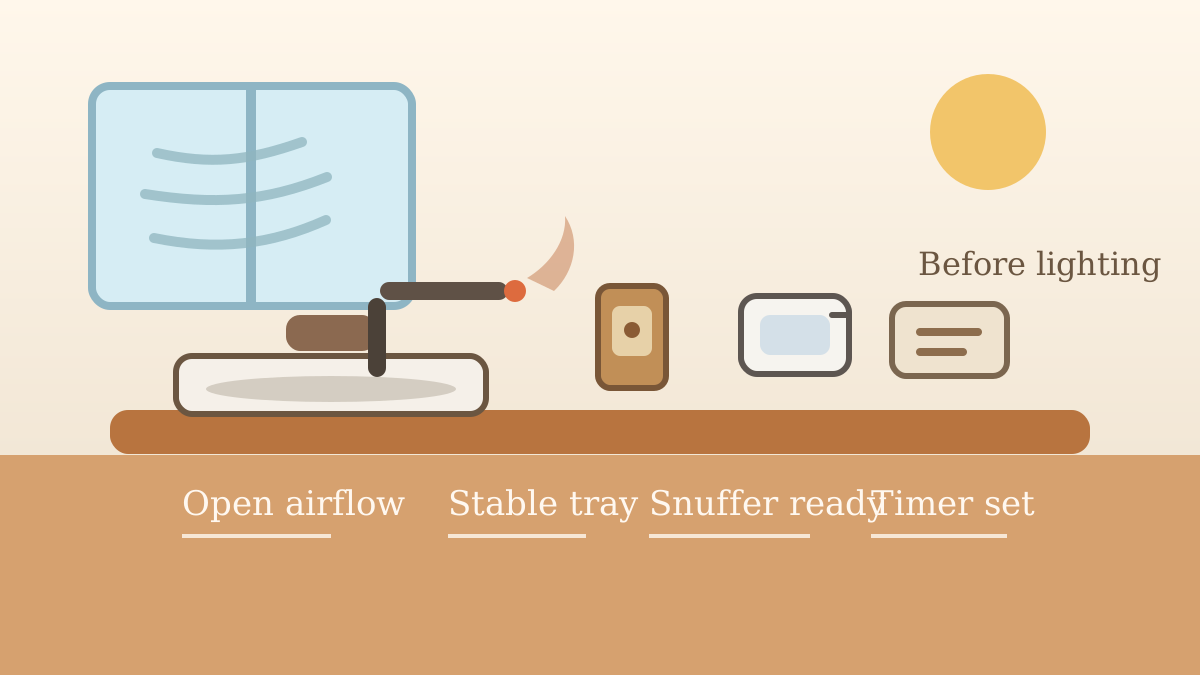
Choose a stick only after checking the whole setup:
- the stick fits your holder or extinguisher cup,
- the room can be ventilated,
- ash cannot fall onto fabric or paper,
- the product is dry and clean-smelling,
- you can stop immediately if heat feels uncomfortable.
If you are still learning the basic product language, read what is a moxa stick before comparing formats in detail.
What is a moxa cone?
A moxa cone is a shaped mound of moxa material. It may be used in traditional settings with a barrier, on a surface, in a tool, or under practitioner supervision depending on the method. The important beginner point is that a cone is less mobile than a stick once it is placed and lit.
Because a cone has a smaller base, heat can feel concentrated. That can be useful in trained hands, but it is also why beginners should be cautious. Direct skin use can cause burns and should not be copied from short videos, product listings, or casual instructions.
Cones may look less intimidating than sticks because they are small. Size alone does not make a format easier. A small hot cone in the wrong place can be harder to control than a stick held at a generous distance.
What is a moxa grain?
A moxa grain is a very small amount of moxa material, often discussed in more specialized traditional methods. The word “grain” can make the format sound gentle, but the small size is not the whole safety story. A tiny amount of burning moxa can still create focused heat.
For a beginner shopping online, moxa grains should usually be treated as a learning term rather than a first purchase. If a practitioner teaches a grain method, follow their safety instructions. If you are learning alone at home, choose simpler product education first: material quality, ventilation, holder stability, ash control, and extinguishing.
Moxa grains also make product comparison difficult because photos may not show texture, density, or the intended method. Avoid any listing that makes the small format sound like a stronger or safer result by default.
Which format is easiest for beginners?
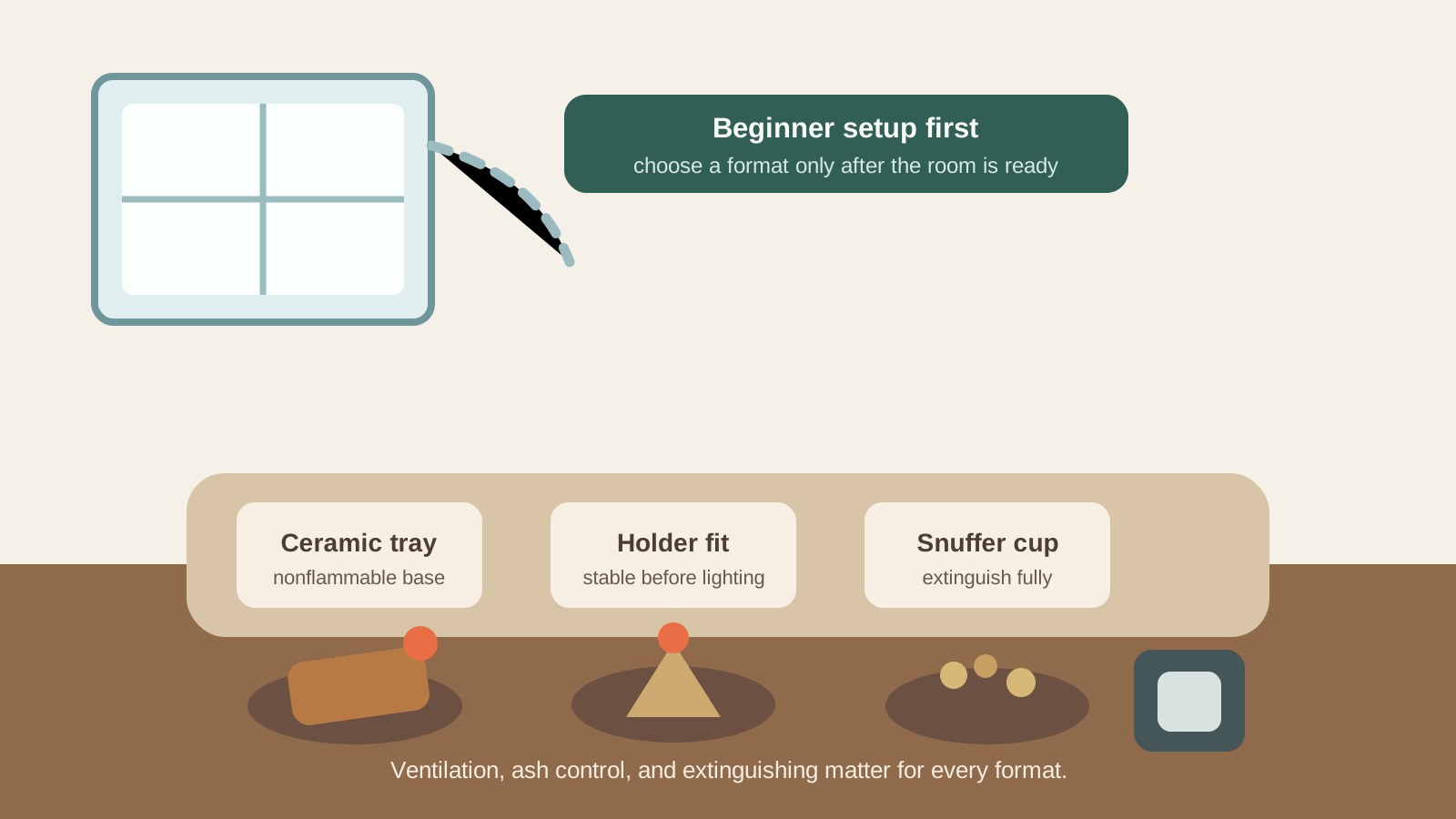
For general home education, moxa sticks are usually the easiest starting format because they offer the most immediate control. A beginner can adjust distance without touching the burning end, keep the stick over a ceramic tray, and extinguish it in a dedicated snuffer.
Moxa cones and grains are not automatically wrong. They are just less forgiving when the user has not learned technique. If you are comparing products for the first time, prioritize a format that helps you control four things:
- Distance from skin.
- Ash and ember location.
- Smoke and room airflow.
- Full extinguishing after the session.
The safest buying decision is usually the least dramatic one. Pick the format that makes stopping easy.
Smoke, ash, and cleanup differences
All three formats can create smoke, smell, ash, and heat. The exact amount depends on material, product size, density, airflow, and whether the moxa is traditional or charcoal-style. Do not assume that a smaller format means no ventilation is needed.
A stick can shed ash as the burning end grows longer. A cone can leave hot material at the base. A grain can be small enough to overlook if the surface is cluttered. Keep the active area simple: ceramic tray, holder, snuffer, and no loose paper, towels, bedding, sleeves, or hair near the heat.
If smoke is your main concern, compare how to reduce moxa smoke and do moxa sticks smell before choosing a product format.
Buying notes by format
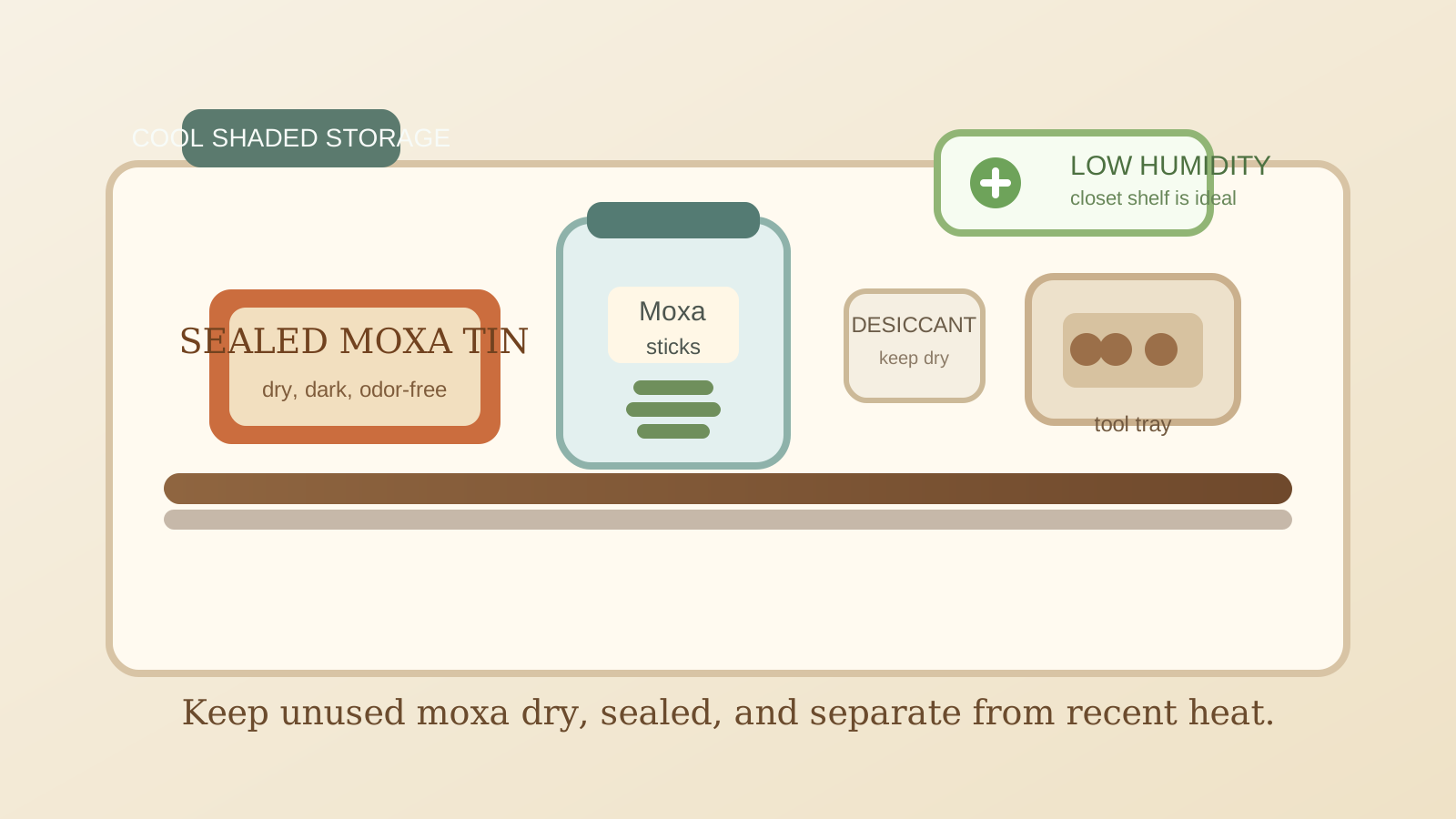
When comparing moxa sticks, look for size, roll density, dry storage, clean herbal aroma, and holder compatibility. A beginner-friendly stick should not crumble heavily or feel damp.
When comparing cones, look for clear product size, intended use, packaging, and whether the seller explains safe handling without making treatment claims. Avoid vague instructions that skip barriers, distance, skin checks, and extinguishing.
When comparing grains, be especially conservative. If the listing assumes advanced technique or makes strong wellness promises, it is not a beginner-friendly page. A qualified instructor matters more than a product bundle.
When to ask a practitioner
Ask a qualified practitioner if you want to use moxibustion for a health concern, use cones or grains near sensitive areas, combine moxa with other Traditional Chinese Medicine methods, or learn direct techniques. Also avoid home experimentation if you have reduced sensation, fragile skin, smoke sensitivity, dizziness around heat or smoke, or any condition where heat exposure could be risky.
For everyday product education, keep the question narrow: “Which format can I understand, ventilate, hold, monitor, and extinguish safely?” That question is more useful than asking which format is strongest.
Bottom line
Moxa sticks, cones, and grains are not just different shapes. They create different handling problems. Sticks give beginners the clearest distance control. Cones concentrate heat and need more care. Grains are specialized and should be learned with instruction.
If you are starting from zero, learn the room setup first, then the material, then the format. Good moxa practice begins with control, not intensity.
Sources and further reading
- National Administration of Traditional Chinese Medicine
- PubMed Central: The Safety of Moxibustion
- Britannica: Moxibustion
Common questions
What is the difference between a moxa stick, cone, and grain?
A moxa stick is a rolled cylinder, a cone is a small shaped mound, and a grain is a tiny amount of moxa used in more specialized traditional methods.
Which moxa format is best for beginners?
For general home learning, moxa sticks are usually easiest because you can adjust the distance, movement, and stopping point quickly.
Are moxa grains safer because they are smaller?
Not necessarily. Small amounts can still create concentrated heat, so moxa grains should be learned from qualified instruction rather than treated as a casual beginner shortcut.