Quick answer
Cheap moxa sticks are not automatically unsafe, but low price should make you inspect the product more carefully. A budget stick can still be usable if it is dry, clearly labeled, evenly packed, and burns in a controlled way. The real warning signs are vague materials, damp storage, musty or synthetic odor, unstable ash, and hype that treats price as proof of quality.
Key takeaways
- Cheap moxa sticks are not automatically dangerous, but price alone tells you less than labeling, dryness, packing quality, and how steadily the stick burns.
- The first red flags are practical ones: musty or synthetic smell, damp packaging, crumbly material, unrealistic medical claims, and ash that falls unpredictably.
- The safest beginner approach is a short first test in a ventilated room with a stable ash tray and a planned extinguishing method.
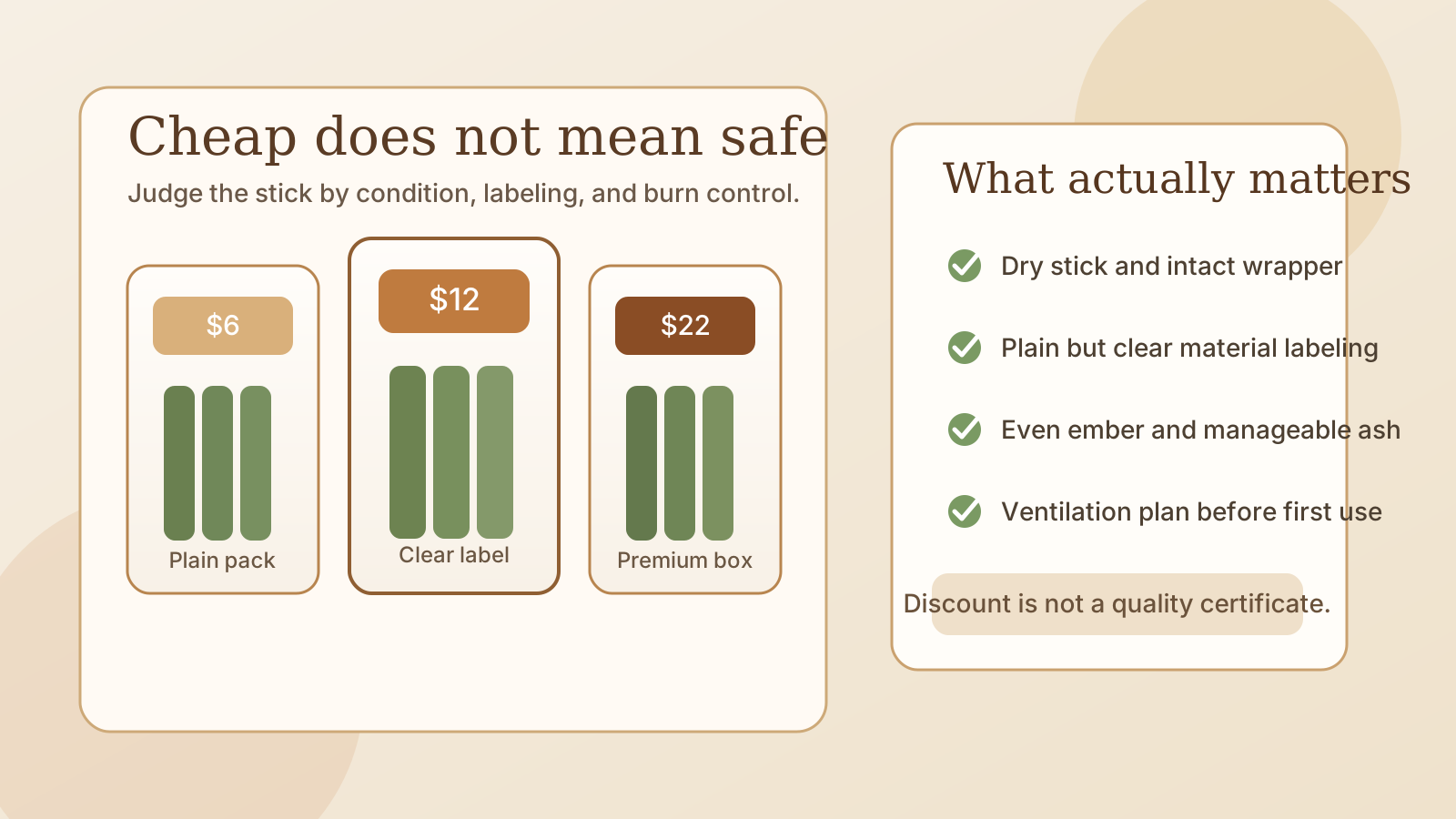
Cheap moxa sticks are not automatically unsafe, but they do deserve a stricter inspection. A lower price can mean simpler packaging or a smaller stick, yet it can also hide weak storage, vague material information, or poor burn control. For beginners, the safest rule is simple: judge a cheap stick by condition and behavior, not by the discount alone. If it smells musty or synthetic, arrives damp, sheds ash unpredictably, or comes with unrealistic promises, skip it.
Price alone does not tell you whether a moxa stick is safe
A cheap moxa stick can be inexpensive for ordinary reasons. The stick may be thinner, sold in plain packaging, bundled in a larger pack, or offered by a seller with lower overhead. None of those details automatically make it dangerous.
What price cannot tell you is whether the material was stored well, whether the stick is packed evenly, or whether the product description is honest about what you are buying. That is why this topic is different from a general bargain-hunting question. It is really a quality-control question.
For example, a modestly priced stick with plain labeling may be a better beginner choice than an expensive product that leans on dramatic claims and hides basic product details. The smarter comparison is not cheap versus premium. It is transparent versus vague, dry versus damp, and stable versus messy.
If you want a broader quality checklist first, how to choose good moxa sticks explains the core buying signals, while moxa wool ratio meaning helps decode one of the labels that shoppers often overread.
What to inspect before you buy
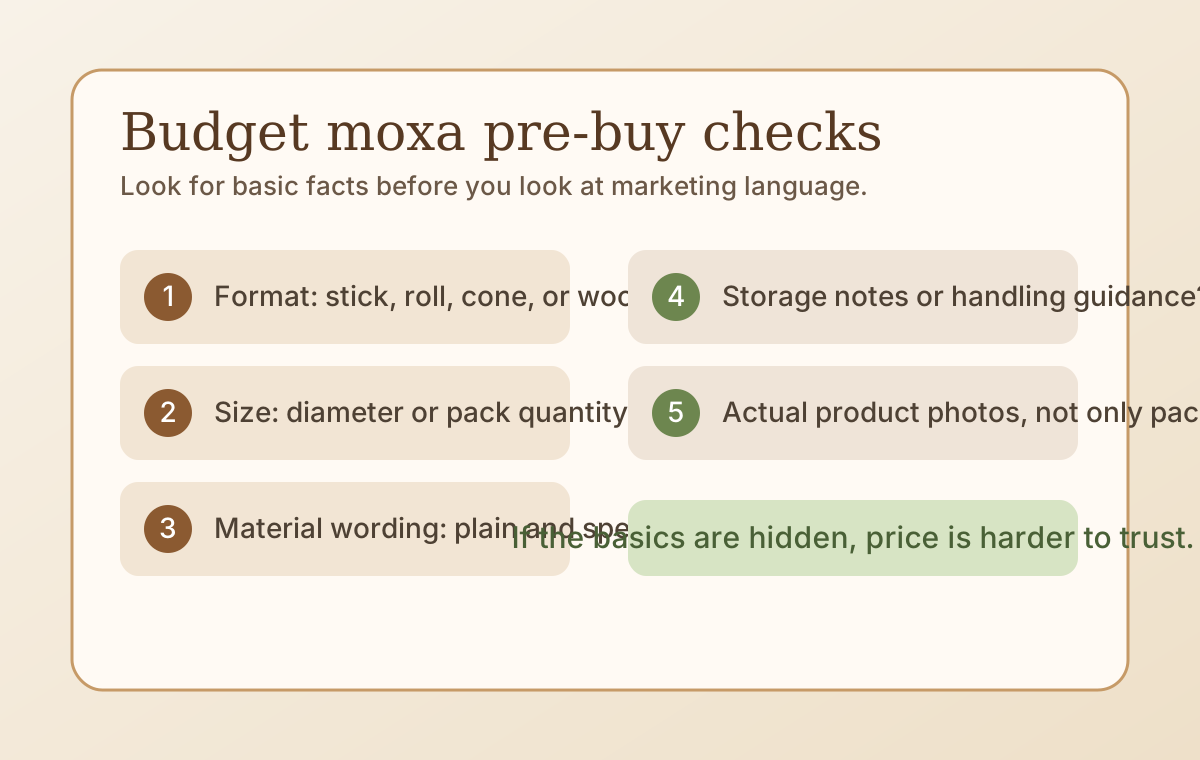
Before you think about price, look for basic information that a careful seller should be willing to state clearly:
- what form you are buying, such as stick, roll, cone, or loose wool;
- approximate size or diameter;
- whether the product is traditional or smokeless;
- any clear note about storage, handling, or ventilation expectations;
- photos that show the actual stick rather than only decorative packaging.
None of those details prove excellence, but their absence should slow you down. A listing that says almost nothing about the material, avoids showing the stick itself, or substitutes wellness hype for practical information is harder to trust.
This is also where cheap products can go wrong fastest. When the price is low and the listing is vague, you have less margin for error. If you are comparing suspiciously generic products, how to spot fake or low-quality moxa sticks is the closest companion guide.
What to check when the package arrives
The first inspection happens in your hands, not on the product page.
A decent budget stick should feel dry, hold its shape, and look evenly packed from end to end. The wrapper should not feel damp or stained. The smell should be herbal and smoky in the normal mugwort sense, not moldy, sour, or strongly perfume-like. If the product arrives with obvious moisture damage, visible spotting, or loose material spilling out immediately, the problem is not that the stick was cheap. The problem is that it is not in a condition a beginner should trust.
That is why storage matters so much. Moxa is a dried plant product, so moisture and absorbed household odors can change how it lights, smells, and burns. If the stick seems musty or you suspect mold, do not try to rescue it just because it was inexpensive. Can you use moldy moxa sticks? takes the conservative discard-first view for a reason.
Odor is another useful screening tool. A strong smell is not automatically a defect, especially with traditional moxa, but the type of smell matters. Is strong moxa smell normal? helps separate normal herbal smoke from warning-sign odor changes.
Cheap versus low-quality: the practical difference
This is the distinction that saves beginners from false confidence and false panic.
Cheap means the product costs less. Low-quality means the product creates extra uncertainty. Those are related sometimes, but they are not the same thing.
A cheap stick may still be acceptable if:
- the labeling is plain but clear,
- the roll is dry and intact,
- the material lights evenly,
- the ash stays manageable,
- the odor is normal for moxa,
- the seller avoids exaggerated cure-style marketing.
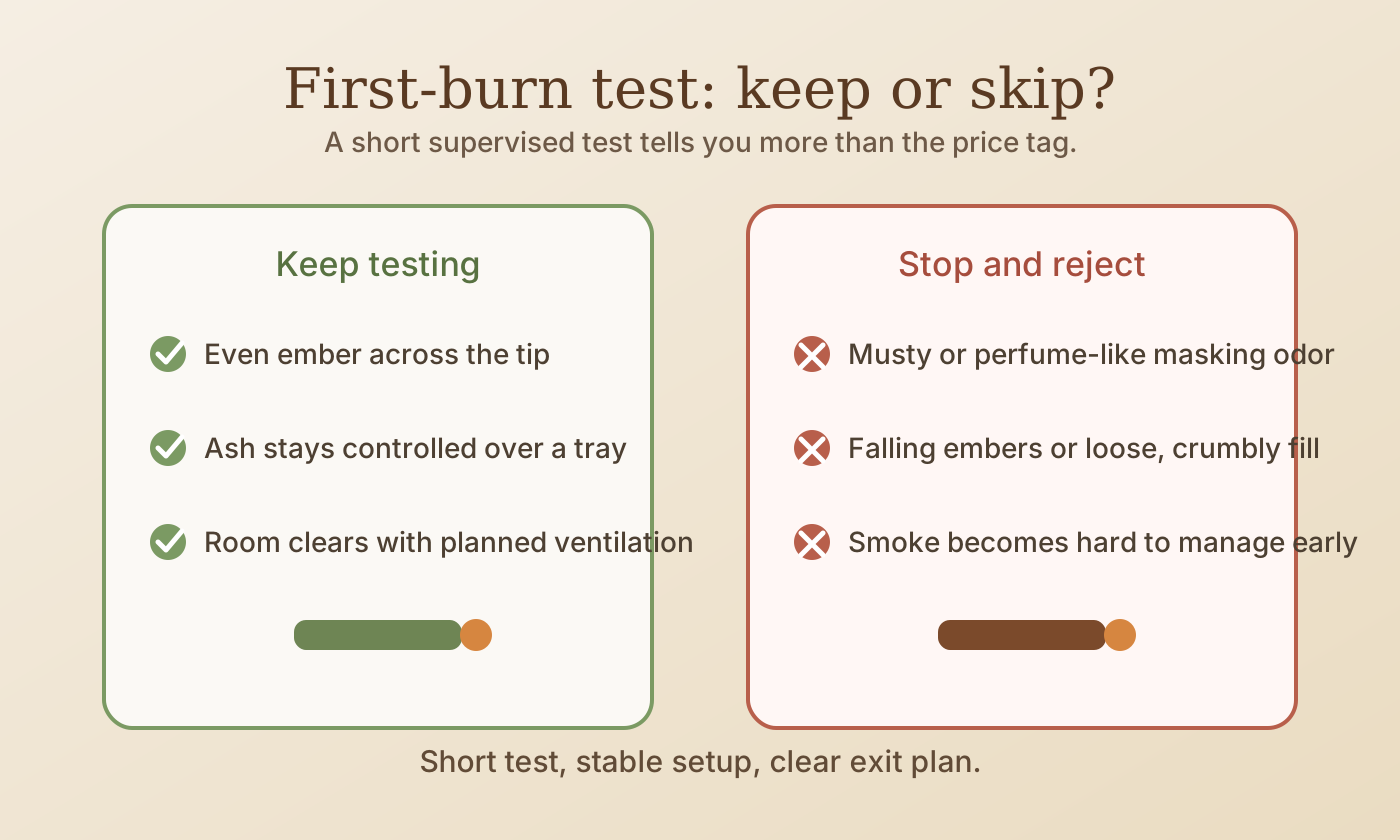
A low-quality stick becomes a safety problem when it behaves unpredictably. That can mean uneven burning, constant relighting, ash falling in larger pieces than expected, or smoke that becomes difficult to manage even in a prepared room.
Published safety reviews of moxibustion have documented adverse events including burns, coughing, and other smoke- or heat-related problems. That does not mean every budget product is hazardous. It does mean you should avoid treating a bargain stick as harmless just because it was easy to buy.
How to test a budget stick more safely
Your first session with a cheap product should be shorter and more controlled than usual. Think of it as a product test, not as a routine you need to finish.
Start in the same kind of environment you would use for any cautious home session:
- Set up cross-ventilation before lighting anything.
- Keep a ceramic or metal ash dish within easy reach.
- Plan your extinguishing method before ignition.
- Light only one stick and watch how evenly the ember forms.
- Stop early if the ash becomes unstable, the smoke feels excessive for the room, or the odor seems abnormal.
The U.S. Environmental Protection Agency notes that indoor combustion sources release particles into the air, so smoke control still matters even when the product itself looks acceptable. The U.S. Fire Administration’s ash-disposal guidance is also relevant here: hot ash belongs in a sturdy metal container or another controlled extinguishing setup, not in improvised paper or trash-bin cleanup.
If you need setup help, moxa stick indoor ventilation tips, moxa stick fire safety checklist, and how to extinguish a moxa stick safely cover the room side of the decision.
When a bargain is not worth it
Some cheap products should simply be rejected.
Walk away when you see several warning signs together: no clear material description, damaged packaging, musty odor, visible mold, perfume-like masking scent, unstable ash, or claims that sound more like miracle marketing than basic product information. A low price is never a reason to lower your fire-safety standards or to ignore your first inspection.
That is the plain answer to the search question. Cheap moxa sticks can be safe enough for a cautious beginner only when the product passes ordinary material and burn-behavior checks. If the stick creates uncertainty before or during first use, the money saved is not worth the extra guesswork.
For more product comparisons, the buying guide hub collects the closest related guides in one place.
Sources and further reading
- PubMed: Safety of moxibustion: a systematic review of case reports
- PubMed: Adverse events of moxibustion: a systematic review
- U.S. Environmental Protection Agency: Indoor Pollutants and Sources
- U.S. Environmental Protection Agency: Indoor Particulate Matter
- U.S. Fire Administration: Discard Ashes Safely
Common questions
Are cheap moxa sticks always fake?
No. Some low-priced sticks are simply smaller, more basic, or packaged more simply. The problem is not low price by itself but poor labeling, weak storage, or unstable burn behavior.
Does a more expensive moxa stick guarantee better quality?
No. A higher price can reflect branding, aging claims, packaging, or retail markup. You still need to inspect the material, smell, storage condition, and product description.
What should I test first when a cheap moxa stick arrives?
Check that the stick is dry, evenly packed, and free from mold or odd perfume-like odor, then do one short supervised test session in a well-ventilated room.