Quick answer
You usually cannot prove a moxa stick is authentic from a listing photo alone, but you can avoid many questionable products by checking whether the material looks dry, the labeling is clear, the smell is clean rather than musty, and the seller talks about size, storage, and handling instead of miracle promises.
Key takeaways
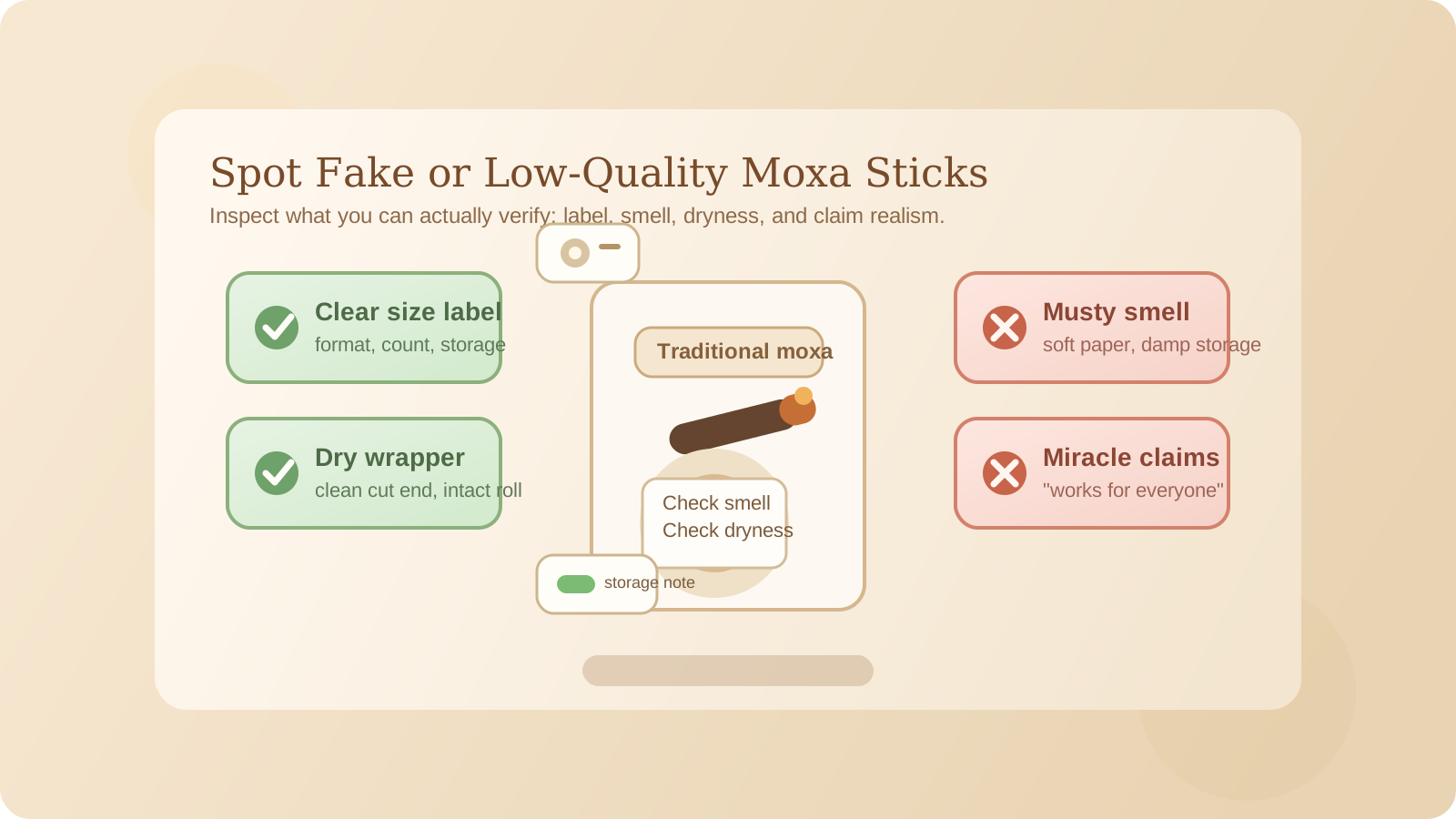
- Use observable checks first: dry wrapper, even cut ends, clear size labeling, and realistic storage guidance.
- Musty odor, soft paper, loose crumbling fill, or exaggerated wellness claims are stronger warning signs than a low price by itself.
- A good beginner purchase is not the most premium-sounding stick; it is the one that is honestly described, easy to inspect, and manageable in your room and safety setup.
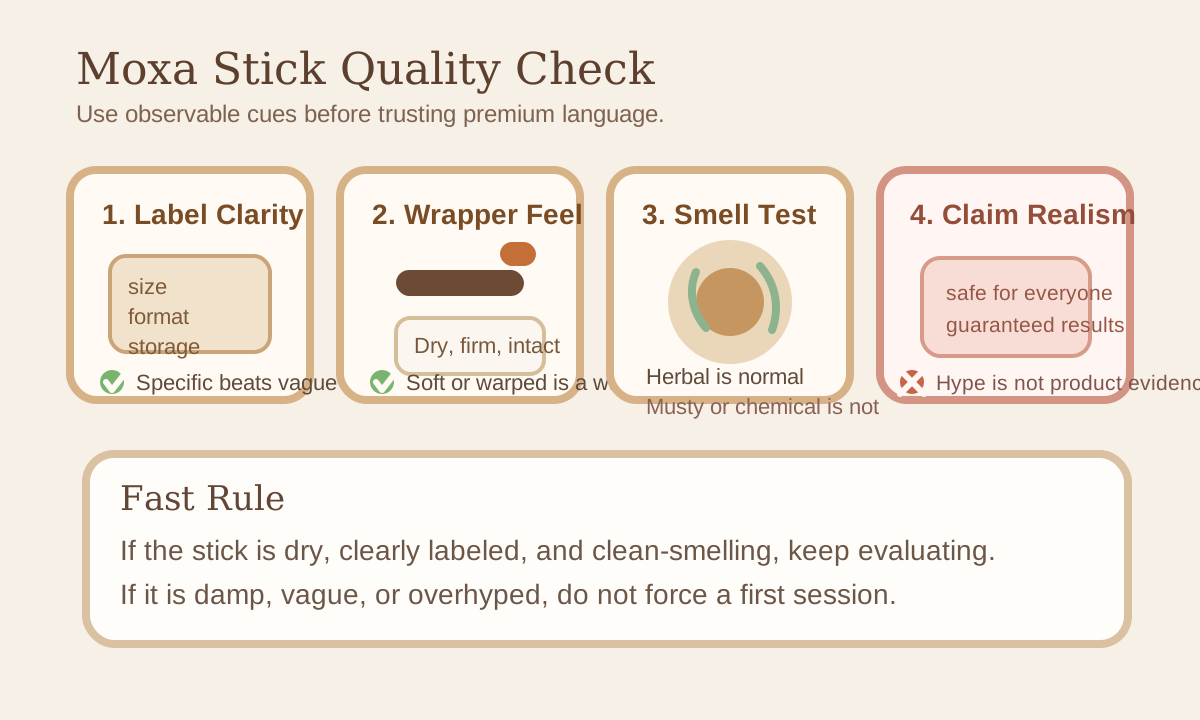
If you are trying to spot fake or low-quality moxa sticks, the first useful rule is this: beginners usually cannot prove authenticity from marketing alone, but they can avoid many questionable products by checking for dry material, clear labeling, clean smell, and realistic handling claims.
That is a more practical approach than chasing dramatic words like premium, secret formula, or ten-year master grade. A trustworthy moxa product should be understandable as a real object before it is ever treated as part of a home routine.
Why the word “fake” can be tricky
Some product pages use traditional language, age labels, or premium claims in ways that are hard for a beginner to verify. That does not automatically mean the product is counterfeit. It means the listing may be doing a poor job of explaining what is inside the package and how it should be stored or handled.
For a home buyer, the better question is often not “Can I prove this is fake?” but “Does this product give me enough honest information to buy it safely and sensibly?”
That shift matters because official Chinese medicine explainers describe moxa in practical material terms: prepared mugwort, different formats, and common storage language around age and dryness. If a listing skips those basics and jumps straight to miracle promises, it is already asking you to trust the wrong things.
What a trustworthy listing usually tells you
A good listing does not need to sound glamorous. It needs to be clear.
Useful details usually include:
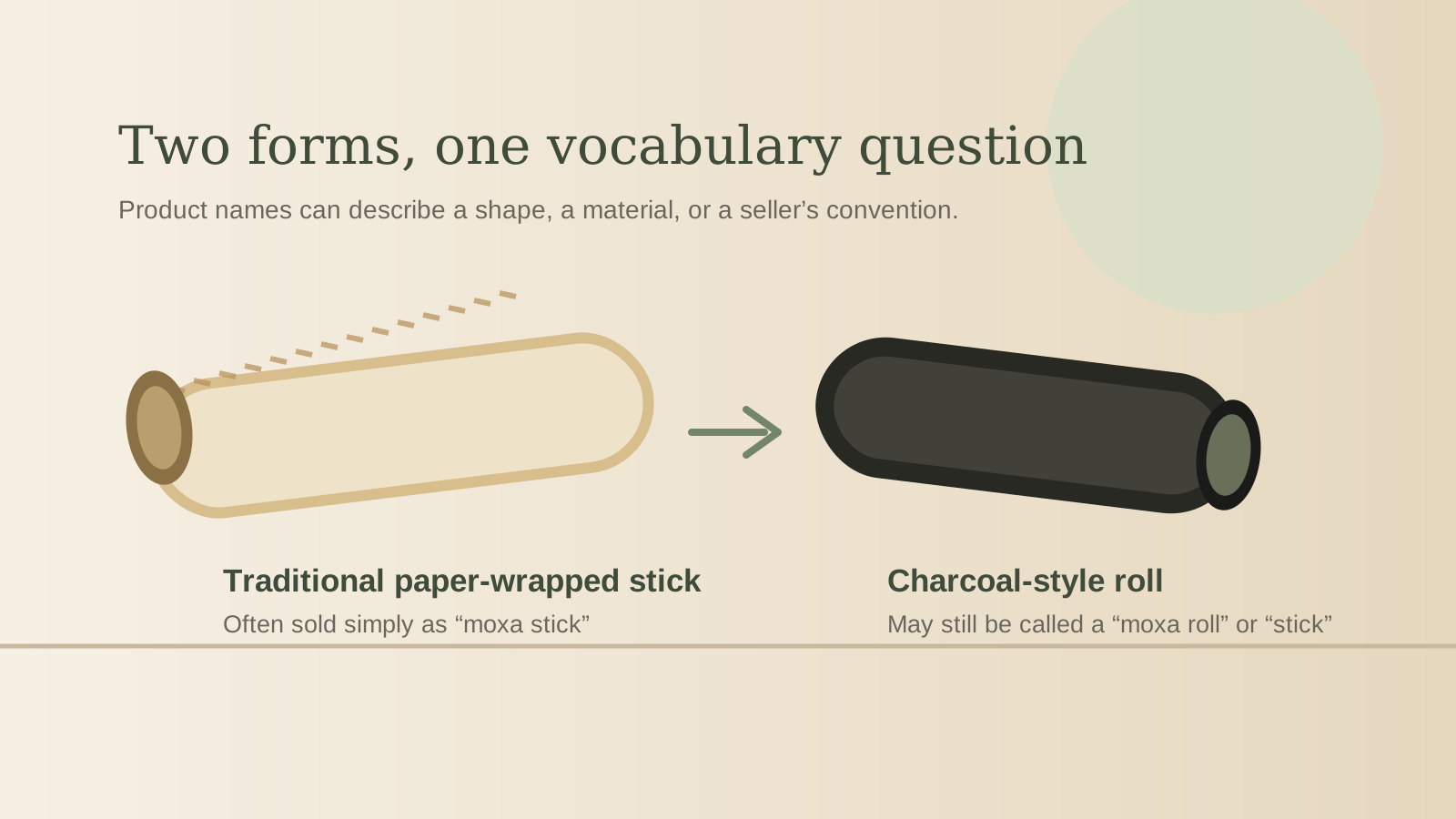
- whether the product is a traditional stick, smokeless stick, cone, or loose moxa,
- approximate stick size or diameter,
- quantity in the pack,
- storage guidance,
- plain photos that show the wrapper and cut ends,
- claims about material or age that are specific rather than theatrical.
Clarity matters because age labels such as three-year or five-year moxa are only one part of the buying picture. As this site explains in what is aged moxa, an age claim does not tell you whether the product stayed dry, whether the wrapper is sound, or whether the stick will be easy to manage indoors.
Red flags you can notice after opening the pack
Once the product arrives, observable signs matter more than branding.
The most common red flags are:
- a musty, sour, mold-like, or heavily chemical smell,
- a paper wrapper that feels soft, warped, or damp,
- cut ends that look clumped, dirty, or unusually uneven,
- loose material falling out before the stick is even handled much,
- perfume-like scent that seems to cover the natural herbal smell,
- packaging that gives almost no storage or handling information.
These are not minor details. Beijing Hospital of Traditional Chinese Medicine discusses moxa in the context of dry, usable material and distinguishes that from damp or mold-compromised stock. That is why a musty or wet-feeling stick should be treated as a product problem, not as a sign of extra age or potency.
If moisture is the issue, read can you use moldy moxa sticks before trying to “save” the pack.
Why low quality matters even when the product is unlit
A questionable stick is not just a disappointment at checkout. It can also make the actual session harder to control.
Published safety reviews of moxibustion case reports have described burns and smoke-related discomfort among reported adverse events. That does not mean every imperfect stick is dangerous, but it does mean predictability matters. A stick that crumbles, burns unevenly, sheds ash badly, or creates unexpectedly harsh smoke is not a beginner advantage.
The same logic applies to storage and shutdown. General U.S. Fire Administration guidance emphasizes fully extinguished hot material and suitable ash handling. If a moxa stick feels flimsy, sheds hot material too easily, or is awkward to extinguish cleanly, consider that a practical buying warning.
Price is only one clue
Many buyers assume the cheapest product must be the fake one and the most expensive product must be the good one. That is too simple.
A lower-priced stick may still be acceptable if:
- the format is clearly described,
- the packaging is dry and intact,
- the smell is clean and herbal,
- the seller gives realistic size and storage details.
An expensive stick may still be questionable if:
- the seller relies only on vague luxury words,
- the age claim is huge but unexplained,
- the listing makes disease-treatment promises,
- the wrapper quality and storage details are unclear.
That is why how to choose good moxa sticks works better as a companion article than price comparisons alone. Quality is broader than the number on the listing.
Marketing language that should make you pause
Some listings become questionable before the package even ships. Be cautious when the product page says or strongly implies that the stick:
- cures or treats a disease,
- is suitable for absolutely everyone,
- has zero risk or downsides,
- is automatically safe because it is traditional,
- is “smokeless” in a way that makes ventilation unnecessary.
Those are not quality signals. They are signs that the seller may be replacing product literacy with hype.
A better seller usually talks about material, format, smoke level, storage, and handling. Those are the details a real beginner can use.
A simple inspection routine for beginners
If you want one repeatable process, use this:
- Read the label for size, format, and storage guidance.
- Smell the unlit stick. It should smell herbal, not musty or perfumed.
- Check the wrapper and cut end for dryness, even packing, and visible damage.
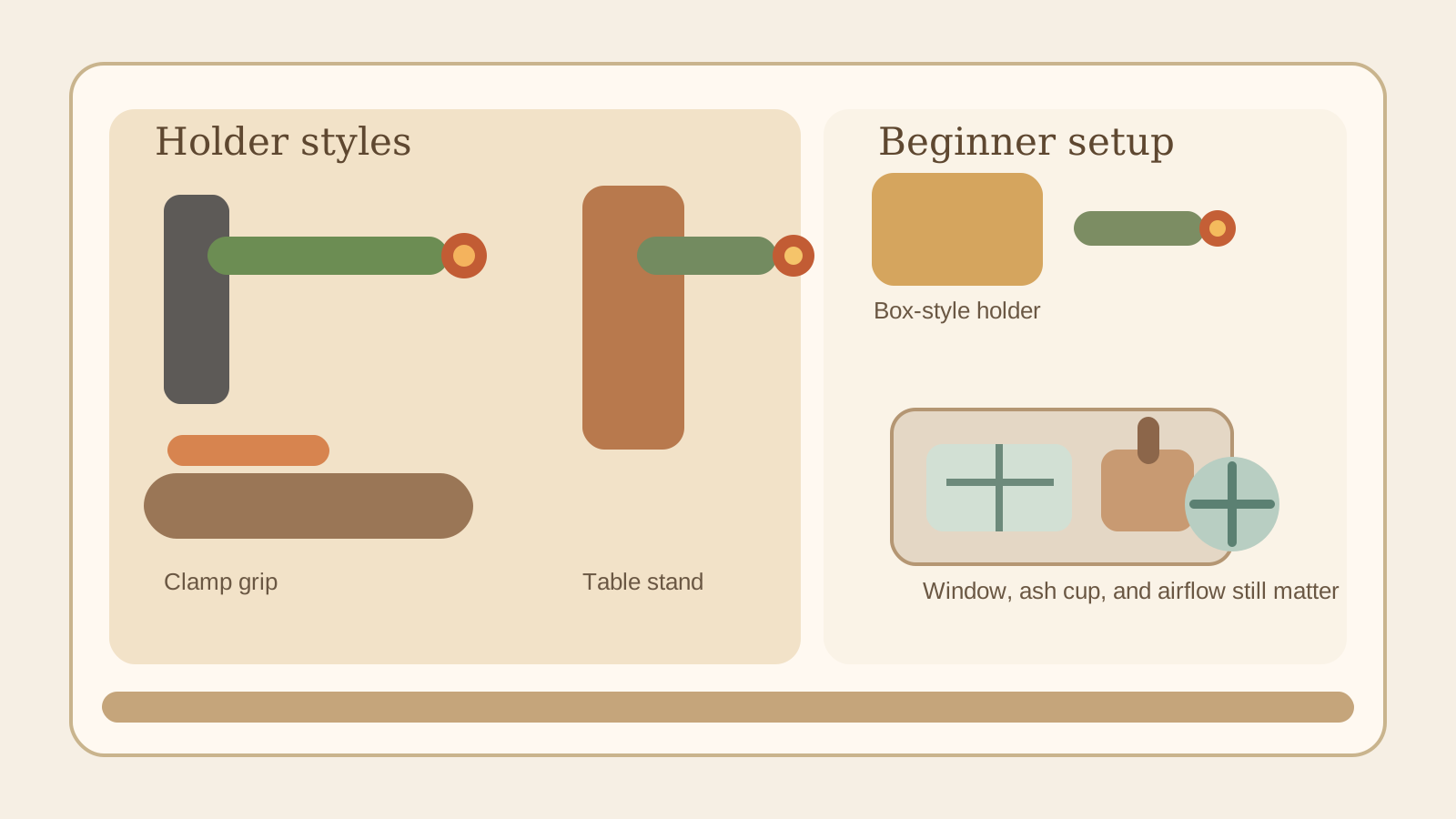
- Make sure the stick fits your planned holder, ash tray, and extinguisher setup.
- If anything feels unclear or off, do not force a first session just because the pack arrived.
This is also the point where it helps to separate curiosity from commitment. A product can be interesting without being worth burning in your room.
When the safest answer is not to use it
Do not use the stick if it appears moldy, damp, unusually damaged, or hard to inspect confidently. The safest beginner rule is conservative: if you cannot describe the product as dry, intact, and honestly presented, replace it instead of testing your luck.
That same caution applies if the first attempt creates unusually harsh odor, unstable ash, or a setup that feels hard to control. A home moxa session should not begin with uncertainty piled on top of poor product quality.
If you still need the fundamentals, go back to what is a moxa stick, how to light a moxa stick safely, and moxa stick fire safety checklist.
A better buying mindset
The best beginner purchase is not the most mystical-looking one. It is the product that makes basic questions easy to answer.
Ask:
- What is the format?
- Does it look dry?
- Does it smell normal?
- Is the labeling specific?
- Can I store, ventilate, and extinguish it responsibly?
If those answers are clear, you are already closer to a useful product. If those answers are hidden behind hype, the listing is not helping you enough.
Sources and further reading
- National Administration of Traditional Chinese Medicine: Mugwort industry background article
- Beijing Hospital of Traditional Chinese Medicine: Dragon Boat Festival moxa explainer
- PubMed: Safety of moxibustion: a systematic review of case reports
- U.S. Fire Administration: Discard Ashes Safely
Common questions
How can I tell if a moxa stick is fake?
It is often hard to prove authenticity from a photo alone, so beginners should focus on practical checks such as dry storage, clean smell, clear labeling, and realistic seller claims.
Does a higher price guarantee better moxa?
No. Price can reflect packaging or age claims, but it does not replace basic checks like dryness, smell, wrapper quality, and honest product details.
What is the biggest warning sign after opening a pack?
A musty smell, damp feel, mold-like spotting, or a wrapper that feels soft and poorly stored should be treated as a clear warning sign.