Quick answer
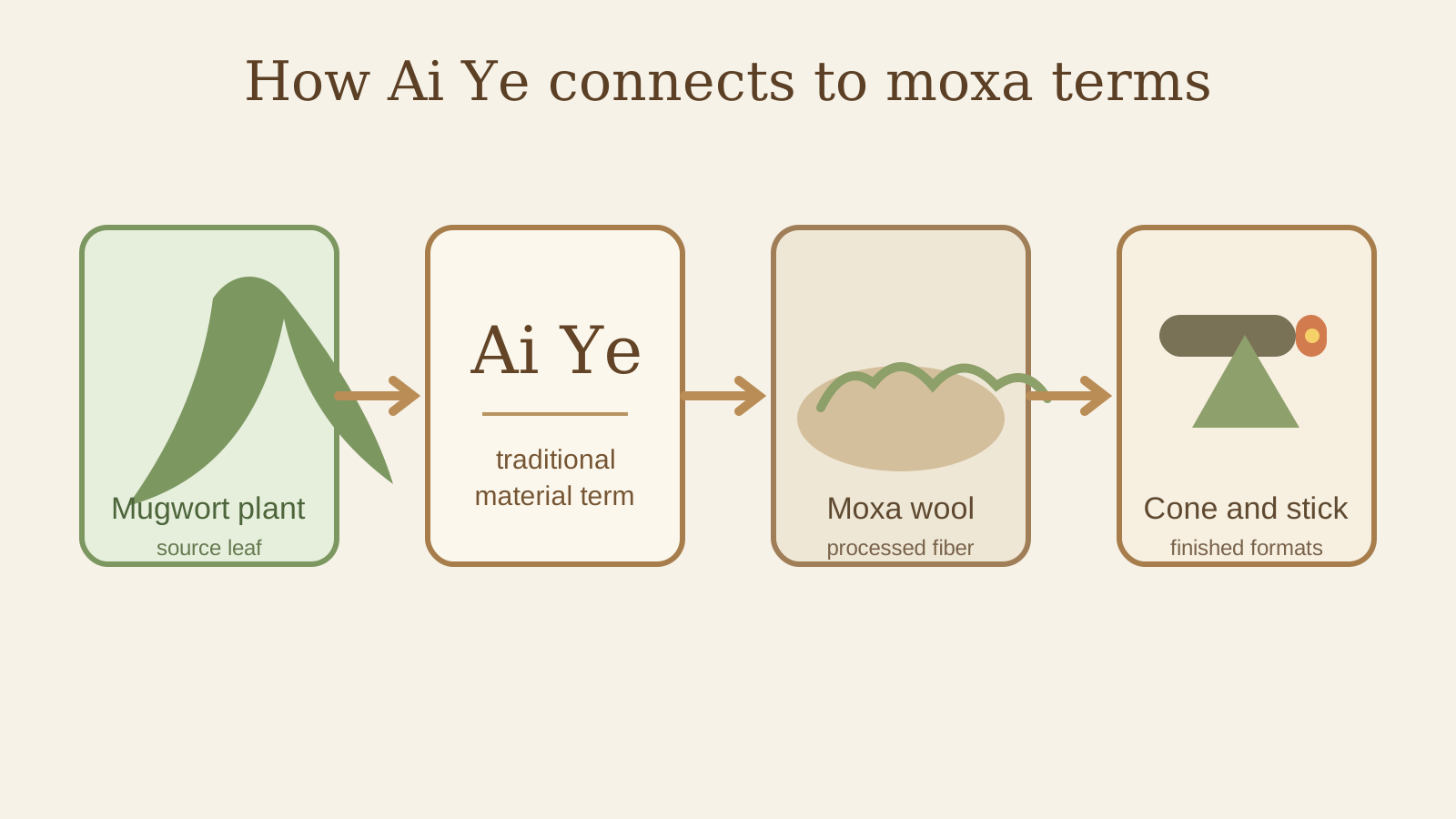
Ai Ye usually means mugwort leaf in Chinese medicine and moxa-related history. It is the plant term behind the material chain, while moxa is the processed fiber or finished product made from that leaf.
Key takeaways
- Ai Ye is best understood as the Chinese medicine name for mugwort leaf, not as a synonym for every moxa product.
- In traditional writing, Ai Ye matters because it sits between plant knowledge, materia-medica history, and the later craft of making moxa wool, cones, and sticks.
- The historical importance of Ai Ye helps beginners read moxa terminology more clearly, but it does not prove that any product is appropriate for every person or condition.
If you searched for Ai Ye, the shortest useful answer is this: Ai Ye usually means mugwort leaf in Chinese medicine and moxa history, not the finished moxa stick itself. In traditional writing, the term points to the plant material that later becomes processed moxa. That is why Ai Ye appears in herb, culture, and moxibustion discussions at the same time.
For beginners, that distinction matters because many English pages blur together four different ideas: mugwort the plant, Ai Ye the traditional term, moxa the processed material, and moxibustion the warming practice.
What Ai Ye means in plain English
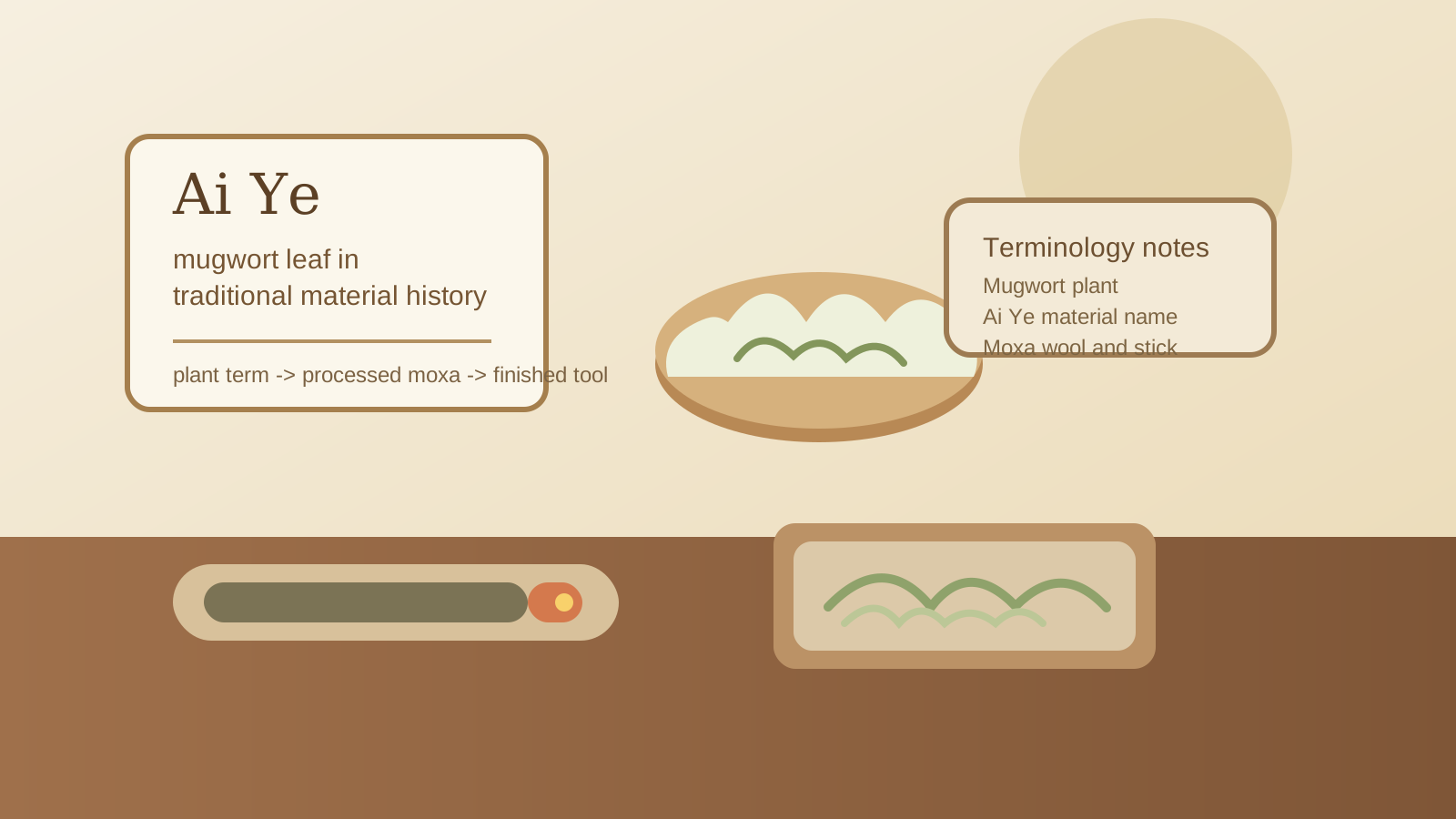
In plain English, Ai Ye is usually the Chinese term readers meet when mugwort is discussed in Chinese medicine or moxa-related education. It is best understood as the leaf material, not as a catch-all label for every finished product on a store page.
That may sound like a small language point, but it solves a common beginner confusion. A seller may mention mugwort, Ai Ye, moxa wool, moxa roll, and moxa stick in one paragraph, which makes it seem as if all the terms are interchangeable. They are related, but they describe different stages of the same subject.
The cleanest beginner sequence is:
- mugwort is the plant,
- Ai Ye is the traditional material term many readers encounter in Chinese medicine contexts,
- moxa is the processed combustible material made from that leaf,
- moxibustion is the warming practice that uses the material.
If you want the broader glossary background first, read what is moxa, what is mugwort used for in moxa, and moxa vs moxibustion.
Why Ai Ye appears in Chinese medicine history
Ai Ye matters historically because mugwort was not only a plant name. It became part of a longer Chinese medicine vocabulary around materials, storage, preparation, and warming techniques. Official hospital education pages still describe mugwort as the main raw material for moxibustion and note that older medical writing discussed moxa methods long before modern online product catalogs existed.
That historical placement helps explain why the term survives so easily. A reader may first see Ai Ye in an herbal context, then again in a moxa article, then again in a cultural page about seasonal customs. The word keeps appearing because mugwort sits at the meeting point of several traditions:
- materia-medica naming,
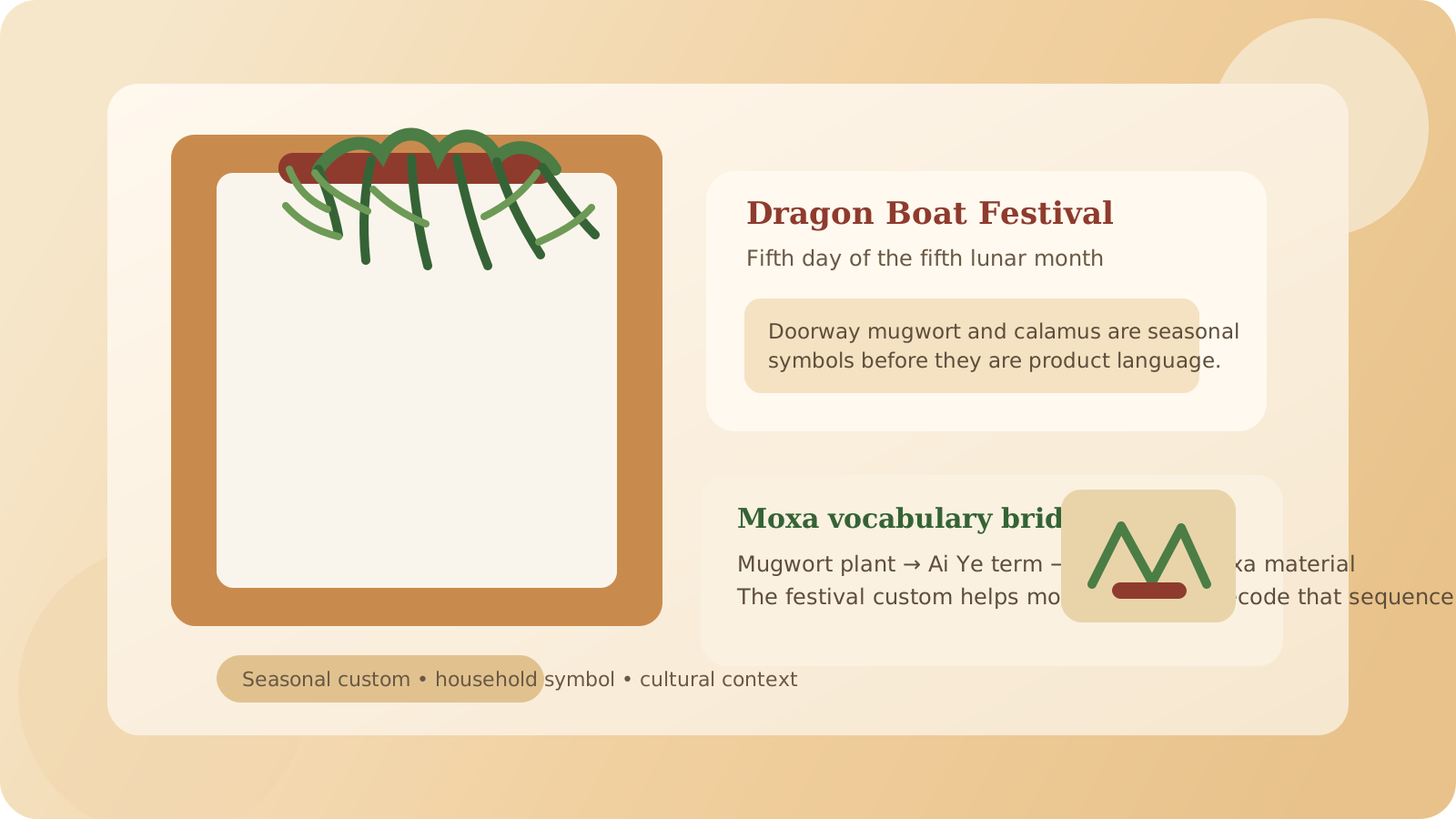
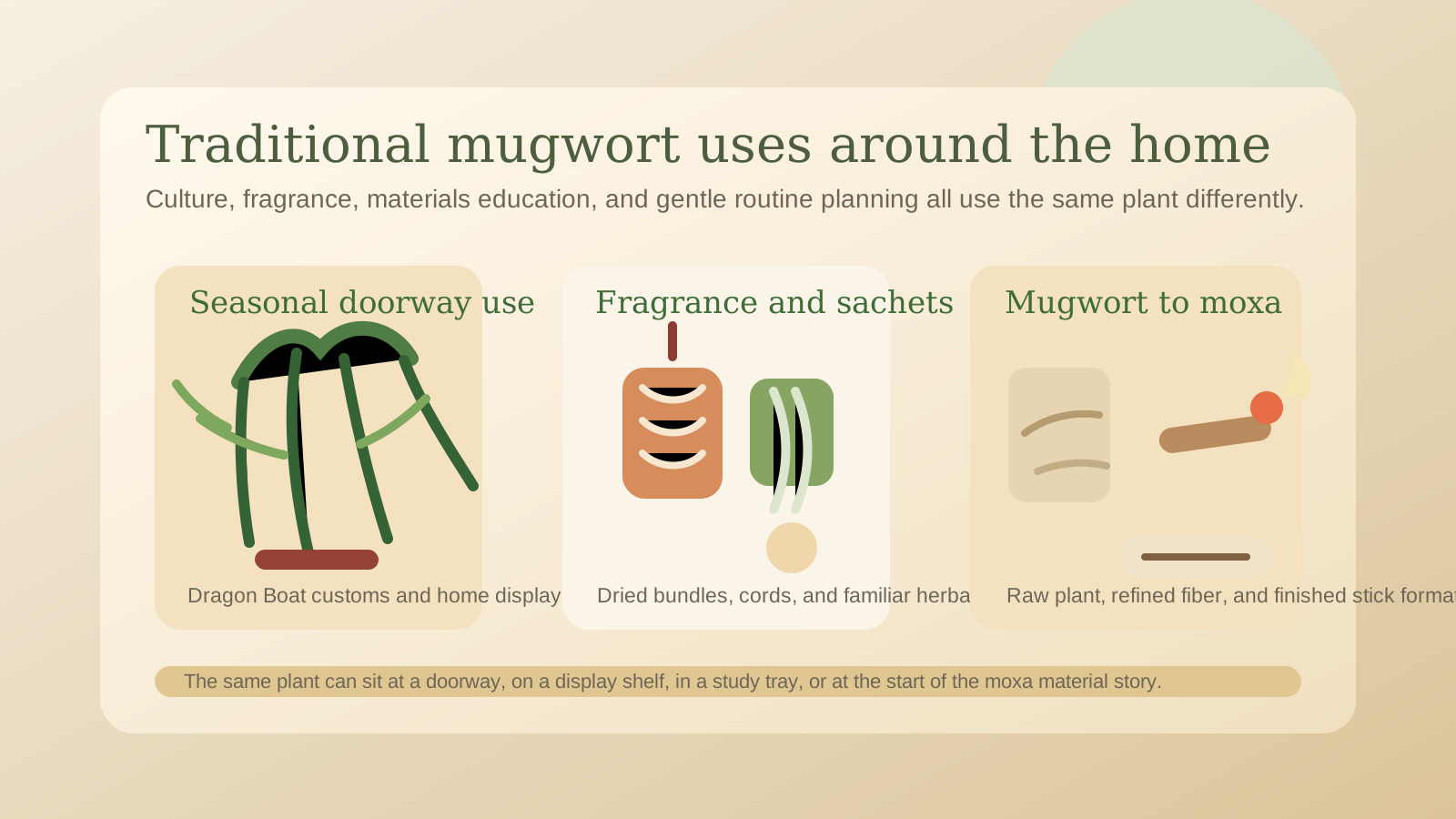
- household and seasonal familiarity with mugwort,
- the technical development of moxa materials,
- the teaching language used in moxibustion history.
This article is therefore narrower than mugwort in Chinese culture. That page focuses on festival and household meaning. The Ai Ye question is more about terminology and historical function: why this particular leaf name stays visible once the discussion shifts from plant culture to moxa practice.
How Ai Ye becomes moxa material
The most practical reason beginners search this topic is that they want to know how a leaf name turns into a burnable product. The answer is material processing. Traditional moxa is made from dried mugwort leaves that are refined into a softer, combustible fiber commonly described as moxa wool. That fiber can then be shaped into cones, rolls, or sticks.
In other words, Ai Ye is upstream from the finished product. It belongs to the raw-material stage of the story.
That distinction improves product literacy. Once you know that Ai Ye refers to the mugwort leaf source, several related buying or glossary questions become easier:
- why what is a moxa stick is different from a plant explainer,
- why moxa wool vs moxa stick compares two later material formats,
- why fresh moxa vs aged moxa is a storage-and-processing question rather than a plant-identification question.
Why Ai Ye and moxa are related but not identical
One reason English search results stay messy is that many pages use “moxa” as an umbrella word. In casual writing, a shop may say it sells moxa even if the catalog really contains sticks, cones, wool, holders, and related tools. That broad usage is understandable, but it hides an important distinction.
Ai Ye refers to the plant-derived leaf material in the traditional vocabulary. Moxa refers to the processed substance or the finished formats made from it. The relationship is close, but it is not a one-word replacement.
That is also why beginners should be careful with literal translations. Seeing Ai Ye on packaging, in an herb list, or in a historical note does not automatically tell you which product format you are dealing with. You still need to check whether the page means:
- loose processed fiber,
- a rolled stick,
- a cone,
- a general reference to mugwort material.
This is where the site’s history and culture hub can help. It connects plant culture, terminology, and practice background without forcing every page to answer every question at once.
What modern readers should do with this background
The value of Ai Ye history is not that it gives you a dramatic claim to repeat. The value is that it makes the rest of the moxa topic easier to read accurately.
Once the terminology is clear, you can separate:
- cultural history from product marketing,
- plant-source language from finished-tool language,
- traditional continuity from modern evidence questions.
That separation is healthy for search readers. It lowers the chance that a beginner will mistake historical language for a guarantee of results. A long traditional record can explain why mugwort became central in moxa education, but it does not answer whether a product is safe for every person, whether a home routine is appropriate, or whether any seller is making realistic claims.
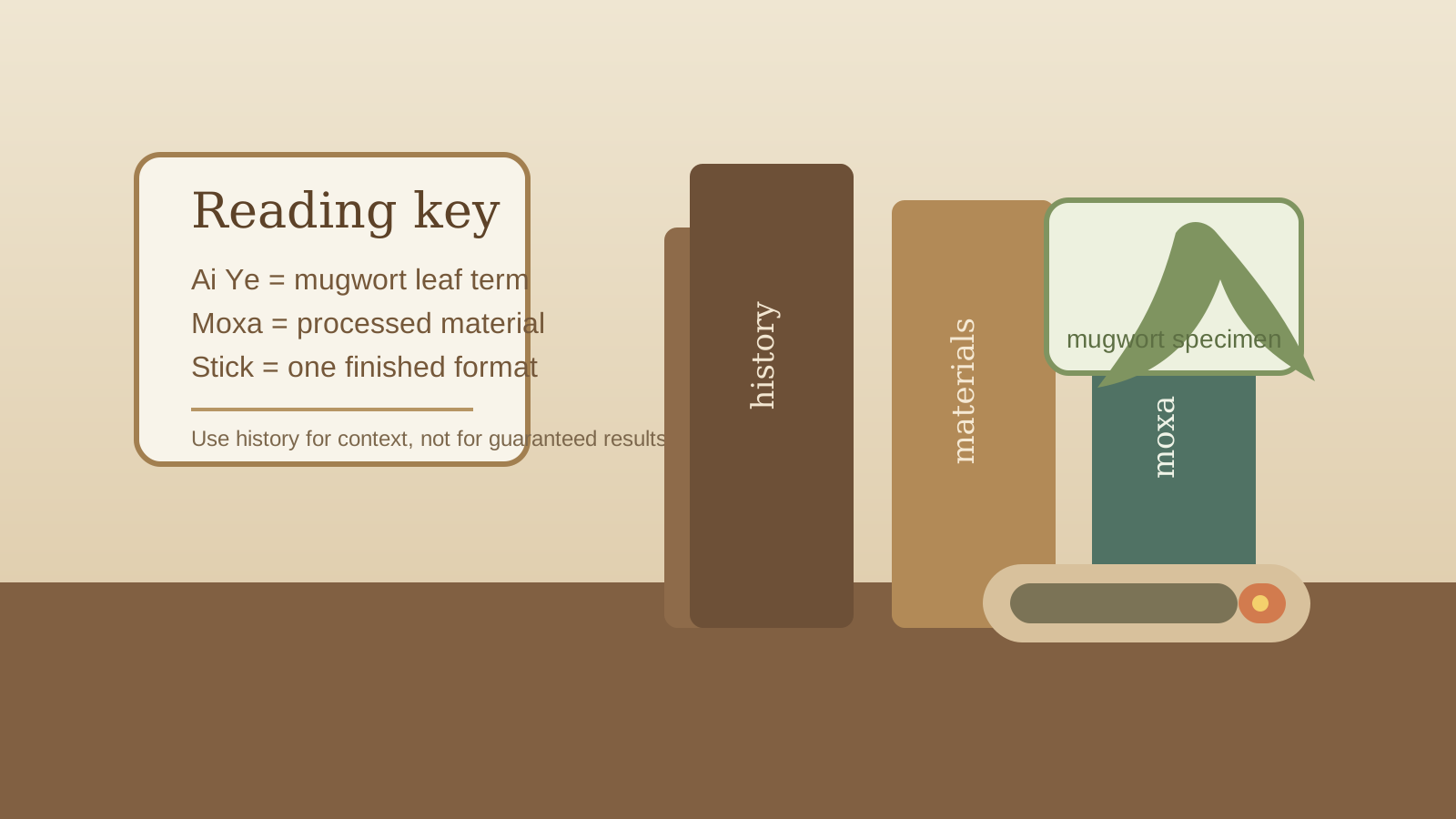
So the best use of this article is as a vocabulary anchor. Start here for the term. Continue to history of moxibustion for the longer timeline, then moxibustion in Traditional Chinese Medicine for the practice context, and then the practical guides only if you also review moxibustion safety basics.
Sources and further reading
Source note: the Chinese sources below are used as background for terminology and historical framing. This article paraphrases them into original English and keeps the claims cultural and educational.
- National Administration of Traditional Chinese Medicine: acupuncture and moxibustion heritage page
- Beijing Hospital of Traditional Chinese Medicine: moxibustion therapy explainer
- Britannica: history of medicine in China
- UNESCO: acupuncture and moxibustion of traditional Chinese medicine
Common questions
Is Ai Ye the same thing as moxa?
No. Ai Ye usually refers to the mugwort leaf material, while moxa refers to the processed combustible material or the finished formats made from it.
Does Ai Ye always mean a moxa stick?
No. A moxa stick is one finished product. Ai Ye is the earlier plant-and-material term behind several related forms, including loose moxa wool, cones, and sticks.
Does the long history of Ai Ye prove modern health benefits?
No. Historical and cultural continuity can explain terminology and traditional use, but it does not prove that a home product diagnoses, treats, cures, or prevents disease.