Quick answer
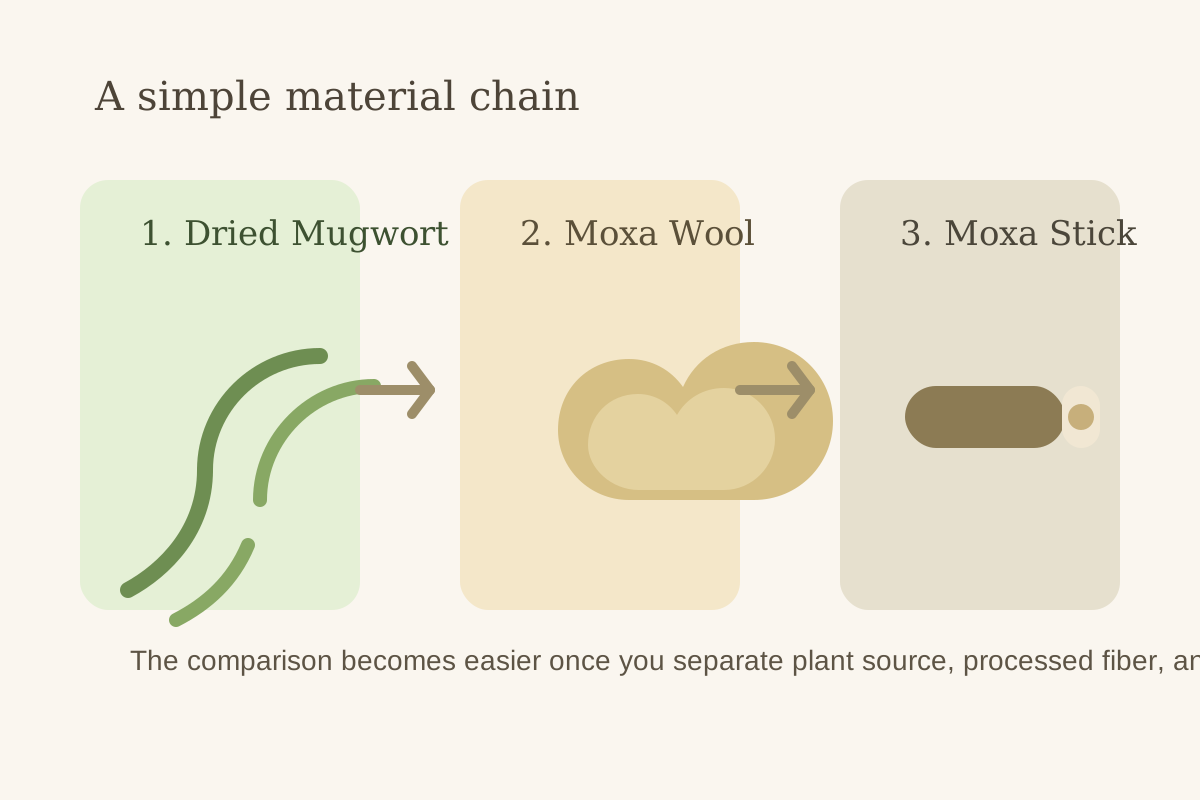
Moxa wool and moxa sticks usually come from the same mugwort-based material chain, but they are not the same product. Moxa wool is the loose processed fiber, while a moxa stick is that material rolled into a more structured format that most beginners find easier to handle.
Key takeaways
- Moxa wool is the loose processed fiber, while a moxa stick is a finished roll made from that fiber or similar prepared moxa material.
- Most beginners understand moxa sticks more easily because the format is simpler to hold, extinguish, and use with basic safety tools.
- The material may be related, but both formats still involve heat, smoke, ash, and careful handling rather than promised health outcomes.
If you want the fastest useful answer, moxa wool is the loose processed mugwort-based fiber and a moxa stick is a finished roll made from prepared moxa. They belong to the same material family, but they behave differently once a beginner starts thinking about storage, setup, smoke, and safe handling.
That distinction matters because many product pages blur all the terms together. A reader sees mugwort, moxa wool, moxa roll, and moxa stick in the same paragraph and assumes they must all describe the same item. They do not. The safest way to understand them is by format first, not by hype.
The short version
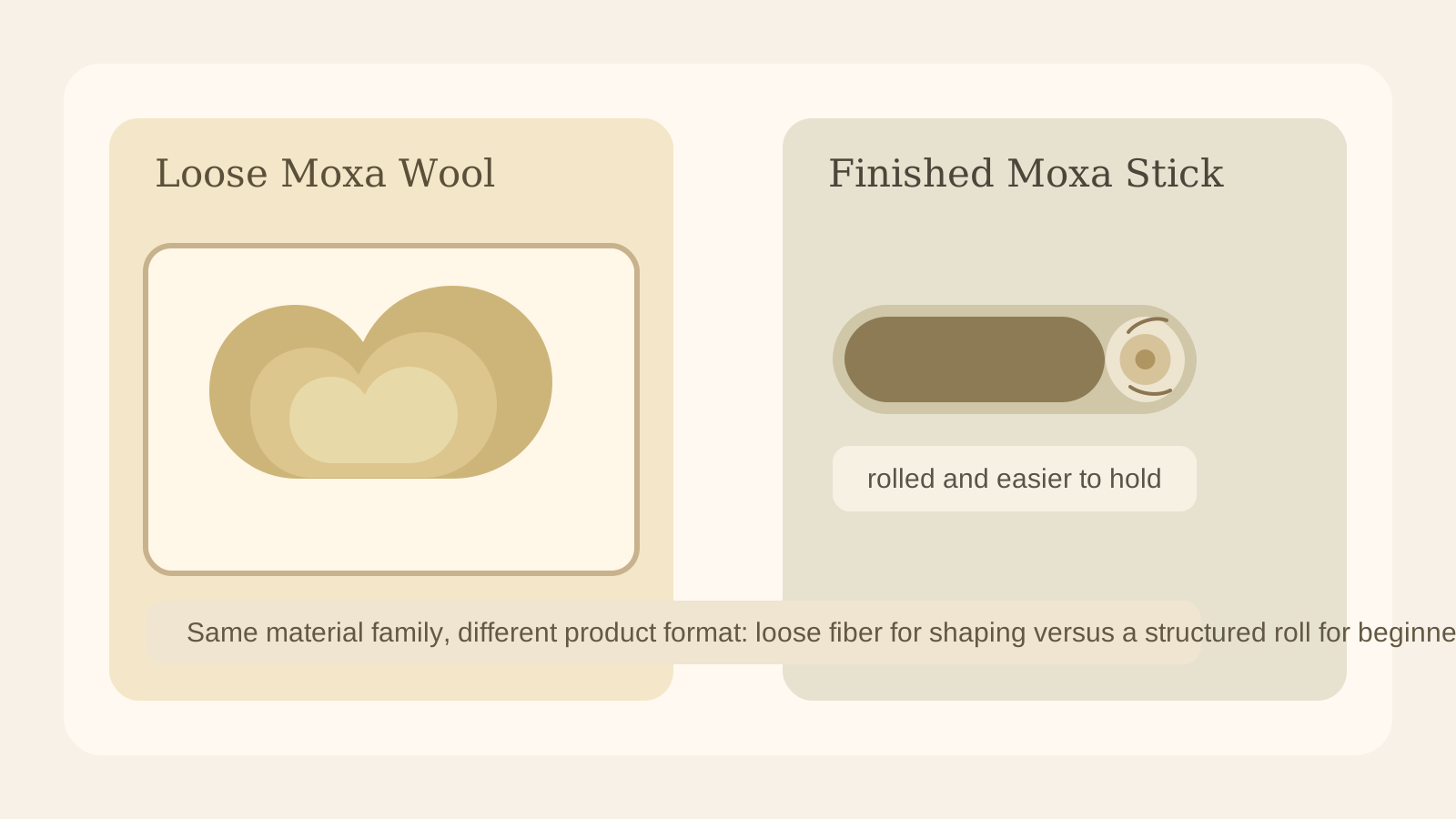
The plain-English comparison looks like this:
- Moxa wool is the soft processed fiber made from dried mugwort leaves.
- A moxa stick is a finished product that packs prepared moxa into a paper-wrapped roll.
That is why the two terms often appear together. A stick is not a completely separate tradition from moxa wool. It is one of the ways prepared moxa material can be turned into a product people can actually hold, light, and extinguish.
For a beginner, this makes the topic much less mysterious. You are not comparing one magical herb with another. You are comparing loose material with a structured product format.
What moxa wool means
Moxa wool usually refers to the soft prepared fiber created after dried mugwort is cleaned, broken down, and separated from rougher plant matter. Some shops describe it as fluffy, fine, or aged, but those labels still point back to the same basic idea: this is the processed material stage rather than the finished stick stage.
That matters because loose material is more flexible, but also less beginner-friendly. It can be portioned and shaped in different ways, yet it asks for more judgment about how much material is being used, how it is held, and how it will be extinguished safely afterward.
In other words, moxa wool is closer to the raw working material of moxa products than to a simple ready-to-use beginner tool.
What a moxa stick means
A moxa stick takes prepared moxa and puts it into a more controlled shape. Most beginners recognize it immediately because it looks like a short paper-wrapped roll with a firm outer structure and a packed center.
That format changes the user experience in practical ways:
- it is easier to pick up and hold,
- it works with simple holders and trays,
- the burning end is easier to monitor,
- the used portion is usually easier to snuff out.
Those handling advantages are the main reason beginner guides talk about sticks so often. It is not because a stick proves better outcomes. It is because a structured format is easier to understand safely.
Same material family, different handling
The biggest mistake shoppers make is assuming that if the material origin is related, the product experience must be the same. It is not.
Loose moxa wool asks more from the user:
- more setup judgment,
- more care around shaping or portioning,
- more attention to loose fibers and cleanup,
- more confidence around extinguishing leftover material.
A moxa stick reduces some of that complexity because the material is already contained. The user still has to manage smoke, ash, and heat, but the format is less open-ended.
That is why “moxa wool vs moxa stick” is really a handling comparison more than a tradition comparison.
Which format is easier for beginners?
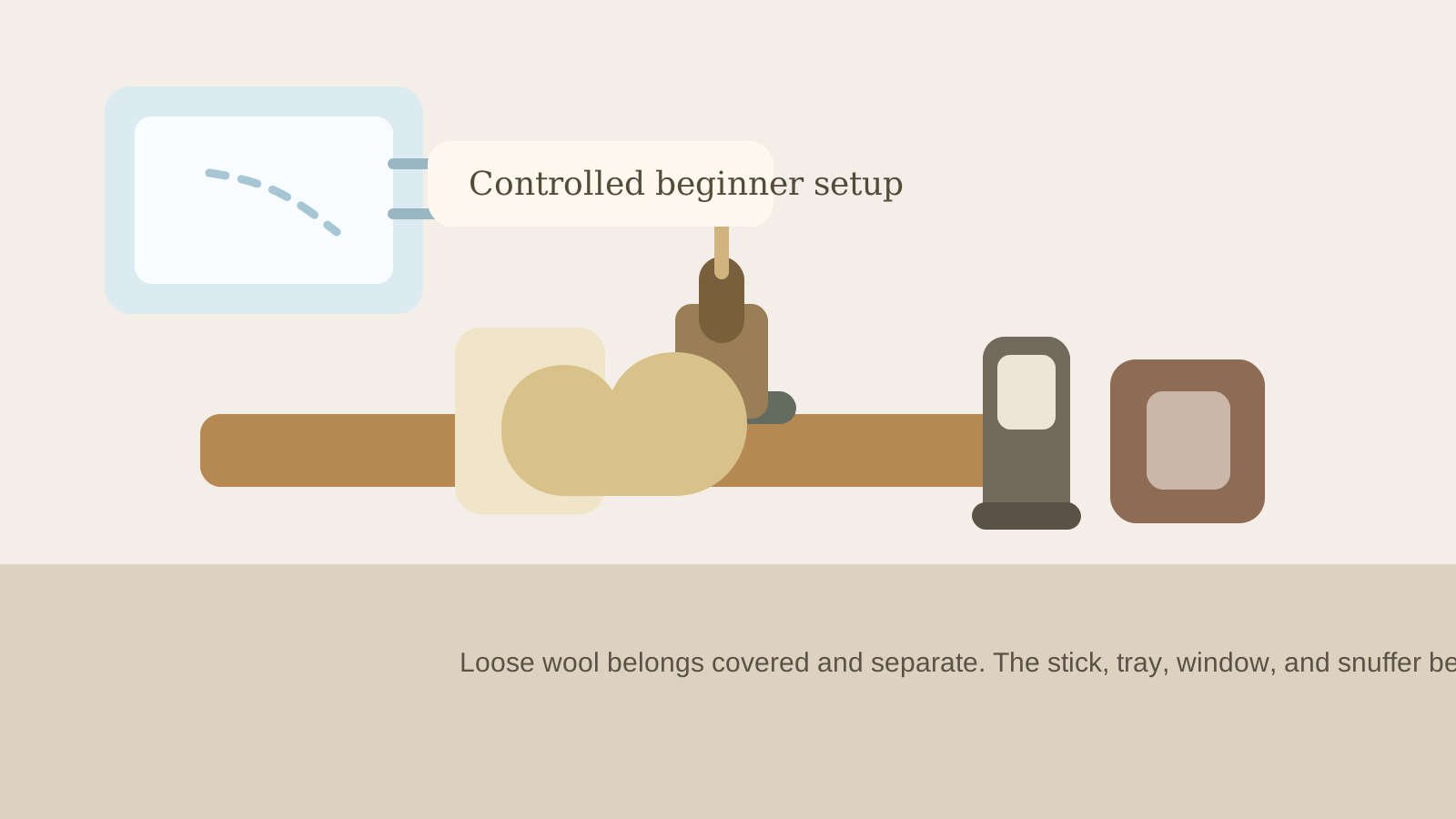
For most people learning at home, the safer beginner answer is the moxa stick. A stick does not remove risk, but it makes the workflow easier to understand:
- set up ventilation,
- prepare a tray and extinguisher,
- light the tip,
- monitor ash and distance,
- extinguish the roll fully,
- store the remainder safely.
Loose moxa wool can make sense in more specialized or practitioner-guided settings, but it usually is not the clearest first purchase for someone who is still learning the vocabulary of moxa itself.
That does not mean a stick is always “better.” It means a stick is usually easier to teach, easier to describe, and easier to fit into a basic home safety routine.
What to look for before you buy either one
Whether you are comparing wool or sticks, the useful buying questions are ordinary ones:
- Does the material look dry and well stored?
- Does the smell seem plant-like rather than moldy or chemical?
- Is the product description explaining format clearly, or only making dramatic promises?
- Do you already have a realistic plan for smoke, ash, and extinguishing?
Those questions matter more than claims about instant strength or certain results. A product page can sound impressive while still telling you almost nothing about storage quality or practical use.
If the listing depends on vague claims instead of showing the format clearly, that is usually not a strong sign.
Safety differences worth knowing
Both formats belong in the same safety conversation because both involve combustible plant material. The difference is not whether safety matters. The difference is how obvious the safety steps feel.
With moxa sticks, the hazards are easier for beginners to picture:
- a glowing tip,
- falling ash,
- indoor smoke and odor,
- the need for a tray or holder,
- the need to snuff out the roll fully.
With loose moxa wool, the same core issues still exist, but the material may feel less visually contained. That is one reason beginner-focused shops and educational articles often start with sticks instead of loose fiber.
If you are not yet confident about ventilation, extinguishing, or storage, the answer is usually not to buy the more open-ended format first.
When this comparison helps most
This comparison is most useful when someone is at the product-education stage, not the treatment-claim stage. The goal is to understand what you are looking at before buying:
- a material form,
- a finished tool form,
- or a product page that is mixing the two.
That is also why this article stays away from promises about what one format will “do” for a condition. Format affects handling. It does not prove medical superiority.
If you want to keep building the basics, the next useful reads are what is moxa, what is a moxa stick, and how to choose good moxa sticks. Those pages help you move from vocabulary to shopping logic without treating product language as medical advice.
Sources and further reading
- National Administration of Traditional Chinese Medicine: Acupuncture and moxibustion heritage overview
- National Administration of Traditional Chinese Medicine: Mugwort industry background article
- NCCIH: Traditional Chinese Medicine: What You Need To Know
- PubMed: Safety of moxibustion: a systematic review of case reports
Common questions
Is moxa wool the same thing as a moxa stick?
Not exactly. Moxa wool is the loose processed material, while a moxa stick is a finished rolled product made from prepared moxa.
Which is easier for beginners to buy first?
A moxa stick is usually easier for beginners because the format is more structured and simpler to pair with a tray, holder, and extinguisher.
Does loose moxa wool mean stronger effects?
No. Product format does not prove stronger results. It mainly changes handling, setup, smoke behavior, and how much guidance a beginner may need.