Quick answer
In Traditional Chinese Medicine, moxibustion is a warming practice that uses burning moxa, usually made from processed mugwort, near selected points or areas. For beginners, the most useful way to understand it is as part of a larger traditional system with its own vocabulary, cultural logic, and practical safety limits.
Key takeaways
- Traditional Chinese Medicine places moxibustion alongside acupuncture, herbal medicine, and other long-standing practices.
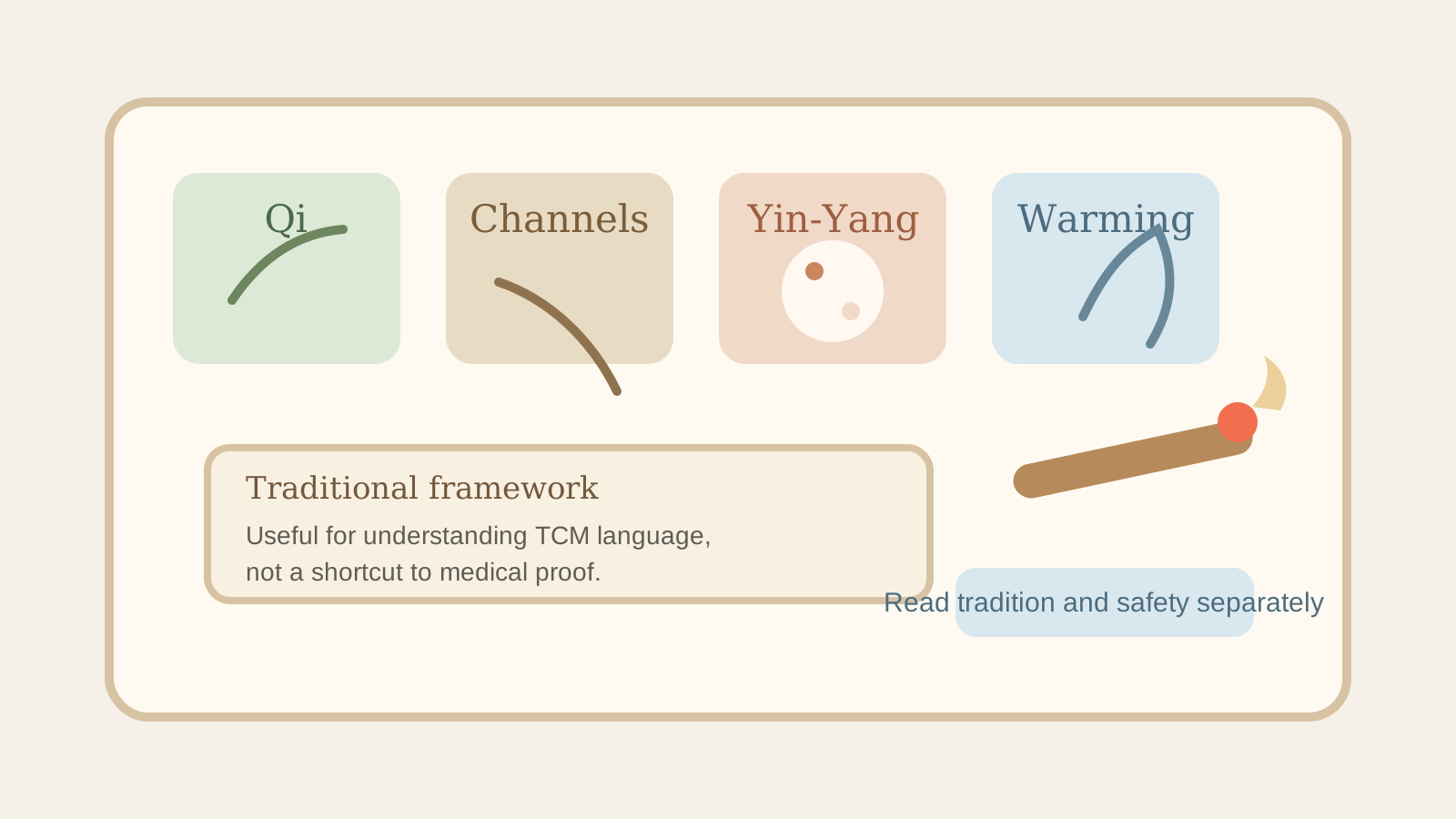
- Words such as qi, channels, yin-yang, and warming belong to a traditional framework and should not be read as modern medical proof.
- Home readers should approach moxibustion as a heat, smoke, and ash practice with clear safety boundaries.
Moxibustion is often introduced to English readers as a technique, a product, or a wellness trend. In Traditional Chinese Medicine, it is better understood as one part of a larger traditional system with its own vocabulary, logic, and teaching history.
That distinction matters. If you only meet moxibustion through shop pages or short videos, it can seem like an isolated tool. In TCM, it sits beside acupuncture, herbal medicine, tui na, dietary ideas, and mind-body practices. The warming method is only one piece of the broader picture.
What moxibustion means inside TCM
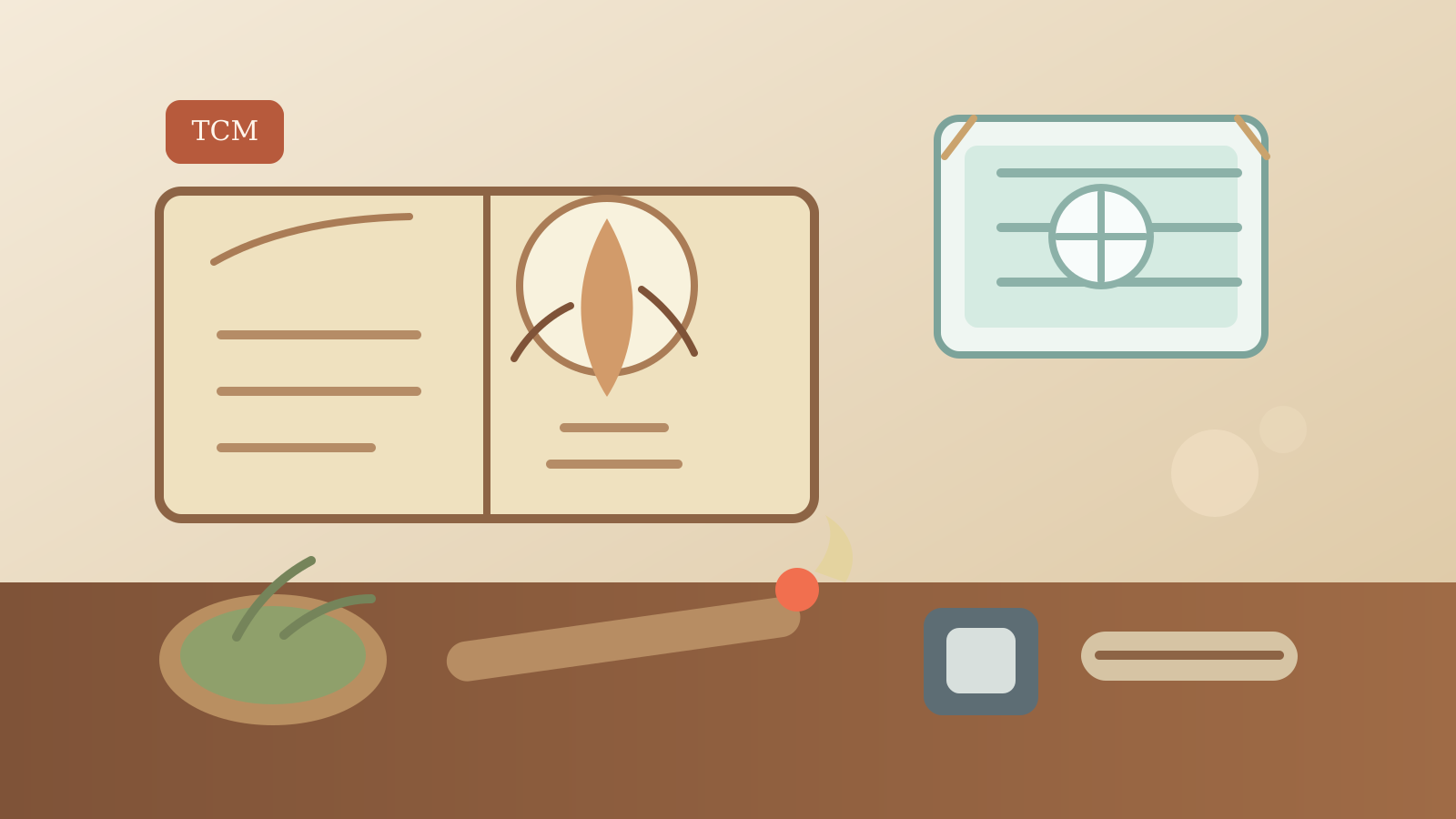
Traditional Chinese Medicine commonly describes moxibustion as a warming method that uses burning moxa near selected points or body areas. Moxa is usually made from processed mugwort leaves, often shaped into wool, cones, or sticks.
Within TCM, moxibustion is not only about the material that burns. It is also about how warmth is interpreted. Traditional language often connects moxa with ideas such as cold, warmth, channels, qi, and balance. Those are part of a historical medical worldview. They help explain how practitioners have discussed the method over time, but they are not the same thing as modern biomedical diagnosis.
For a beginner, the cleanest translation is this: TCM uses its own traditional framework to explain why a warming practice might be chosen, while modern readers still need separate evidence and safety judgment.
Why moxibustion is often paired with acupuncture
English articles often mention acupuncture and moxibustion together because TCM teaching commonly links them through points and channels. The pairing is practical as well as historical. Both methods focus on selected locations, but they work through different tools.
- Acupuncture uses needles.
- Moxibustion uses controlled heat from burning moxa.
UNESCO and official TCM sources both describe direct and indirect forms of moxibustion, which helps explain why the practice can look very different from one setting to another. A clinic may use small cones, sticks, holders, or other setup variations. A beginner shopping online usually sees the indirect stick format first because it is easier to package and describe.
The traditional ideas readers usually encounter
Once you start reading about moxibustion in TCM, you will see a cluster of recurring terms:
- Qi refers to a traditional concept of vital activity or energy flow.
- Channels are the pathways used in traditional acupuncture and moxibustion theory.
- Yin and yang describe a framework of balance and contrast.
- Cold and heat can refer to traditional pattern language, not just literal room temperature.
The safest way to read these ideas in English is with some distance. They are useful for understanding TCM culture and classical vocabulary. They do not automatically convert into a modern claim about what a home routine will do for a medical condition.
Where mugwort and moxa fit into the TCM picture
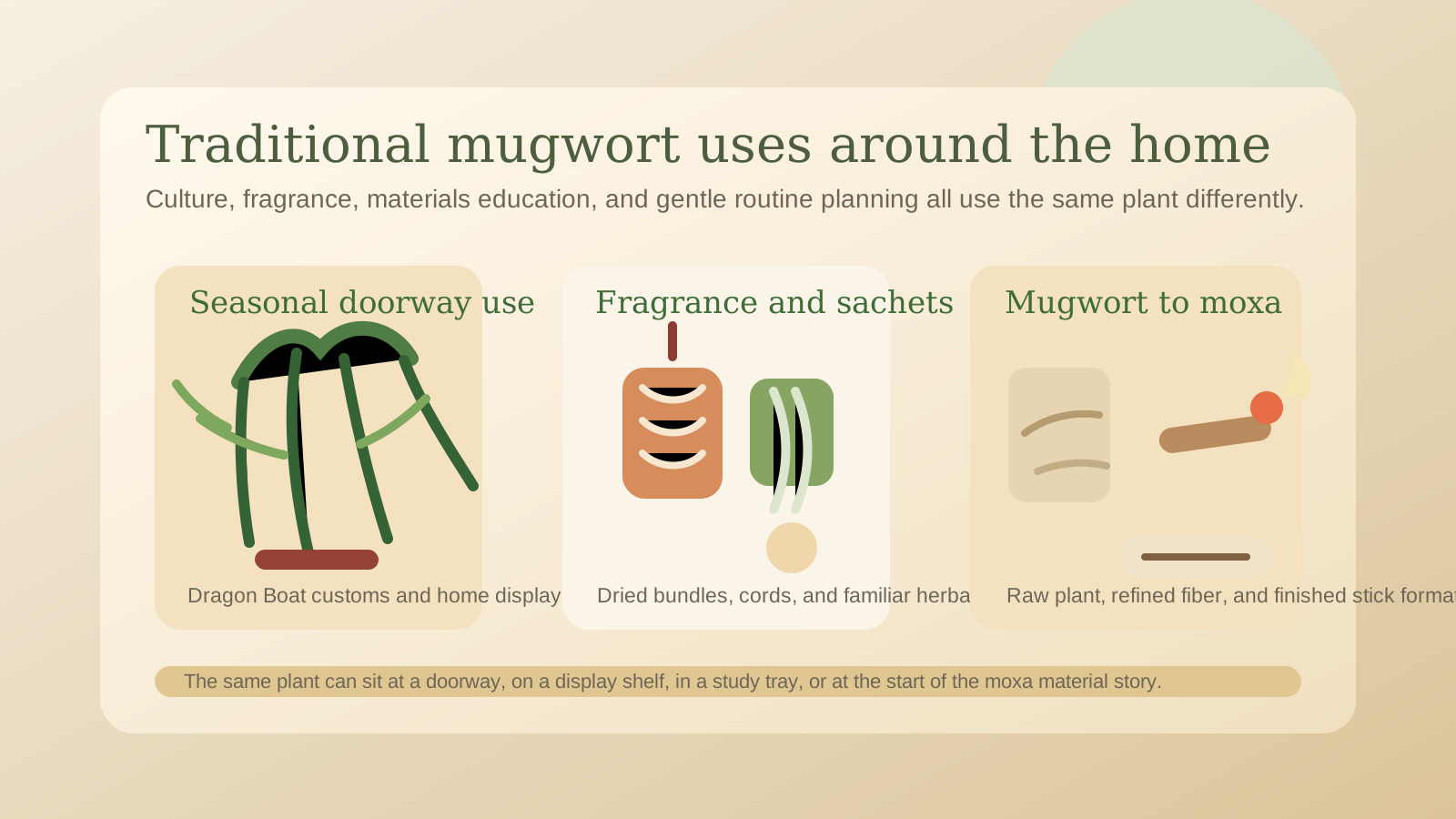
TCM discussions of moxibustion usually begin with the material itself. Mugwort, often referenced as ai ye in Chinese, is processed into the combustible fiber used for moxa. That fiber may stay loose or be shaped into cones, sticks, rolls, and other forms.
This material story matters because beginners often confuse four related terms:
- mugwort is the plant material,
- moxa is the prepared fiber or finished burnable product,
- moxa sticks and cones are product formats,
- moxibustion is the practice.
Understanding those distinctions makes TCM articles much easier to read. It also helps shoppers make sense of labels that mention ai ye, moxa wool, aged moxa, smokeless moxa, or indirect moxa.
Common formats in Traditional Chinese Medicine
Traditional Chinese Medicine includes more than one moxa format. Historical and modern descriptions usually sort the practice into direct and indirect methods.
Direct moxibustion refers to moxa placed on or very near a point in a more concentrated way. Indirect moxibustion creates warmth with some distance, barrier, holder, or tool between the burning material and the body.
For most home readers, the practical lesson is simple: even if two products are both called moxa, they may create very different handling conditions. A handheld stick, a cone, and a box do not ask for the same level of control.
That is why “moxibustion in TCM” should not be reduced to one single image. It is a family of warming methods inside a broader tradition.
How to read TCM explanations without overpromising
Many English readers want to know whether they should take TCM explanations literally. A better approach is to read them in layers:
- Read the traditional explanation as cultural and historical context.
- Read the practical setup as a heat-and-smoke handling question.
- Read modern evidence and safety separately, without forcing a one-to-one translation.
This layered approach prevents two common mistakes. The first mistake is dismissing the tradition entirely because its vocabulary is unfamiliar. The second is accepting traditional language as if it were automatic proof of modern effectiveness.
NCCIH makes a similar distinction when it explains that ancient TCM concepts are part of understanding the tradition, while modern research asks separate questions about safety and effectiveness. That is a useful boundary for any beginner article.
Safety boundaries still come first
Even on a low-risk culture page, safety should not disappear. Moxibustion still involves burning material, smoke, odor, heat, ash, and the possibility of skin irritation or burns.
If you are reading about TCM moxibustion with home use in mind, keep these limits in view:
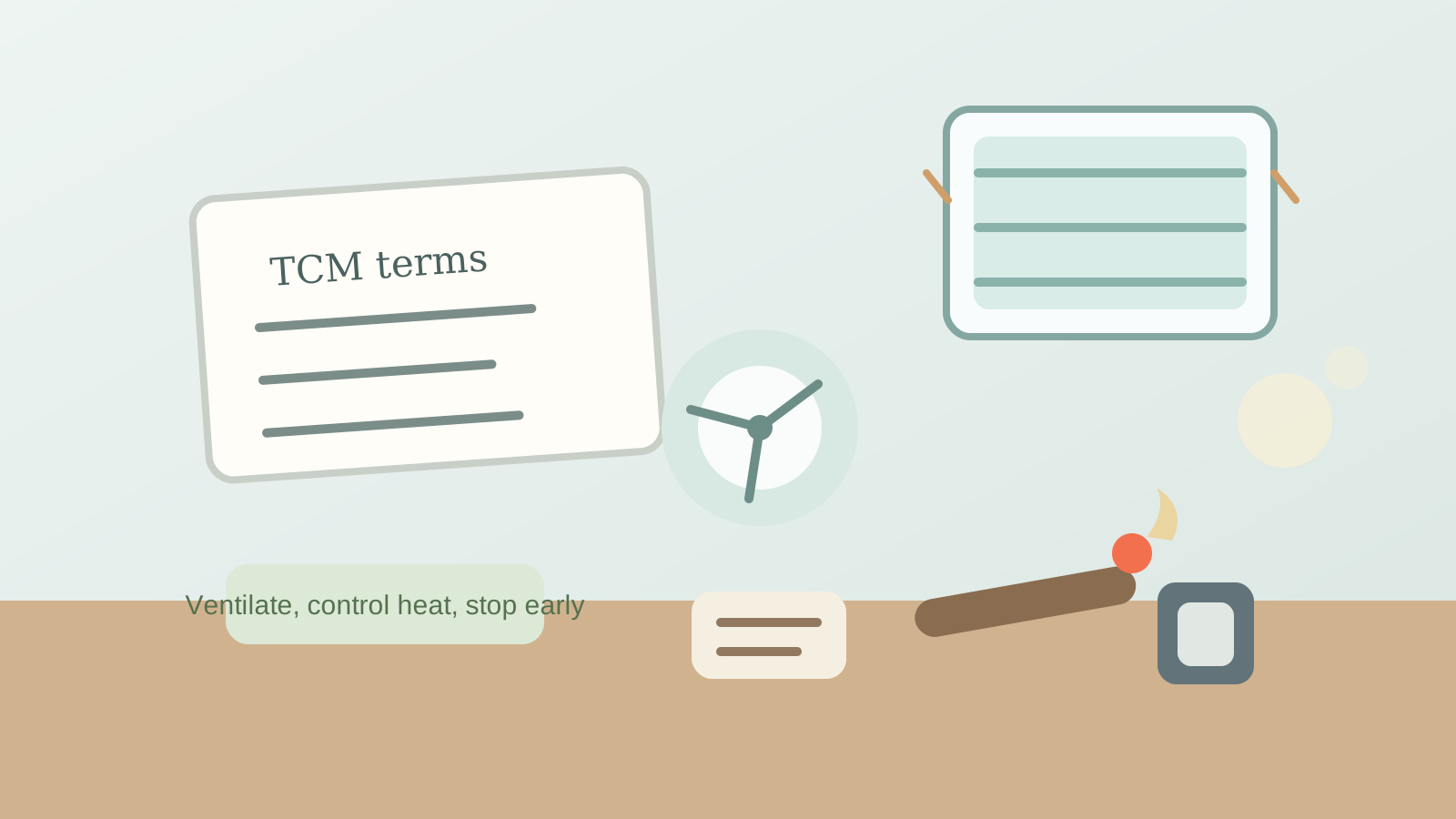
- ventilate the room before lighting anything,
- keep an extinguishing plan beside the setup,
- avoid irritated, wounded, numb, or medically sensitive skin,
- stop if the heat feels sharp, smoky, or hard to control,
- ask a qualified clinician before trying moxa for a personal health concern.
Traditional language does not remove practical risk. In fact, the safest beginner move is often to learn the vocabulary first and handle the product second.
Why this topic still matters today
Moxibustion remains part of how many people describe Traditional Chinese Medicine, whether in clinics, educational materials, heritage discussions, or product categories. Learning where it sits in TCM helps beginners avoid confusion.
It also improves the rest of the site journey. Once this page is clear, related topics become easier to understand:
- Read what is moxibustion for the broad beginner definition.
- Read moxa vs moxibustion for the material-versus-practice vocabulary.
- Read what is a moxa stick for the most common retail format.
- Read history of moxibustion for the longer cultural timeline.
The main takeaway is straightforward: in Traditional Chinese Medicine, moxibustion is a warming practice with deep cultural roots, shared language with acupuncture, and a material basis in mugwort-derived moxa. Understanding that context is valuable. It just needs to stay paired with modern caution.
Sources and further reading
- National Center for Complementary and Integrative Health: Traditional Chinese Medicine
- National Administration of Traditional Chinese Medicine: Acupuncture and moxibustion listed as intangible cultural heritage
- UNESCO: Acupuncture and moxibustion of Traditional Chinese Medicine
- Britannica: Moxibustion
- PubMed Central: The Safety of Moxibustion
Common questions
Is moxibustion the same as Traditional Chinese Medicine?
No. Moxibustion is one practice within Traditional Chinese Medicine, not the whole system.
Why is moxibustion often mentioned with acupuncture?
Traditional Chinese Medicine commonly discusses moxibustion and acupuncture together because both are linked with points and channels, even though one uses heat and the other uses needles.
Does learning the traditional theory mean home use is right for everyone?
No. Traditional background can help you understand the vocabulary, but it does not replace fire safety, skin caution, ventilation, or professional guidance for personal health concerns.