Quick answer
Traditional mugwort home uses usually fall into four buckets: seasonal doorway customs, fragrance and sachet uses, moxa-related material uses, and gentle bath or foot-soak routines. The key for beginners is to keep those categories separate instead of treating every mugwort tradition as a medical claim.
Key takeaways
- Traditional mugwort home uses are mostly cultural, household, and material practices rather than proof of modern medical effects.
- The same plant can appear in Dragon Boat customs, sachets, dried herb storage, and moxa-making vocabulary, but each use has a different purpose.
- If your real goal is moxa buying or home use, learning the mugwort background helps, but safe product handling still matters more than folklore.
If you want the short answer first, traditional mugwort home uses usually include seasonal doorway bundles, fragrant sachets, dried decorative storage, moxa-related material use, and gentle bath or foot-soak routines. Those uses belong to household culture, festival customs, and practical herb handling. They do not automatically prove that mugwort treats disease, and beginners are better off separating cultural meaning from medical claims.
That separation matters because English readers often meet mugwort only through product pages. In Chinese tradition, though, mugwort also appears in seasonal customs, household fragrance, and the material story behind moxa.
How to think about mugwort home uses without mixing everything together
The easiest mistake is to throw every mugwort tradition into one vague wellness bucket. That flattens a much richer picture.
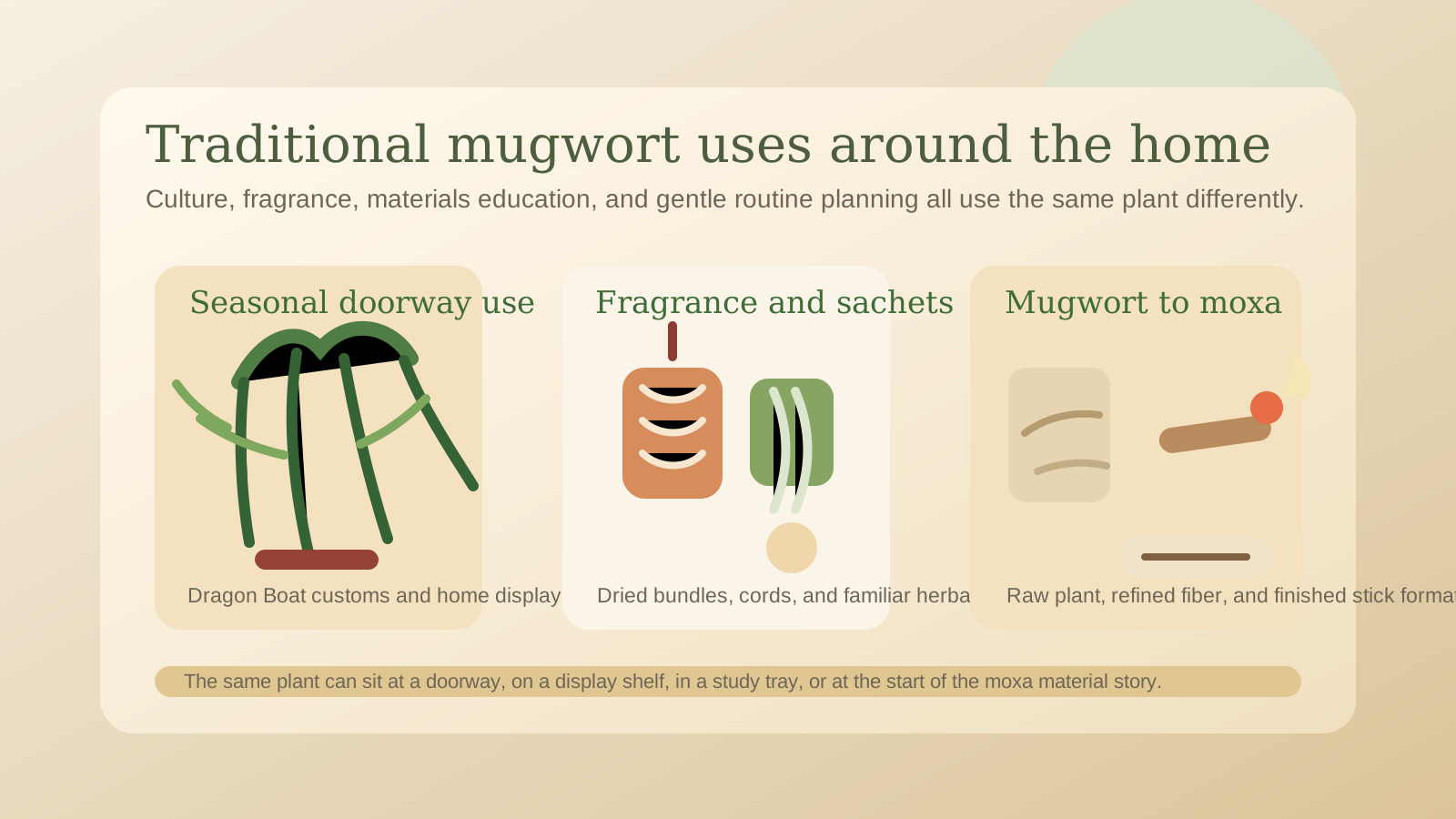
Some mugwort uses are mainly seasonal and symbolic, especially around the Dragon Boat Festival. Some are fragrance or household-atmosphere uses, such as sachets or dried bundles. Some are material uses, where mugwort becomes the plant source behind moxa wool and finished moxa sticks. Others are wash or soak routines that belong to household care rather than to burning practices.
If you keep those categories separate, the topic becomes much clearer. A doorway bundle is not the same thing as a moxa stick. A sachet is not the same thing as a foot soak. And none of those automatically turns into a promise about disease treatment.
For the broader cultural background, mugwort in Chinese culture and Dragon Boat Festival mugwort tradition explain why mugwort keeps showing up in both family customs and modern product language.
1. Doorway bundles, seasonal displays, and festival markers
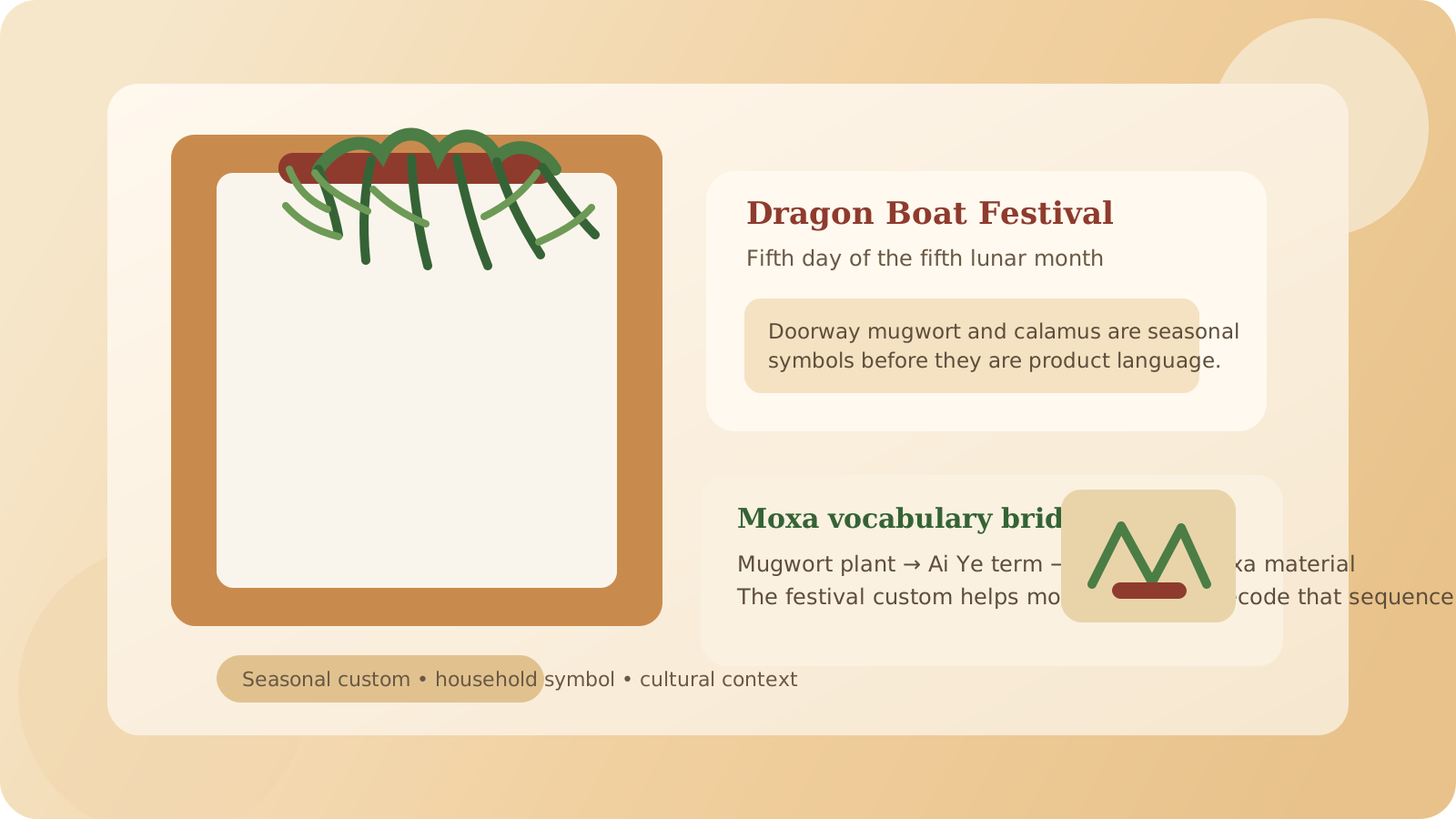
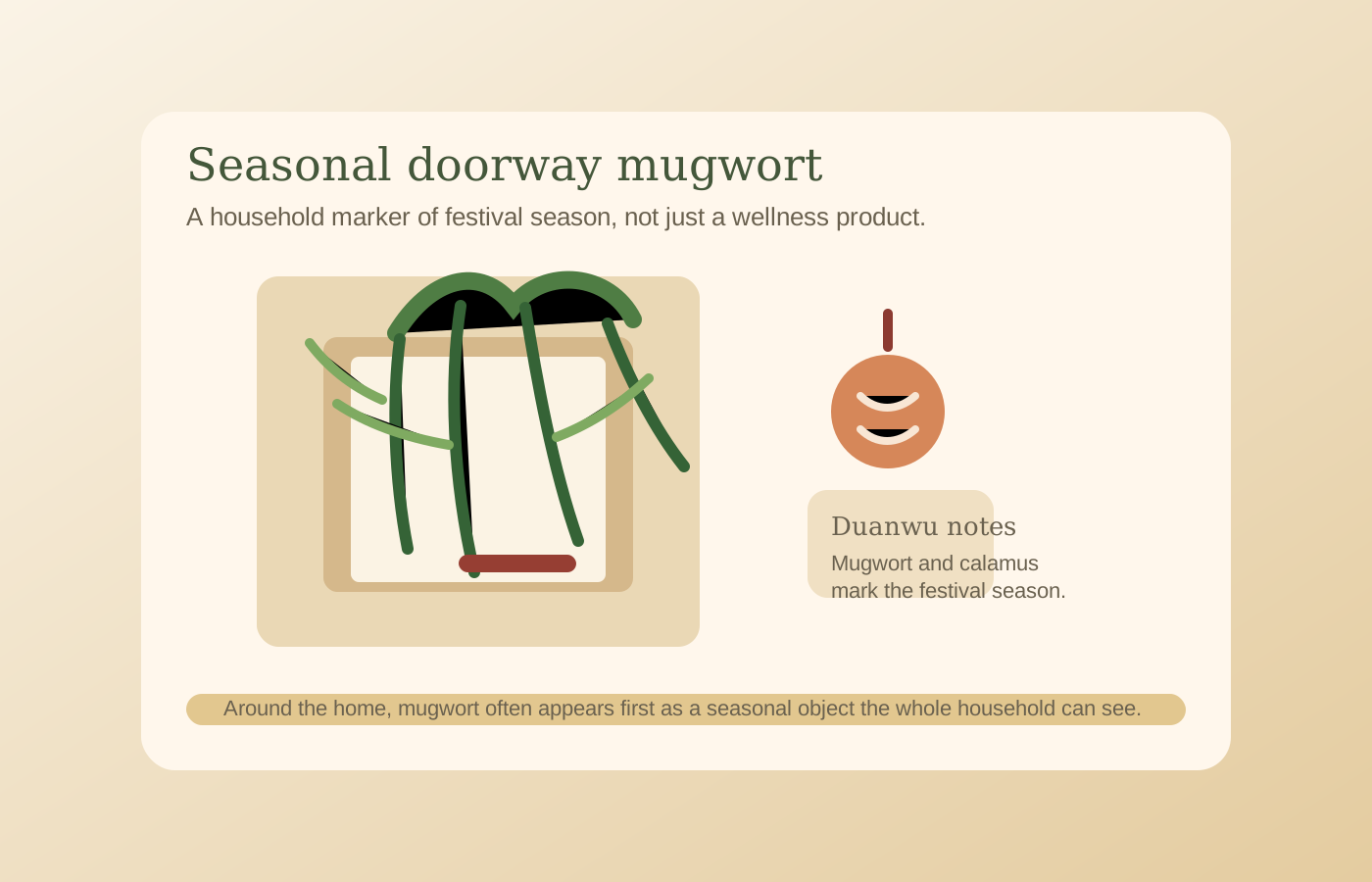
One of the best-known traditional mugwort home uses is simply hanging it at the entrance. Dragon Boat Festival custom pages in China describe hanging mugwort and calamus, placing them on doorframes, or shaping them into decorative household forms during the fifth lunar month.
This is important because it shows mugwort as a visible part of home life, not only as an herb sold for moxa. In many homes, the doorway bundle works as a seasonal marker. It says: the household recognizes the festival, the season has changed, and tradition is being carried forward in a public way.
For a modern reader, that means mugwort can still be used around the home as:
- a festival doorway bundle,
- a table arrangement during seasonal celebrations,
- a decorative reminder of Dragon Boat customs,
- an educational object for teaching children or guests what the festival includes.
These are cultural uses first. They are worth understanding on their own terms rather than being translated into exaggerated health promises.
2. Sachets, dried fragrance, and simple household atmosphere
Another traditional home use is fragrance. Mugwort appears in sachet culture, dried herb bundles, and seasonal arrangements that add scent and visual texture to a room. This is especially easy to understand when mugwort is paired with cords, fabrics, or other festival objects.
In practice, that can mean a few different low-intensity uses around the home:
- placing dried mugwort in a display basket,
- including mugwort in a cultural study corner with books or festival objects,
- using mugwort-themed sachets as seasonal decor,
- storing a small dried bundle in a ventilated area for its familiar herbal smell.
These uses are modest, but they matter because they explain why mugwort appears in household scenes even when nobody is planning to practice moxibustion.
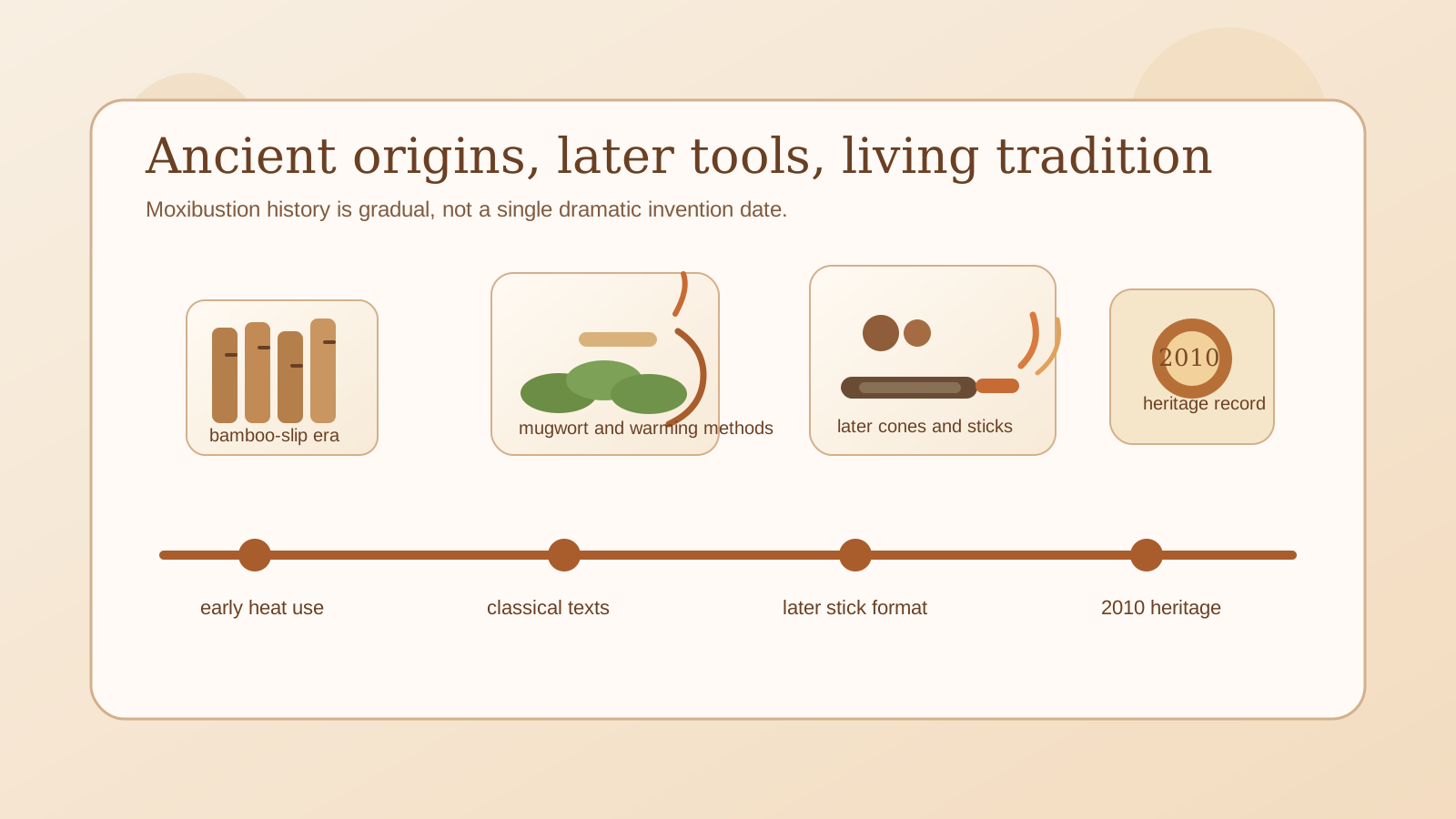
If your interest is mainly cultural, that may be enough. If your interest is actually product-related, this is the point where the story usually shifts from plant symbolism to material vocabulary. Readers often move from this page to Ai Ye and mugwort in Chinese medicine history because that article explains how a household plant name becomes part of TCM and moxa terminology.
3. Mugwort as the plant behind moxa materials
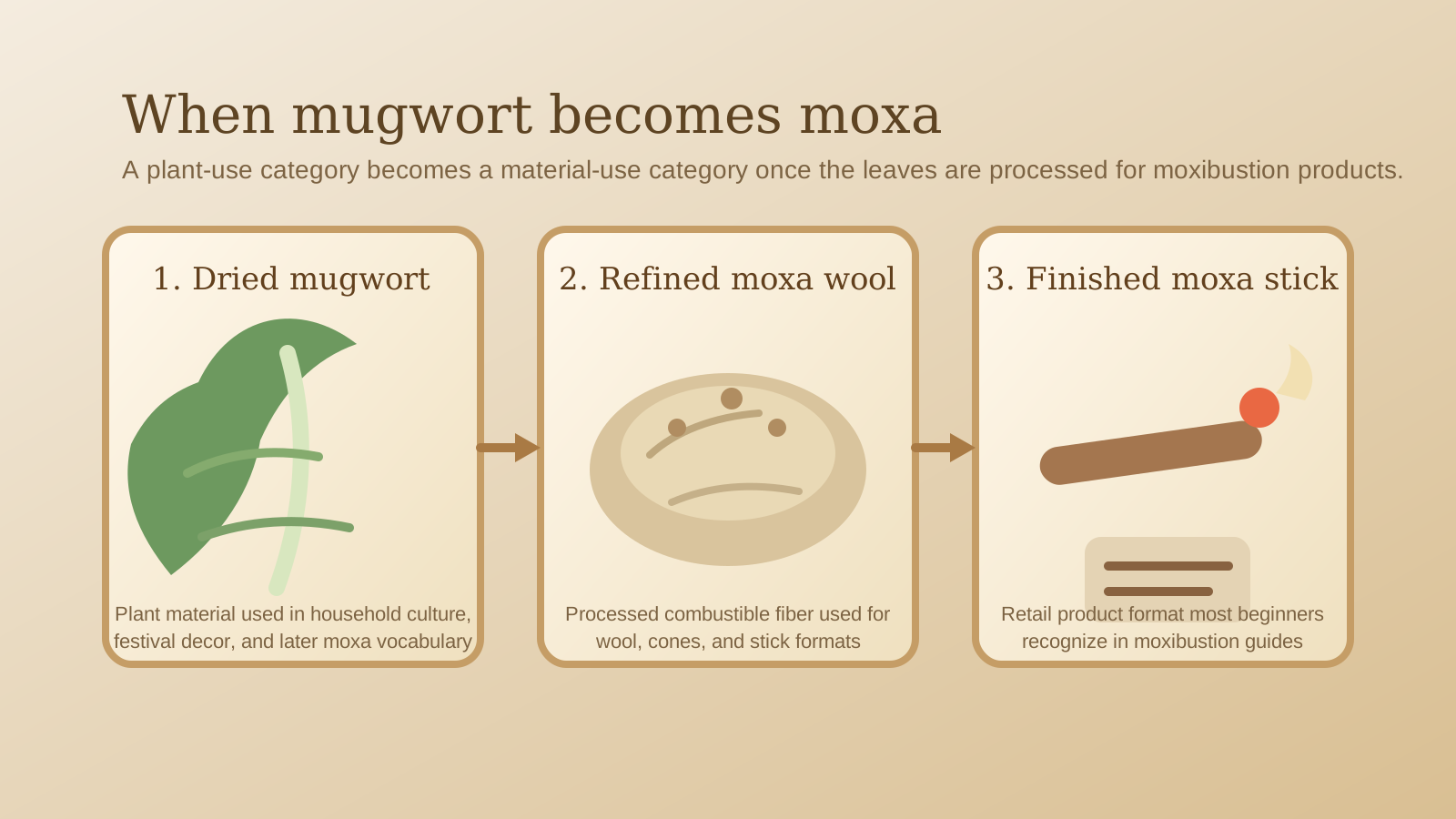
One of the most practical mugwort home uses is also the most misunderstood: mugwort is the plant source behind moxa material. Once dried and processed, it becomes the soft combustible fiber used for moxa wool, cones, and sticks.
That does not mean every dried mugwort bundle in a home should be burned like moxa. It means mugwort has a second life beyond festival decor: it also sits at the start of the material chain behind moxibustion products.
For beginners, this is the helpful sequence:
- mugwort is the plant,
- Ai Ye is the traditional term many readers encounter,
- processed mugwort becomes moxa material,
- finished products include wool, cones, and sticks.
This is why mugwort is relevant to home buyers even if they first discovered it through culture pages. If your real question is about what the plant becomes after processing, continue with what is mugwort used for in moxa, what is moxa, and what is a moxa stick.
4. Bath and foot-soak routines belong to a different category
Mugwort also appears in bath and foot-soak routines, but this should be treated as a different household use from burning moxa. A soak is about water temperature, comfort, and general routine planning. A moxa session is about combustion, smoke, ash, and burn prevention. They are not interchangeable.
That distinction helps prevent sloppy thinking. Someone searching for mugwort home uses may really want a calm, non-burning household routine. In that case, a soak or wash is the more relevant branch of the topic.
The safest way to describe this use is simple:
- keep the routine gentle,
- avoid extremely hot water,
- stop if the skin feels irritated,
- do not treat the soak as a substitute for medical care.
If that is the direction you need, the practical next step is mugwort foot soak guide. If you are comparing a soak with a moxa routine, keep them as separate beginner pathways rather than one combined method.
5. Storage, craft, and learning uses for modern readers
Not every useful mugwort home use needs to be sensory or ritual. Some are simply organizational and educational.
Modern readers often use mugwort around the home in ways that help them learn the tradition more clearly:
- labeling dried mugwort separately from finished moxa products,
- storing study samples in a dry, ventilated area,
- building a small festival or herb display for family education,
- comparing raw mugwort, processed moxa wool, and finished sticks side by side,
- using mugwort imagery in journals, classes, or cultural presentations.
This kind of home use is especially valuable for beginners because it reduces confusion. Once you can tell the difference between raw plant material and a finished combustible product, product descriptions become easier to read and safety decisions become easier to make.
If storage is your main concern, the practical product-focused guide is how to store moxa sticks at home. That page is about finished moxa products rather than raw mugwort, but the same logic applies: keep materials dry, clearly separated, and easy to inspect.
A simple rule for choosing the right mugwort home use
Ask one question first: Do I want culture, fragrance, materials education, or a gentle household routine?
That single decision usually tells you where to go next. Choose culture if you want festival meaning and doorway customs. Choose fragrance if you want sachets or seasonal displays. Choose materials education if you are trying to understand moxa. Choose a gentle routine if you are interested in soaks rather than burning products.
That is the most helpful way to answer the search intent behind “mugwort home uses.” The topic is broad, but it becomes practical once the uses are grouped by purpose.
Sources and further reading
- UNESCO: Dragon Boat festival
- China Intangible Cultural Heritage: Dragon Boat Festival project page
- China Intangible Cultural Heritage: Dragon Boat customs overview
- UNESCO: Acupuncture and moxibustion of traditional Chinese medicine
- National Administration of Traditional Chinese Medicine: acupuncture and moxibustion heritage overview
- Kew Science: Artemisia argyi
Common questions
What is mugwort traditionally used for at home?
Common traditional mugwort home uses include seasonal doorway bundles, sachets, dried displays, moxa material preparation, and gentle bath or foot-soak routines.
Is every mugwort home use the same as moxibustion?
No. Mugwort is the plant, while moxa is the processed combustible material made from it for moxibustion. Many home uses are cultural or household uses rather than burning practices.
Do traditional mugwort uses prove health benefits?
No. They show long-standing cultural and household use, but tradition is not the same thing as modern medical proof.