Quick answer
In Chinese culture, mugwort is more than a plant name. It appears in seasonal customs, household decorations, fragrance traditions, and the material history behind moxa.
Key takeaways
- In Chinese culture, mugwort is tied to seasonal ritual, household symbolism, and the Dragon Boat Festival, not only to modern product labels.
- The Chinese term Ai Ye usually refers to mugwort leaves in traditional medicine and moxa-related contexts, but cultural use and medical claims are not the same thing.
- Learning the cultural background of mugwort can help beginners understand moxa more clearly without treating tradition as proof of disease-treatment claims.
If you want the shortest useful answer, mugwort in Chinese culture is both a seasonal household plant and the traditional raw material behind moxa. English readers often meet it only through product pages, but in Chinese cultural life it also appears in festival customs, doorway decorations, fragrance traditions, and the language of traditional medicine.
That broader context matters. Without it, “mugwort” can sound like a loose wellness buzzword. With it, the connection between Ai Ye, Dragon Boat customs, and moxa becomes much easier to understand.
Why mugwort matters beyond the plant name
Many beginners search this topic because they notice that mugwort appears in several different places at once:
- in Dragon Boat Festival decorations,
- in the Chinese name Ai Ye,
- in moxa and moxibustion articles,
- in sachets, washes, or older household customs.
Those uses overlap, but they are not identical. The safest way to read them is to separate cultural meaning from modern health claims.
In other words, mugwort matters in Chinese culture partly because of what people did with it in homes and seasonal observances, and partly because processed mugwort became the material used for moxa. That double role is why it shows up in both cultural and TCM discussions.
Mugwort and the Dragon Boat Festival
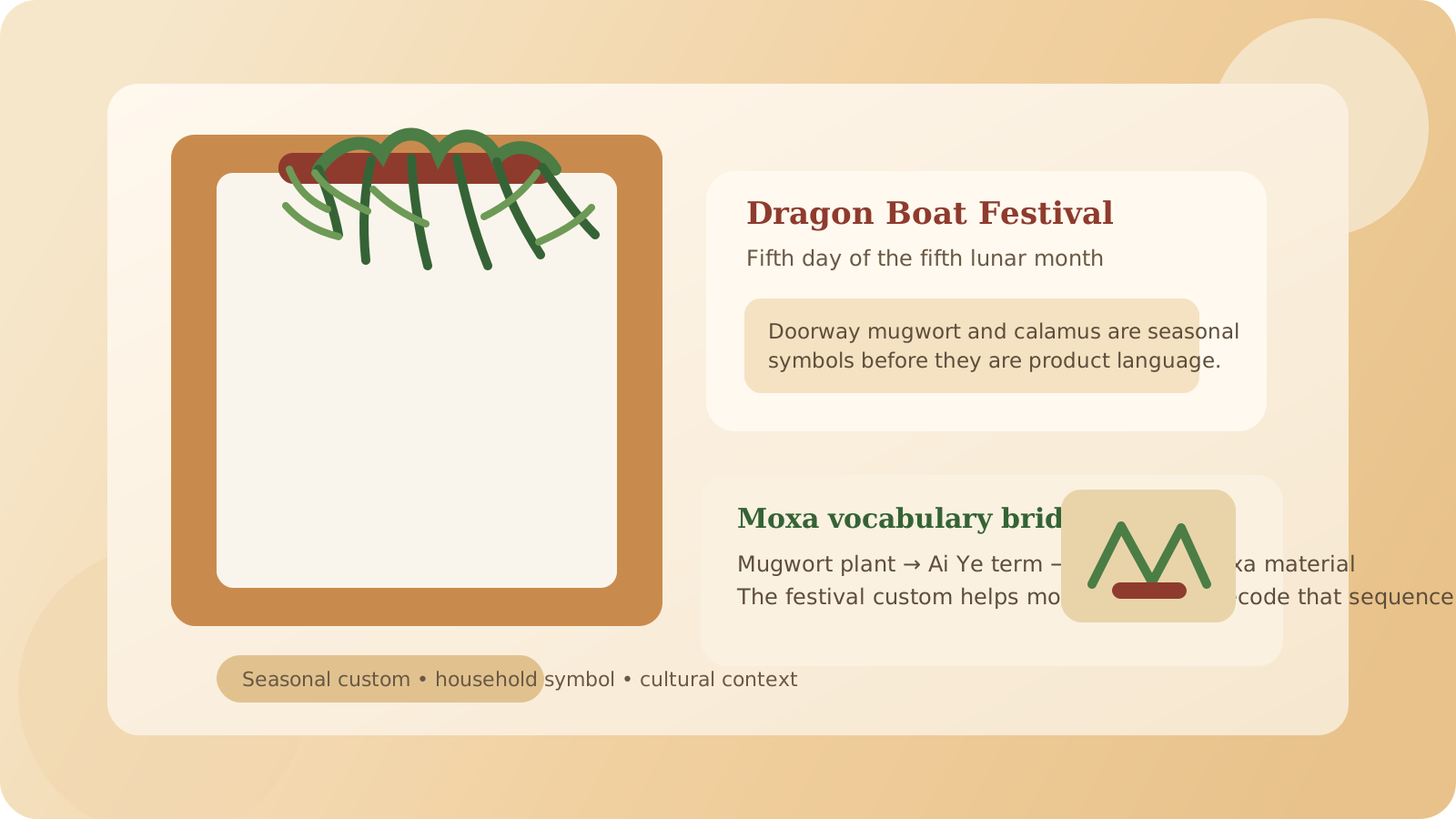
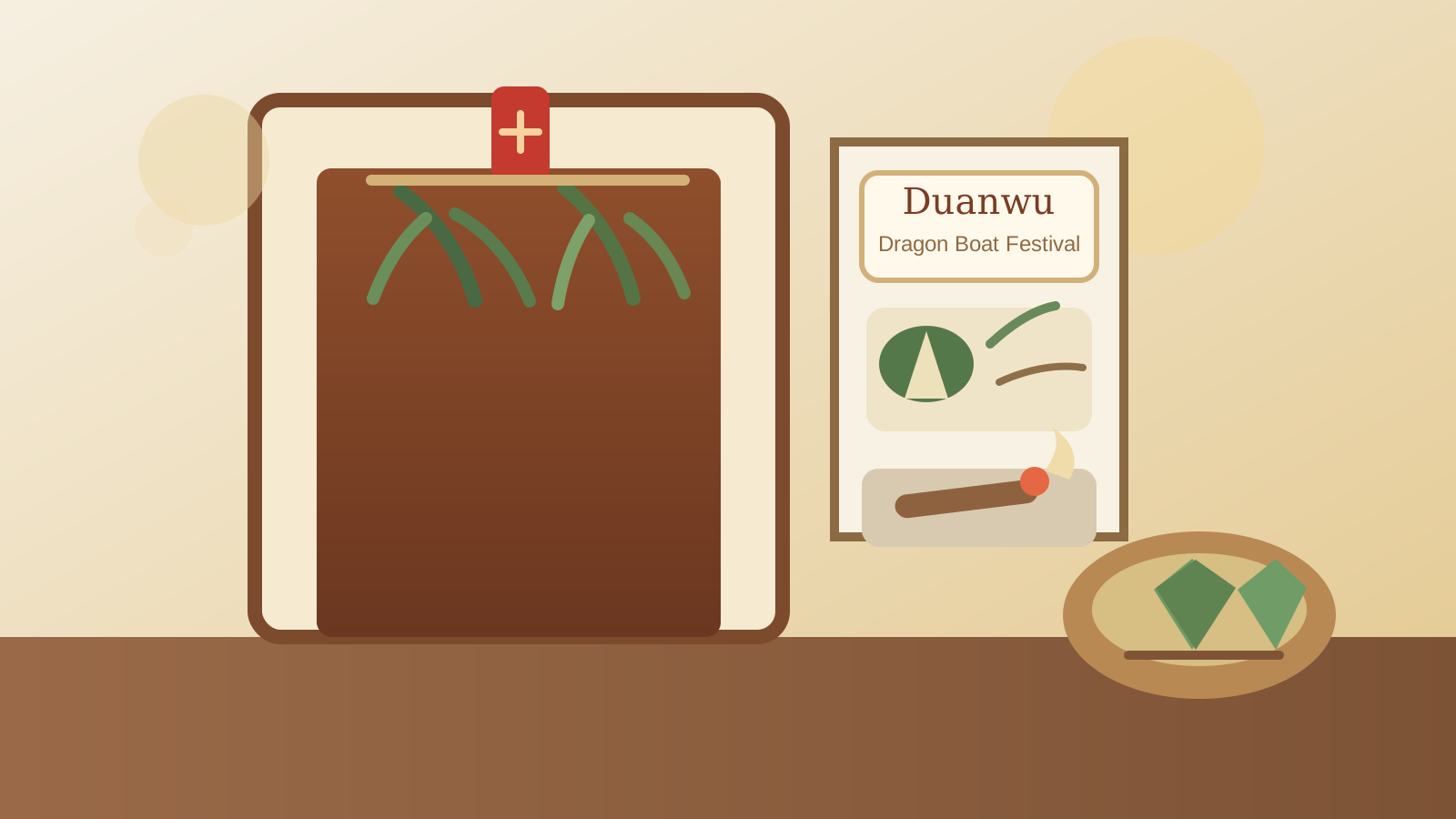
One of the clearest public settings for mugwort in Chinese culture is the Dragon Boat Festival. UNESCO’s page on the festival describes it as a major living tradition celebrated on the fifth day of the fifth lunar month. Chinese cultural-heritage pages describing Dragon Boat customs also list hanging mugwort and calamus among the familiar festival practices.
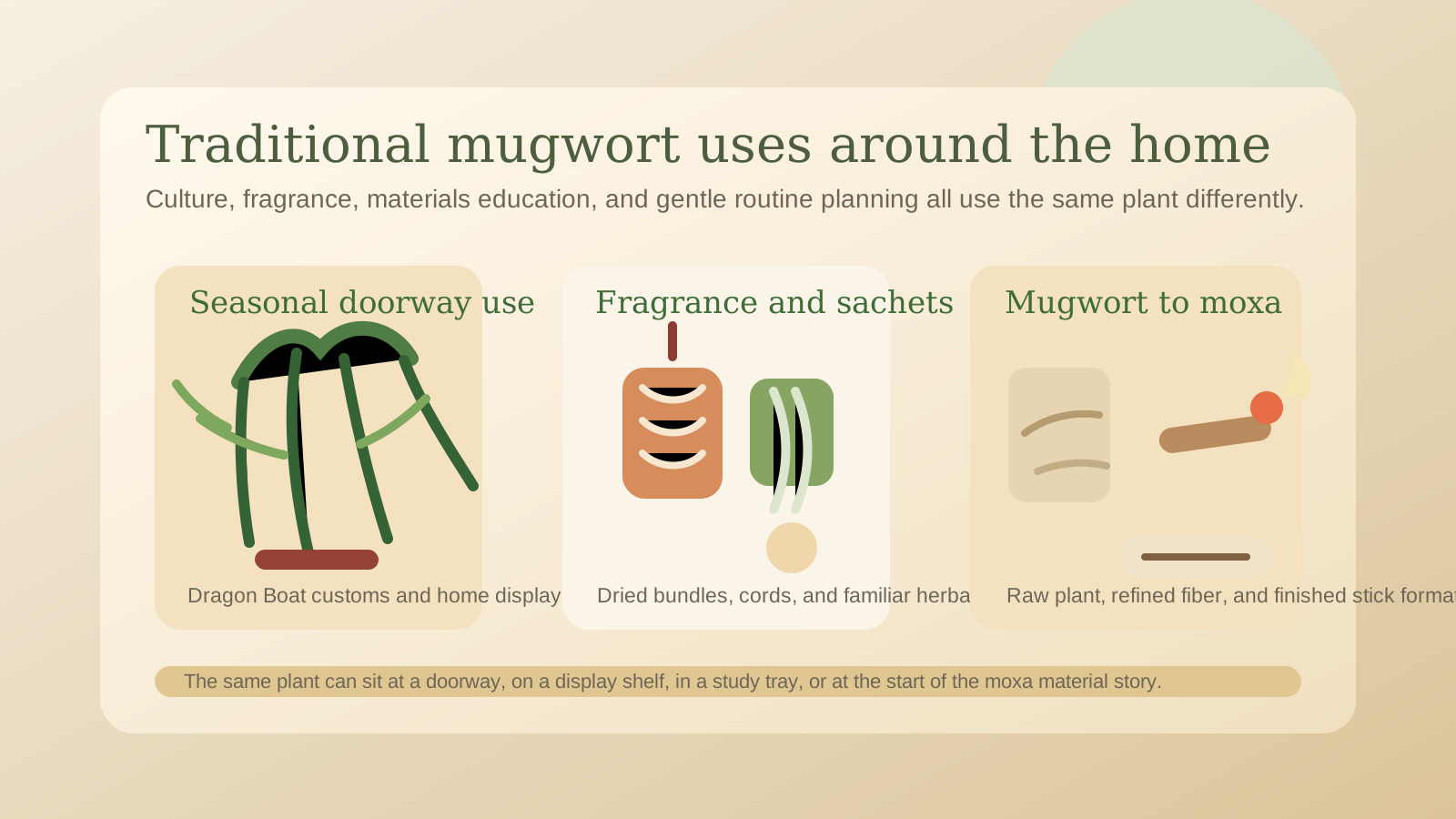
For a modern reader, this helps explain why mugwort is often shown tied in bunches, hung over doorways, or paired with fragrant items such as sachets. In cultural terms, the plant is associated with seasonal transition, household preparation, and good wishes for the summer period ahead.
That does not mean every old explanation should be repeated as literal modern science. It means mugwort became part of a visible ritual language: clean the space, mark the season, and signal protection and care for the household.
The doorway custom: symbolism, fragrance, and household atmosphere
Chinese intangible-heritage material describes a familiar saying often paraphrased as “hang willow at Qingming, hang mugwort at Duanwu.” In practical terms, that points to a seasonal custom: mugwort and calamus were placed at the entrance, shaped into decorations, or worn in fragrant forms.
What made mugwort suitable for that role? Traditional descriptions often mention three things:
- its strong recognizable aroma,
- its visible place in seasonal customs,
- its connection with a wider symbolic language of warding off what is unclean or inauspicious.
This is where a lot of English confusion starts. A custom can be meaningful, communal, and historically important without becoming a universal medical claim. A beginner article should preserve the first part while being careful with the second.
From Ai Ye to moxa
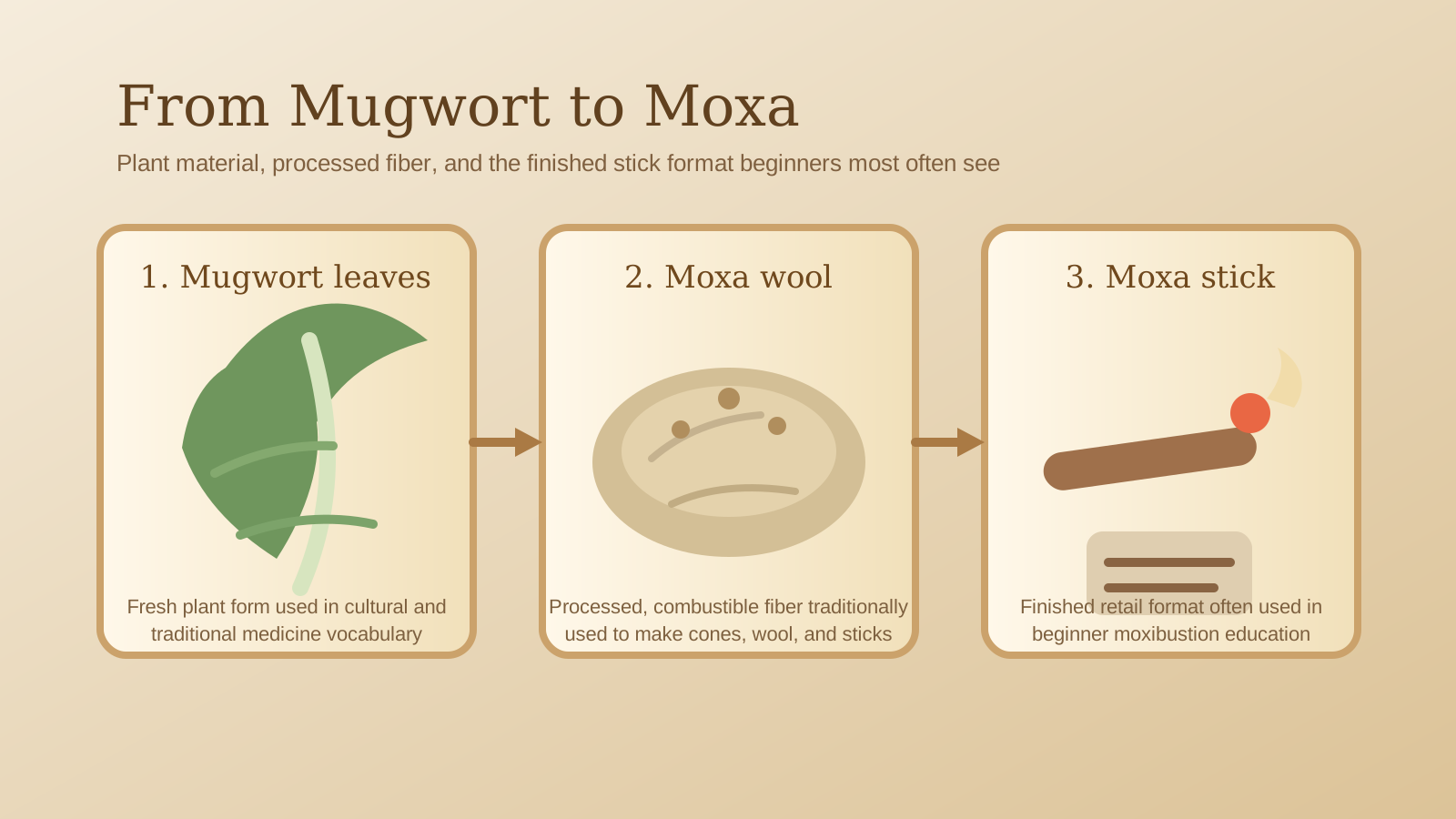
The next important step is vocabulary. In Chinese medicine and moxa-related writing, mugwort is often discussed as Ai Ye. Official TCM heritage material notes that moxa cones and moxa sticks are made from dried mugwort leaves. That point connects cultural mugwort to the later product forms English readers actually buy.
So the chain looks like this:
- mugwort is the plant,
- Ai Ye is the Chinese medicinal and cultural term many readers encounter,
- processed mugwort becomes moxa material,
- moxibustion is the warming practice that uses that material.
Once that sequence is clear, a lot of beginner confusion disappears. Someone searching “mugwort in Chinese culture” is often only one step away from asking what is moxa, what is mugwort used for in moxa, or moxa vs moxibustion.
Why mugwort appears in both culture and TCM language
Mugwort did not become important only because it could be burned in moxa form. It already had a place in the cultural environment around seasonal observance, fragrance, and household custom. That is why it travels so easily between folk practice, festival imagery, and later TCM vocabulary.
For English readers, the key is not to flatten those layers into one idea. When a Chinese source discusses mugwort in Dragon Boat customs, it is talking about lived seasonal culture. When a TCM source discusses Ai Ye in relation to moxa, it is talking about traditional material use and theory. The same plant appears in both conversations, but the purpose of the conversation changes.
This is also why modern product descriptions can sound overloaded. A single shop page may silently inherit:
- festival symbolism,
- TCM terminology,
- material processing language,
- modern wellness marketing.
Understanding the cultural root helps you read those claims more calmly.
What modern readers can take from this history
The cultural background of mugwort is still useful today, even if you never plan to practice moxibustion. It shows how one plant moved through several layers of Chinese life:
- seasonal decoration,
- household scent and ritual,
- festival identity,
- traditional medicine vocabulary,
- later moxa production and education.
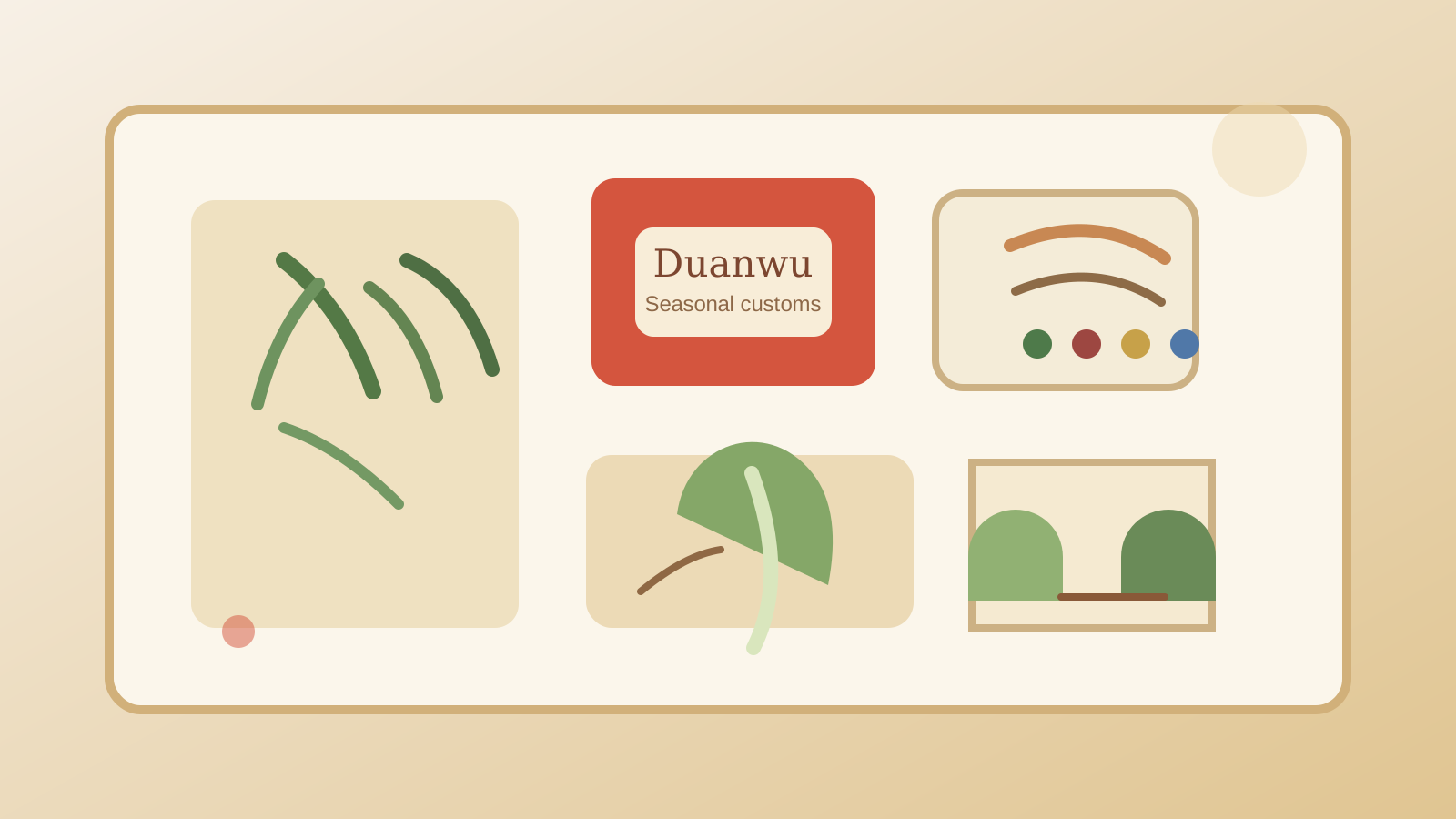
That is a richer story than “mugwort is an herb used in moxa.” It also explains why visual references around moxa often include calligraphy, doorway bundles, sachets, and festival colors instead of only treatment scenes.
If you are reading for product literacy, the best next step is to move from culture to material. Read history of moxibustion, then moxibustion in Traditional Chinese Medicine, then what is a moxa stick. That path keeps the tradition in view without overstating what a home product can do.
What this cultural history does and does not prove
Mugwort’s place in Chinese culture can support a few careful conclusions:
- it has long-standing cultural visibility,
- it is closely tied to Dragon Boat seasonal customs,
- it also connects to the material history of moxa.
But this history does not prove that any mugwort or moxa product is appropriate for every person, symptom, diagnosis, or home routine. Cultural continuity is not the same thing as medical proof.
That distinction is especially important for a beginner site. The most responsible way to present mugwort is as a cultural and material foundation for understanding moxa, not as a shortcut to disease-treatment claims.
Sources and further reading
- UNESCO: Dragon Boat festival
- China Intangible Cultural Heritage: Dragon Boat Festival project page
- China Intangible Cultural Heritage: Dragon Boat Festival customs overview
- National Administration of Traditional Chinese Medicine: acupuncture and moxibustion heritage page
Common questions
Why is mugwort associated with the Dragon Boat Festival?
Because Dragon Boat customs in many regions include hanging mugwort and calamus, carrying fragrant sachets, and other seasonal practices linked with protection, cleanliness, and good wishes.
Is mugwort in Chinese culture the same thing as moxa?
Not exactly. Mugwort is the plant material, while moxa is the processed combustible material made from it for moxibustion.
Does mugwort's long cultural history prove modern medical benefits?
No. Cultural continuity can explain meaning, symbolism, and traditional use, but it does not prove that any product diagnoses, treats, cures, or prevents disease.