Quick answer
Yes, many adults can use a mugwort foot soak before bed, but the safer beginner version is gentle: about 30 to 60 minutes before sleep, comfortably warm rather than hot, and short enough that you finish feeling settled instead of overheated.
Key takeaways
- A mugwort foot soak can fit into an evening routine when the water is comfortably warm, the timing is not rushed, and the session stays short.
- The main risks come from heat, prolonged soaking, and reduced ability to feel temperature, not from failing to follow a magic bedtime ritual.
- People with diabetes, neuropathy, broken skin, pregnancy questions, or significant circulation concerns should ask a clinician before trying a hot herbal foot soak.
If you want the plain answer first, here it is: yes, a mugwort foot soak can fit before bed for some adults, but keep it gentle. The safest beginner version is usually about 30 to 60 minutes before sleep, with comfortably warm, not hot water, and a short session of roughly 15 to 20 minutes. If it leaves you flushed, dizzy, itchy, or unable to sleep comfortably, it was not a good bedtime routine for you that day.
That answer is practical rather than mystical. A mugwort foot soak is still a heat-based routine. The main decisions are timing, temperature, skin tolerance, and whether you can dry off and settle down afterward without rushing.
Is before bed actually a good time for a mugwort foot soak?
For many beginners, yes, before bed can be reasonable, but not because there is one perfect bedtime minute. It works mainly because evening is when people can finally slow down and pay attention to a simple warmth routine.
A Haidian District Health Commission foot-soak guide published on November 28, 2025 says the common evening window is 9 p.m. to 10 p.m., while a Guangdong public-health article published on July 30, 2026 says soaking is more suitable about one hour before sleep and also advises waiting until about one hour after a meal. Treat those as scheduling guides, not as proof that every adult must soak at exactly 9 p.m.
The bigger lesson is simpler: do not start so late that you go straight from hot water into bed feeling sweaty or overstimulated.
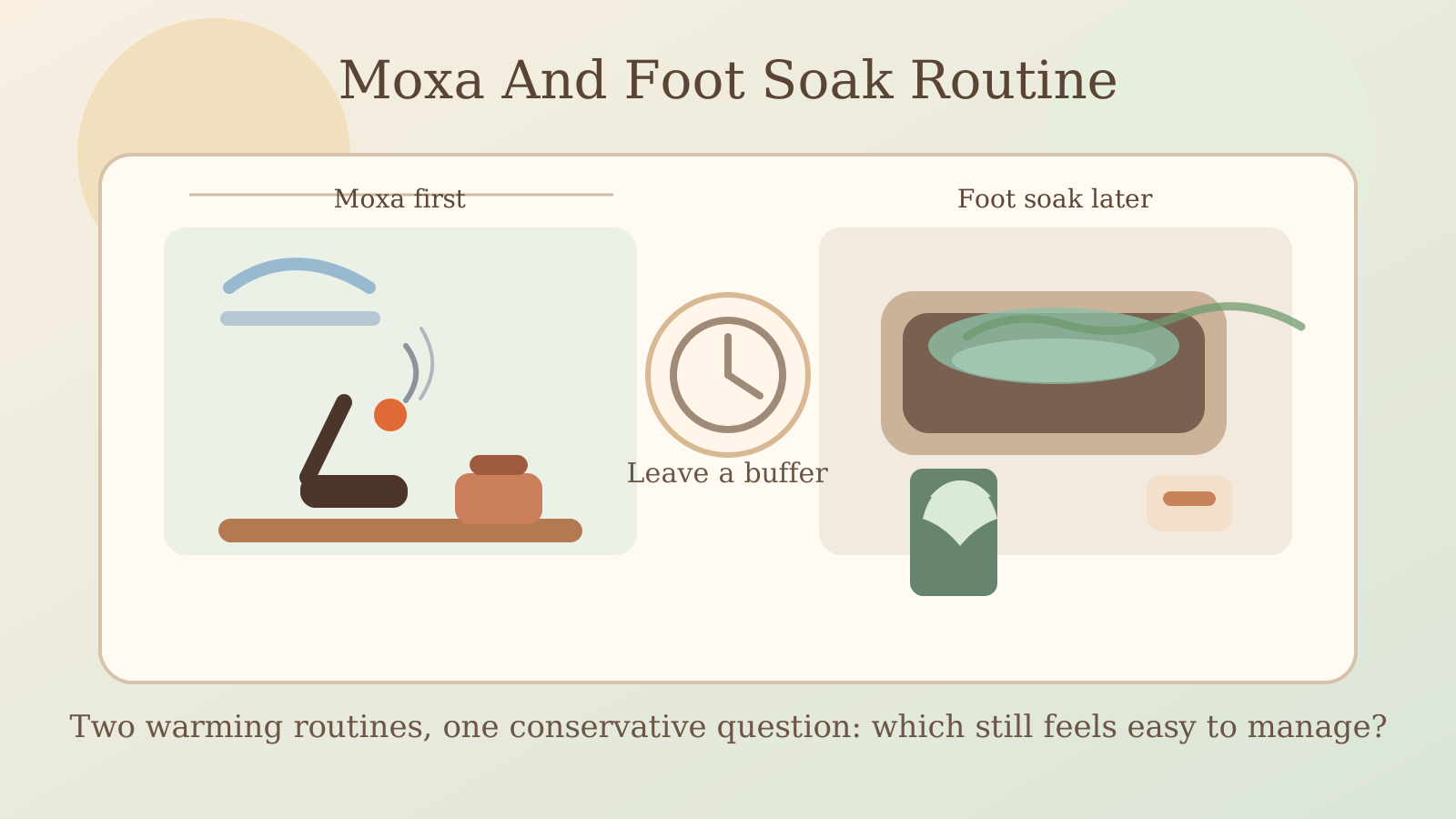
This is also where a mugwort soak differs from burning moxa. A foot soak may suit a bedtime wind-down more easily because there is no smoke, ember, or ash to clear. If you are deciding between the two, compare the gentler soak routine here with moxibustion for relaxation and best time of day for moxibustion before assuming they belong in the same slot.
How warm and how long should the soak be?
For a beginner, the safest rule is comfort first, not maximum heat. The same Haidian guide places ordinary adult foot-soak water around 38 C to 40 C, and the Guangdong article gives a broader adult range of 38 C to 43 C while using 38 C to 40 C for children, older adults, and higher-risk groups. If you do not have a thermometer, “warm but not hot” is the better target than chasing a sweat-heavy soak.
Duration matters just as much. The Guangdong article recommends about 15 to 20 minutes, and the Haidian guide says 15 to 30 minutes. For bedtime use, the shorter end usually makes more sense. A soak that leaves you lightheaded, wrinkled, or overly hot is not more effective just because it lasted longer.
Watch for practical stop signs:
- the water starts feeling irritating instead of comfortable,
- your skin turns sharply red instead of mildly warm,
- you begin sweating heavily,
- you feel dizzy, thirsty, or restless,
- the added herb makes the skin itchy.
Beginners often assume “before bed” means “as hot as possible so I fall asleep faster.” That is exactly the wrong direction.
What makes mugwort different from plain warm water?
Mugwort changes the routine by adding an herb, not by changing the core safety logic. The water can still be too hot, the soak can still last too long, and the herb itself can still bother sensitive skin.
That is why it helps to keep expectations modest. A mugwort foot soak belongs in the same family of traditional household routines described in 10 traditional mugwort uses around the home. It is not the same thing as burning moxa, and it should not be treated like a treatment shortcut for insomnia, circulation disease, or another medical problem.
Both Chinese public-health articles also put limits around herbal additives. The Haidian guide says herbal foot soaks should follow body-type judgment and advises consulting a TCM clinician before adding medicated ingredients. The Guangdong article warns that foot-bath packets are often overused and says misuse can trigger skin allergy or irritation. For an ordinary home routine, that means:
- start with a simple mugwort packet or mild prepared soak product,
- use one product at a time instead of mixing many herbs,
- stop if the skin becomes itchy or uncomfortable,
- switch to plain warm water if you are unsure whether the herb suits you.
If your real interest is the mugwort-to-moxa material story rather than foot soaks, what is mugwort used for in moxa explains that path separately. Keeping the soak path and the burning-product path separate will make your safety decisions better.
Who should skip it or ask a clinician first?
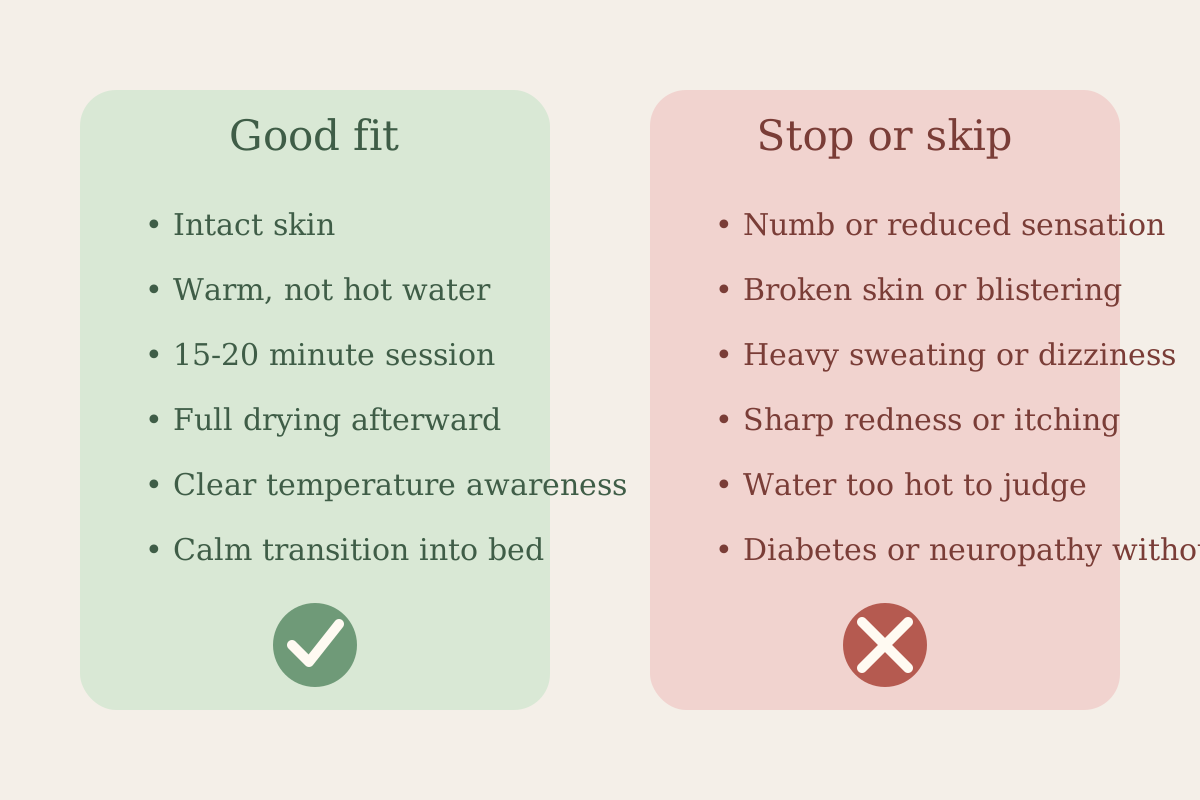
This is where a conservative article matters most. A warm foot soak can feel mild, but some people should not treat it as a casual bedtime habit.
The clearest high-caution group is people with diabetes or reduced foot sensation. CDC guidance updated on May 15, 2024 says people with diabetes should wash their feet in warm, not hot water and specifically says not to soak the feet. NIDDK guidance likewise warns that nerve damage can reduce temperature awareness and says hot water can burn the feet without the person realizing it. For this group, a hot herbal soak is not a self-experiment topic.
Other groups that should be cautious include people with:
- neuropathy or poor ability to feel temperature,
- open skin, blisters, athlete’s foot flare, or acute inflammation,
- significant varicose-vein or thrombosis concerns,
- major heart or blood-pressure concerns that worsen with heat,
- pregnancy questions, especially if using added herbs rather than plain water.
If you fall into one of those groups, individualized advice is worth more than a generic bedtime tip.
A simple before-bed routine that stays gentle
If you want a routine you can actually repeat, keep it plain:
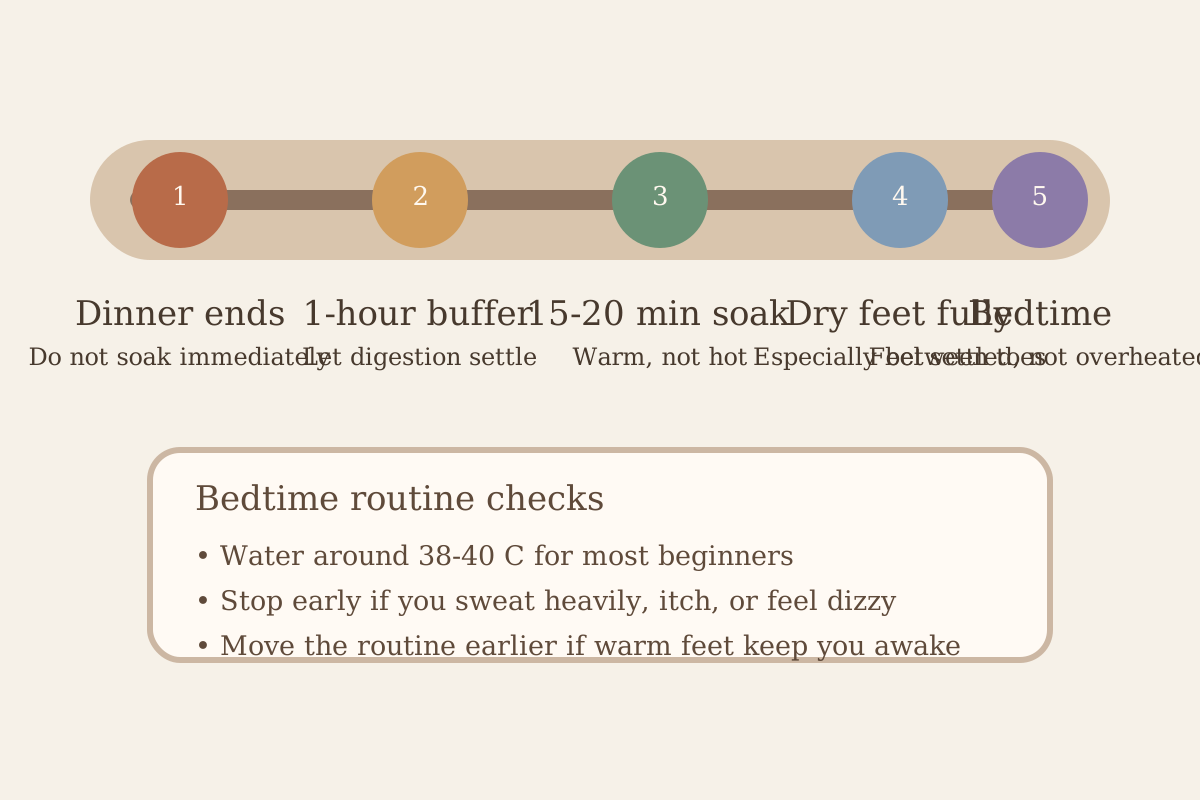
- Start after dinner has had time to settle, not immediately after eating.
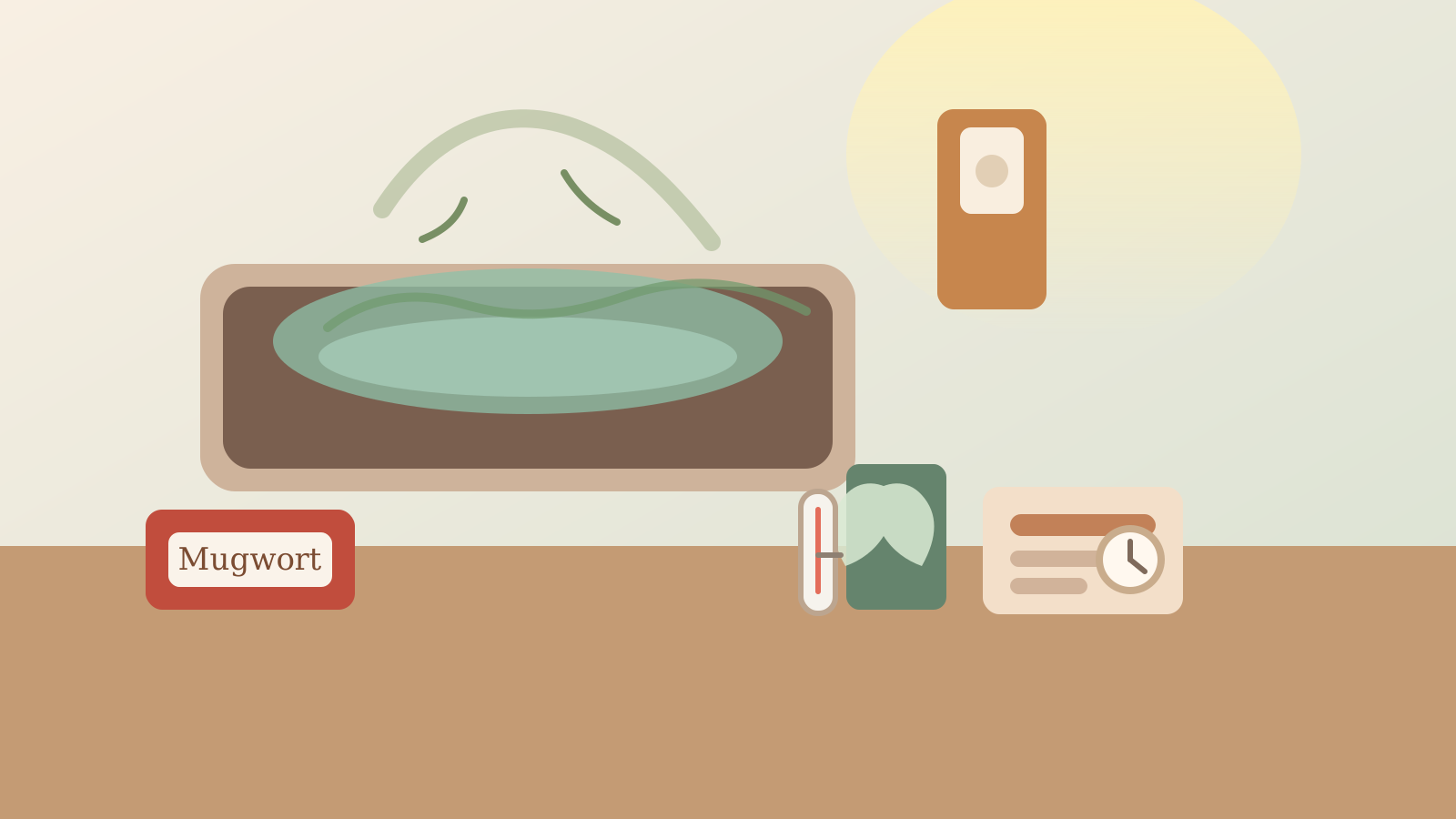
- Prepare warm water first and test the temperature before your feet go in.
- Use a short soak, roughly 15 to 20 minutes, instead of stretching the session.
- Dry the feet thoroughly, especially between the toes.
- Sit for a few minutes and notice whether you feel calm, overheated, thirsty, itchy, or restless.
- If your feet cool down quickly, put on clean light socks rather than reheating the water.
This is one reason the /categories/mugwort-foot-soak/ hub matters. The best routine is the one that stays easy to judge.
If the soak leaves you too warm to sleep comfortably, that is feedback, not failure. Move it earlier, make it shorter, lower the water temperature, or skip the herb. A calm routine should make the last part of the evening simpler, not more complicated.
When a mugwort foot soak is the wrong bedtime tool
The wrong bedtime routine is any routine that consistently creates friction. If the smell bothers you, the herb stings, the heat makes your feet throb, or you cannot tell whether the water is too hot, a mugwort soak is not the right evening ritual for you.
That is the value of answering this search intent directly instead of romantically. “Before bed” is not automatically a green light. It is just one possible time slot. Use it only when the routine stays gentle enough that you finish feeling settled, fully dry, and ready for sleep without strain.
Sources and further reading
Source tiers: A. The timing and temperature guidance above comes from official public-health or government medical sources. The routine framing is an inference from those sources and from conservative skin-safety logic, not a claim that mugwort foot soaks treat insomnia or disease.
- Haidian District Health Commission: Scientific foot-soak guide (November 28, 2025)
- Guangdong public-health article on safer foot soaking (July 30, 2026)
- CDC: Your Feet and Diabetes
- NIDDK: Diabetes and Foot Problems
Common questions
How long before bed should you do a mugwort foot soak?
A practical beginner window is about 30 to 60 minutes before sleep, so you have time to dry your feet fully, notice how your body feels, and avoid going to bed overheated.
How hot should a mugwort foot soak be?
Keep it comfortably warm, not hot. Several Chinese public-health foot-soak guides place ordinary adult soaks around 38 to 40 C, with extra caution for older adults, children, and anyone with reduced sensation.
Who should avoid a mugwort foot soak before bed?
People with diabetes, neuropathy, broken skin, major circulation issues, pregnancy questions, acute inflammation, or poor ability to judge water temperature should get individualized advice first.