Quick answer
Moxibustion can feel relaxing for some adults because warmth and slower pacing encourage a calmer routine, but it is not a proven treatment for anxiety, insomnia, or stress-related illness. A relaxation-first setup should stay short, ventilated, supervised, and easy to stop.
Key takeaways
- Moxibustion may feel calming when the warmth is gentle, the room is ventilated, and the session is not rushed.
- Relaxation is a routine-design goal, not proof that moxibustion treats anxiety, sleep problems, or emotional symptoms.
- For beginners, the safest relaxation-oriented session is usually short, simple, and finished early enough to air out the room fully.
If you want the direct answer first, here it is: moxibustion can feel relaxing for some adults, but it should be framed as a cautious wellness routine, not as a proven treatment for anxiety, insomnia, or emotional symptoms. What usually creates the calming effect is not magic. It is the combination of gentle warmth, focused attention, slower pacing, and a setup that does not feel chaotic.
That distinction matters. A routine can feel calming in ordinary life without making medical promises. If your goal is relaxation, the best moxibustion session is usually short, well ventilated, and finished with enough time to clear the room.
What “relaxation” really means in a moxa article
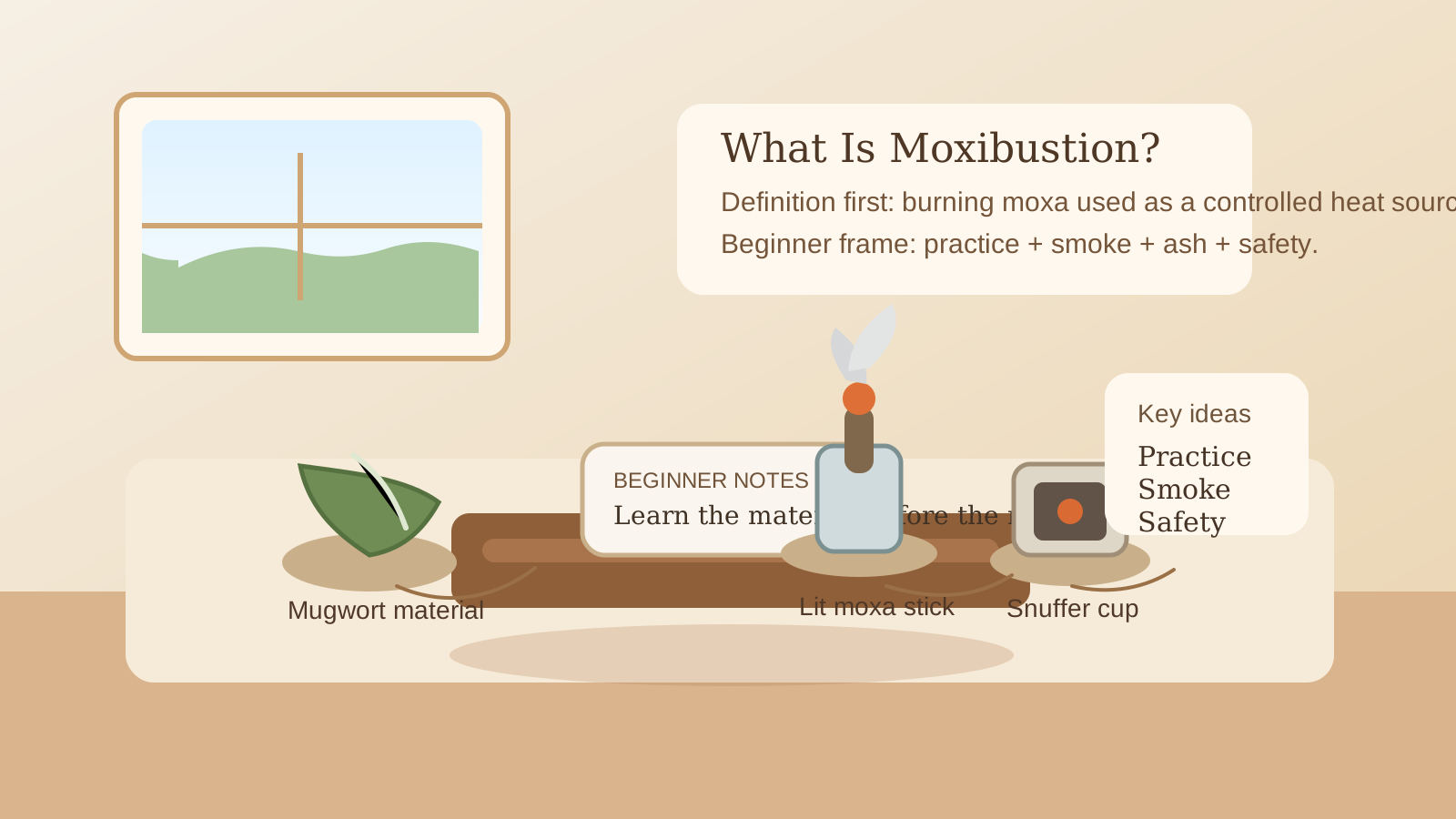
For this topic, relaxation should be understood in the plain everyday sense: a routine that feels quieter, warmer, and less hurried. That is different from using medical language about anxiety, insomnia, or other health conditions.
The National Center for Complementary and Integrative Health describes moxibustion as a Traditional Chinese Medicine practice and also notes that some complementary approaches can cause harm when used inappropriately. The goal here is educational guidance about routine design and safety, not a promise about emotional or sleep outcomes.
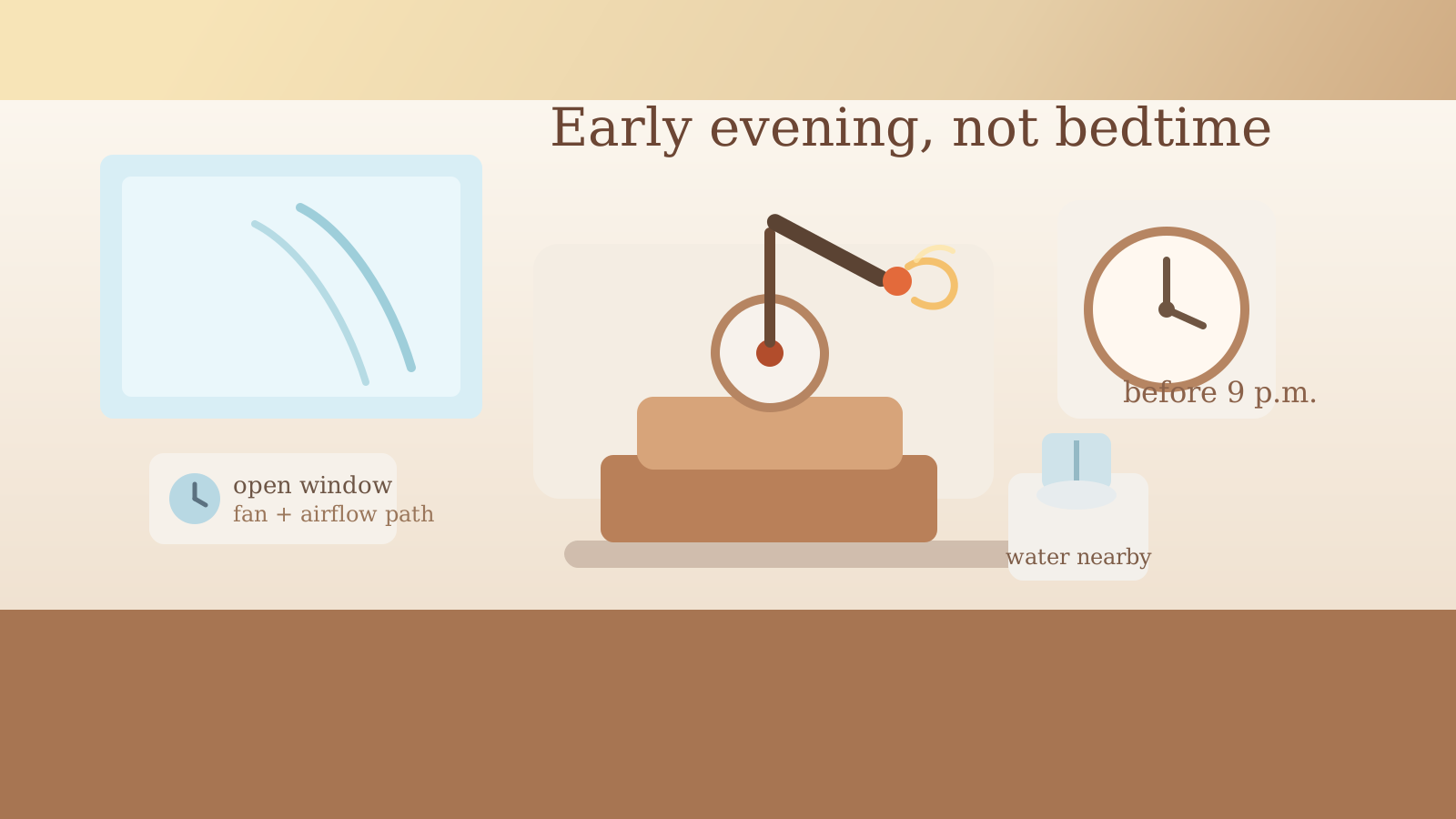
Official Chinese public-education pages also tend to emphasize timing and body tolerance rather than selling moxibustion as an all-purpose comfort shortcut. A Guangzhou Municipal Health Commission article published on May 16, 2023 says daytime, especially morning, is the better traditional window for people using moxibustion to support yang, and it cautions against night use. A Tianhe District Chinese Medicine Hospital FAQ published on November 8, 2021 similarly says evening sessions should generally finish before 9 p.m. and should not be long or excessive.
That keeps expectations grounded. If you want moxibustion to feel calming, plan around alertness, air flow, and cleanup time rather than assuming the latest possible bedtime session is automatically the most soothing one.
What usually makes moxibustion feel calmer
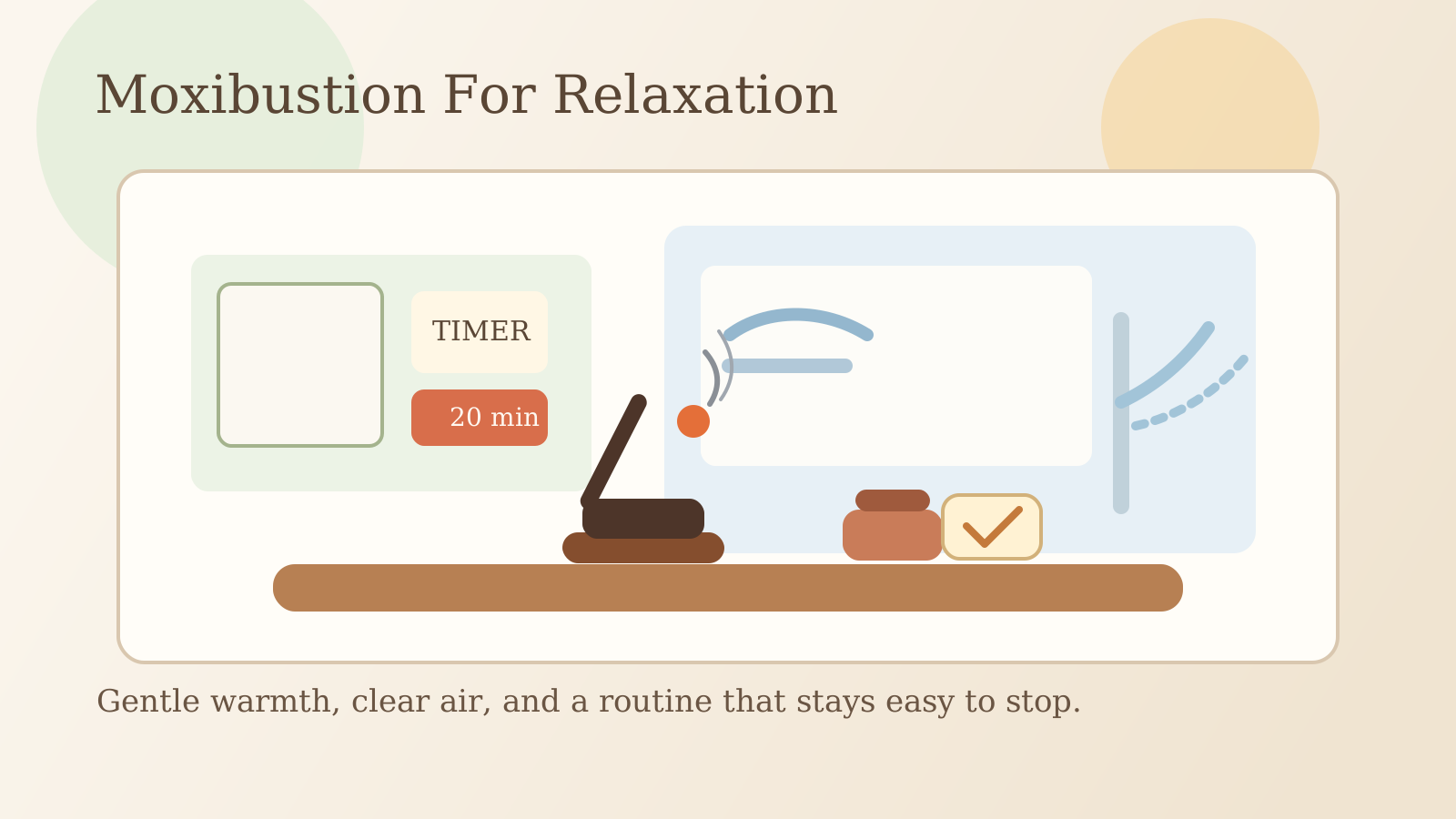
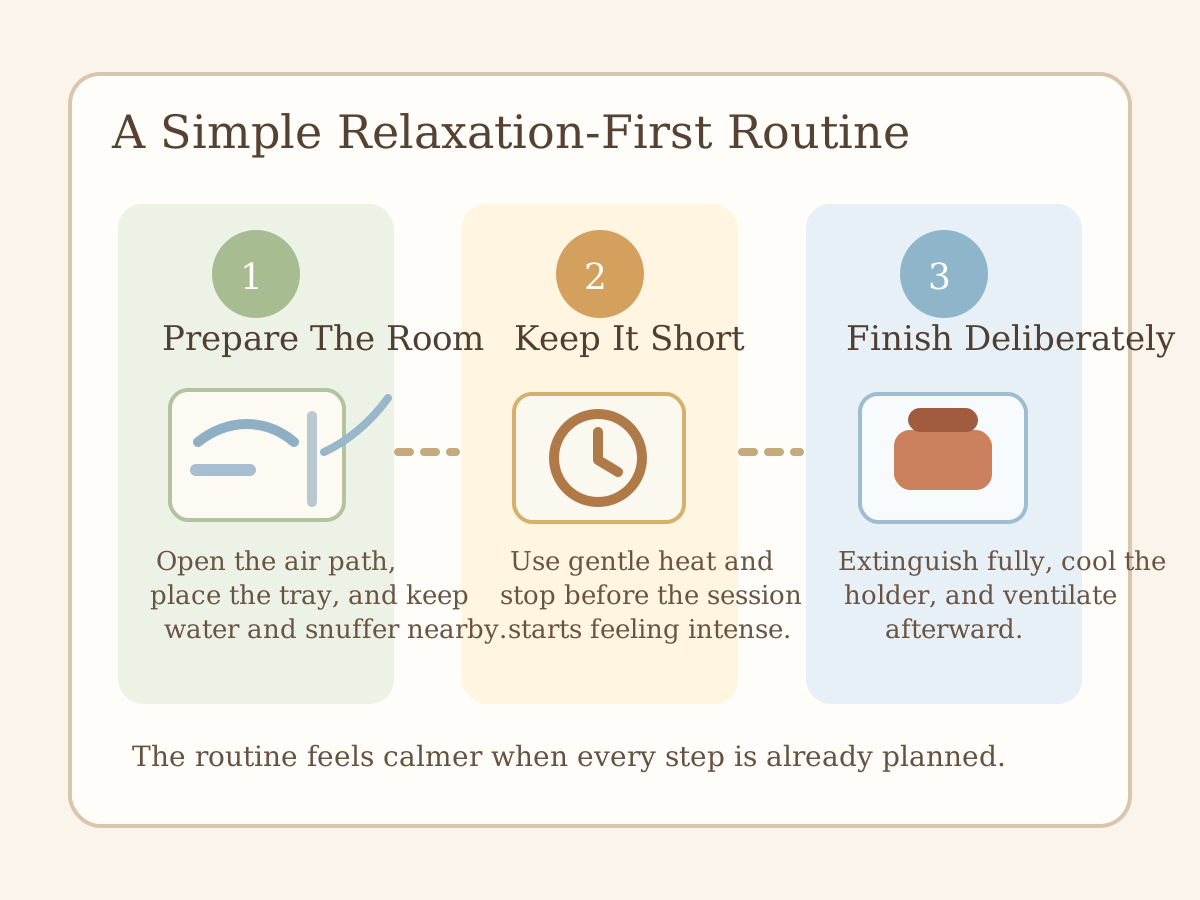
Most people who describe a moxa session as calming are reacting to the structure of the session as much as the heat itself. Mild, controlled warmth can encourage a slower pace, and the routine has a clear beginning, middle, and end: prepare the room, monitor the heat, extinguish the stick fully, and reset the space.
Third, a good session reduces competing stressors. If the holder is stable, ash is contained, and the window path is already set, you are not improvising every step. That is one reason a relaxation-focused article should still point readers back to moxibustion safety basics, moxa stick indoor ventilation tips, and how to extinguish a moxa stick safely. Feeling calmer is hard when the setup itself feels messy.
The key point is that relaxation usually comes from predictability.
Why late-night moxa is often the opposite of relaxing
Many beginners assume that “for relaxation” means “right before sleep.” Traditional public-education sources already put more caution on late-night sessions. The Guangzhou and Tianhe sources above both frame daytime more favorably and treat night use as something that needs extra restraint. Modern home-use logic points the same way. The U.S. Environmental Protection Agency explains that ventilation helps dilute pollutants from indoor sources, including particles created by combustion activities.
That is why the safest beginner answer is simple: if relaxation is the goal, aim for a session that ends early enough for the room to feel normal again before sleep. In practice, that often means late morning, afternoon, or early evening rather than bedtime itself. If you want a deeper timing breakdown, best time of day for moxibustion covers the traditional and practical reasons in more detail.
If the heat feels too strong, the smoke lingers, or you start rushing cleanup because you are tired, the whole routine stops feeling calming. A short session at a manageable hour fits the search intent better than a long ritual that leaves you overstimulated.
How to build a relaxation-first routine without overdoing it
If you want a beginner-friendly framework, think in blocks rather than promises.
1. Make the room easy to clear
Set up the air path before you light anything. Open the window you plan to use, place the fan if needed, and keep the ash tray and snuffer within reach. This is the same logic used in how to reduce moxa smoke at home and it matters even more when your goal is calm.
2. Keep the heat modest
Relaxation does not require maximum heat. In fact, gentler warmth is usually the better test. If you keep wondering whether the area is getting too hot, the routine is already pulling in the wrong direction.
3. Keep the session short
Longer does not equal calmer. For most beginners, short controlled sessions make more sense than stretching the time just because the ritual feels special. How long should you use a moxa stick is a better guide here than any vague idea that relaxing routines must be lengthy.
4. Leave margin afterward
Build in a few extra minutes to extinguish the stick fully, let the holder cool, and continue ventilating the room. That post-session margin is part of the routine, not an optional add-on.
When relaxation is the wrong goal
The word “relaxation” can hide bad assumptions, so it helps to state the boundaries clearly.
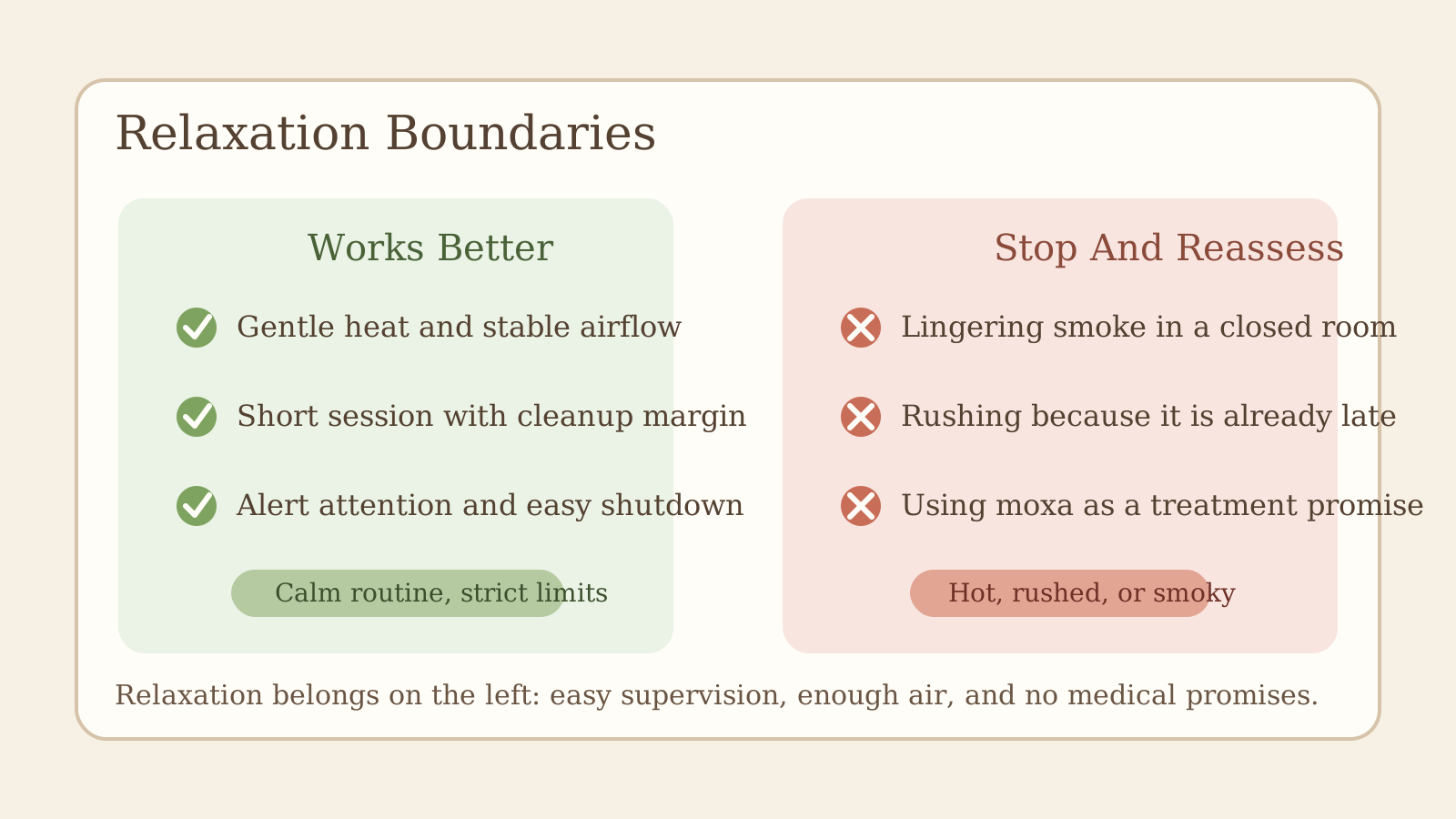
Moxibustion is the wrong relaxation tool if:
- the room cannot be ventilated properly,
- you are already too tired to supervise a lit stick carefully,
- you are trying to use it as a substitute for medical or mental-health care,
- the smell or smoke reliably makes you feel worse,
- the heat tends to make you restless, flushed, or uncomfortable.
This article is not making treatment claims. It is saying that a cautious moxa routine may feel calming for some people when the practical conditions are good. NCCIH and safety reviews indexed on PubMed support that conservative framing: moxibustion is not risk-free, and burns or smoke-related irritation remain part of the picture.
A simple answer most beginners can actually use
If you want to explore moxibustion for relaxation, treat it like a calm routine with strict boundaries, not like a cure. Choose a time when you are alert, keep the heat gentle, keep the session brief, and make sure the room can clear afterward.
And if it does not feel calming, do not force the keyword. If the routine leaves you hot, rushed, or bothered by smoke, it is not the right relaxation tool for that day.
Sources and further reading
Source tiers: A/B. The routine and relaxation framing above are practical inferences built from official timing guidance, indoor-air guidance, and broader moxibustion safety context. They are not claims that moxibustion is a proven treatment for anxiety, insomnia, or other medical conditions.
- National Center for Complementary and Integrative Health: Traditional Chinese Medicine: What You Need To Know
- U.S. Environmental Protection Agency: Improving Indoor Air Quality
- U.S. Environmental Protection Agency: Indoor Particulate Matter
- Guangzhou Municipal Health Commission: “Yang deficiency and spring-summer yang support” (May 16, 2023)
- Tianhe District Chinese Medicine Hospital: FAQ on common moxibustion questions (November 8, 2021)
- PubMed: Safety of moxibustion: a systematic review of case reports
Common questions
Can moxibustion help you relax?
For some people, yes, in the everyday sense that warmth and a slower routine can feel calming. But that is not the same as proving moxibustion treats anxiety, insomnia, or another health condition.
Is moxibustion before bed a good idea?
Usually not as a default beginner habit. Official Chinese public-education sources often place more caution on late-night moxibustion than on daytime or early-evening use, and practical home safety adds the need for ventilation and cleanup time.
What matters most if relaxation is the goal?
Gentle heat, strong ventilation, a stable setup, short session length, and enough time afterward to extinguish the stick and clear the room matter more than chasing a perfect acupoint or long session.