Quick answer
In Chinese tradition, moxibustion seasonal wellness usually means aligning warming routines with climate, calendar, and body comfort rather than chasing one magic season. For beginners, the useful takeaway is cultural context and cautious scheduling, not a self-treatment promise.
Key takeaways
- Seasonal wellness language around moxibustion is mainly about climate, calendar rhythm, and traditional routine design, not a universal claim that everyone should do moxa the same way.
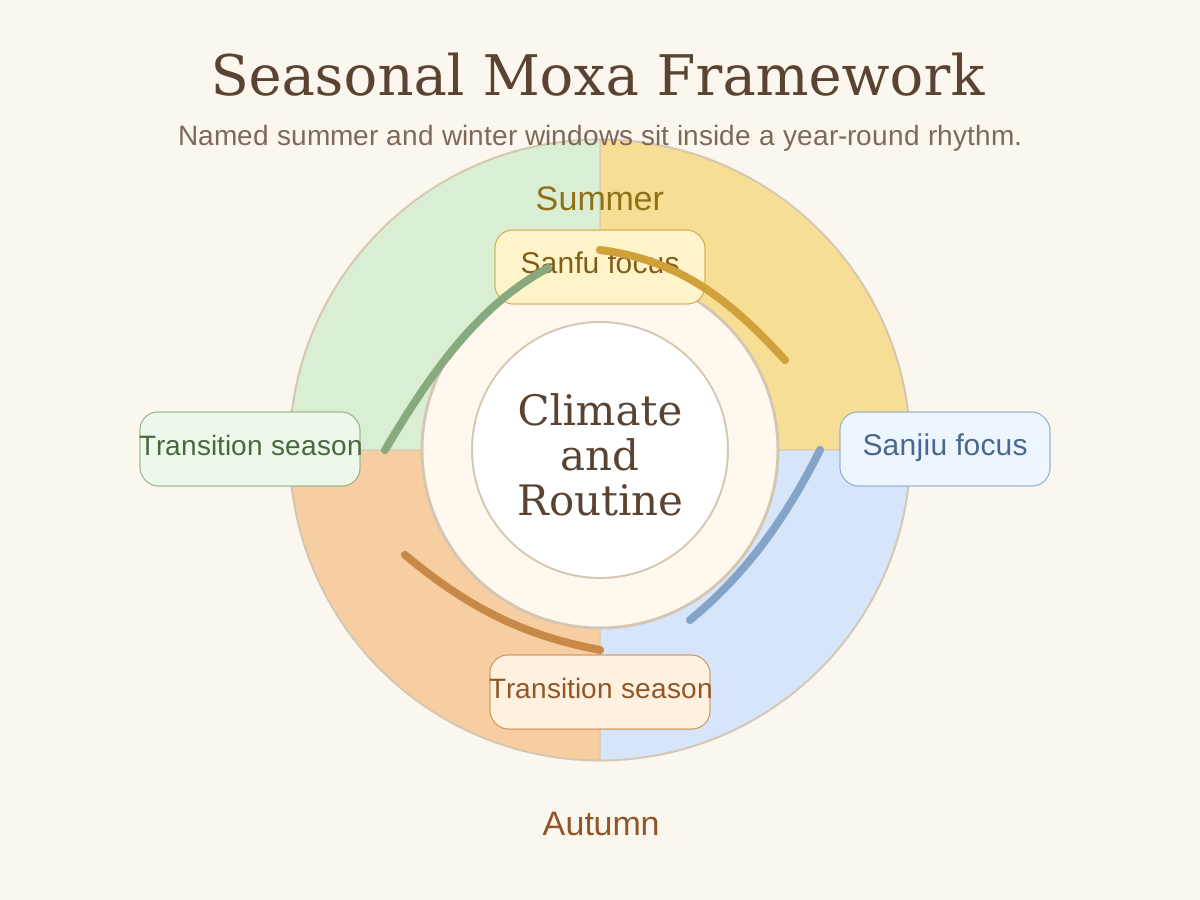
- Summer Sanfu and winter Sanjiu are only two parts of a larger seasonal framework that also includes spring and autumn transitions.
- Beginners should use seasonal ideas to understand timing and context, then make separate decisions about smoke, supervision, and whether home moxa is appropriate at all.
If you want the short answer first, moxibustion seasonal wellness in Chinese tradition means fitting warming routines to season, climate, and daily life rather than treating moxa as an all-season shortcut with identical rules all year. The seasonal language is mainly about timing and context. For beginners, that matters because it explains why Chinese sources keep mentioning summer, winter, and yearly rhythm without turning those references into a promise that moxa is right for everyone.
That distinction is the heart of the topic. Seasonal wellness can help you understand when moxibustion is traditionally discussed and why certain calendar windows get special attention. It should not be read as proof that a season by itself makes home moxa safe, necessary, or medically effective.
What seasonal wellness means in plain English
In Chinese public-education writing, seasonal wellness usually means that routines should make sense within the larger environment. Climate, daylight, daily activity, and the body’s response to heat or cold are treated as part of the conversation rather than background noise. When moxibustion appears in that framework, it is usually presented as a warming method that should be discussed in relation to the season, not in isolation from it.
That is why official TCM sources often use phrases such as “spring-summer nourish yang” and “autumn-winter nourish yin.” Those phrases are broader than moxa. They describe a way of thinking about annual rhythm. Moxibustion then appears inside that rhythm as one traditional tool among others, not as the whole theory by itself.
For English-speaking readers, this is a useful correction. Many product pages flatten moxa into a single-purpose object: light the stick, follow a chart, get a result. Seasonal wellness writing is less mechanical. It frames moxa as part of a larger yearly pattern that includes weather, comfort, routine, and restraint.
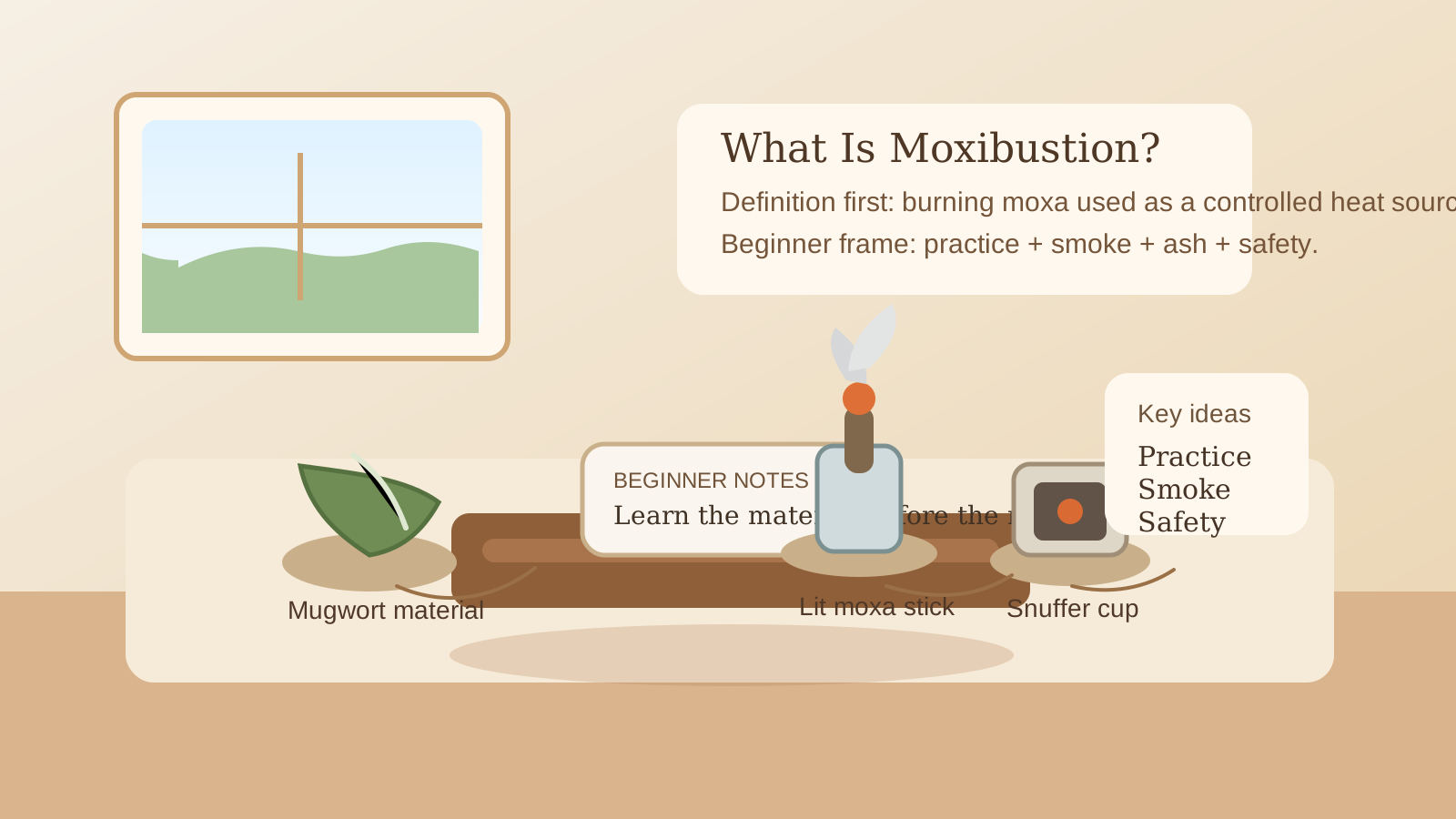
If you want the basic practice background first, start with what is moxibustion, moxibustion in Traditional Chinese Medicine, and moxa vs moxibustion. Those pages separate the material, the practice, and the vocabulary before the seasonal layer is added.
Why summer and winter get most of the attention
Seasonal wellness is broader than a summer article and broader than a winter article, but those two seasons dominate search results for a reason. They contain the most visible named traditions.
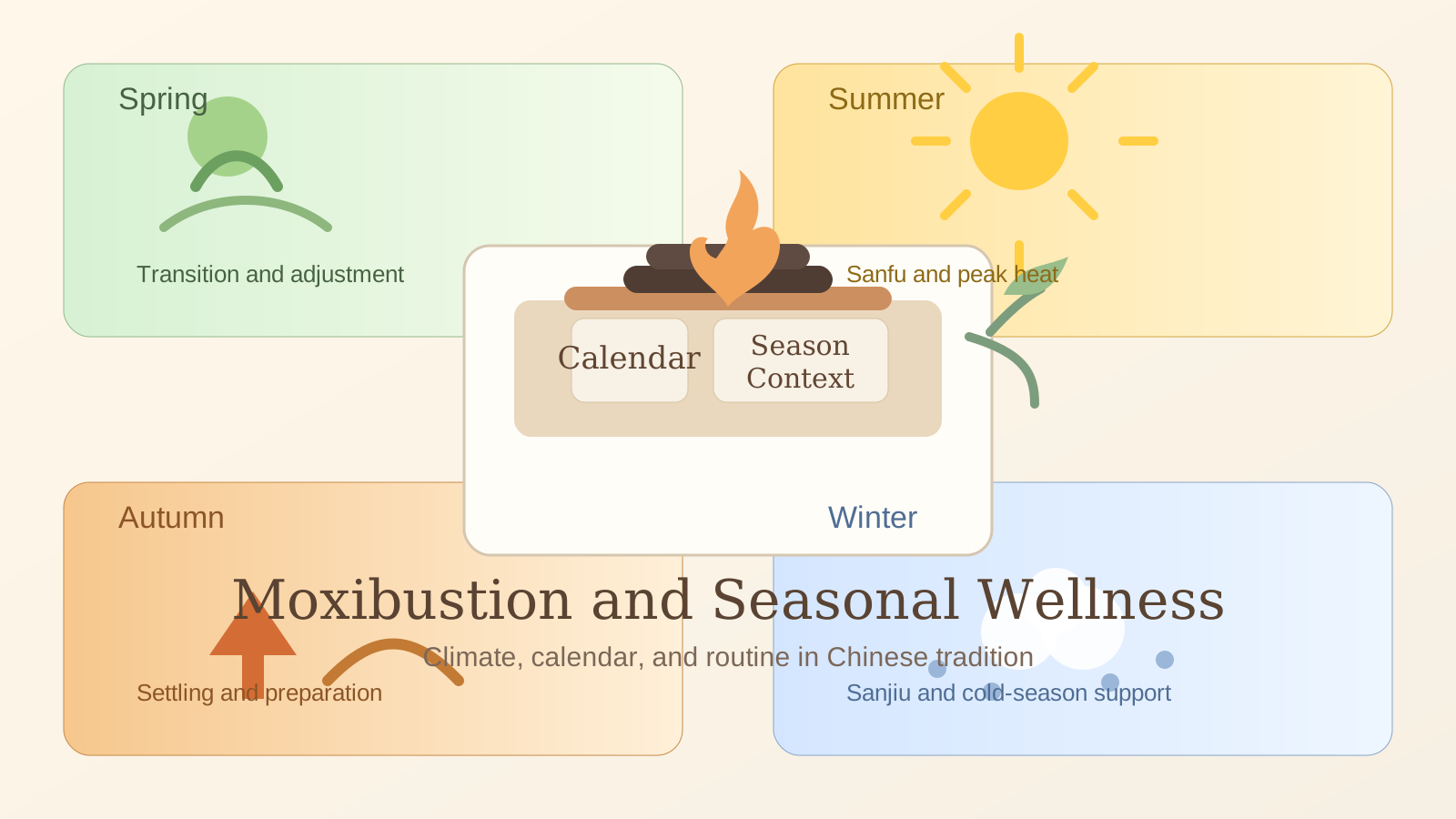
Summer discussions often center on Sanfu, the hottest period of the year in the traditional calendar. Official explainers commonly describe Sanfu moxa as meaningful because external heat is strongest during that window. Winter discussions often center on Sanjiu, the coldest counted stretch after the winter solstice. Those pages describe a different seasonal logic: not peak heat, but support during the year’s coldest period.
That pairing explains why readers often feel confused. One article says summer matters. Another says winter matters too. The point is not that the sources contradict each other. The point is that each season is being used to express a different aspect of seasonal thinking.
The narrower comparison lives in summer vs winter moxibustion. This article is wider. It asks what those named traditions are doing inside the full annual picture. The answer is that they act like anchor points. Summer and winter receive the strongest labels, while spring and autumn help frame transition, pacing, and preparation.
The missing piece: spring and autumn transitions
Weak articles often stop after Sanfu and Sanjiu, but that leaves out half the seasonal logic. Traditional seasonal wellness is not just about the hottest and coldest points on the calendar. It also cares about transition seasons.
Spring is usually treated as a period of upward movement, changing weather, and routine adjustment. Autumn is often treated as a period of settling, drying, and preparation for colder conditions ahead. Even when a public-education page is not telling readers to perform moxa in a specific spring or autumn pattern, those seasons still shape the background logic: routines should change with the environment instead of staying rigid year-round.
That broader view is useful for beginners because it prevents an overly literal reading of seasonal advice. If a source highlights summer or winter, it is not saying the other seasons are meaningless. It is saying that certain calendar moments are easier to teach and easier to label. The deeper message is adaptability.
How seasonal ideas change beginner expectations
The safest beginner use of seasonal wellness language is not to chase a perfect month. It is to ask better questions.
Instead of asking, “What is the best season for moxa?” ask:
- Why does this source mention the season at all?
- Is it explaining cultural tradition, public education, or a clinical setting?
- Is the page describing a calendar idea, or is it quietly making a treatment promise?
- Does my real-life setup match the calm, supervised routine that moxa still requires?
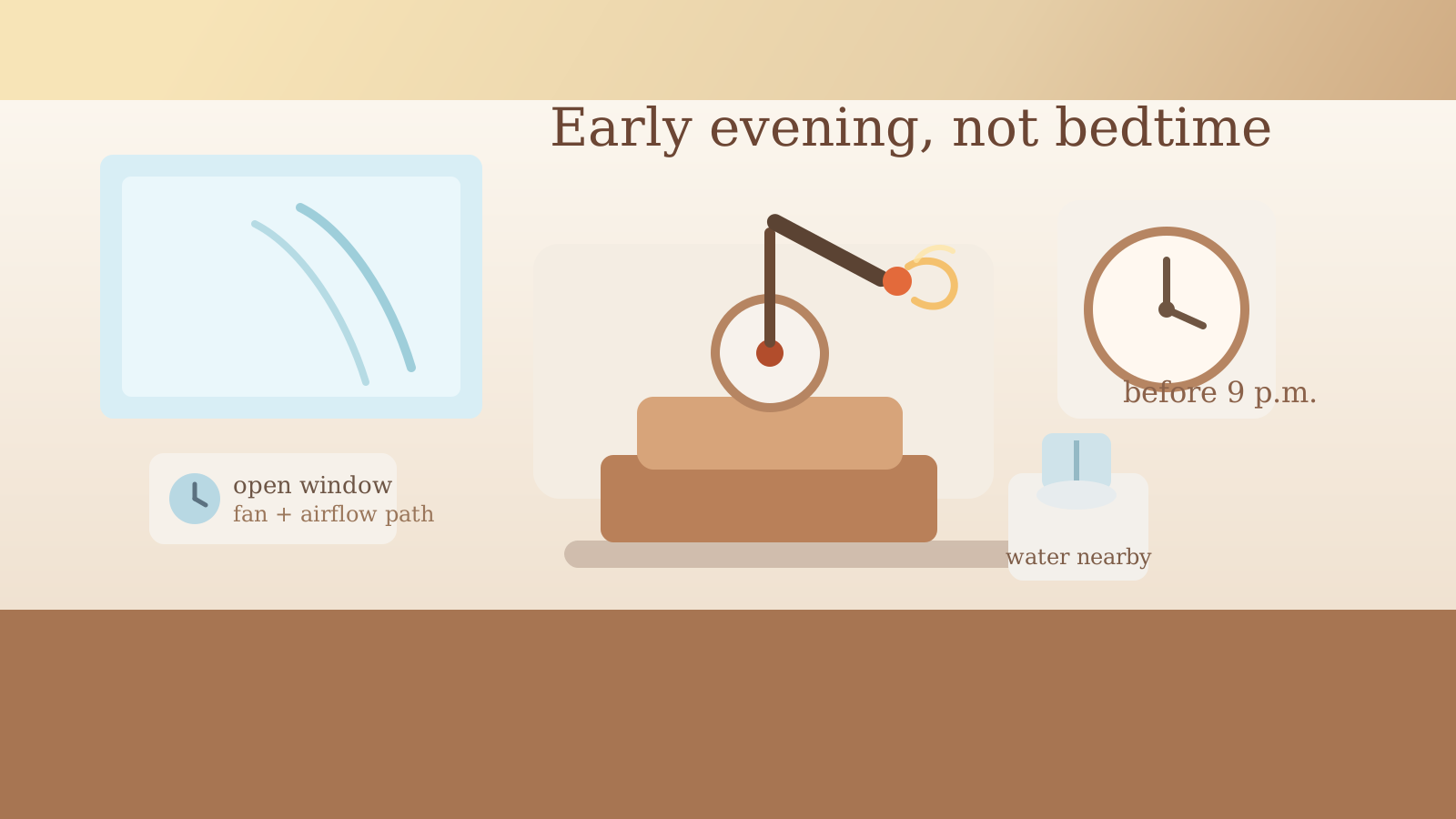
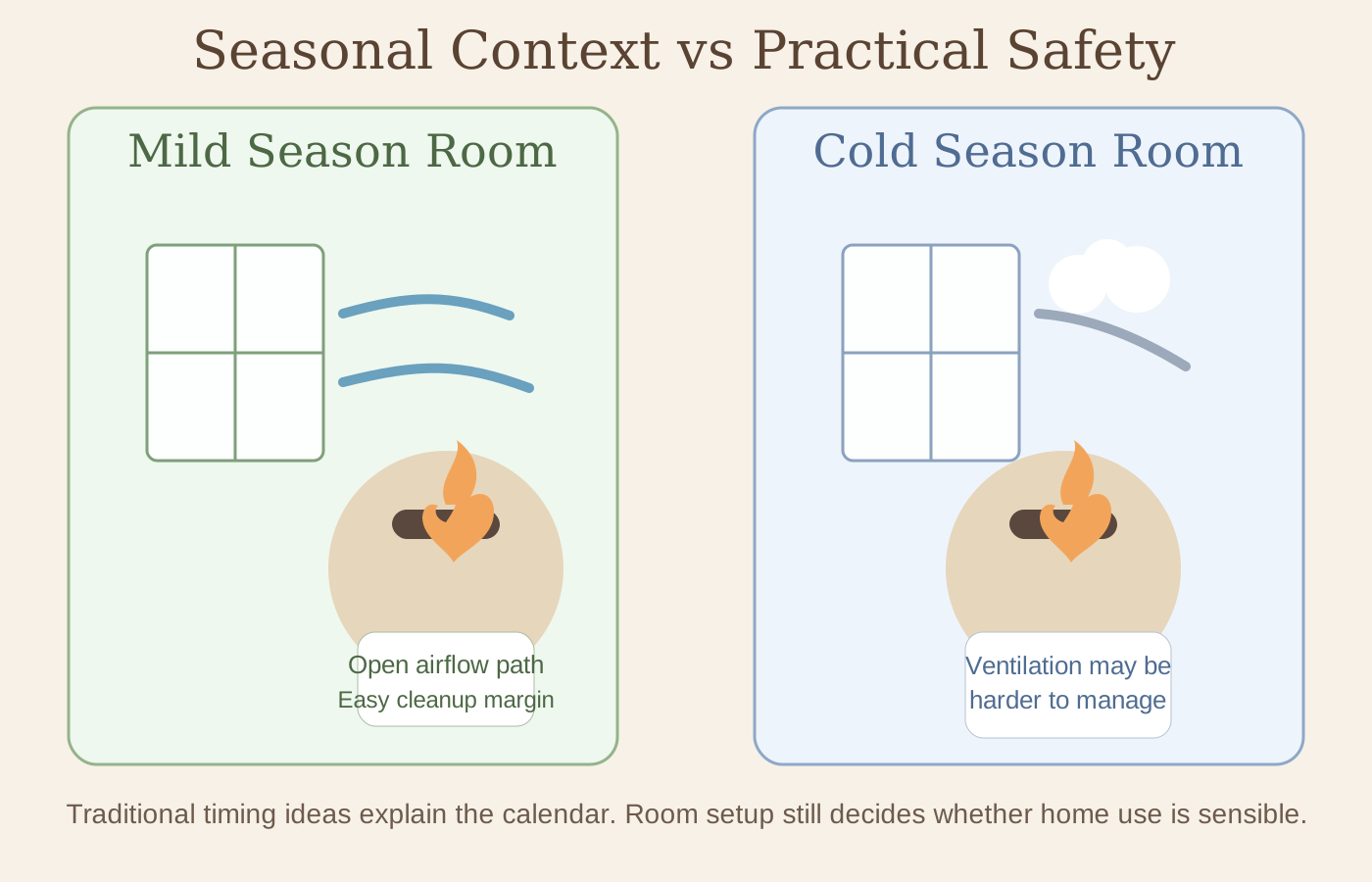
That last question matters because seasonal tradition does not erase practical home-use limits. The U.S. Environmental Protection Agency notes that indoor pollution from indoor sources becomes more difficult when ventilation is limited. In plain terms, the season can change the room experience too. A winter session in a tightly closed apartment may be harder to air out than a mild-weather session with better airflow. A hot summer room may make heat tolerance feel different even if a traditional source describes summer as symbolically important.
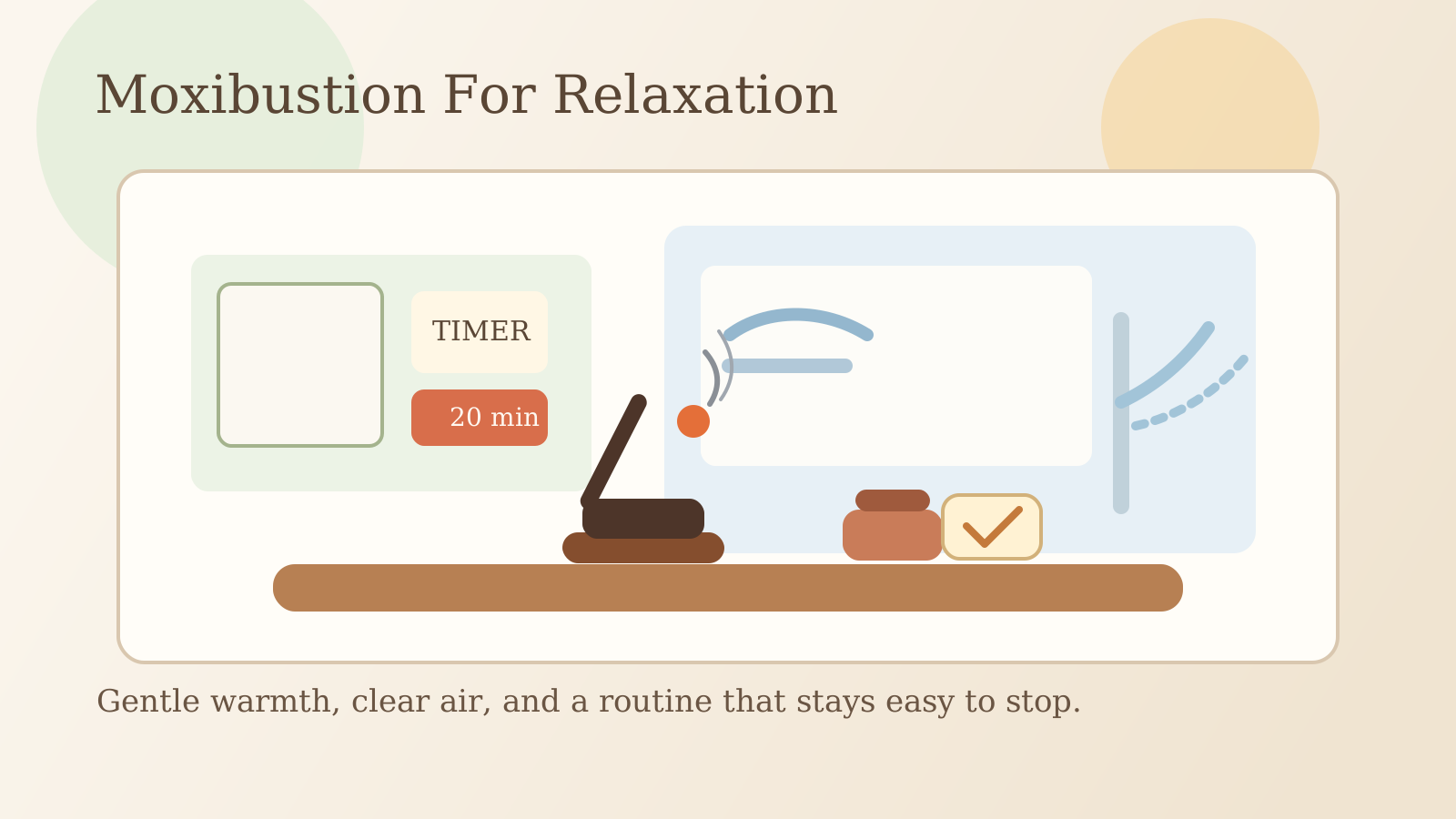
This is where seasonal wellness becomes valuable instead of decorative. It reminds you that moxa does not happen in a vacuum. Climate and routine affect the experience. So do smoke, supervision, and fatigue. If you want the timing side in more detail, best time of day for moxibustion and moxibustion for relaxation explain why the safest schedule is usually the one that leaves enough room for attention and cleanup.
What seasonal wellness does not prove
This topic needs a clear boundary because “seasonal wellness” can sound more medically certain than it is.
Seasonal wellness writing can support several careful conclusions:
- moxibustion has a real place in traditional annual-rhythm thinking,
- named windows such as Sanfu and Sanjiu help explain why certain seasons get repeated in moxa content,
- seasonal context influences how public-education pages talk about routine timing.
But seasonal wellness does not prove that home moxa is suitable for a symptom, that a specific season guarantees better results, or that cultural tradition answers modern safety questions on its own. That is why this site keeps seasonal context separate from symptom articles and from high-risk medical topics. If you need the broader boundary page, use moxibustion safety basics and the site’s medical disclaimer.
The most responsible beginner takeaway is simple: use seasonal tradition to understand the language around moxa, then use modern safety logic to decide whether a real session belongs in your life at all.
A useful way to read seasonal moxa content
If you are reading moxibustion content through a seasonal lens, use this order:
- learn the cultural timing idea,
- identify whether the article is talking about season, climate, or a named calendar window,
- separate tradition from personal self-treatment claims,
- check whether your setup, ventilation, and comfort level make home use reasonable,
- stop if the article tries to turn seasonal tradition into certainty.
That reading method is more practical than hunting for one ideal season. It also makes the topic more interesting. Seasonal wellness is not random decoration around moxa. It is a framework that helps explain why calendar, climate, and routine matter so much in traditional Chinese writing.
So if you searched for “moxibustion seasonal wellness,” the best answer is this: it is a year-round tradition of context, not a command to do the same thing in every season or a promise that the season itself will solve the hard parts.
Sources and further reading
Source tiers: A/B. The traditional seasonal framing below comes from approved Chinese government and public-health education pages. The home-use ventilation point is a practical safety inference supported by U.S. indoor-air guidance, not a claim that season predicts medical outcomes.
- National Administration of Traditional Chinese Medicine: spring-summer nourish yang, autumn-winter nourish yin briefing (April 17, 2025)
- Beijing Administration of Traditional Chinese Medicine: Sanfu moxa explainer
- Beijing Administration of Traditional Chinese Medicine: Sanjiu moxa explainer
- Guangzhou Municipal Health Commission: public education on moxibustion timing (May 16, 2023)
- U.S. Environmental Protection Agency: Improving Indoor Air Quality
- National Center for Complementary and Integrative Health: Traditional Chinese Medicine: What You Need To Know
Common questions
What does seasonal wellness mean in a moxibustion article?
It usually means explaining how traditional Chinese sources connect moxibustion with climate, season, and annual routine timing. It does not mean a season guarantees a medical result.
Is moxibustion only for summer or winter?
No. Summer and winter get the most attention because Sanfu and Sanjiu are well-known seasonal traditions, but broader seasonal wellness writing also talks about transitions, routine pacing, and climate awareness across the year.
How should a beginner use seasonal moxa advice?
Use it as context. Learn why a source mentions the season, then separately check ventilation, heat tolerance, setup, and whether you should ask a qualified clinician before using moxa at home.