Quick answer
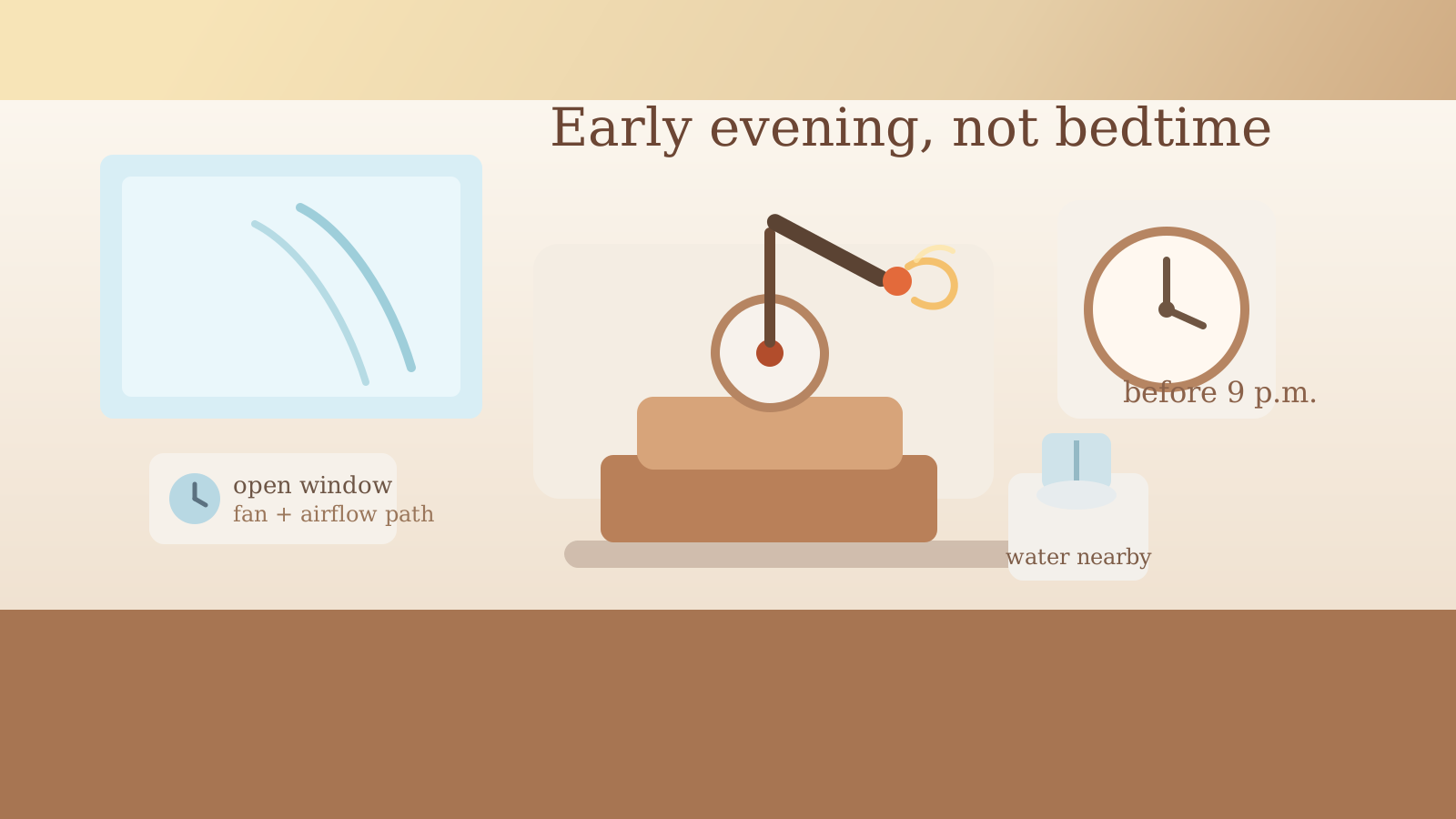
There is no single magic hour for moxibustion. For most beginners, daytime or early evening is the safest practical window because you are more alert, your room is easier to ventilate, and several official TCM public-education sources place more caution on late-night use than on daytime use.
Key takeaways
- For beginners, the best time for moxibustion is usually when you can supervise the heat calmly, ventilate the room well, and avoid rushing out or going straight to bed.
- Official Chinese public-education sources often describe daytime, especially morning to early afternoon, as the stronger traditional timing window, while late-night use gets more caution.
- If evening is your only option, shorter sessions finished well before bedtime are usually more sensible than treating midnight as a normal moxa hour.
If you want the plain answer first, here it is: there is no universal best hour for moxibustion, but for most beginners, daytime or early evening is the safest practical window. You are more likely to be alert, able to manage smoke and heat properly, and less likely to finish a session and go straight to bed with the room still warm or smoky.
That answer is partly traditional and partly practical. Official Chinese public-education pages often describe daytime, especially morning through early afternoon, as a stronger timing window. Modern home-use safety adds another layer: moxa is still a burning material, so the best time is also the time when you can supervise it properly.
There is no single magic hour
People often search for a perfect answer such as “7 a.m.” or “8 p.m.” because it sounds reassuring. In reality, moxibustion timing depends on two different frameworks that should not be confused.
The first framework is traditional timing language. Some official TCM public-education pages describe the day through the rising and falling of yang, which is one reason daytime is often presented more favorably than late-night use. A Guangzhou Municipal Health Commission page published on May 16, 2023 says people who want to support yang may choose daytime, especially the morning, and it cautions against night use. A Tianhe District Chinese medicine hospital FAQ published on November 8, 2021 goes further and says the best daily window is roughly 9 a.m. to 1 p.m., while evening use should generally finish before 9 p.m.
The second framework is plain home safety. This is not a classical theory claim. It is a practical inference from the fact that moxa creates heat, smoke, odor, ash, and aftercare work. The room needs time to clear. Your attention needs to stay steady. Your skin response needs monitoring. That is why a manageable schedule usually matters more than chasing a mystical “best” minute.
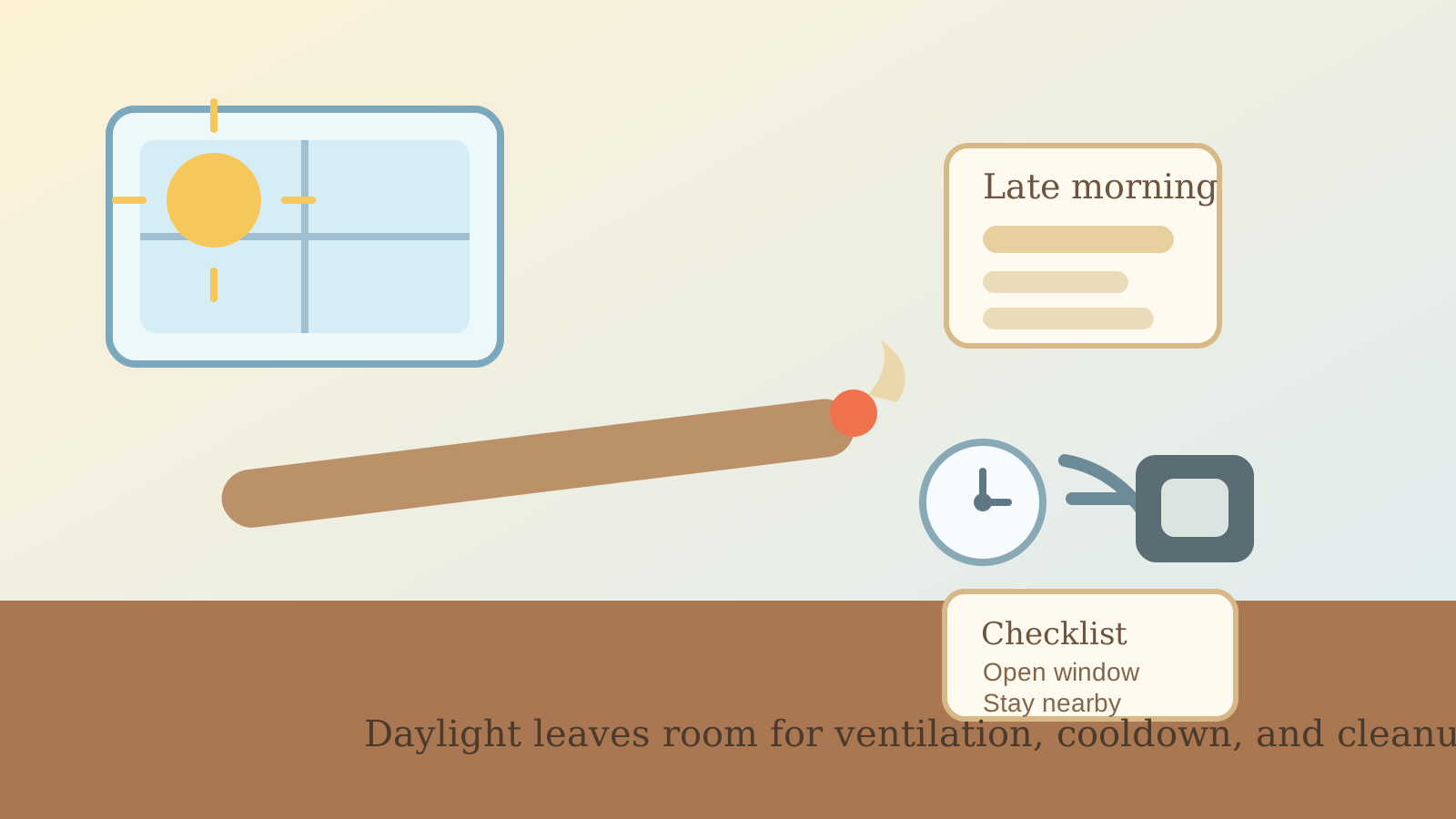
Why daytime is usually the easiest beginner window
For a beginner, daytime has three practical advantages.
First, it is often easier to ventilate the room. EPA indoor-air guidance notes that ventilation helps remove or dilute indoor airborne pollutants from indoor sources. If you finish a short daytime session, you usually have more time to keep windows open, clear residual odor, and make sure the room feels normal again. That is harder to do if you light moxa right before sleep in a bedroom that will soon be closed for the night.
Second, daytime sessions are easier to supervise. NCCIH notes that moxibustion has been linked to burns and other adverse effects. That does not mean a cautious home session will automatically go wrong. It does mean you should choose a time when you are not half-asleep, multitasking, or trying to squeeze the session into the last ten minutes before bed.
Third, daytime gives you more margin for aftercare. You may want a little time afterward to cool the holder, seal the ash, drink some water, and see how the room and your skin feel. That fits naturally with the broader home-use guidance in moxibustion safety basics, moxa stick indoor ventilation tips, and moxa stick aftercare.
When early evening can still be reasonable
Not everyone has a free late morning. Many people work standard daytime hours, live with family members, or only have privacy in the evening. That does not automatically mean evening moxa is wrong.
The better question is whether your evening routine still leaves enough space for a controlled session.
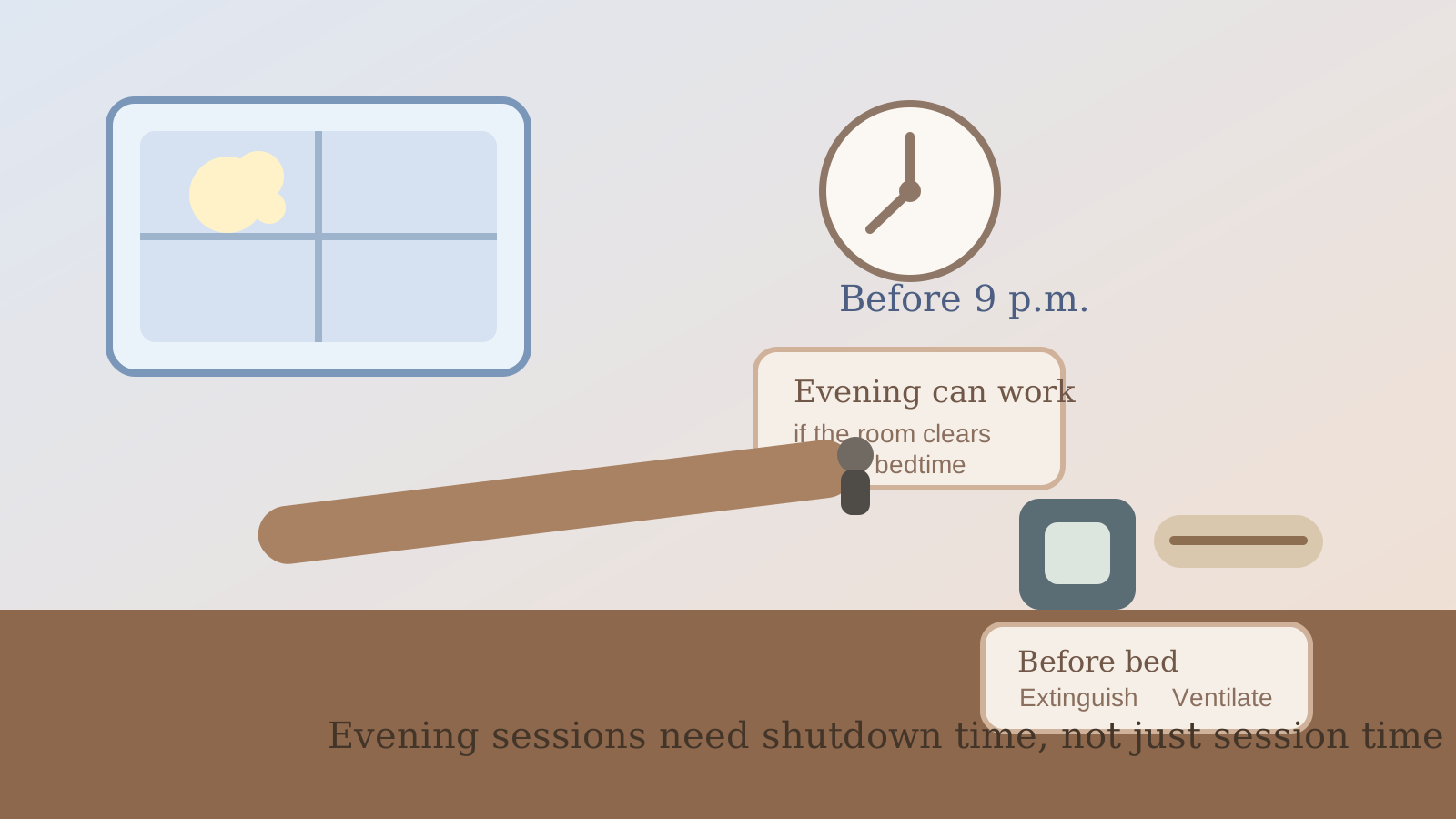
Early evening can be reasonable when:
- you are still alert enough to supervise the heat closely,
- the room can stay ventilated afterward,
- you are not planning to rush into sleep immediately,
- the session is modest rather than drawn out,
- you already know how you personally react to the smell and warmth.
This is where the Tianhe hospital FAQ is useful. It does not say evening moxa is forbidden. It says evening use needs more care and is better finished before late night. That is a more useful beginner message than the extreme versions online, where one page says “never at night” and another says “any hour is fine.”
If your only realistic slot is after dinner, keep the session smaller rather than forcing a full routine. Review how long should you use a moxa stick if you need help separating session length from the full burn time of the stick.
What makes a time slot a bad choice
Bad timing is usually about context, not the clock itself.
A morning slot can still be a poor choice if you are rushing out the door, cannot ventilate the room, or feel tempted to leave the ember unattended while getting ready. An evening slot can still be a poor choice if you are already tired, the bedroom door will be shut right afterward, or you know the smell tends to linger in your fabrics.
In practice, the wrong time often has one of these warning signs:
- you feel pressure to hurry,
- the room cannot clear out before the next activity,
- you are too sleepy to monitor heat carefully,
- you will go straight into cold outdoor air or straight into bed,
- the household is busy enough that interruptions are likely.
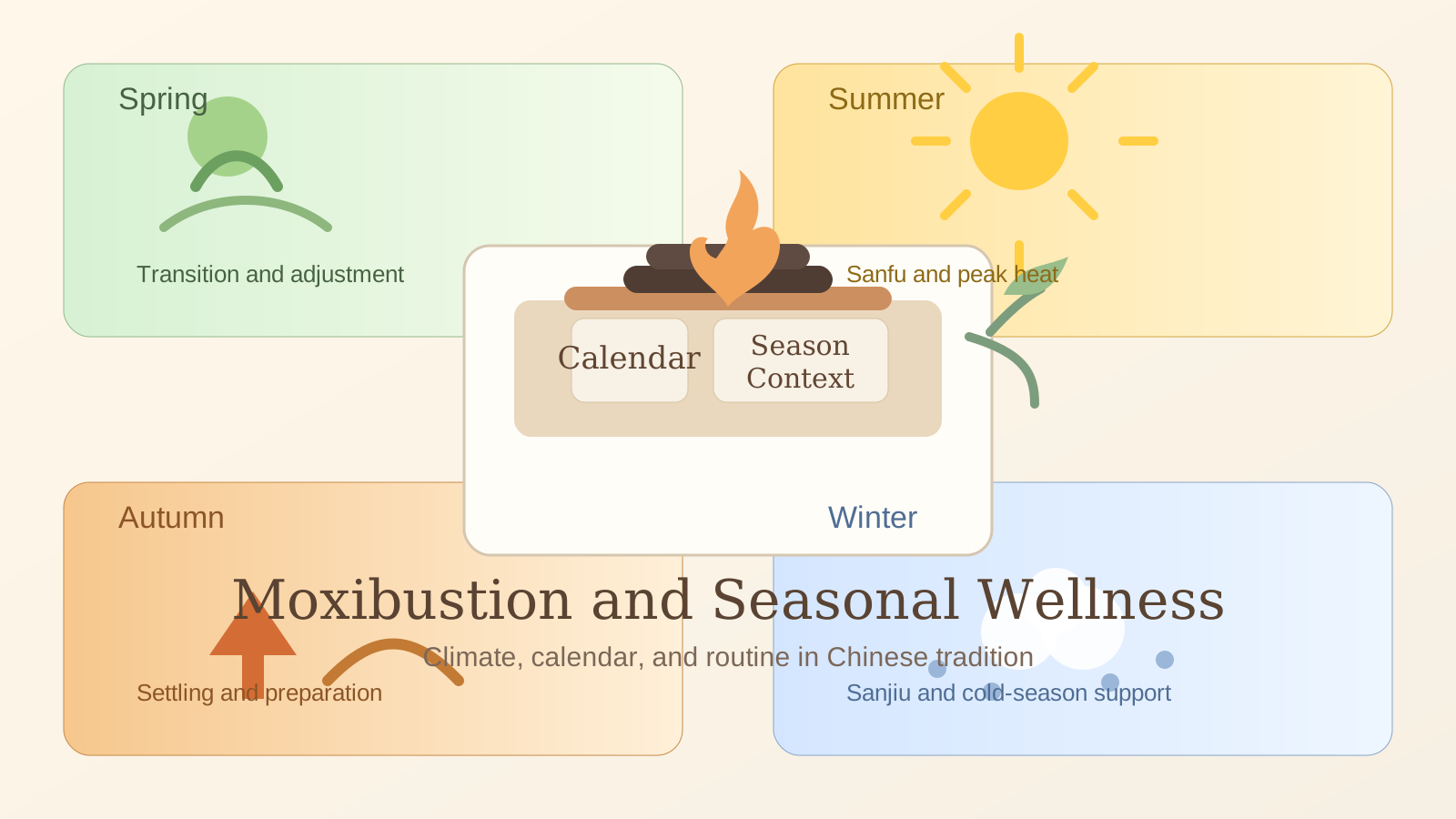
That is also why “best time of day” overlaps with broader scheduling questions such as seasonal routines. If you want the traditional calendar angle, summer vs winter moxibustion explains why some sources focus on season rather than hour.
Build your timing around the whole session
Beginners often think only about ignition time. A better approach is to plan the whole block:
- setup time,
- active session time,
- extinguishing and ash handling,
- ventilation and cooldown time,
- a short buffer before showering, going outside, or sleeping.
That full-block view leads to better decisions. For example, a 15-minute session is not really a 15-minute appointment. If you add setup and cleanup, it may need 35 to 45 calm minutes. Once you see timing that way, the “best time” question becomes much more realistic.
This is also the best place to separate source-backed guidance from inference. The traditional timing language comes from official TCM public-education sources. The advice to leave extra ventilation and cooldown time is an inference from indoor-air and burn-safety guidance. It is not an ancient rule. It is simply the safer way to manage a burning product at home.
A simple beginner schedule that usually makes sense
If you want a starting rule instead of a debate, use this one: choose a time when you can give moxa your full attention and still have time afterward to reset the room.
For many people, that means one of these:
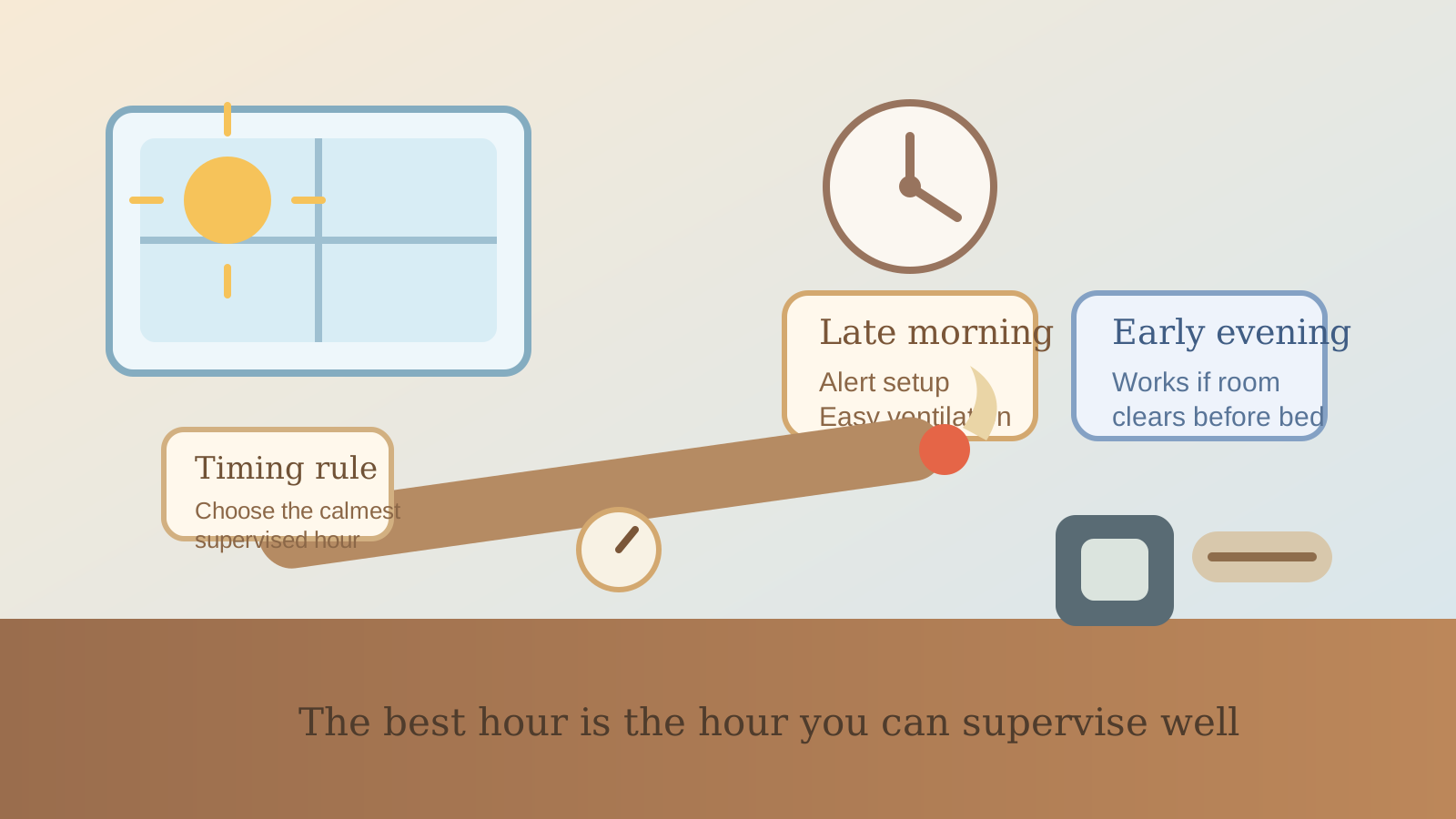
- late morning on a non-rushed day,
- early afternoon with strong ventilation,
- early evening, finished well before bedtime.
Avoid treating bedtime itself as the target. Even if a particular point or routine is discussed in night-focused traditional writing, that does not make last-minute bedroom moxa the easiest beginner habit.
The bottom line is simple. The best time of day for moxibustion is usually not the most mystical hour. It is the most manageable hour. If the setup is supervised, the room can clear, and the session fits your real routine without rushing, you are much closer to a sensible beginner schedule.
Sources and further reading
Source tiers: A/B. The official Chinese public-education sources below are paraphrased into original English for educational use; the U.S. sources below are used for smoke and safety context.
- Guangzhou Municipal Health Commission: “Yang deficiency and spring-summer yang support” (May 16, 2023)
- Tianhe District Chinese Medicine Hospital: FAQ on common moxibustion questions (November 8, 2021)
- U.S. Environmental Protection Agency: Improving Indoor Air Quality
- U.S. Environmental Protection Agency: Indoor Particulate Matter
- National Center for Complementary and Integrative Health: Osteoarthritis In Depth
Common questions
Is morning the best time for moxibustion?
Morning is often a good beginner option because you are usually more alert and official TCM public-education sources commonly describe daytime as the easier timing window. But it is not a rule that morning works best for every person or every routine.
Can I do moxibustion at night?
Sometimes, but late-night sessions are not the easiest beginner choice. If evening is your only practical option, keep the session modest, finish well before sleep, and make sure the room is fully aired out.
What matters more than the clock?
Your setup matters more than chasing a perfect hour. Ventilation, supervision, heat tolerance, aftercare time, and whether you are calm enough to monitor the session are usually more important than picking one lucky number on the clock.