Quick answer
Moxa and a mugwort foot soak can fit into the same general home routine, but the safer beginner approach is to understand them as different tools. A foot soak is usually easier for late-evening comfort, while moxa usually needs more setup, ventilation, and shutdown time.
Key takeaways
- Moxa and mugwort foot soaks both use warmth, but one is a burning routine and the other is a water-based routine with different risks.
- For most beginners, choosing one routine at a time is easier than stacking both in a single session.
- If you combine them, keep the order simple, leave a buffer, and stop if the heat starts feeling too intense or hard to judge.
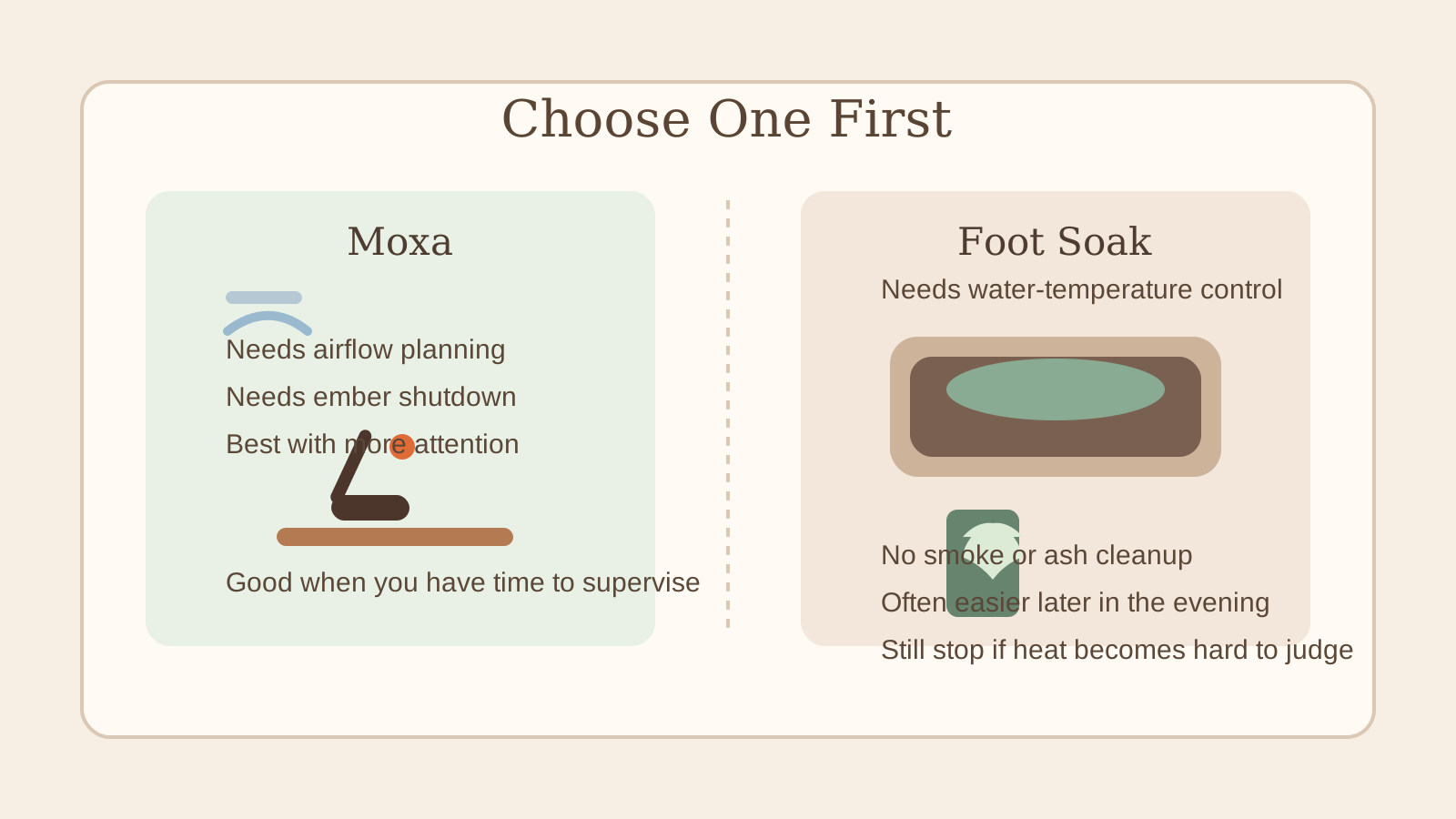
If you want the direct answer first, here it is: moxa and a mugwort foot soak can fit into the same day, but beginners should think of them as two different heat practices rather than one automatic pairing. A mugwort foot soak is usually the easier late-evening option because it does not involve smoke, ash, or a live ember. Moxa usually fits better earlier, with more room for ventilation, full extinguishing, and cooldown.
That is the main search-intent answer. The real decision is not whether the two routines are spiritually compatible. It is whether you can keep the total heat load, cleanup, and timing simple enough that the routine still feels controlled.
How moxa and a foot soak differ in practical terms
The quickest way to understand this topic is to separate combustion heat from water heat.
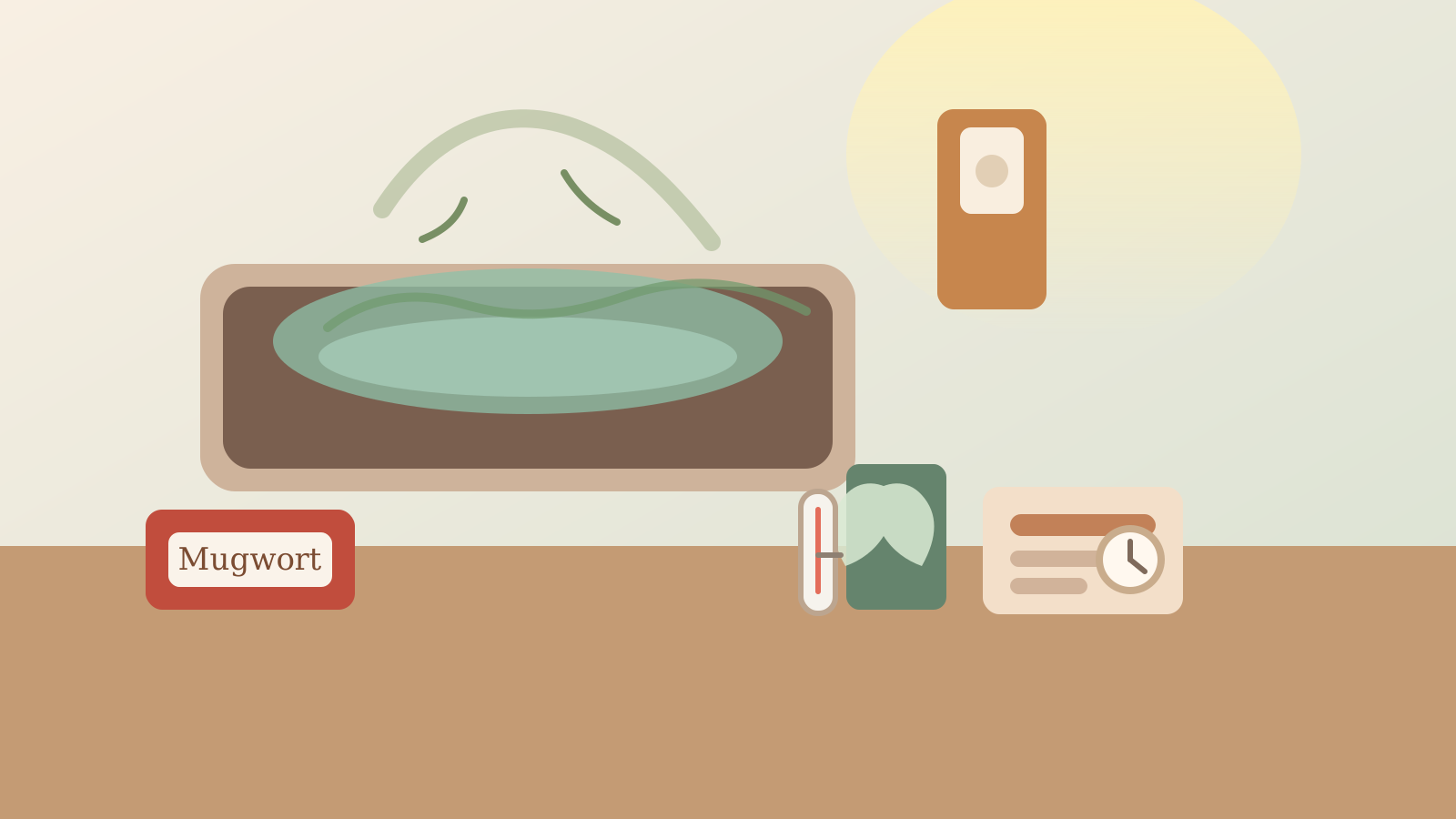
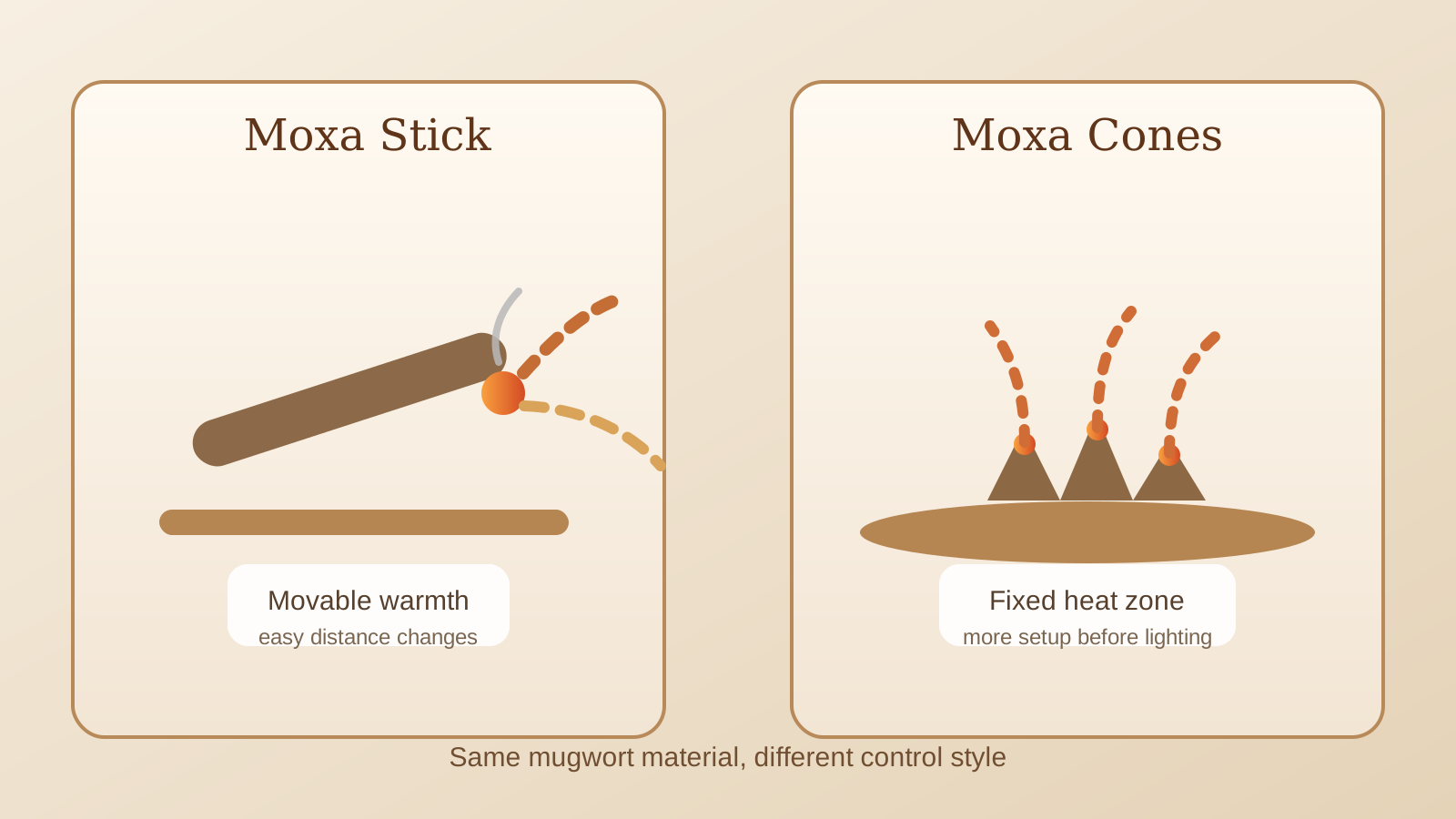
Moxa involves burning processed mugwort material. That means warmth is only one part of the routine. You also have to manage ignition, smoke, room airflow, ash, and shutdown. A mugwort foot soak uses warm water and an herb packet or infusion, so the core decisions are different: water temperature, soak length, skin tolerance, and whether the routine leaves you feeling settled instead of overheated.
That distinction is why these routines should not be viewed as interchangeable. If your real concern is room setup and smoke control, pages like moxibustion for relaxation, best time of day for moxibustion, and moxa stick aftercare are more relevant than generic soak advice. If your question is really about a non-burning evening routine, mugwort foot soak guide is the closer fit.
In other words, both routines use warmth, but they create different kinds of work before and after the heat begins.
When it makes more sense to choose one instead of both
For most beginners, the strongest advice is surprisingly plain: pick one routine first.
That is not because combining them is always wrong. It is because beginners usually learn faster when the feedback is clear. If you do moxa and a foot soak back to back, it becomes harder to judge what felt good, what felt too hot, what made the room harder to manage, and what part of the evening created discomfort.
Choose moxa only when:
- you want a shorter, more supervised warming session,
- you have time to ventilate the room properly,
- you can handle lighting, monitoring, and extinguishing without rushing.
Choose a foot soak only when:
- you want a simpler late-evening routine,
- you do not want smoke or lingering odor indoors,
- you prefer a setup that ends with drying off rather than ember cleanup.
This is also where the existing site structure matters. How to use moxa sticks at home is about a full combustion routine. 10 traditional mugwort uses around the home and the /categories/mugwort-foot-soak/ hub sit closer to the gentler household branch of the topic. A beginner who keeps those branches separate will usually make better decisions.
If you combine them, the order should stay conservative
Some readers are not choosing between the routines. They want to know whether both can fit into one day. A cautious answer is yes, sometimes, but only if the combined routine still stays light and easy to judge.
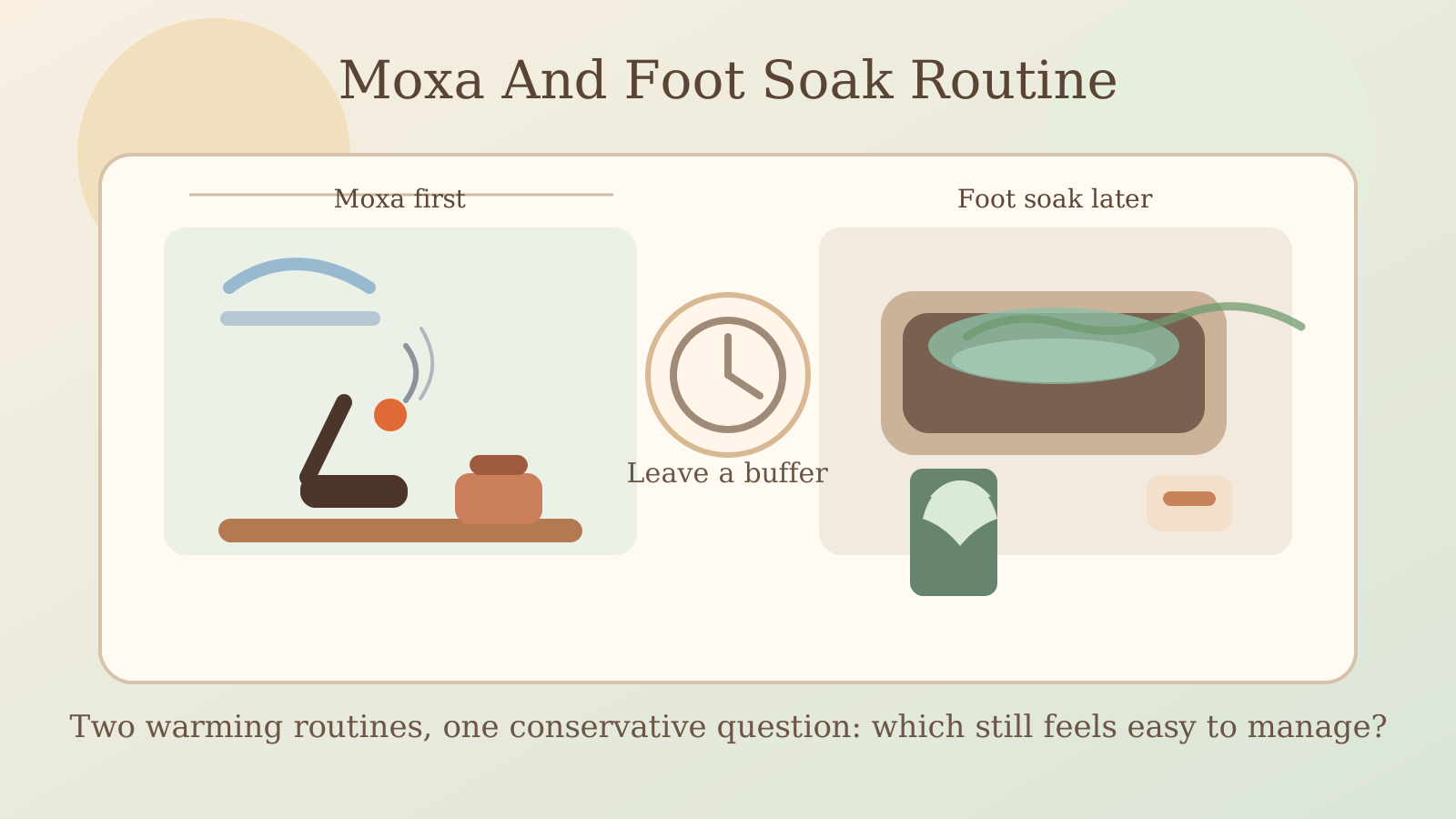
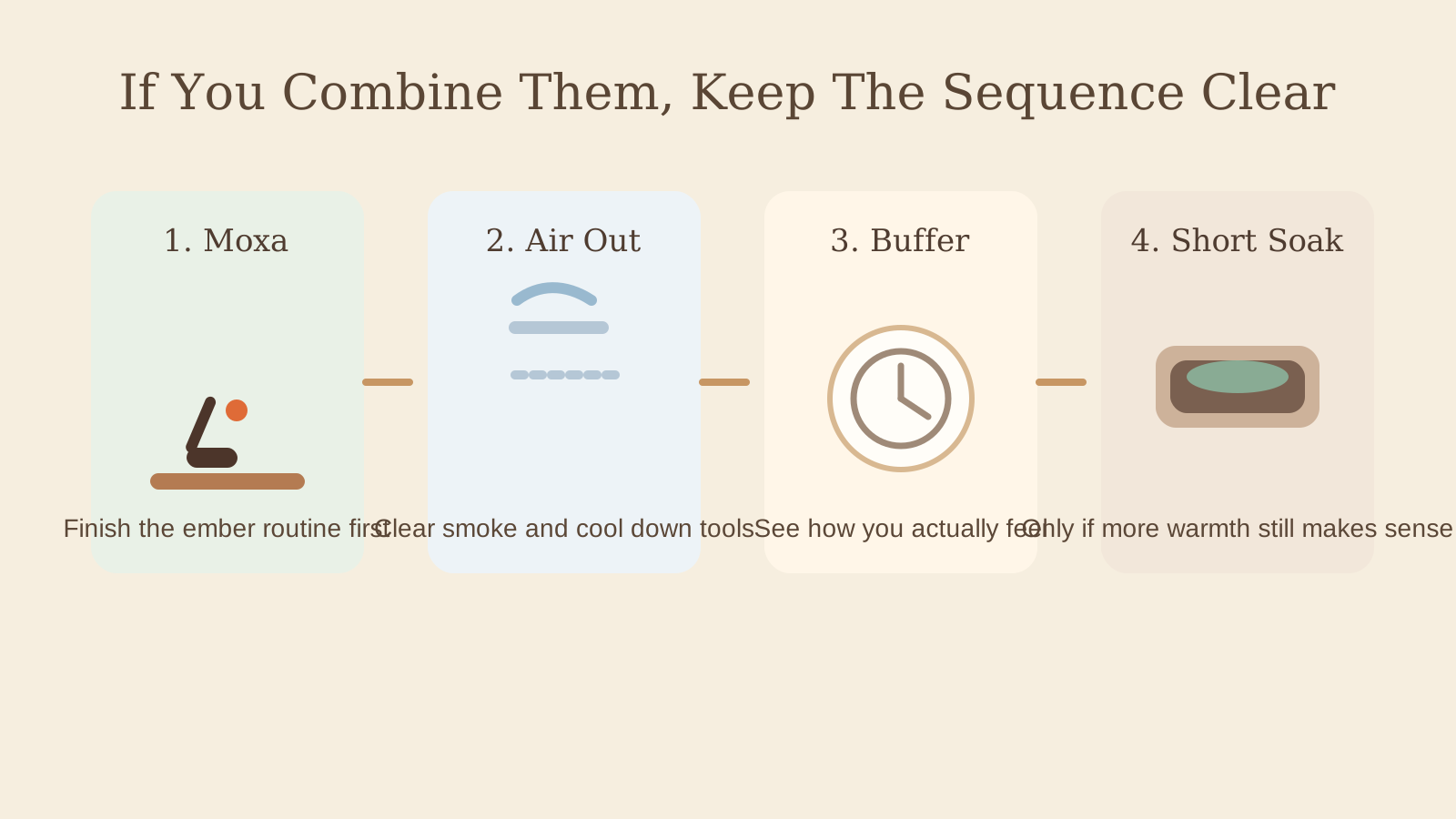
If both are used on the same day, the most sensible beginner order is usually:
- moxa earlier,
- a full break for room air, cleanup, and body check,
- a short foot soak later only if you still feel comfortable.
Why that order? Because moxa has the more complicated shutdown. Once you finish a moxa session, you still need to extinguish the stick fully, cool the holder, clear the room, and see how your skin and breathing feel. A foot soak does not create those same room-level tasks. That makes it easier to place later if you still want a modest evening wind-down.
The reverse order is harder to justify for beginners. Starting with a hot soak can leave your feet and body already warm, which makes it more difficult to judge whether later moxa feels gentle or excessive. The routine can become blurry.
The conservative version is not glamorous, but it is clear:
- keep moxa brief,
- leave a buffer before any soak,
- make the soak shorter rather than longer,
- stop the combined plan if the total heat feels like too much.
This article is not prescribing a therapeutic protocol. It is offering a home-routine logic that reduces confusion.
Timing matters more than symbolism
Many weak pages answer this keyword by leaning on vague symbolism about double warmth. That is not very useful for a reader trying to plan a real evening.
The practical issue is timing. Official public-health and hospital guidance used elsewhere on this site already supports two conservative ideas: late-night moxa deserves more caution than daytime or early evening use, and a foot soak works best when it stays comfortably warm, not extreme, and ends with enough time to settle before sleep. Those ideas point in the same direction.
If you want both routines in the same day, think in time blocks, not mystical categories:
- a block for moxa setup and active supervision,
- a block for extinguishing and airing out the room,
- a block of normal time in between,
- a final block for a short warm soak and full drying.
Once you think that way, the answer becomes easier. A combined routine only makes sense on a day when you have enough calm time for the entire sequence. If you are tired, rushed, or trying to squeeze everything into the last hour before bed, the better choice is usually one routine, not two.
Readers who mainly want a gentle evening schedule should also review best time of day for moxibustion and mugwort foot soak guide. Those pages explain why the clock and cleanup burden matter more than the idea of doing more.
When the combined routine is a bad idea
The routine is probably a bad idea if you already know one part tends to make the evening harder to manage.
Skip the combined approach when:
- the room is difficult to ventilate,
- you feel very tired and do not want another heat-based step,
- your skin is already irritated,
- you have trouble judging heat accurately,
- the first routine leaves you flushed, restless, or uncomfortable.
That last point matters most. The goal of a beginner routine is not to prove dedication. It is to keep the experience easy to stop. If moxa already gave you enough warmth, there is no prize for adding a soak. If a soak already gave you the kind of evening comfort you wanted, there is no reason to add smoke and cleanup afterward.
This is where moxibustion safety basics and how to reduce moxa smoke at home remain relevant. Even when the keyword sounds gentle, moxa is still a burning product. Simplicity is usually the safer choice.
A simple beginner rule that actually works
If you only remember one rule from this page, use this one: choose the routine that still feels easy to supervise at the end of the day.
For many people, that means:
- moxa on a day when there is time, airflow, and attention for it,
- a mugwort foot soak on a day when a simple warm-water routine makes more sense,
- both only occasionally, with moxa first and a real buffer in between.
That answer is less dramatic than many search results, but it is much more usable. The best routine is not the warmest one. It is the one that stays readable, moderate, and easy to stop before the evening turns messy.
Sources and further reading
Source tiers: A. The comparison and sequencing advice above is an original practical inference based on official timing guidance, indoor-air guidance, and conservative home-safety logic. It is not a claim that either routine addresses disease or that a combined routine is appropriate for everyone.
- National Center for Complementary and Integrative Health: Traditional Chinese Medicine: What You Need To Know
- U.S. Environmental Protection Agency: Improving Indoor Air Quality
- U.S. Environmental Protection Agency: Indoor Particulate Matter
- Guangzhou Municipal Health Commission: public education on moxibustion timing (May 16, 2023)
- Haidian District Health Commission: scientific foot-soak guide (November 28, 2025)
Common questions
Can you do moxa and a mugwort foot soak on the same day?
They can fit into the same day, but the simpler beginner answer is to keep each routine modest and avoid turning the evening into a long heat session. Many people are better off choosing one routine at a time.
Which should come first, moxa or a foot soak?
If both are used in one day, moxa usually makes more sense earlier because it needs ventilation and full shutdown. A short foot soak fits better later, once you know you still feel comfortable.
Is a foot soak safer than moxa for beginners?
A foot soak is usually simpler because there is no ember, smoke, or ash, but hot water still needs care. Simpler does not mean risk-free.