Quick answer
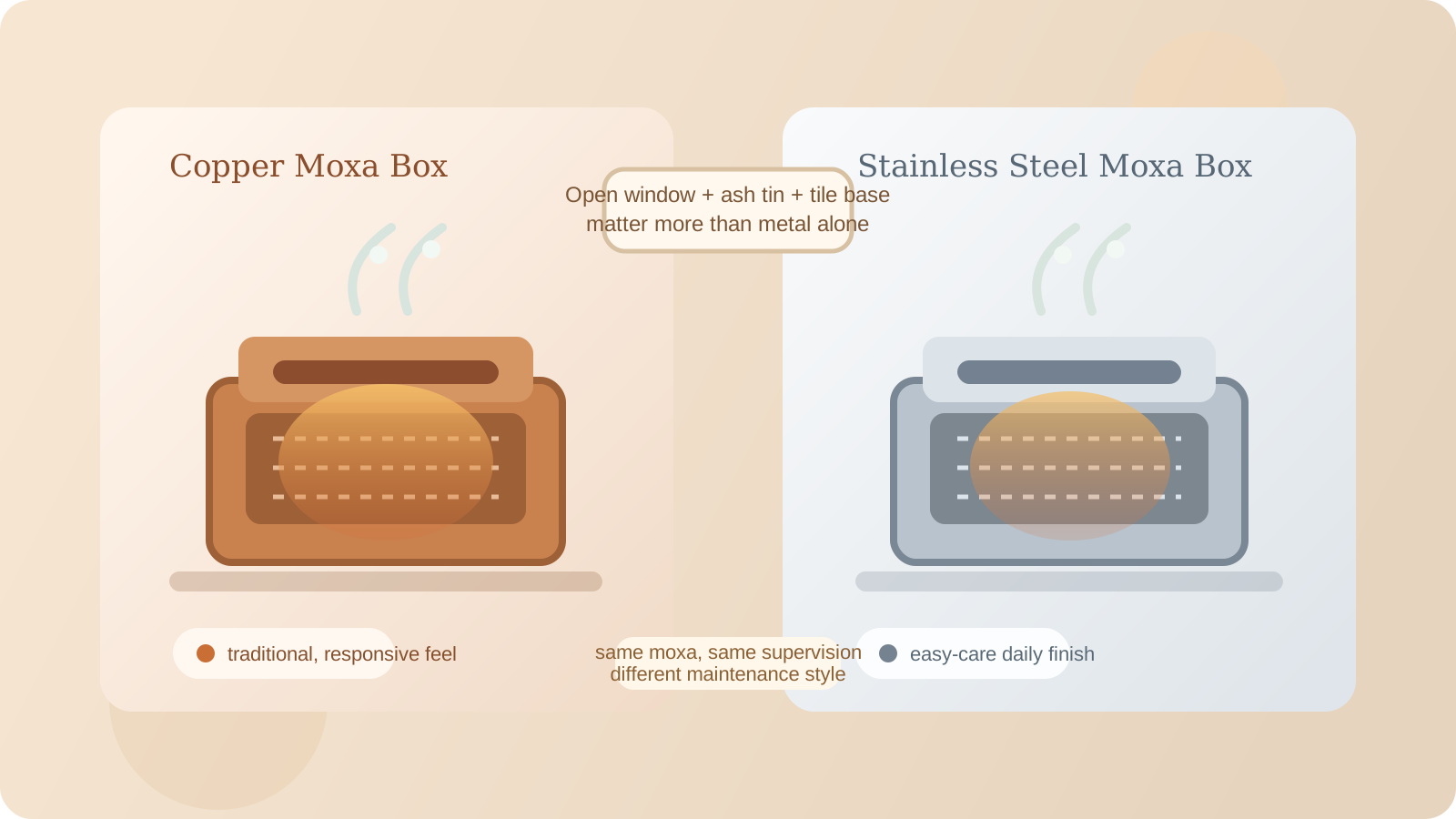
Copper moxa boxes often feel more responsive and traditional, while stainless steel boxes are usually easier to clean and lower-maintenance. For most beginners, the better choice is the box that stays stable, fits the moxa securely, and supports safer supervision.
Key takeaways
- Copper can transfer heat quickly, but box design, vent layout, and moxa load matter more than metal alone.
- Stainless steel is often easier to wipe clean and more forgiving if you want a low-maintenance home setup.
- Neither material removes the need for ventilation, ash control, a stable surface, and close supervision during use.
If you are choosing between a copper and a stainless steel moxa box, the short answer is this: copper often feels more responsive, while stainless steel is usually easier to clean and maintain. For most beginners, stainless steel is the simpler choice, but a well-made copper box can still be excellent if you want a more traditional look and you are willing to pay closer attention to surface care. In either case, the material matters less than stable placement, safe heat checks, airflow, and a reliable shutdown routine.
What actually changes when the box material changes?
The biggest difference is not that one material is “good” and the other is “bad.” It is that the box may warm, age, and clean up differently depending on the metal.
Copper is widely used where quick heat transfer matters. Stainless steel is widely used where corrosion resistance and easier long-term upkeep matter. Those broad material traits can influence how a moxa box feels in the hand and how much attention it needs after a session.
Still, a beginner should not overread the metal label. The practical experience is also shaped by:
- the thickness of the walls,
- whether there is an inner mesh or liner,
- how much burning moxa the box holds,
- how open or restrictive the vents are,
- whether the box sits flat on the body or on a support layer.
That is why two copper boxes can behave more differently from each other than one copper box and one stainless steel box built to similar dimensions.
How copper and stainless steel affect the heat feel
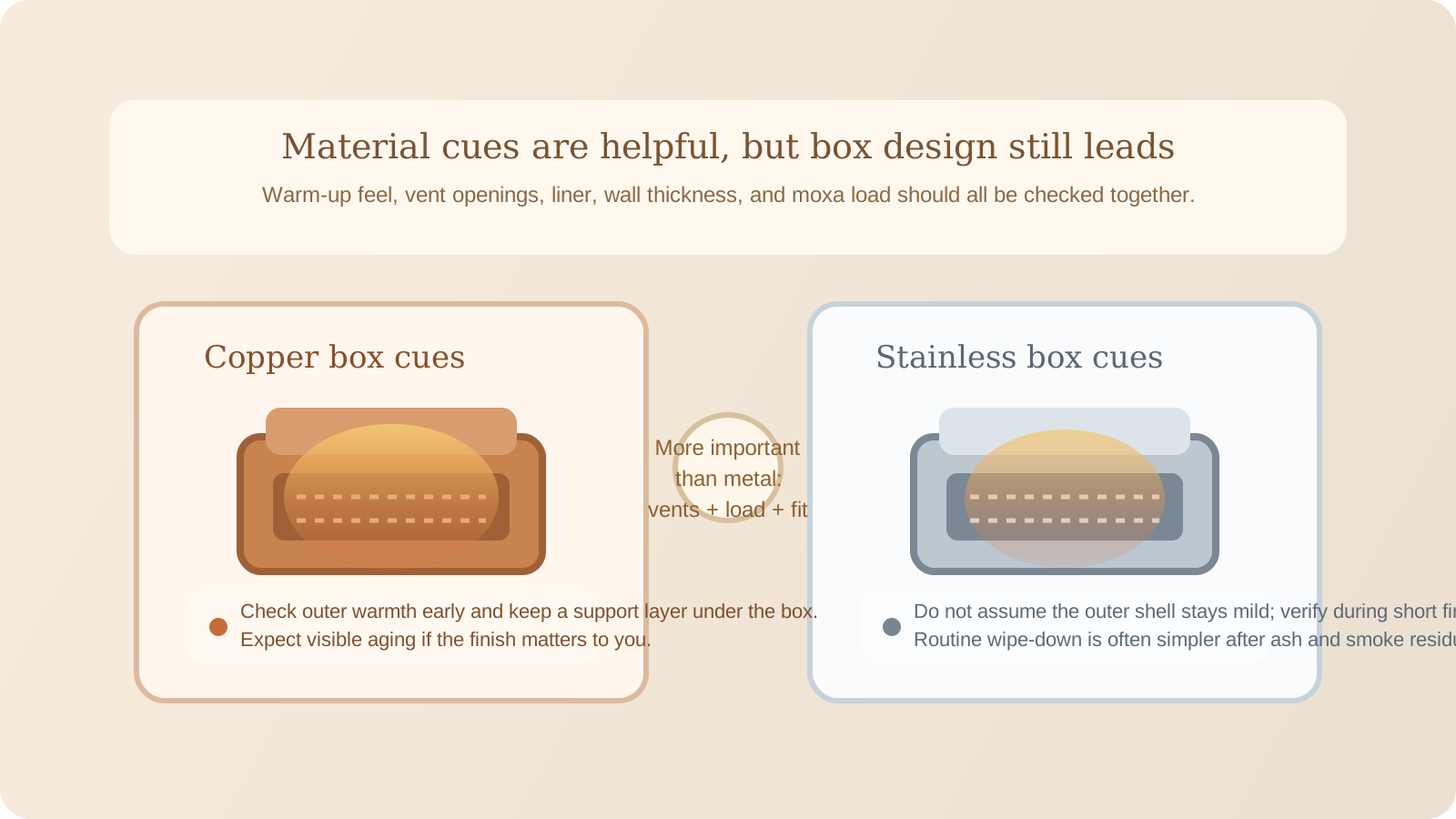
Copper is known for high thermal conductivity, so it can move heat through the box body efficiently. In a moxa box, that can translate into a quicker sense that the device is warming up and a stronger need to check the outside surface and contact layer early.
Stainless steel usually feels more neutral in that respect. Many buyers choose it because the surface experience can feel steadier and less precious. That does not mean stainless steel stays cool or that it is automatically safer. A stainless box can still become too warm if the load is too large, the vents are limited, or the session goes on longer than planned.
For a home user, the useful decision rule is simple:
- choose copper if you want a premium, traditional-feeling material and will monitor heat closely,
- choose stainless steel if you want a practical surface that is often easier to live with day to day.
If you are still learning how a box behaves at all, read how to use a moxa box at home and moxa box vs moxa stick before treating metal choice as the main issue.
Which material is easier to clean and keep looking good?
This is where stainless steel often wins for beginners.
Stainless steel is valued for corrosion resistance, which is one reason it is common in kitchenware, tools, and equipment that get wiped down repeatedly. In a moxa routine, that usually means ash dust, smoke residue, and finger marks are less emotionally costly. You can focus on basic cleanup instead of trying to preserve a polished finish.
Copper can look beautiful, but it often asks for more tolerance toward color change. Over time, heat exposure, oils from handling, and air exposure may darken the surface or produce patina. That does not automatically mean the box is damaged, but it does mean the box may stop looking new more quickly.
If you prefer gear that can age visibly without bothering you, copper may still be appealing. If you want a box that is easier to wipe, store, and recheck without extra fuss, stainless steel is usually the lower-maintenance option.
This is also why it helps to keep all boxes dry, empty ash promptly, and store them only after they are fully cooled. Those habits matter more than the metal if you want longer service life. For related basics, see how to extinguish a moxa stick safely and how often should you remove moxa ash.
Durability, weight, and everyday practicality
Buyers sometimes assume copper automatically means “better quality.” That is too simplistic.
A durable moxa box depends on joinery, hinges, mesh strength, vent design, lid fit, and whether the base stays stable during a session. A poorly built copper box can still disappoint. A well-made stainless steel box can still feel solid, reliable, and easier to own over time.
Think about practical questions instead:
- Does the lid close securely without wobbling?
- Is the mesh or tray easy to inspect after ash buildup?
- Can the box sit on a stable support without rocking?
- Are the edges smooth enough to handle safely after cooling?
- Does the product listing explain cleaning, venting, and shutdown clearly?
Those questions usually reveal more than the metal name alone.
Some buyers also prefer stainless because it often looks more modern and less delicate. Others like copper because it signals craftsmanship and fits the traditional aesthetic of moxa tools. That part is personal. What should stay non-negotiable is a stable setup, realistic heat checks, and no assumption that the box can ever be left unattended.
Which one should a beginner buy?
For most beginners, stainless steel is the easier default choice.
That recommendation is not about declaring it universally superior. It is about reducing avoidable friction. Beginners already have enough to learn: ventilation, distance, timing, ash handling, and when to stop early. A box that is easier to clean and less worrying to handle cosmetically can keep the focus on those basics.
Copper makes more sense when you already know you value the material itself and you accept the tradeoff of more visible aging. If you are drawn to copper, buy it because you like the build and the maintenance reality, not because you expect the material alone to produce a completely different category of session.
Whichever material you choose, pair it with the same nonflammable base, airflow plan, and shutdown tools you would use for any other moxa device. The EPA notes that indoor pollution sources that release particles are a primary cause of indoor air quality problems, and burning herbal material indoors clearly belongs in that caution zone. Good ventilation still matters. So does keeping cooled ash in an appropriate container and away from the house until disposal.
If you are building a first setup, best moxibustion tools for beginners, moxa stick indoor ventilation tips, and moxa stick fire safety checklist are more important reads than any premium-material debate.
A simple buying checklist
Before choosing copper or stainless steel, check these points:
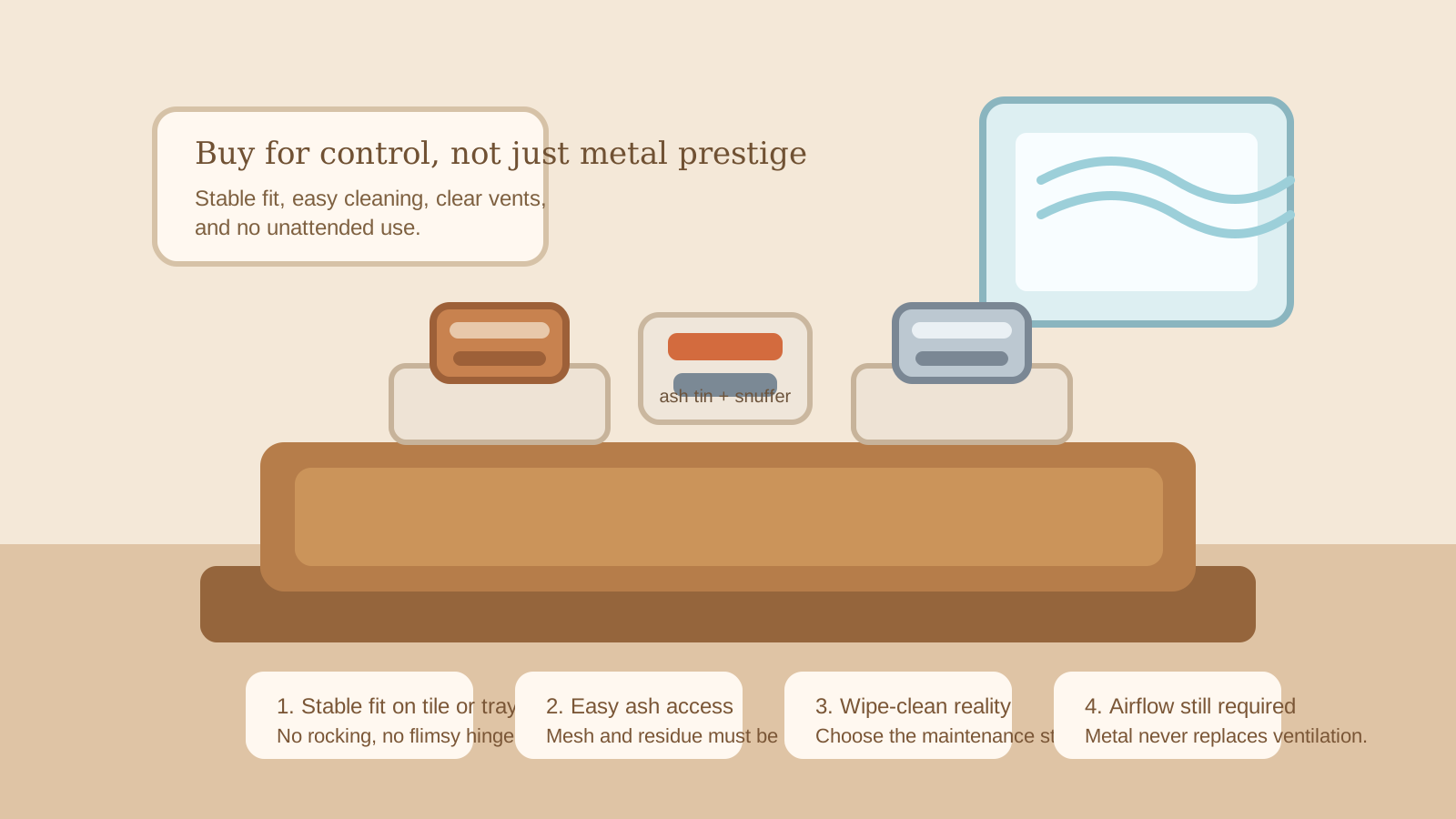
- Pick the box size that matches the moxa format you actually plan to use.
- Look for clear vent openings and a design that does not trap ash awkwardly.
- Make sure the base and lid feel stable, not decorative but flimsy.
- Assume you will need ventilation no matter what the metal is.
- Prefer listings that explain care and safe use over listings that promise dramatic wellness effects.
That keeps the decision grounded. Metal changes the maintenance style. It does not remove the core realities of moxa: heat, smoke, ember control, and supervision.
Sources and further reading
- Copper Development Association: Copper Is…
- Australian Stainless Steel Development Association: Corrosion Resistance
- U.S. Environmental Protection Agency: Indoor Pollutants and Sources
- U.S. Environmental Protection Agency: Indoor Particulate Matter
- U.S. Fire Administration: Discard Ashes Safely
Common questions
Is a copper moxa box hotter than a stainless steel one?
Sometimes it feels that way because copper transfers heat efficiently, but the real warmth depends on the full design: wall thickness, vent openings, liner, moxa amount, and distance from the body.
Which material is easier to clean after a session?
Stainless steel is usually simpler for routine wiping because it resists visible staining and corrosion well. Copper can look beautiful, but it may darken or develop patina over time.
Which material is better for beginners?
For many beginners, stainless steel is the easier starting point because it is typically lower-maintenance. A well-built copper box can still be a good choice if you are comfortable checking heat and keeping the surface dry and clean.