Quick answer
Moxibustion history is easiest to follow as a timeline of materials, teaching, and cultural transmission: early Chinese references, later classical organization, regional spread, and modern heritage recognition.
Key takeaways
- The exact origin date of moxibustion is uncertain, so careful timelines use ranges and classical milestones instead of mythic certainty.
- Moxibustion developed in China, then spread through texts, teachers, and changing tool formats across East Asia and beyond.
- A long history shows cultural importance, not proof that home moxa can diagnose, treat, cure, or prevent disease.
If you want the shortest useful answer to moxibustion history, it is this: the practice did not appear all at once as a finished system. It formed gradually through material choices, written teaching, point-based theory, and long cultural transmission.
That matters because internet timelines often become too neat. They either push everything into a single dramatic origin story or jump straight from “ancient China” to modern product listings. A better beginner timeline stays modest about uncertain dates and clearer about what changed over time.
How to read a moxibustion timeline
The safest way to read moxibustion history is to separate three layers:
- legendary or traditional origin stories,
- early written references,
- later periods when manuals, diagrams, and institutions make the record easier to follow.
That approach keeps the article educational instead of myth-heavy. It also prevents a common mistake: treating age as proof of modern medical effectiveness. A long timeline can show cultural continuity without making disease-treatment promises.
Before the Common Era: early Chinese foundations
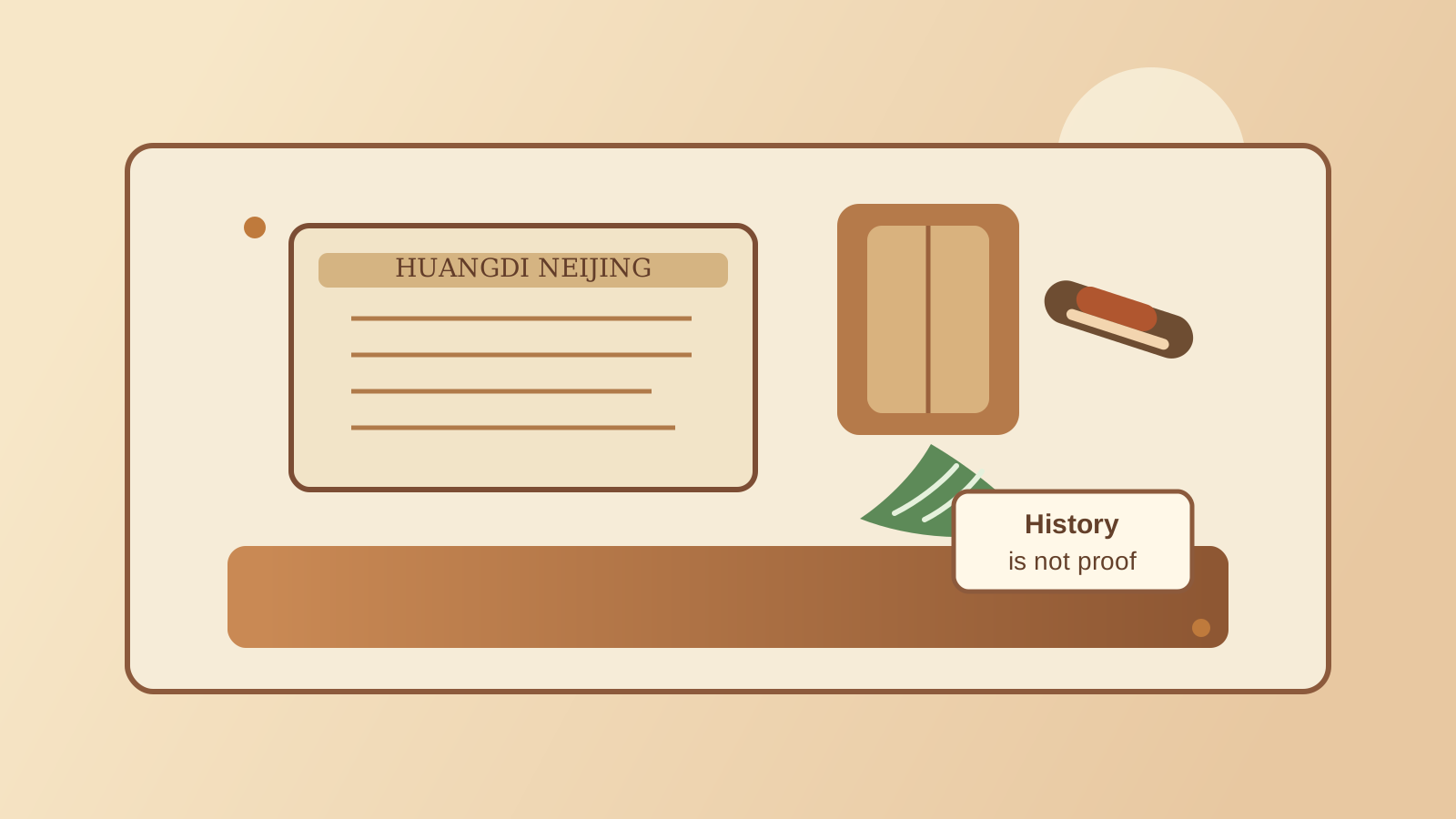
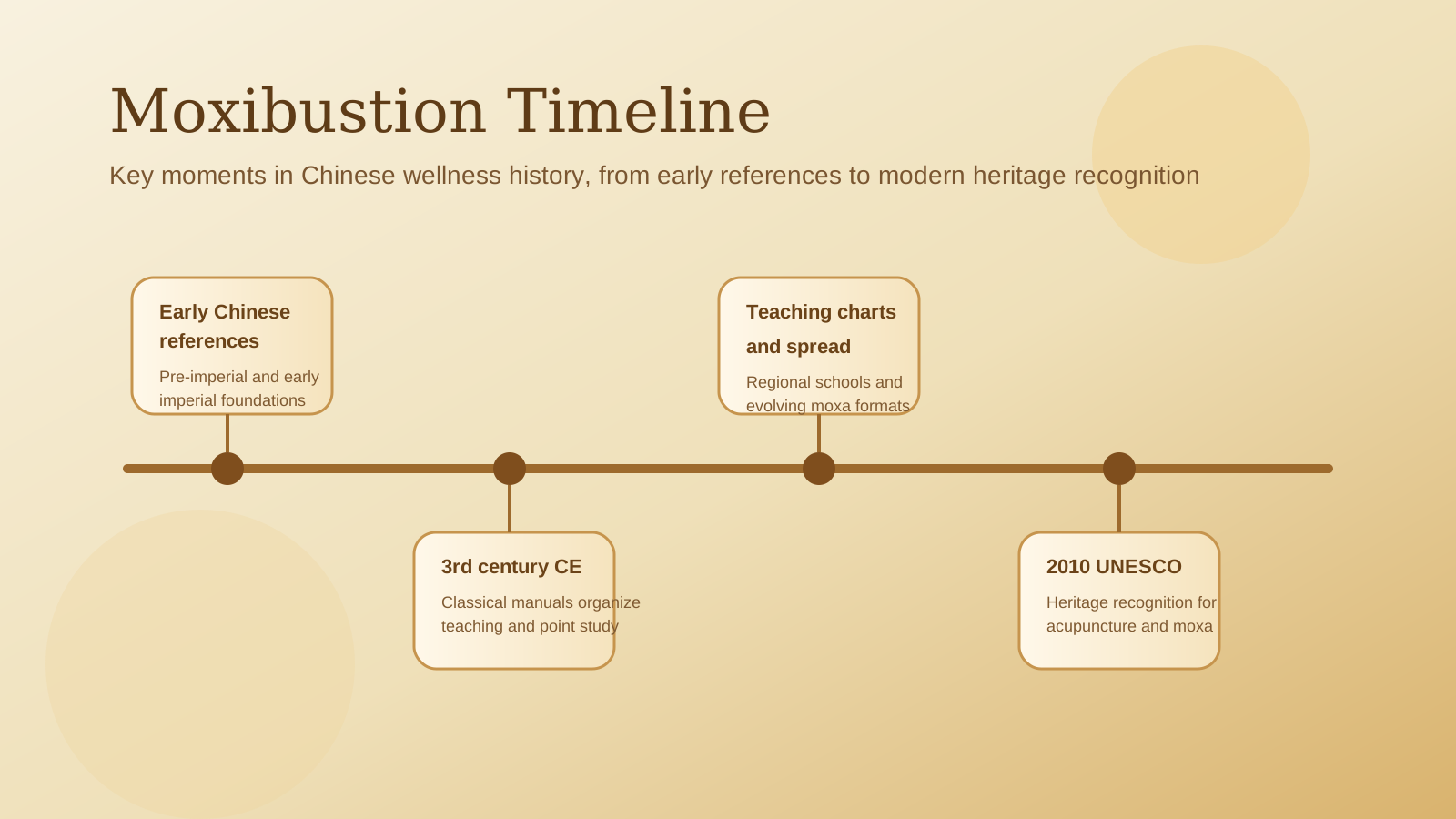
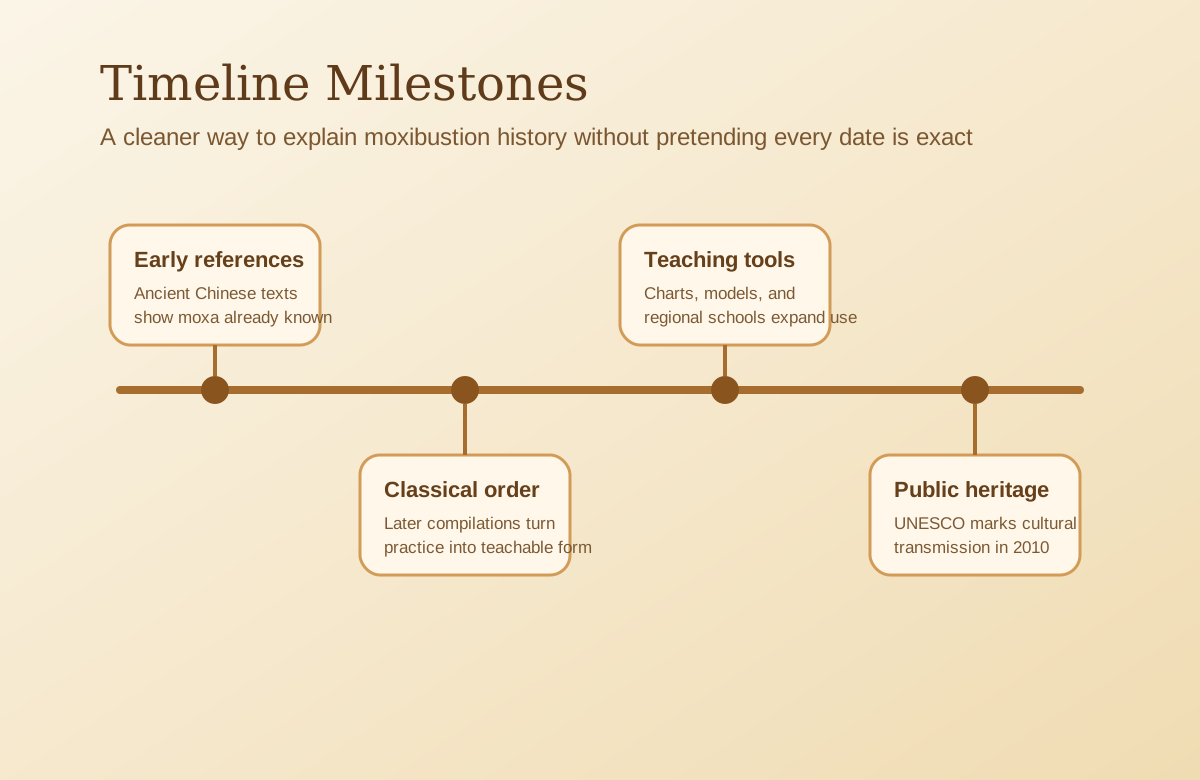
Most broad references describe moxibustion as originating in China, but they do not give a single exact invention year. Britannica presents it as a traditional medical practice that began in China and later spread to Japan and other Asian countries. Classical Chinese material associated with the Huangdi Neijing already discusses moxa, warming, and point-based care, which tells us the practice was part of early Chinese medical thought by the time those traditions were being compiled.
Some classical passages even connect moxa with colder northern regions. That is a useful cultural clue, not a precise founding date. For a beginner, the main point is simpler: moxibustion entered the written record early enough that later physicians treated it as an established method rather than a new invention.
Around the early imperial period to the 3rd century CE: texts become more organized
As Chinese medical literature grew, acupuncture and moxibustion were increasingly taught together. This is one of the biggest timeline shifts. The story moves from scattered early references toward more systematic teaching.
Chinese-language historical summaries from the National Administration of Traditional Chinese Medicine note that the Zhenjiu Jiayi Jing helped organize moxa knowledge and is commonly described as the earliest surviving specialized acupuncture text. That does not mean every modern practice comes directly from one book. It means that by the 3rd century CE, the tradition was already being gathered, classified, and taught in a more structured way.
For readers comparing modern products, this period matters because it helps explain why moxibustion is so often paired with acupuncture in later writing. The two practices share part of the same teaching history even though the tools are different.
Medieval and late imperial periods: teaching tools, diagrams, and regional spread
Once the textual base was in place, later centuries expanded how people learned and transmitted the practice. Britannica’s history of medicine overview notes teaching models and point diagrams in Chinese medicine, which helps show how knowledge moved beyond abstract theory into practical instruction.
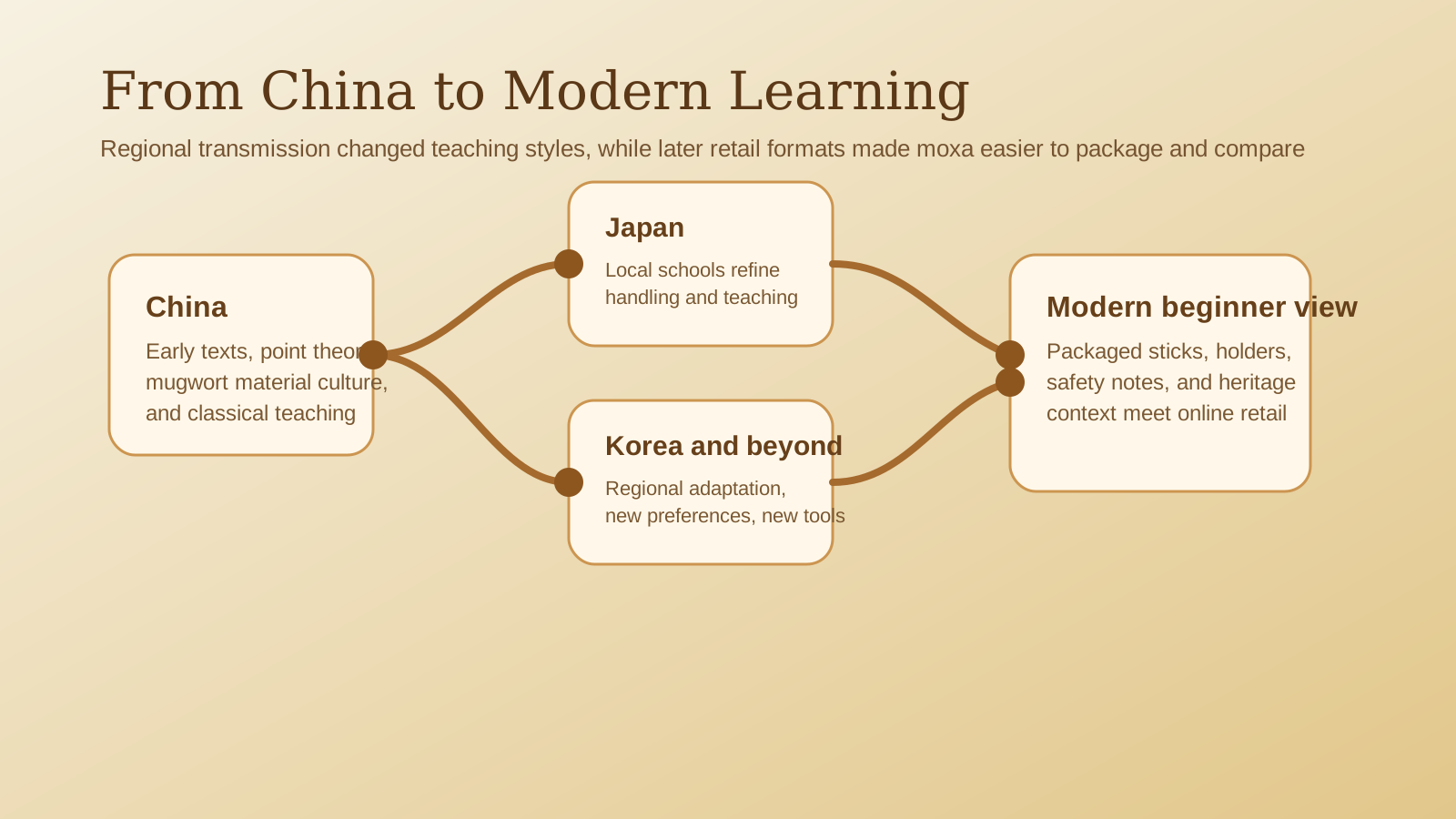
This is also the period where broad reference works describe moxibustion spreading from China to Japan and other parts of Asia. As it moved, local schools developed their own preferences for materials, point selection, technique, and tool design. That is one reason modern moxibustion does not look identical in every country or clinic.
For a site like moxasticks.store, the practical takeaway is that product form changed over time as well. Loose moxa, cones, and later stick formats all belong to the larger story. A beginner holding a retail moxa stick today is seeing one late, convenient format within a much older family of moxa methods.
Modern era: from specialist practice to heritage and global curiosity
The modern timeline adds two important changes. First, moxibustion became easier to package, ship, and explain to general consumers through finished products such as sticks, holders, boxes, and lower-smoke variants. Second, the practice became part of global cultural and wellness curiosity, not just regional clinical tradition.
One clear public milestone came in 2010, when UNESCO inscribed acupuncture and moxibustion of traditional Chinese medicine on the Representative List of the Intangible Cultural Heritage of Humanity. That recognition is about cultural heritage and transmission. It is not the same as a regulatory approval or a blanket medical endorsement.
This distinction is worth repeating because beginners often blur the categories. Cultural recognition can tell you that a practice matters historically. It cannot tell you whether a specific home-use routine is suitable for your health situation.
What this timeline does and does not tell a beginner
This timeline can help you understand four things clearly:
- moxibustion has deep roots in Chinese medical and cultural history,
- the exact earliest date is less certain than later teaching milestones,
- moxa formats changed as the tradition spread and adapted,
- historical importance does not cancel modern safety questions.
What it cannot do is answer whether home moxa is right for a particular symptom, diagnosis, pregnancy question, skin issue, or chronic condition. Those are present-day safety decisions, not historical ones.
If you want the next logical reading path, start with what is moxibustion, then history of moxibustion, then moxibustion in traditional Chinese medicine, and finally what is moxa. That sequence moves from simple definition to cultural context without overselling the practice.
Sources and further reading
- Britannica: Moxibustion
- Britannica: History of medicine in China
- UNESCO: Acupuncture and moxibustion of traditional Chinese medicine
- National Administration of Traditional Chinese Medicine: page discussing moxibustion history and later textual development (Chinese)
Common questions
When did moxibustion begin?
There is no single universally agreed invention date. Most careful summaries place its roots in ancient China and track it through early classical references, later manuals, and long cultural transmission.
Why do some timelines give different dates?
Because early Chinese medical history mixes legend, later compilation, and surviving texts from different periods. A cautious timeline names approximate eras when the evidence is clearer.
Does a long history mean moxibustion is proven medicine?
No. Historical continuity shows that moxibustion mattered culturally and traditionally. It does not replace modern evidence standards, safety checks, or medical guidance.